Avatar of Vocabulary Set 文学的表現技法と要素

言語 内 文学的表現技法と要素 語彙セット:完全かつ詳細なリスト

「言語」内の「文学的表現技法と要素」語彙セットは国際標準教材から厳選され、短期間で語彙をマスターできます。定義、例文、標準発音を網羅…

Lingolandでこの語彙セットを学習

今すぐ学習

allegory

/ˈæl.ə.ɡɔːr.i/

(noun) 寓話, 比喩

例:

George Orwell's 'Animal Farm' is a famous allegory for the Russian Revolution.
ジョージ・オーウェルの『動物農場』はロシア革命の有名な寓話です。

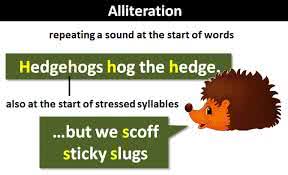
alliteration

/əˌlɪt̬.əˈreɪ.ʃən/

(noun) 頭韻

例:

The poem used alliteration with the phrase 'slippery, slithering snake'.
その詩は「slippery, slithering snake」というフレーズで頭韻を使用していた。

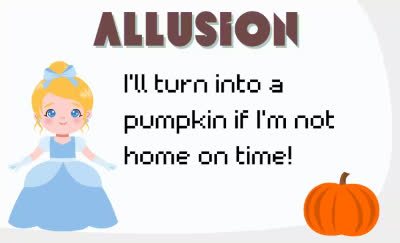
allusion

/əˈluː.ʒən/

(noun) 言及, 暗示, ほのめかし

例:

The poem contains an allusion to Greek mythology.
その詩にはギリシャ神話への言及が含まれている。

anachronism

/əˈnæk.rə.nɪ.zəm/

(noun) 時代錯誤, 時代遅れ

例:

The sword in the modern play was an anachronism.
現代劇における剣は時代錯誤だった。

anthropomorphism

/ˌæn.θrə.pəˈmɔːr.fɪ.zəm/

(noun) 擬人化

例:

The ancient Greeks often depicted their gods with human emotions, a clear example of anthropomorphism.
古代ギリシャ人はしばしば神々を人間の感情で描写し、これは擬人化の明確な例である。

antithesis

/ænˈtɪθ.ə.sɪs/

(noun) 対極, 正反対

例:

Love is the antithesis of hatred.
愛は憎悪の対極にある。

aphorism

/ˈæf.ɚ.ɪ.zəm/

(noun) アフォリズム, 格言, 金言

例:

The book was full of wise aphorisms about life.
その本は人生に関する賢いアフォリズムでいっぱいだった。

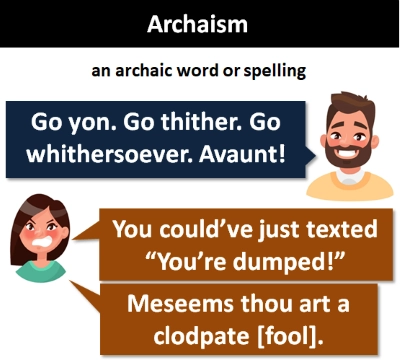
archaism

/ɑːrˈkeɪ.ɪ.zəm/

(noun) 古語, 古風な表現, 古風な様式

例:

The poem was full of archaism, making it difficult for modern readers to understand.
その詩は古語でいっぱいで、現代の読者には理解しにくかった。

archetype

/ˈɑːr.kə.taɪp/

(noun) 原型, 典型, 元型 (ユング心理学)

例:

He is the archetype of the successful entrepreneur.
彼は成功した起業家の典型です。

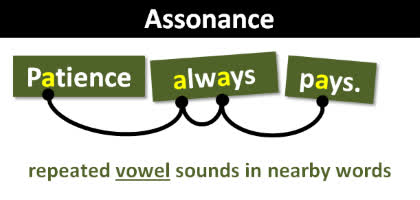
assonance

/ˈæs.ən.əns/

(noun) アソナンス, 母音の反復

例:

The poem used assonance with the repeated 'o' sound in 'old' and 'cold'.
その詩は「old」と「cold」の「o」の音の繰り返しでアソナンスを使っていた。

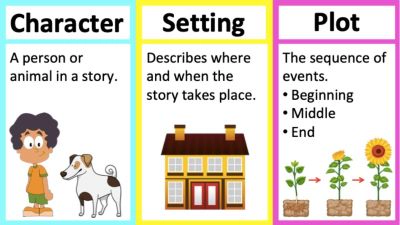
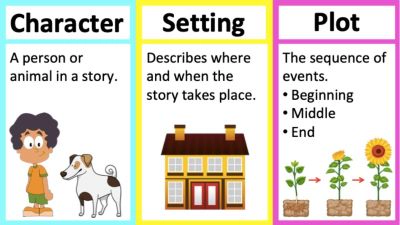
character

/ˈker.ək.tɚ/

(noun) 性格, 人格, 登場人物

例:

He has a strong character.
彼は強い性格を持っている。

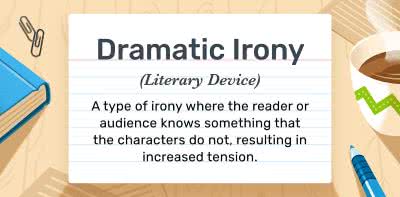
dramatic irony

/drəˌmæt.ɪk ˈaɪ.rə.ni/

(noun) 劇的皮肉

例:

The play uses dramatic irony when the audience knows the killer's identity, but the characters do not.
観客は殺人犯の正体を知っているが、登場人物は知らないという点で、この劇は劇的皮肉を使っている。

ending

/ˈen.dɪŋ/

(noun) 結末, 終わり, 語尾

例:

The movie had a surprising ending.
その映画は驚くべき結末だった。

euphemism

/ˈjuː.fə.mɪ.zəm/

(noun) 婉曲表現, 遠回しな言い方

例:

'Passed away' is a euphemism for 'died'.
「亡くなった」は「死んだ」の婉曲表現です。

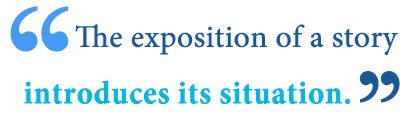
exposition

/ˌek.spəˈzɪʃ.ən/

(noun) 解説, 説明, 詳述

例:

The book provides a clear exposition of the author's philosophy.
その本は著者の哲学を明確に解説している。

flashback

/ˈflæʃ.bæk/

(noun) フラッシュバック, 回想, 回想シーン

例:

The smell of smoke triggered a flashback to his time in the war.
煙の匂いが、彼に戦争中のフラッシュバックを引き起こした。

foreshadowing

/fɔrˈʃæd·oʊ·ɪŋ, foʊr-/

(noun) 伏線, 予兆

例:

The dark clouds and distant thunder served as foreshadowing of the coming storm.
暗い雲と遠くの雷は、来るべき嵐の予兆として機能した。

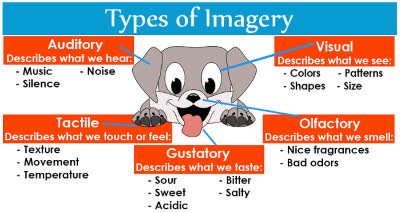
imagery

/ˈɪm.ə.dʒər.i/

(noun) イメージ, 心象, 画像

例:

The poet used vivid imagery to describe the sunset.
詩人は夕日を描写するために鮮やかなイメージを用いた。

irony

/ˈaɪ.rə.ni/

(noun) 皮肉, 逆説

例:

The irony of the situation was that the fire station burned down.
状況の皮肉は、消防署が燃え落ちたことだった。

juxtaposition

/ˌdʒʌk.stə.pəˈzɪʃ.ən/

(noun) 並置, 対比

例:

The artist used juxtaposition to highlight the differences between light and shadow.
その芸術家は光と影の違いを強調するために並置を用いた。

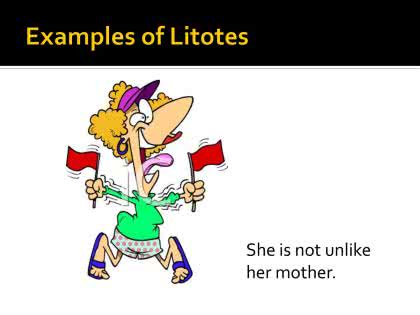
litotes

/ˈlaɪ.təʊ.tiːz/

(noun) リトテス, 控えめな表現

例:

The phrase "not bad" when describing a delicious meal is an example of litotes.
美味しい食事を表現する際の「悪くない」というフレーズは、リトテスの一例です。

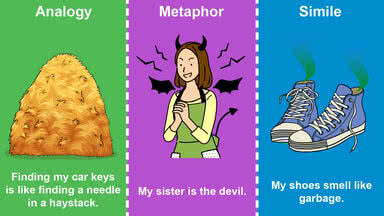
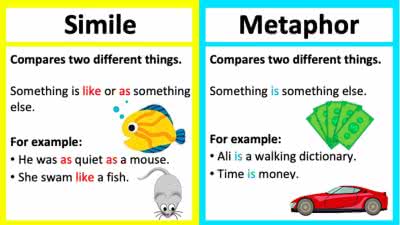
metaphor

/ˈmet̬.ə.fɔːr/

(noun) 比喩, 隠喩

例:

The phrase 'drowning in debt' is a common metaphor.
「借金漬け」というフレーズは一般的な比喩です。

metonymy

/məˈtɑː.nə.mi/

(noun) 換喩, メトニミー

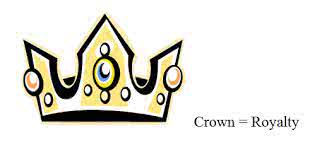
例:

The phrase 'the crown' is an example of metonymy, referring to the monarchy.
「王冠」というフレーズは、君主制を指す換喩の一例です。

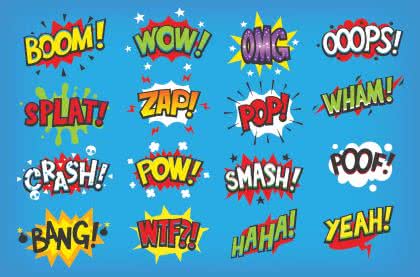
onomatopoeia

/ˌɑː.noʊˌmæt̬.oʊˈpiː.ə/

(noun) 擬音語, 擬声語

例:

The word 'buzz' is an example of onomatopoeia.
「buzz」という単語は擬音語の一例です。

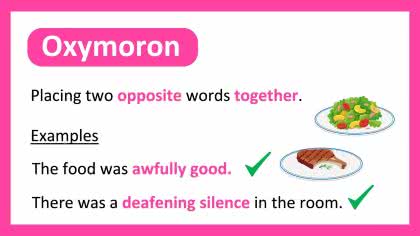
oxymoron

/ˌɑːk.sɪˈmɔːr.ɑːn/

(noun) 撞着語法, 矛盾語法

例:

The phrase 'jumbo shrimp' is a classic example of an oxymoron.
「ジャンボシュリンプ」というフレーズは、撞着語法の典型的な例です。

non sequitur

/ˌnɑːn ˈsek.wɪ.tʊr/

(noun) 論理の飛躍, 不合理な結論

例:

His argument was full of non sequiturs, making it hard to follow.
彼の議論は論理の飛躍だらけで、ついていくのが難しかった。

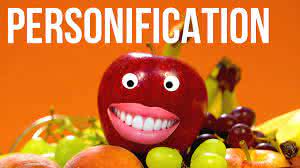
personification

/pɚˌsɑː.nə.fəˈkeɪ.ʃən/

(noun) 擬人化, 化身

例:

The wind whispered through the trees, a beautiful example of personification.
風が木々の間をささやいた、擬人化の美しい例だ。

plot

/plɑːt/

(noun) 陰謀, たくらみ, 筋書き;

(verb) 陰謀を企てる, たくらむ, 図に記す

例:

The police uncovered a plot to overthrow the government.
警察は政府転覆の陰謀を暴いた。

repetition

/ˌrep.əˈtɪʃ.ən/

(noun) 繰り返し, 反復

例:

The repetition of the main theme makes the song memorable.
主要なテーマの繰り返しがその歌を記憶に残るものにしている。

pathetic fallacy

/pəˌθet.ɪk ˈfæl.ə.si/

(noun) 感情移入の誤謬

例:

The author used pathetic fallacy to describe the angry storm.
著者は怒れる嵐を表現するために感情移入の誤謬を用いた。

satire

/ˈsæt.aɪr/

(noun) 風刺, 皮肉

例:

His latest novel is a biting satire on modern consumerism.
彼の最新の小説は、現代の消費主義に対する痛烈な風刺である。

point of view

/ˈpɔɪnt əv vjuː/

(noun) 視点, 見解

例:

From my point of view, the decision was fair.
私の視点からすると、その決定は公平でした。

sarcasm

/ˈsɑːr.kæz.əm/

(noun) 皮肉, 嫌味

例:

Her voice was full of sarcasm as she thanked him for his 'help'.
彼女の声は、彼の「助け」に感謝する際に皮肉に満ちていた。

simile

/ˈsɪm.ə.li/

(noun) 直喩

例:

The poet used a simile to describe the clouds as 'like cotton balls floating in the sky'.
詩人は雲を「空に浮かぶ綿の玉のよう」と表現するために直喩を用いた。

soliloquy

/səˈlɪl.ə.kwi/

(noun) 独白, モノローグ

例:

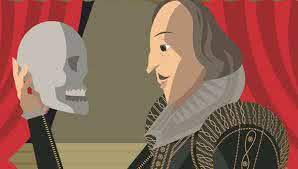
Hamlet's famous 'To be or not to be' is a classic example of a soliloquy.
ハムレットの有名な「生きるべきか死ぬべきか」は、独白の古典的な例です。

symbolism

/ˈsɪm.bə.lɪ.zəm/

(noun) 象徴主義, 象徴, 象徴主義 (芸術運動)

例:

The dove is a common symbolism for peace.
鳩は平和の一般的な象徴です。

spoonerism

/ˈspuːnərɪzəm/

(noun) スプーナリズム, 音位転換

例:

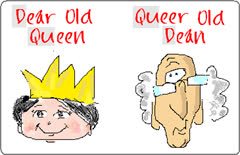
The professor was famous for his frequent spoonerisms, like saying 'Our queer old dean' instead of 'Our dear old queen'.
教授は「Our dear old queen」の代わりに「Our queer old dean」と言うなど、頻繁なスプーナリズムで有名だった。

synecdoche

/sɪˈnek.də.ki/

(noun) 提喩, シネクドキ

例:

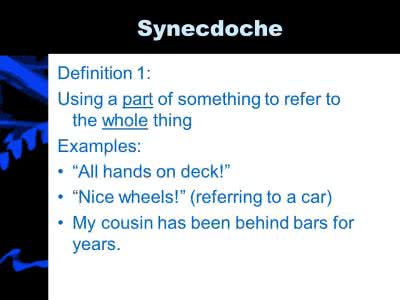
The phrase 'all hands on deck' is a synecdoche, where 'hands' refers to the sailors.
「all hands on deck(全員甲板へ)」というフレーズは提喩であり、「hands(手)」は船員を指します。

tautology

/tɑːˈtɑː.lə.dʒi/

(noun) トートロジー, 同語反復, 恒真式

例:

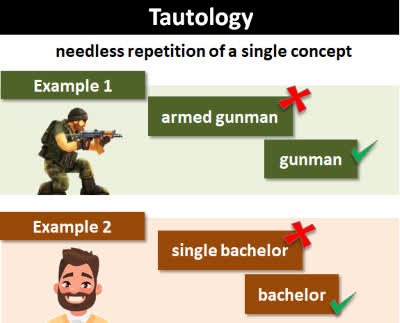
The phrase 'free gift' is a tautology because a gift is inherently free.
「無料の贈り物」というフレーズは、贈り物が本質的に無料であるため、トートロジーです。

theme

/θiːm/

(noun) テーマ, 主題, 旋律;

(verb) テーマにする, 主題とする

例:
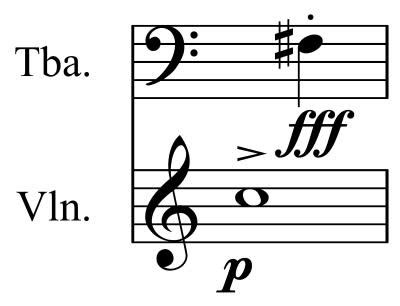
The main theme of the novel is love and loss.
小説の主なテーマは愛と喪失です。

tone

/toʊn/

(noun) 音色, 音調, 論調;

(verb) 調子を整える, 和らげる, 色調を整える

例:

The singer's voice had a beautiful, clear tone.
歌手の声は美しく、澄んだ音色を持っていた。

truism

/ˈtruː.ɪ.zəm/

(noun) 自明の理, 陳腐な言葉

例:

It's a truism that you can't please all the people all the time.
常にすべての人を喜ばせることはできないというのは自明の理だ。

setting

/ˈset̬.ɪŋ/

(noun) 舞台, 環境, 設定

例:

The movie's setting was a remote island.
映画の舞台は遠隔の島だった。

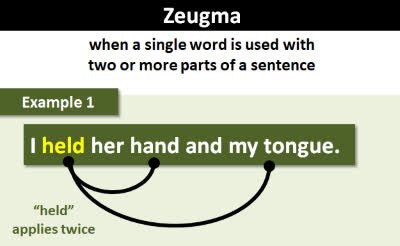
zeugma

/ˈzuːɡ.mə/

(noun) ゼウグマ, 懸詞法

例:

The sentence 'She broke his car and his heart' is an example of zeugma.
「彼女は彼の車と彼の心を壊した」という文はゼウグマの一例です。

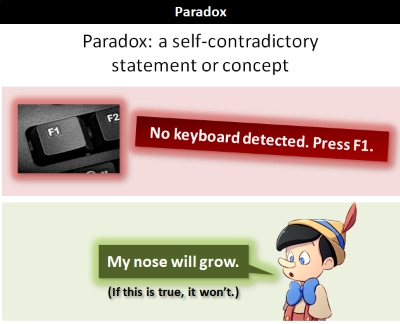
paradox

/ˈper.ə.dɑːks/

(noun) パラドックス, 逆説, 矛盾

例:

The statement "This statement is false" is a classic paradox.
「この文は偽である」という文は古典的なパラドックスです。
Lingolandでこの語彙セットを学習