Avatar of Vocabulary Set 문학적 장치 및 요소

언어 내 문학적 장치 및 요소 어휘 세트: 완전하고 상세한 목록

'언어' 내 '문학적 장치 및 요소' 어휘 세트는 국제 표준 교재 출처에서 엄선되어 짧은 시간 안에 어휘를 마스터할 수 있도록 도와줍니다. 정의, 예문, 표준 발음을 완벽하게 수록...

Lingoland에서 이 어휘 세트 학습하기

지금 학습하기
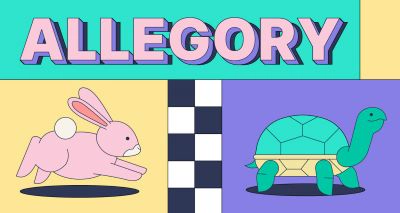
allegory

/ˈæl.ə.ɡɔːr.i/

(noun) 풍자, 우화

예시:

George Orwell's 'Animal Farm' is a famous allegory for the Russian Revolution.
조지 오웰의 '동물 농장'은 러시아 혁명에 대한 유명한 풍자이다.

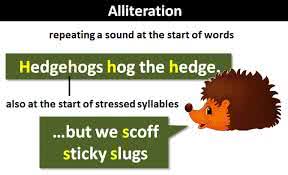
alliteration

/əˌlɪt̬.əˈreɪ.ʃən/

(noun) 두운

예시:

The poem used alliteration with the phrase 'slippery, slithering snake'.
그 시는 'slippery, slithering snake'라는 구절로 두운을 사용했다.

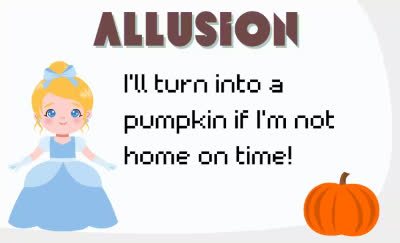
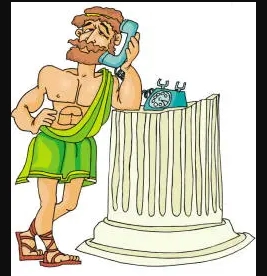
allusion

/əˈluː.ʒən/

(noun) 암시, 언급, 간접적인 언급

예시:

The poem contains an allusion to Greek mythology.
그 시에는 그리스 신화에 대한 암시가 포함되어 있다.

anachronism

/əˈnæk.rə.nɪ.zəm/

(noun) 시대착오, 시대에 뒤떨어진 것

예시:

The sword in the modern play was an anachronism.
현대극에 등장하는 검은 시대착오적이었다.

anthropomorphism

/ˌæn.θrə.pəˈmɔːr.fɪ.zəm/

(noun) 의인화

예시:

The ancient Greeks often depicted their gods with human emotions, a clear example of anthropomorphism.
고대 그리스인들은 종종 신들을 인간의 감정으로 묘사했는데, 이는 의인화의 명확한 예이다.

antithesis

/ænˈtɪθ.ə.sɪs/

(noun) 정반대, 대조

예시:

Love is the antithesis of hatred.
사랑은 증오의 정반대이다.

aphorism

/ˈæf.ɚ.ɪ.zəm/

(noun) 경구, 격언, 잠언

예시:

The book was full of wise aphorisms about life.
그 책은 삶에 대한 현명한 경구들로 가득했다.

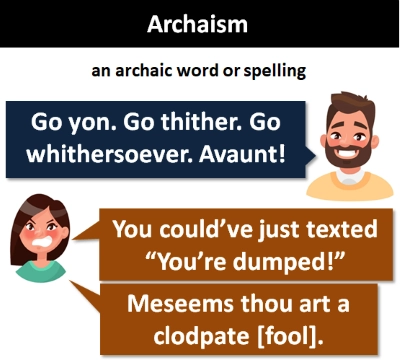
archaism

/ɑːrˈkeɪ.ɪ.zəm/

(noun) 고어, 옛말, 고풍스러운 양식

예시:

The poem was full of archaism, making it difficult for modern readers to understand.
그 시는 고어로 가득 차 있어 현대 독자들이 이해하기 어려웠다.

archetype

/ˈɑːr.kə.taɪp/

(noun) 원형, 전형, 원형 (융 심리학)

예시:

He is the archetype of the successful entrepreneur.
그는 성공한 기업가의 전형이다.

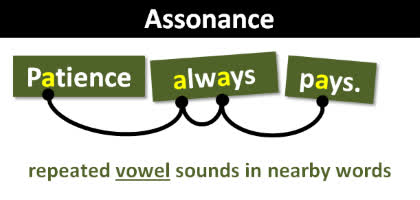
assonance

/ˈæs.ən.əns/

(noun) 모음 반복, 유사 모음

예시:

The poem used assonance with the repeated 'o' sound in 'old' and 'cold'.
그 시는 'old'와 'cold'에서 'o' 소리를 반복하여 모음 반복을 사용했다.

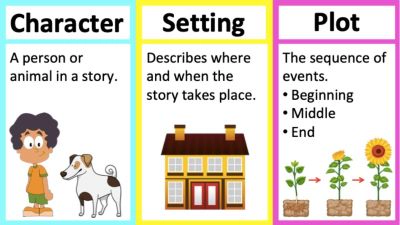
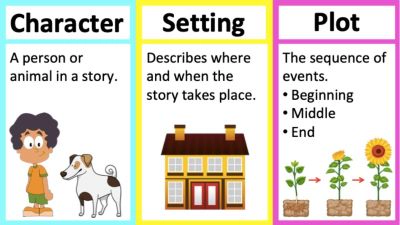
character

/ˈker.ək.tɚ/

(noun) 성격, 인격, 등장인물

예시:

He has a strong character.
그는 강한 성격을 가지고 있다.

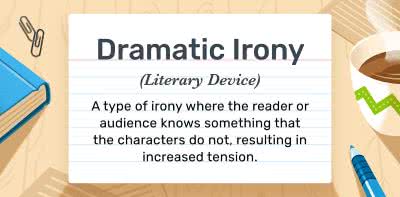
dramatic irony

/drəˌmæt.ɪk ˈaɪ.rə.ni/

(noun) 극적 아이러니

예시:

The play uses dramatic irony when the audience knows the killer's identity, but the characters do not.
관객은 살인자의 정체를 알지만 등장인물들은 모를 때, 이 연극은 극적 아이러니를 사용한다.

ending

/ˈen.dɪŋ/

(noun) 결말, 끝, 어미

예시:

The movie had a surprising ending.
그 영화는 놀라운 결말을 가지고 있었다.

euphemism

/ˈjuː.fə.mɪ.zəm/

(noun) 완곡어법, 완곡한 표현

예시:

'Passed away' is a euphemism for 'died'.
'돌아가셨다'는 '죽었다'의 완곡어법이다.

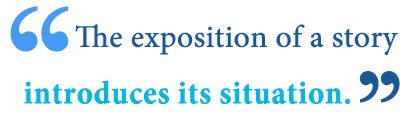
exposition

/ˌek.spəˈzɪʃ.ən/

(noun) 설명, 해설, 논증

예시:

The book provides a clear exposition of the author's philosophy.
그 책은 저자의 철학에 대한 명확한 설명을 제공한다.

flashback

/ˈflæʃ.bæk/

(noun) 플래시백, 회상, 회상 장면

예시:

The smell of smoke triggered a flashback to his time in the war.
연기 냄새가 그에게 전쟁 당시의 플래시백을 불러일으켰다.

foreshadowing

/fɔrˈʃæd·oʊ·ɪŋ, foʊr-/

(noun) 복선, 전조

예시:

The dark clouds and distant thunder served as foreshadowing of the coming storm.
어두운 구름과 멀리서 들리는 천둥은 다가올 폭풍의 전조 역할을 했다.

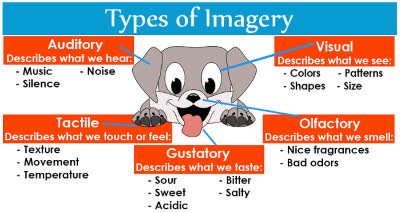
imagery

/ˈɪm.ə.dʒər.i/

(noun) 심상, 이미지, 영상

예시:

The poet used vivid imagery to describe the sunset.
시인은 생생한 심상을 사용하여 일몰을 묘사했다.

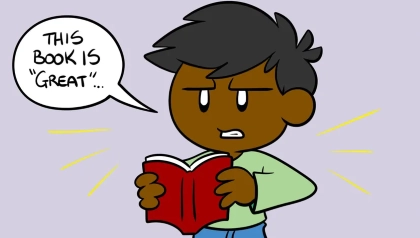
irony

/ˈaɪ.rə.ni/

(noun) 아이러니, 반어법, 역설

예시:

The irony of the situation was that the fire station burned down.
상황의 아이러니는 소방서가 불에 탔다는 것이었다.

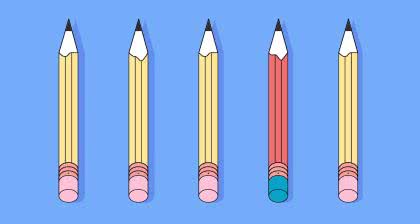
juxtaposition

/ˌdʒʌk.stə.pəˈzɪʃ.ən/

(noun) 병치, 대조

예시:

The artist used juxtaposition to highlight the differences between light and shadow.
그 예술가는 빛과 그림자의 차이를 강조하기 위해 병치를 사용했다.

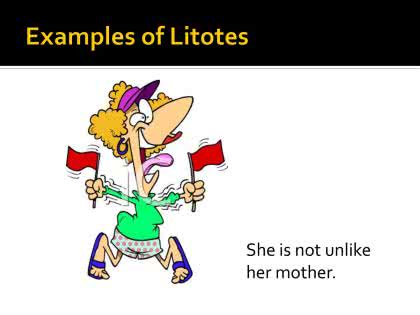
litotes

/ˈlaɪ.təʊ.tiːz/

(noun) 리토테스, 완곡어법

예시:

The phrase "not bad" when describing a delicious meal is an example of litotes.
맛있는 식사를 묘사할 때 "나쁘지 않다"는 표현은 리토테스의 한 예이다.

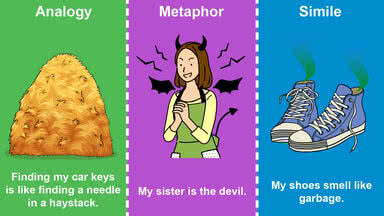
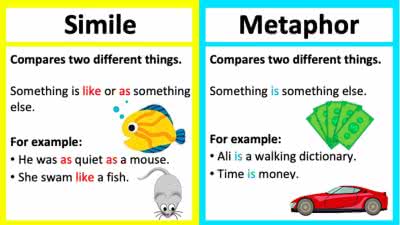
metaphor

/ˈmet̬.ə.fɔːr/

(noun) 은유, 비유

예시:

The phrase 'drowning in debt' is a common metaphor.
'빚더미에 깔리다'는 흔한 은유이다.

metonymy

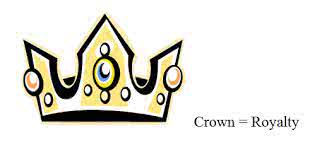
/məˈtɑː.nə.mi/

(noun) 환유

예시:

The phrase 'the crown' is an example of metonymy, referring to the monarchy.
'왕관'이라는 구절은 군주제를 지칭하는 환유의 한 예입니다.

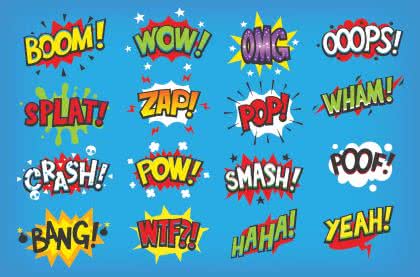
onomatopoeia

/ˌɑː.noʊˌmæt̬.oʊˈpiː.ə/

(noun) 의성어, 의태어

예시:

The word 'buzz' is an example of onomatopoeia.
'buzz'라는 단어는 의성어의 한 예입니다.

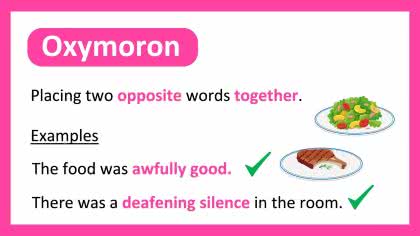
oxymoron

/ˌɑːk.sɪˈmɔːr.ɑːn/

(noun) 모순어법, 모순형용

예시:

The phrase 'jumbo shrimp' is a classic example of an oxymoron.
'점보 새우'라는 문구는 모순어법의 전형적인 예입니다.

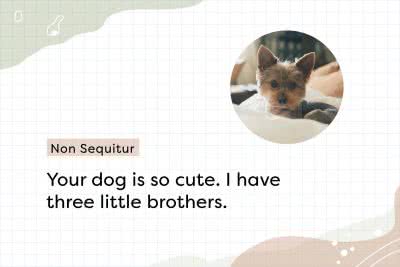
non sequitur

/ˌnɑːn ˈsek.wɪ.tʊr/

(noun) 논리적 비약, 비논리적 결론

예시:

His argument was full of non sequiturs, making it hard to follow.
그의 주장은 논리적 비약으로 가득 차 있어 따라가기 어려웠다.

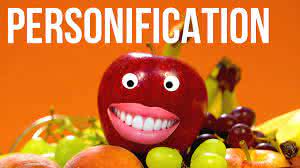
personification

/pɚˌsɑː.nə.fəˈkeɪ.ʃən/

(noun) 의인화, 화신

예시:

The wind whispered through the trees, a beautiful example of personification.
바람이 나무들 사이로 속삭였다, 의인화의 아름다운 예시이다.

plot

/plɑːt/

(noun) 음모, 계략, 줄거리;

(verb) 음모를 꾸미다, 계획하다, 표시하다

예시:
The police uncovered a plot to overthrow the government.
경찰은 정부 전복 음모를 밝혀냈다.

repetition

/ˌrep.əˈtɪʃ.ən/

(noun) 반복

예시:

The repetition of the main theme makes the song memorable.
주요 테마의 반복이 노래를 기억에 남게 한다.

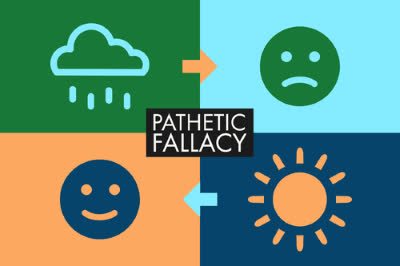
pathetic fallacy

/pəˌθet.ɪk ˈfæl.ə.si/

(noun) 감정 이입의 오류

예시:

The author used pathetic fallacy to describe the angry storm.
작가는 성난 폭풍을 묘사하기 위해 감정 이입의 오류를 사용했다.

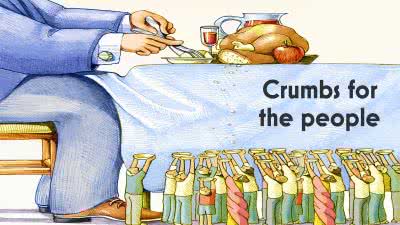
satire

/ˈsæt.aɪr/

(noun) 풍자, 비꼼

예시:

His latest novel is a biting satire on modern consumerism.
그의 최신 소설은 현대 소비주의에 대한 날카로운 풍자이다.

point of view

/ˈpɔɪnt əv vjuː/

(noun) 관점, 견해

예시:

From my point of view, the decision was fair.
관점에서 보면, 그 결정은 공정했다.

sarcasm

/ˈsɑːr.kæz.əm/

(noun) 비꼬는 말, 풍자

예시:

Her voice was full of sarcasm as she thanked him for his 'help'.
그녀의 목소리는 그의 '도움'에 감사할 때 비꼬는 투였다.

simile

/ˈsɪm.ə.li/

(noun) 직유

예시:

The poet used a simile to describe the clouds as 'like cotton balls floating in the sky'.
시인은 구름을 '하늘에 떠다니는 솜뭉치처럼' 묘사하기 위해 직유를 사용했다.

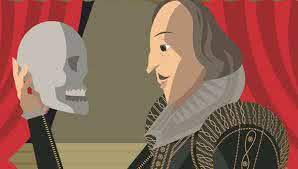
soliloquy

/səˈlɪl.ə.kwi/

(noun) 독백, 모놀로그

예시:

Hamlet's famous 'To be or not to be' is a classic example of a soliloquy.
햄릿의 유명한 '죽느냐 사느냐'는 독백의 고전적인 예이다.

symbolism

/ˈsɪm.bə.lɪ.zəm/

(noun) 상징주의, 상징, 상징주의 (예술 운동)

예시:

The dove is a common symbolism for peace.
비둘기는 평화의 흔한 상징이다.

spoonerism

/ˈspuːnərɪzəm/

(noun) 스푸너리즘, 음운 전도

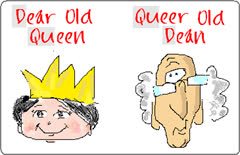
예시:

The professor was famous for his frequent spoonerisms, like saying 'Our queer old dean' instead of 'Our dear old queen'.
교수는 'Our dear old queen' 대신 'Our queer old dean'이라고 말하는 등 잦은 스푸너리즘으로 유명했다.

synecdoche

/sɪˈnek.də.ki/

(noun) 환유

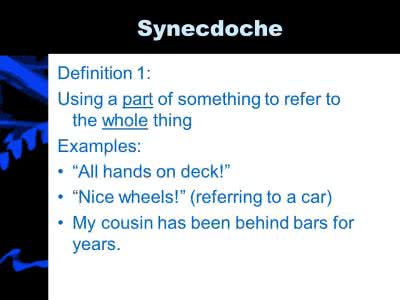
예시:

The phrase 'all hands on deck' is a synecdoche, where 'hands' refers to the sailors.
'all hands on deck'라는 구절은 '손'이 선원들을 의미하는 환유이다.

tautology

/tɑːˈtɑː.lə.dʒi/

(noun) 동어 반복, 유의어 반복, 항진 명제

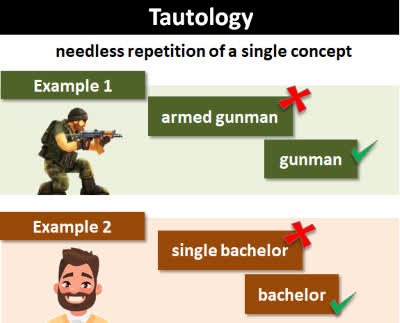
예시:

The phrase 'free gift' is a tautology because a gift is inherently free.
'무료 선물'이라는 문구는 선물이 본질적으로 무료이기 때문에 동어 반복입니다.

theme

/θiːm/

(noun) 주제, 테마, 멜로디;

(verb) 테마로 하다, 주제로 삼다

예시:
The main theme of the novel is love and loss.
소설의 주요 주제는 사랑과 상실이다.

tone

/toʊn/

(noun) 음색, 음조, 어조;

(verb) 어조를 맞추다, 누그러뜨리다, 조절하다

예시:

The singer's voice had a beautiful, clear tone.
가수의 목소리는 아름답고 맑은 음색을 가지고 있었다.

truism

/ˈtruː.ɪ.zəm/

(noun) 자명한 이치, 뻔한 말

예시:

It's a truism that you can't please all the people all the time.
모든 사람을 항상 만족시킬 수는 없다는 것은 자명한 이치이다.

setting

/ˈset̬.ɪŋ/

(noun) 배경, 환경, 설정

예시:

The movie's setting was a remote island.
영화의 배경은 외딴 섬이었다.

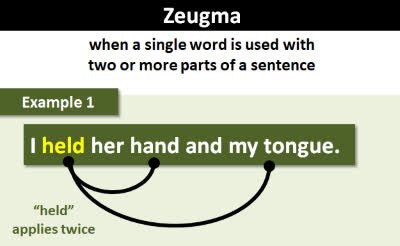
zeugma

/ˈzuːɡ.mə/

(noun) 제우그마, 동어반복

예시:

The sentence 'She broke his car and his heart' is an example of zeugma.
'그녀는 그의 차와 그의 마음을 부쉈다'는 문장은 제우그마의 한 예이다.

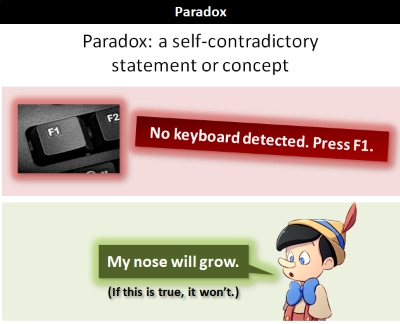
paradox

/ˈper.ə.dɑːks/

(noun) 역설, 모순

예시:

The statement "This statement is false" is a classic paradox.
“이 문장은 거짓이다”라는 진술은 고전적인 역설이다.
Lingoland에서 이 어휘 세트 학습하기