
Literary Devices and Elements Vocabulary Set in Language: Full and Detailed List
The 'Literary Devices and Elements' vocabulary set in 'Language' is carefully selected from standard international textbook sources, helping you master vocabulary in a short time. Comprehensive compilation of definitions, illustrative examples, and standard pronunciation...
Learn this vocabulary set on Lingoland
Learn Now
/ˈæl.ə.ɡɔːr.i/
Example:
George Orwell's 'Animal Farm' is a famous allegory for the Russian Revolution.
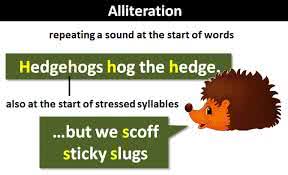
/əˌlɪt̬.əˈreɪ.ʃən/
Example:
The poem used alliteration with the phrase 'slippery, slithering snake'.
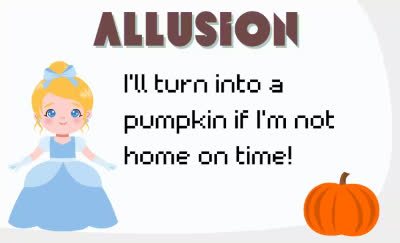
/əˈluː.ʒən/
Example:
The poem contains an allusion to Greek mythology.
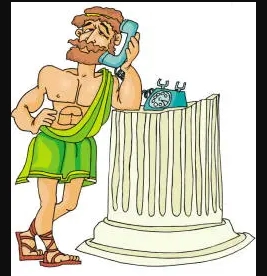
/əˈnæk.rə.nɪ.zəm/
Example:
The sword in the modern play was an anachronism.

/ˌæn.θrə.pəˈmɔːr.fɪ.zəm/
Example:
The ancient Greeks often depicted their gods with human emotions, a clear example of anthropomorphism.

/ænˈtɪθ.ə.sɪs/
Example:
Love is the antithesis of hatred.

/ˈæf.ɚ.ɪ.zəm/
Example:
The book was full of wise aphorisms about life.
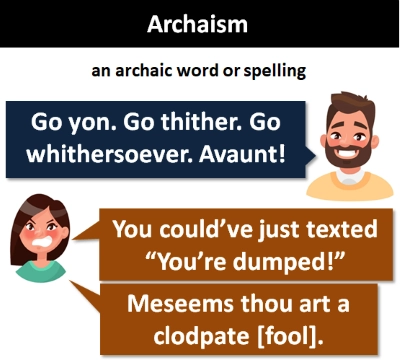
/ɑːrˈkeɪ.ɪ.zəm/
Example:
The poem was full of archaism, making it difficult for modern readers to understand.

/ˈɑːr.kə.taɪp/
Example:
He is the archetype of the successful entrepreneur.
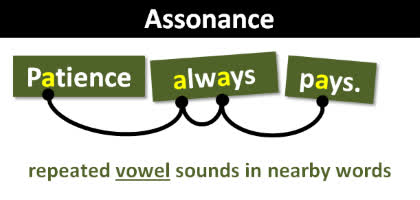
/ˈæs.ən.əns/
Example:
The poem used assonance with the repeated 'o' sound in 'old' and 'cold'.

/ˈker.ək.tɚ/
Example:
He has a strong character.
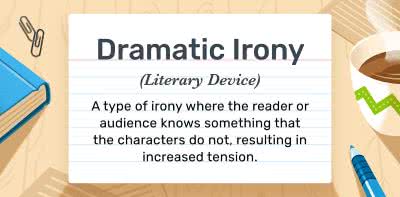
/drəˌmæt.ɪk ˈaɪ.rə.ni/
Example:
The play uses dramatic irony when the audience knows the killer's identity, but the characters do not.
/ˈen.dɪŋ/
Example:
The movie had a surprising ending.

/ˈjuː.fə.mɪ.zəm/
Example:
'Passed away' is a euphemism for 'died'.
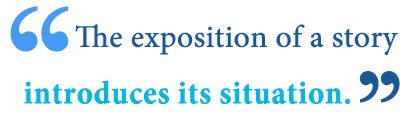
/ˌek.spəˈzɪʃ.ən/
Example:
The book provides a clear exposition of the author's philosophy.
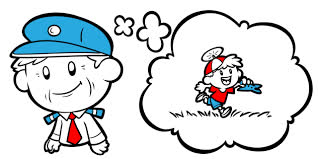
/ˈflæʃ.bæk/
Example:
The smell of smoke triggered a flashback to his time in the war.

/fɔrˈʃæd·oʊ·ɪŋ, foʊr-/
Example:
The dark clouds and distant thunder served as foreshadowing of the coming storm.
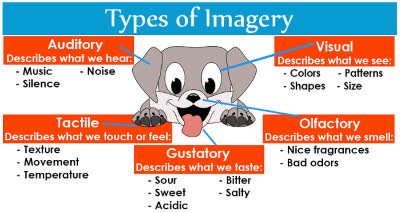
/ˈɪm.ə.dʒər.i/
Example:
The poet used vivid imagery to describe the sunset.

/ˈaɪ.rə.ni/
Example:
The irony of the situation was that the fire station burned down.
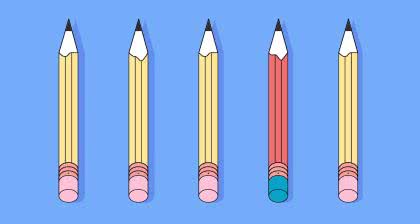
/ˌdʒʌk.stə.pəˈzɪʃ.ən/
Example:
The artist used juxtaposition to highlight the differences between light and shadow.
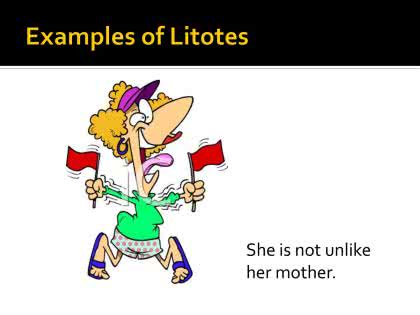
/ˈlaɪ.təʊ.tiːz/
Example:
The phrase "not bad" when describing a delicious meal is an example of litotes.
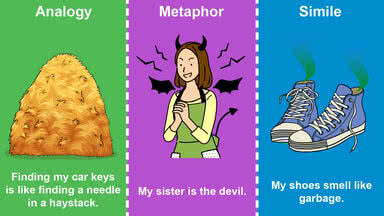
/ˈmet̬.ə.fɔːr/
Example:
The phrase 'drowning in debt' is a common metaphor.
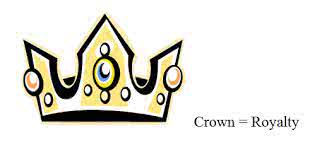
/məˈtɑː.nə.mi/
Example:
The phrase 'the crown' is an example of metonymy, referring to the monarchy.
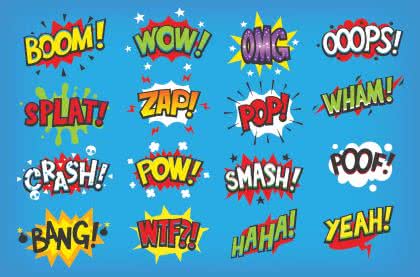
/ˌɑː.noʊˌmæt̬.oʊˈpiː.ə/
Example:
The word 'buzz' is an example of onomatopoeia.
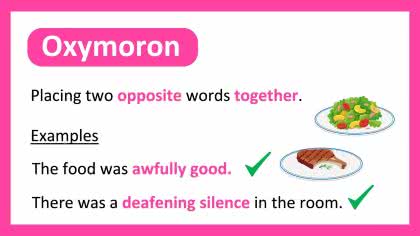
/ˌɑːk.sɪˈmɔːr.ɑːn/
Example:
The phrase 'jumbo shrimp' is a classic example of an oxymoron.

/ˌnɑːn ˈsek.wɪ.tʊr/
Example:
His argument was full of non sequiturs, making it hard to follow.
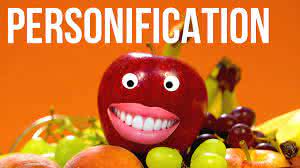
/pɚˌsɑː.nə.fəˈkeɪ.ʃən/
Example:
The wind whispered through the trees, a beautiful example of personification.
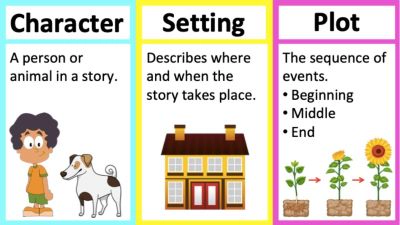
/plɑːt/
Example:
The police uncovered a plot to overthrow the government.
/ˌrep.əˈtɪʃ.ən/
Example:
The repetition of the main theme makes the song memorable.
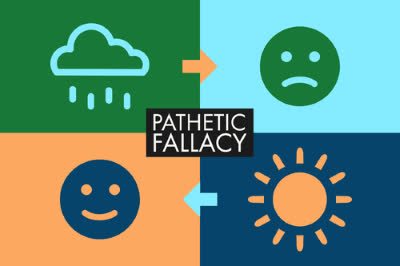
/pəˌθet.ɪk ˈfæl.ə.si/
Example:
The author used pathetic fallacy to describe the angry storm.
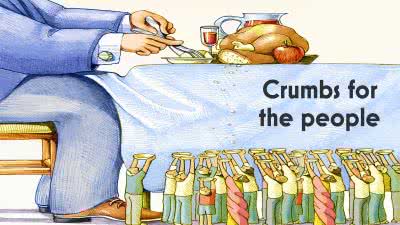
/ˈsæt.aɪr/
Example:
His latest novel is a biting satire on modern consumerism.
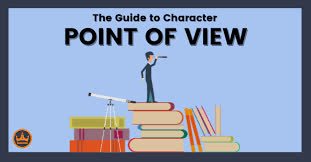
/ˈpɔɪnt əv vjuː/
Example:
From my point of view, the decision was fair.

/ˈsɑːr.kæz.əm/
Example:
Her voice was full of sarcasm as she thanked him for his 'help'.
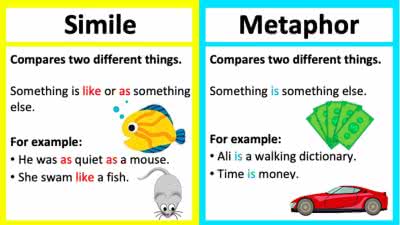
/ˈsɪm.ə.li/
Example:
The poet used a simile to describe the clouds as 'like cotton balls floating in the sky'.
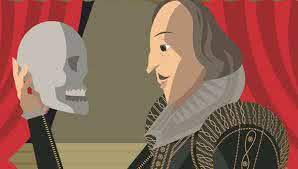
/səˈlɪl.ə.kwi/
Example:
Hamlet's famous 'To be or not to be' is a classic example of a soliloquy.

/ˈsɪm.bə.lɪ.zəm/
Example:
The dove is a common symbolism for peace.
/ˈspuːnərɪzəm/
Example:
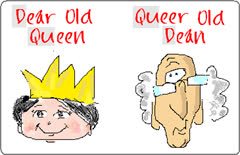
The professor was famous for his frequent spoonerisms, like saying 'Our queer old dean' instead of 'Our dear old queen'.
/sɪˈnek.də.ki/
Example:
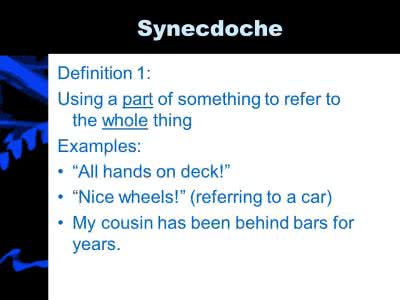
The phrase 'all hands on deck' is a synecdoche, where 'hands' refers to the sailors.
/tɑːˈtɑː.lə.dʒi/
Example:
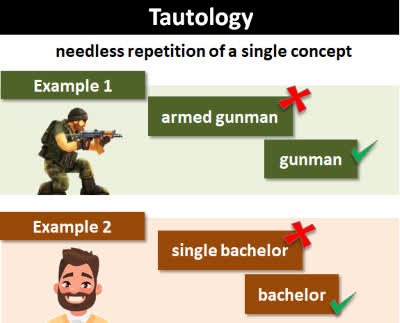
The phrase 'free gift' is a tautology because a gift is inherently free.

/θiːm/
Example:
The main theme of the novel is love and loss.
/toʊn/
Example:
The singer's voice had a beautiful, clear tone.

/ˈtruː.ɪ.zəm/
Example:
It's a truism that you can't please all the people all the time.
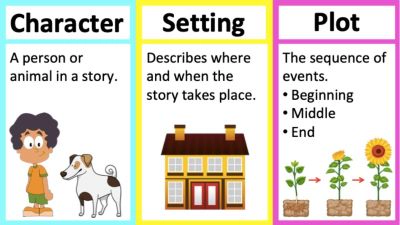
/ˈset̬.ɪŋ/
Example:
The movie's setting was a remote island.
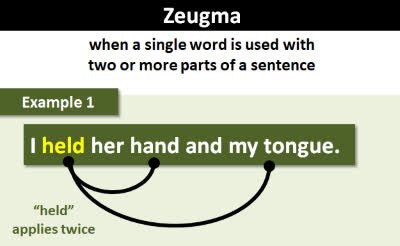
/ˈzuːɡ.mə/
Example:
The sentence 'She broke his car and his heart' is an example of zeugma.
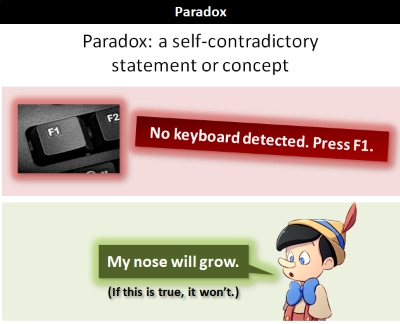
/ˈper.ə.dɑːks/
Example:
The statement "This statement is false" is a classic paradox.