Avatar of Vocabulary Set 文學手法與元素

詞彙集 文學手法與元素(屬於 語言):完整且詳細的清單

詞彙集「文學手法與元素」(屬於「語言」)從國際標準教材來源精心挑選,幫助您在短時間內掌握詞彙。全面彙整定義、例句及標準發音…

在 Lingoland 學習此詞彙集

立即學習
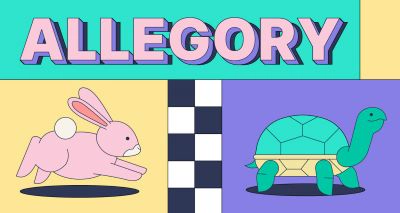
allegory

/ˈæl.ə.ɡɔːr.i/

(noun) 寓言, 諷喻

範例:

George Orwell's 'Animal Farm' is a famous allegory for the Russian Revolution.
喬治·奧威爾的《動物莊園》是俄國革命的一個著名寓言

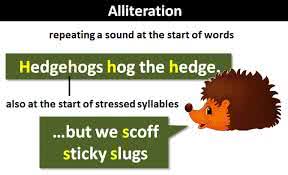
alliteration

/əˌlɪt̬.əˈreɪ.ʃən/

(noun) 頭韻

範例:

The poem used alliteration with the phrase 'slippery, slithering snake'.
這首詩用“slippery, slithering snake”這個短語來表現頭韻

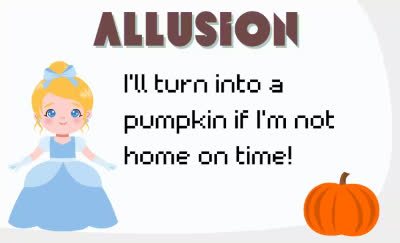
allusion

/əˈluː.ʒən/

(noun) 典故, 暗指, 影射

範例:

The poem contains an allusion to Greek mythology.
這首詩中包含對希臘神話的典故

anachronism

/əˈnæk.rə.nɪ.zəm/

(noun) 時代錯誤, 不合時宜的事物

範例:

The sword in the modern play was an anachronism.
現代劇中的劍是一個時代錯誤

anthropomorphism

/ˌæn.θrə.pəˈmɔːr.fɪ.zəm/

(noun) 擬人化

範例:

The ancient Greeks often depicted their gods with human emotions, a clear example of anthropomorphism.
古希臘人經常將人類情感賦予他們的神,這是擬人化的明顯例子。

antithesis

/ænˈtɪθ.ə.sɪs/

(noun) 對立面, 截然相反的事物, 相反

範例:

Love is the antithesis of hatred.
愛是恨的對立面

aphorism

/ˈæf.ɚ.ɪ.zəm/

(noun) 格言, 警句, 箴言

範例:

The book was full of wise aphorisms about life.
這本書充滿了關於生活的智慧格言

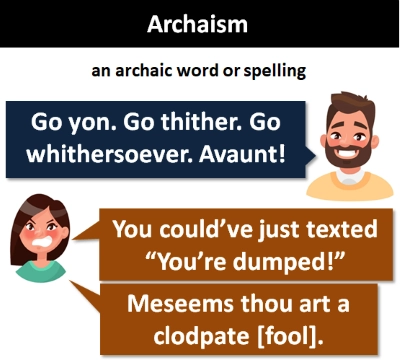
archaism

/ɑːrˈkeɪ.ɪ.zəm/

(noun) 古語, 古詞, 仿古風格

範例:

The poem was full of archaism, making it difficult for modern readers to understand.
這首詩充滿了古語,使現代讀者難以理解。

archetype

/ˈɑːr.kə.taɪp/

(noun) 原型, 典型, 原型 (榮格心理學)

範例:

He is the archetype of the successful entrepreneur.
他是成功企業家的典型

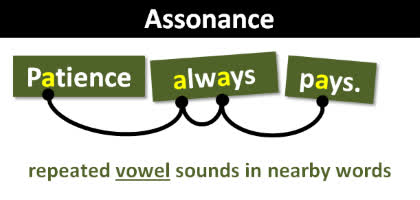
assonance

/ˈæs.ən.əns/

(noun) 半韻, 元音韻

範例:

The poem used assonance with the repeated 'o' sound in 'old' and 'cold'.
這首詩在“old”和“cold”中重複“o”音,使用了半韻

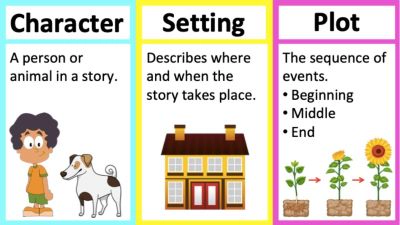
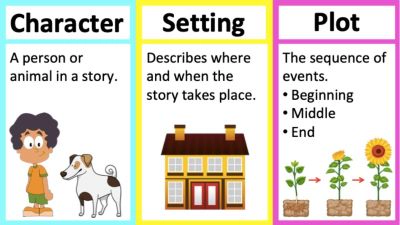
character

/ˈker.ək.tɚ/

(noun) 性格, 品格, 角色

範例:

He has a strong character.
他有很強的性格

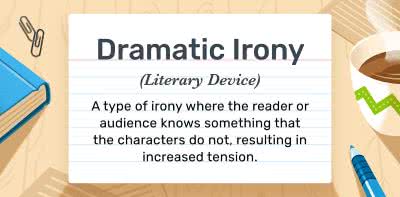
dramatic irony

/drəˌmæt.ɪk ˈaɪ.rə.ni/

(noun) 戲劇性反諷

範例:

The play uses dramatic irony when the audience knows the killer's identity, but the characters do not.
當觀眾知道兇手的身份而劇中人物不知道時,這部劇運用了戲劇性反諷

ending

/ˈen.dɪŋ/

(noun) 結局, 結尾, 詞尾

範例:

The movie had a surprising ending.
這部電影有一個令人驚訝的結局

euphemism

/ˈjuː.fə.mɪ.zəm/

(noun) 委婉語, 婉辭

範例:

'Passed away' is a euphemism for 'died'.
「去世」是「死亡」的委婉語

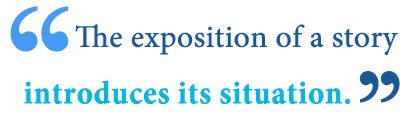
exposition

/ˌek.spəˈzɪʃ.ən/

(noun) 闡述, 解釋, 說明

範例:

The book provides a clear exposition of the author's philosophy.
這本書對作者的哲學進行了清晰的闡述

flashback

/ˈflæʃ.bæk/

(noun) 閃回, 倒敘

範例:

The smell of smoke triggered a flashback to his time in the war.
煙味勾起了他對戰爭時期的閃回

foreshadowing

/fɔrˈʃæd·oʊ·ɪŋ, foʊr-/

(noun) 伏筆, 預示

範例:

The dark clouds and distant thunder served as foreshadowing of the coming storm.
烏雲和遠處的雷聲預示著即將到來的風暴。

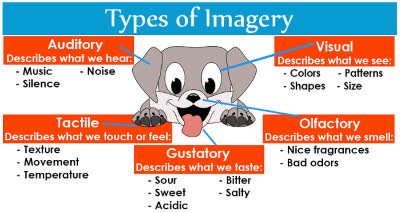
imagery

/ˈɪm.ə.dʒər.i/

(noun) 意象, 形象, 圖像

範例:

The poet used vivid imagery to describe the sunset.
詩人運用生動的意象來描繪日落。

irony

/ˈaɪ.rə.ni/

(noun) 反語, 諷刺, 反諷

範例:

The irony of the situation was that the fire station burned down.
情況的諷刺之處在於消防局被燒毀了。

juxtaposition

/ˌdʒʌk.stə.pəˈzɪʃ.ən/

(noun) 並置, 並列

範例:

The artist used juxtaposition to highlight the differences between light and shadow.
藝術家運用並置來突出光影之間的差異。

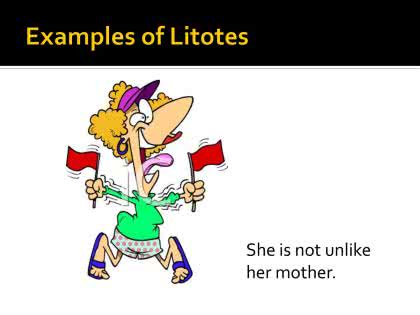
litotes

/ˈlaɪ.təʊ.tiːz/

(noun) 反語, 低調陳述

範例:

The phrase "not bad" when describing a delicious meal is an example of litotes.
在描述美味餐點時,短語「不賴」是反語的一個例子。

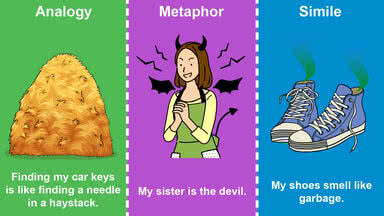
metaphor

/ˈmet̬.ə.fɔːr/

(noun) 隱喻, 暗喻

範例:

The phrase 'drowning in debt' is a common metaphor.
「債台高築」是一個常見的隱喻

metonymy

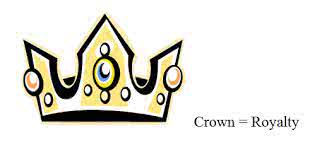
/məˈtɑː.nə.mi/

(noun) 轉喻

範例:

The phrase 'the crown' is an example of metonymy, referring to the monarchy.
「王冠」這個短語是轉喻的一個例子,指代君主制。

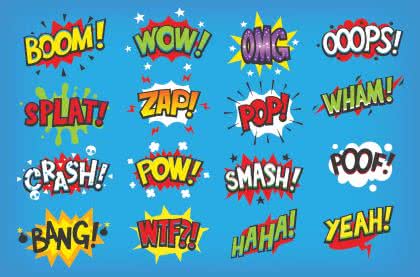
onomatopoeia

/ˌɑː.noʊˌmæt̬.oʊˈpiː.ə/

(noun) 擬聲詞, 象聲詞

範例:

The word 'buzz' is an example of onomatopoeia.
“嗡嗡”這個詞是擬聲詞的一個例子。

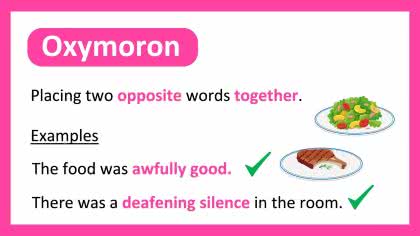
oxymoron

/ˌɑːk.sɪˈmɔːr.ɑːn/

(noun) 矛盾修辭法, 反義詞並列

範例:

The phrase 'jumbo shrimp' is a classic example of an oxymoron.
「巨型蝦」這個短語是矛盾修辭法的經典例子。

non sequitur

/ˌnɑːn ˈsek.wɪ.tʊr/

(noun) 不合邏輯的推論, 不相干的結論

範例:

His argument was full of non sequiturs, making it hard to follow.
他的論點充滿了不合邏輯的推論,讓人難以理解。

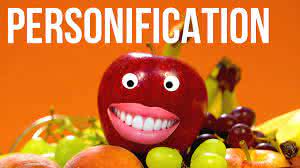
personification

/pɚˌsɑː.nə.fəˈkeɪ.ʃən/

(noun) 擬人化, 化身, 典型

範例:

The wind whispered through the trees, a beautiful example of personification.
風在樹林中低語,這是擬人化的一個美麗例子。

plot

/plɑːt/

(noun) 陰謀, 密謀, 情節;

(verb) 密謀, 策劃, 繪製

範例:
The police uncovered a plot to overthrow the government.
警方破獲了一起推翻政府的陰謀

repetition

/ˌrep.əˈtɪʃ.ən/

(noun) 重複, 反覆

範例:

The repetition of the main theme makes the song memorable.
主旋律的重複使這首歌令人難忘。

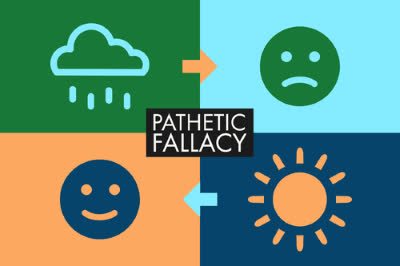
pathetic fallacy

/pəˌθet.ɪk ˈfæl.ə.si/

(noun) 感傷的謬誤

範例:

The author used pathetic fallacy to describe the angry storm.
作者運用感傷的謬誤來描繪憤怒的暴風雨。

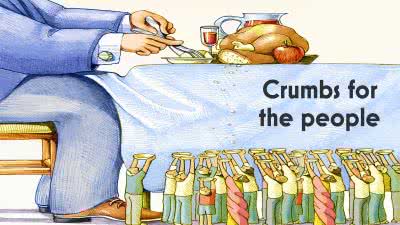
satire

/ˈsæt.aɪr/

(noun) 諷刺, 挖苦

範例:

His latest novel is a biting satire on modern consumerism.
他的最新小說是對現代消費主義的辛辣諷刺

point of view

/ˈpɔɪnt əv vjuː/

(noun) 觀點, 看法

範例:

From my point of view, the decision was fair.
從我的角度來看,這個決定是公平的。

sarcasm

/ˈsɑːr.kæz.əm/

(noun) 諷刺, 挖苦

範例:

Her voice was full of sarcasm as she thanked him for his 'help'.
她感謝他的“幫助”時,聲音裡充滿了諷刺

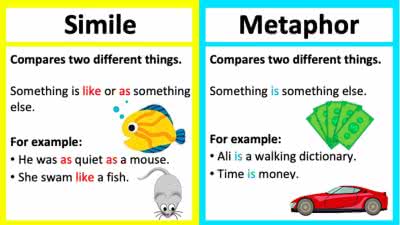
simile

/ˈsɪm.ə.li/

(noun) 明喻

範例:

The poet used a simile to describe the clouds as 'like cotton balls floating in the sky'.
詩人使用明喻將雲描述為「像棉花糖一樣漂浮在空中」。

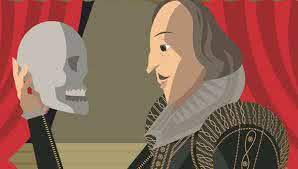
soliloquy

/səˈlɪl.ə.kwi/

(noun) 獨白, 自言自語

範例:

Hamlet's famous 'To be or not to be' is a classic example of a soliloquy.
哈姆雷特著名的“生存還是毀滅”是獨白的經典例子。

symbolism

/ˈsɪm.bə.lɪ.zəm/

(noun) 象徵主義, 象徵意義, 象徵主義 (藝術運動)

範例:

The dove is a common symbolism for peace.
鴿子是和平的常見象徵

spoonerism

/ˈspuːnərɪzəm/

(noun) 首音誤置, 斯普納語

範例:

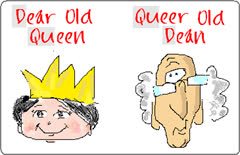
The professor was famous for his frequent spoonerisms, like saying 'Our queer old dean' instead of 'Our dear old queen'.
這位教授以其頻繁的首音誤置而聞名,例如將「Our dear old queen」說成「Our queer old dean」。

synecdoche

/sɪˈnek.də.ki/

(noun) 提喻, 部分代整體

範例:

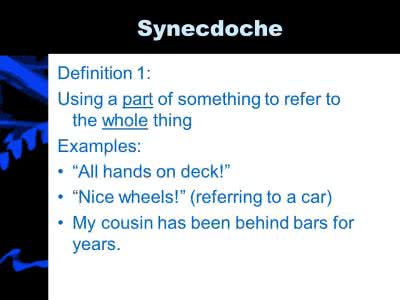
The phrase 'all hands on deck' is a synecdoche, where 'hands' refers to the sailors.
「all hands on deck」(全體船員就位)這個短語是一個提喻,其中「hands」(手)指代水手。

tautology

/tɑːˈtɑː.lə.dʒi/

(noun) 同義反覆, 贅述, 重言式

範例:

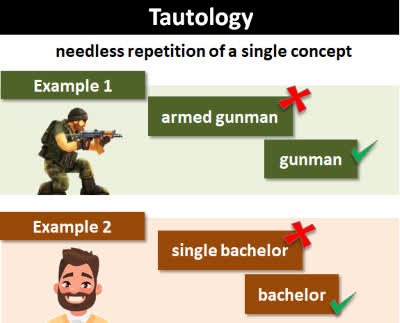
The phrase 'free gift' is a tautology because a gift is inherently free.
「免費贈品」這個短語是同義反覆,因為禮物本身就是免費的。

theme

/θiːm/

(noun) 主題, 題目, 主題曲;

(verb) 以...為主題, 定主題

範例:
The main theme of the novel is love and loss.
小說的主要主題是愛與失落。

tone

/toʊn/

(noun) 音色, 音調, 基調;

(verb) 定調, 緩和, 調整

範例:

The singer's voice had a beautiful, clear tone.
歌手的聲音有美妙、清晰的音色

truism

/ˈtruː.ɪ.zəm/

(noun) 老生常談, 自明之理

範例:

It's a truism that you can't please all the people all the time.
“你不可能一直取悅所有人”是一個老生常談

setting

/ˈset̬.ɪŋ/

(noun) 背景, 環境, 地點

範例:

The movie's setting was a remote island.
電影的背景是一個偏遠的島嶼。

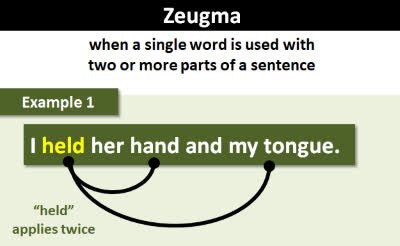
zeugma

/ˈzuːɡ.mə/

(noun) 軛式修辭

範例:

The sentence 'She broke his car and his heart' is an example of zeugma.
句子「她弄壞了他的車和他的心」是軛式修辭的一個例子。

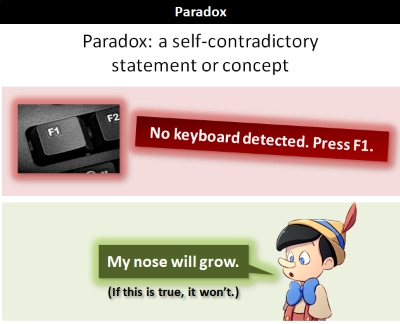
paradox

/ˈper.ə.dɑːks/

(noun) 悖論, 反論, 矛盾體

範例:

The statement "This statement is false" is a classic paradox.
「這句話是假的」是一個經典的悖論
在 Lingoland 學習此詞彙集