
意思決定と制御 内 優柔不断 語彙セット:完全かつ詳細なリスト
「意思決定と制御」内の「優柔不断」語彙セットは国際標準教材から厳選され、短期間で語彙をマスターできます。定義、例文、標準発音を網羅…
Lingolandでこの語彙セットを学習
今すぐ学習
/ʌp ɪn ðə ɛr/
(idiom) 未定, 不確実
例:
Our travel plans are still up in the air.
私たちの旅行計画はまだ未定です。

/æt luːs ɛndz/
(idiom) 途方に暮れて, することがなくて, 落ち着かない
例:
After finishing her big project, she felt a bit at loose ends.
大きなプロジェクトを終えた後、彼女は少し途方に暮れていた。
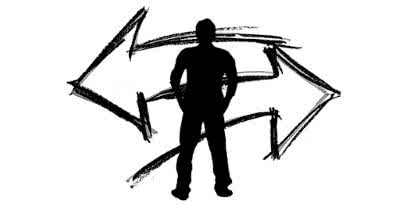
/bɪˈtwɪkst ənd bɪˈtwiːn/
(idiom) どっちつかず, 中途半端な
例:
I'm feeling a bit betwixt and between about my career choices.
キャリアの選択について、少しどっちつかずな気持ちです。

/daʊn tu ðə waɪər/
(idiom) 土壇場まで, ぎりぎりまで
例:
The election went down to the wire, with both candidates neck and neck.
選挙は両候補が互角で、土壇場までもつれ込んだ。

/ʃeɪdz əv ɡreɪ/
(idiom) グレーゾーン, 曖昧な部分
例:
Life is full of shades of gray; nothing is ever purely black or white.
人生はグレーゾーンに満ちている。何事も純粋に白か黒かではない。
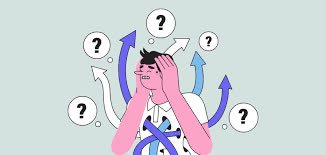
/æt ˈsɪksɪz ænd ˈsɛvənz/
(idiom) 混乱して, 乱れて
例:
After the sudden departure of their manager, the team was at sixes and sevens.
マネージャーの突然の退任後、チームは混乱状態にあった。

/ɡɛt koʊld fiːt/
(idiom) 怖気づく, 尻込みする
例:
He was going to ask her to marry him, but he got cold feet at the last minute.
彼は彼女に結婚を申し込むつもりだったが、土壇場で怖気づいた。
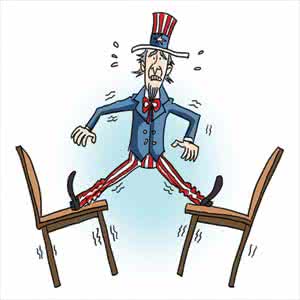
/fɔl bɪˈtwin tu stulz/
(idiom) 二兎を追う者は一兎をも得ず, どちらつかずになる
例:
The new policy tried to please everyone but ended up falling between two stools, satisfying no one.
新しい政策は皆を喜ばせようとしたが、結局二兎を追う者は一兎をも得ず、誰も満足させられなかった。

not know whether to laugh or cry
/nɑt noʊ ˈwɛðər tu læf ɔr kraɪ/
(idiom) 笑うべきか泣くべきか分からない, 苦笑するしかない
例:
When I heard about the absurd mistake, I didn't know whether to laugh or cry.
そのばかげた間違いを聞いたとき、私は笑うべきか泣くべきか分からなかった。
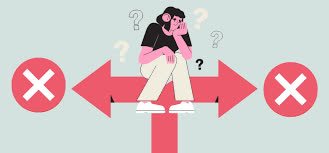
be (caught) between a rock and a hard place
/bi kɔt bɪˈtwin ə rɑk ænd ə hɑrd pleɪs/
(idiom) 板挟みになる, 進退両難に陥る
例:
I'm between a rock and a hard place; either I take a pay cut or I lose my job.
私は板挟みです。給料が減るか、仕事を失うかのどちらかです。

/tʃɒp ənd tʃeɪndʒ/
(idiom) コロコロ変える, 意見を二転三転させる
例:
He's always chopping and changing his plans, so it's hard to make arrangements.
彼はいつも計画をコロコロ変えるので、手配するのが難しい。
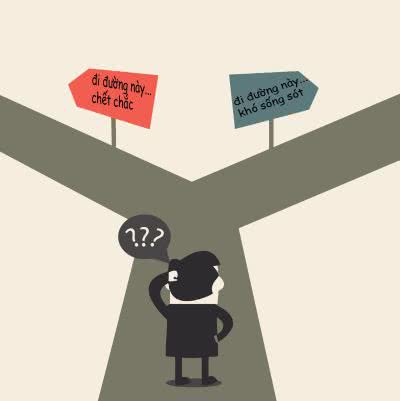
be between the devil and the deep blue sea
/bi bɪˈtwin ðə ˈdɛvəl ænd ðə dip blu si/
(idiom) 進退窮まる, 板挟みになる
例:
I'm between the devil and the deep blue sea; either I quit my job and lose my income, or I stay and deal with my terrible boss.
私は進退窮まる状況です。仕事を辞めて収入を失うか、留まってひどい上司に対処するかのどちらかです。

/bi ɑn ðə hɔrnz əv ə dɪˈlɛmə/
(idiom) ジレンマに陥る, 板挟みになる
例:
She found herself on the horns of a dilemma: either she missed her flight or she missed her sister's wedding.
彼女はジレンマに陥った:飛行機に乗り遅れるか、妹の結婚式を欠席するか。

/hem ən hɔː/
(idiom) 口ごもる, ためらう, 煮え切らない態度をとる
例:
When asked about his plans, he started to hem and haw.
彼の計画について尋ねられると、彼は口ごもり始めた。

/ðə ˈdʒʊri ɪz (stɪl) aʊt/
(idiom) まだ結論が出ていない, まだ決定されていない
例:
The jury is still out on whether the new policy will be effective.
新しい政策が効果的かどうかはまだ結論が出ていない。

/bi æt ə ˈkrɔsˌroʊdz/
(idiom) 岐路に立つ, 重要な決断を迫られる
例:
After graduating, she found herself at a crossroads, unsure whether to pursue a master's degree or start working.
卒業後、彼女は修士号を取るか働き始めるか、岐路に立たされていた。

/əv tuː maɪndz əˈbaʊt/
(idiom) 迷っている, 意見が分かれている
例:
I'm of two minds about whether to take the new job or stay where I am.
新しい仕事を受けるべきか、今の場所に留まるべきか、迷っている。