
Avatar of Vocabulary Set Modi di dire utili

Insieme di vocabolario Modi di dire utili in Vocabolario essenziale per l'esame SAT: Lista completa e dettagliata

L'insieme di vocabolario 'Modi di dire utili' in 'Vocabolario essenziale per l'esame SAT' è selezionato con cura da fonti di testi standard internazionali, aiutandoti a padroneggiare il vocabolario in breve tempo. Compilazione completa di definizioni, esempi illustrativi e pronuncia standard...

Impara questo insieme di vocabolario su Lingoland

Impara ora
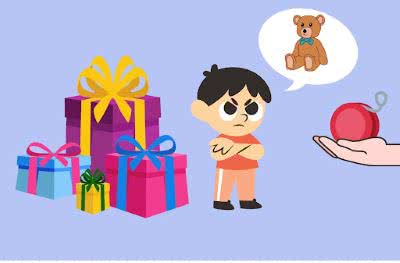
take something/someone for granted

/teɪk ˈsʌmˌθɪŋ ˈsʌmˌwʌn fɔr ˈɡræntɪd/

(idiom) dare per scontato, non apprezzare

Esempio:

Don't take your parents for granted; they won't always be around.
Non dare per scontati i tuoi genitori; non saranno sempre qui.

hold your tongue

/hoʊld jʊər tʌŋ/

(idiom) tenere a freno la lingua, tacere

Esempio:

I had to hold my tongue when my boss made that ridiculous suggestion.
Ho dovuto tenere a freno la lingua quando il mio capo ha fatto quel suggerimento ridicolo.

tickle someone's fancy

/ˈtɪk.əl ˈsʌm.wʌnz ˈfæn.si/

(idiom) stuzzicare la fantasia di qualcuno, piacere a qualcuno

Esempio:

Does the idea of a trip to the mountains tickle your fancy?
L'idea di un viaggio in montagna ti stuzzica la fantasia?

scratch the surface

/skrætʃ ðə ˈsɜːrfɪs/

(idiom) scalfirne la superficie, non approfondire

Esempio:

We've only begun to scratch the surface of this complex issue.
Abbiamo solo iniziato a scalfirne la superficie di questo problema complesso.

bent on

/bent ɑːn/

(adjective) intenzionato a, deciso a

Esempio:
He seems bent on destroying his own career.
Sembra intenzionato a distruggere la propria carriera.

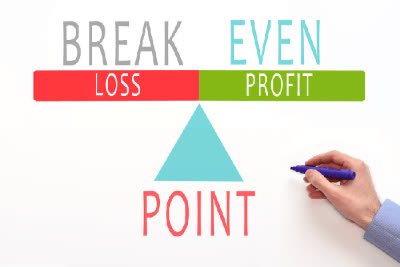
break even

/breɪk ˈiː.vən/

(verb) raggiungere il pareggio, andare in pari

Esempio:

After months of losses, the company finally managed to break even this quarter.
Dopo mesi di perdite, l'azienda è finalmente riuscita a raggiungere il pareggio questo trimestre.

pave the way for

/peɪv ðə weɪ fɔːr/

(idiom) spianare la strada a, preparare il terreno per

Esempio:

The invention of the printing press paved the way for the spread of knowledge.
L'invenzione della stampa ha spianato la strada alla diffusione della conoscenza.

be on the lookout for

/bi ɑn ðə ˈlʊkˌaʊt fɔr/

(idiom) essere alla ricerca di, stare attenti a

Esempio:

We need to be on the lookout for any suspicious activity.
Dobbiamo essere alla ricerca di qualsiasi attività sospetta.

have it both ways

/hæv ɪt boʊθ weɪz/

(idiom) avere la botte piena e la moglie ubriaca, volere tutto

Esempio:

You can't have it both ways; either you work hard or you relax, but not both at the same time.
Non puoi avere la botte piena e la moglie ubriaca; o lavori sodo o ti rilassi, ma non entrambi contemporaneamente.

broaden someone's horizons

/ˈbrɔːdən ˈsʌm.wʌnz həˈraɪ.zənz/

(idiom) ampliare gli orizzonti di qualcuno, allargare la mente di qualcuno

Esempio:
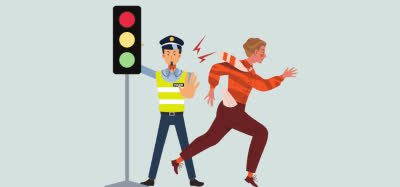
Traveling to new countries can really broaden your horizons.
Viaggiare in nuovi paesi può davvero ampliare i tuoi orizzonti.

jump the gun

/dʒʌmp ðə ɡʌn/

(idiom) affrettare i tempi, bruciare le tappe

Esempio:

I think you're jumping the gun by buying a house before you even have a job.
Penso che tu stia affrettando i tempi comprando una casa prima ancora di avere un lavoro.

free rein

/friː reɪn/

(idiom) carta bianca, piena libertà

Esempio:

The manager gave his team free rein on the new project.
Il manager ha dato carta bianca al suo team per il nuovo progetto.

the rest is history

/ðə rɛst ɪz ˈhɪs.tər.i/

(idiom) il resto è storia

Esempio:

They met at a party, fell in love, and the rest is history.
Si sono incontrati a una festa, si sono innamorati, e il resto è storia.

take a back seat

/teɪk ə bæk siːt/

(idiom) mettersi in secondo piano, passare in secondo piano

Esempio:

After the promotion, he decided to take a back seat and let his team lead the project.
Dopo la promozione, ha deciso di mettersi in secondo piano e lasciare che il suo team guidasse il progetto.

fall on hard times

/fɔːl ɑːn hɑːrd taɪmz/

(idiom) passare tempi duri, trovarsi in difficoltà

Esempio:

The family fell on hard times after the factory closed down.
La famiglia è andata incontro a tempi duri dopo la chiusura della fabbrica.

out of favor

/aʊt əv ˈfeɪ.vər/

(idiom) in disgrazia, non più popolare

Esempio:

The minister fell out of favor with the president after the scandal.
Il ministro è caduto in disgrazia presso il presidente dopo lo scandalo.

be a far cry from

/bi ə fɑr kraɪ frəm/

(idiom) ben diverso da, lontano da

Esempio:

The reality of the job was a far cry from what I expected.
La realtà del lavoro era ben diversa da quello che mi aspettavo.

neck of the woods

/ˌnek əv ðə ˈwʊdz/

(idiom) angolo di mondo, zona

Esempio:

I haven't seen you in this neck of the woods for ages!
Non ti vedo in questo angolo di mondo da secoli!

wring your hands

/rɪŋ jɔːr hændz/

(idiom) torcersi le mani

Esempio:

She could only stand there and wring her hands in despair.
Poteva solo stare lì a torcersi le mani per la disperazione.

have your own way

/hæv jɔːr oʊn weɪ/

(idiom) fare a modo proprio, averla vinta

Esempio:

She's very stubborn and always insists on having her own way.
È molto testarda e insiste sempre per fare a modo suo.

make the most of

/meɪk ðə moʊst əv/

(idiom) sfruttare al massimo, trarre il massimo vantaggio da

Esempio:

We should make the most of this sunny weather and go to the beach.
Dovremmo sfruttare al massimo questo tempo soleggiato e andare in spiaggia.

carry a tune

/ˈkæri ə tuːn/

(idiom) intonare una melodia, cantare intonato

Esempio:

I love to sing, but I can't really carry a tune.
Amo cantare, ma non riesco proprio a intonare una melodia.

grist to the mill

/ɡrɪst tuː ðə mɪl/

(idiom) portare acqua al proprio mulino

Esempio:

Every mistake he made was grist to the mill for his next novel.
Ogni errore commesso è stato acqua al suo mulino per il suo prossimo romanzo.

come out of your shell

/kʌm aʊt əv jʊər ʃɛl/

(idiom) uscire dal suo guscio, diventare più estroverso

Esempio:
After a few weeks at college, she really started to come out of her shell.
Dopo qualche settimana all'università, ha davvero iniziato a uscire dal suo guscio.

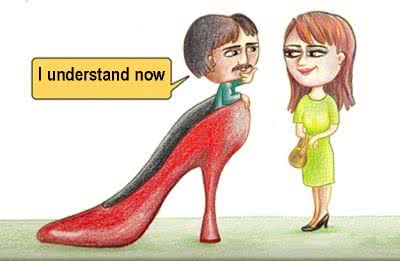
be in someone's shoes

/bi ɪn ˈsʌm.wʌnz ʃuːz/

(idiom) essere nei panni di qualcuno, essere nella situazione di qualcuno

Esempio:

I wouldn't want to be in his shoes right now, with all the pressure he's under.
Non vorrei essere nei suoi panni in questo momento, con tutta la pressione che ha.

out of nowhere

/aʊt əv ˈnoʊˌwɛr/

(idiom) dal nulla, all'improvviso, inaspettatamente

Esempio:

The car came out of nowhere and almost hit me.
L'auto è spuntata dal nulla e mi ha quasi investito.

out of the loop

/aʊt əv ðə luːp/

(idiom) fuori dal giro, non aggiornato

Esempio:

I've been out of the loop since I started my new project, so I don't know what's happening with the old one.
Sono stato fuori dal giro da quando ho iniziato il mio nuovo progetto, quindi non so cosa stia succedendo con quello vecchio.

know better

/noʊ ˈbɛtər/

(idiom) saperlo meglio, essere più saggio

Esempio:
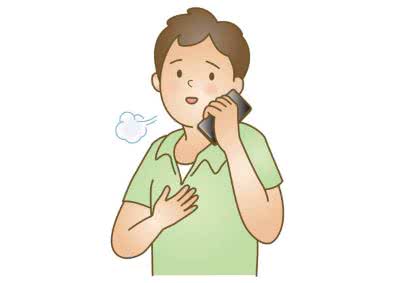
You should know better than to talk to strangers.
Dovresti saperlo meglio che parlare con gli sconosciuti.

breathe a sigh of relief

/briːð ə saɪ əv rɪˈliːf/

(idiom) tirare un sospiro di sollievo, sospirare di sollievo

Esempio:

She breathed a sigh of relief when she heard her son was safe.
Lei tirò un sospiro di sollievo quando sentì che suo figlio era al sicuro.

burst at the seams

/bɜrst æt ðə siːmz/

(idiom) scoppiare dalle cuciture, essere strapieno

Esempio:

The restaurant was bursting at the seams on Saturday night.
Il ristorante scoppiava dalle cuciture il sabato sera.

fork in the road

/fɔrk ɪn ðə roʊd/

(idiom) bivio, incrocio, punto di svolta

Esempio:

We reached a fork in the road and had to decide which way to go.
Siamo arrivati a un bivio e abbiamo dovuto decidere quale strada prendere.

under-the-radar

/ˈʌndər ðə ˈreɪdɑːr/

(adjective) sotto il radar, invisibile, segreto

Esempio:

The small, independent film was an under-the-radar hit.
Il piccolo film indipendente è stato un successo sotto il radar.

at odds

/æt ˈɑːdz/

(idiom) in disaccordo, in contrasto

Esempio:

The two brothers are always at odds with each other.
I due fratelli sono sempre in disaccordo tra loro.

take advantage of

/teɪk ədˈvæn.tɪdʒ ʌv/

(idiom) approfittare di, sfruttare, approfittarsi di

Esempio:

You should take advantage of this opportunity.
Dovresti approfittare di questa opportunità.

face value

/ˈfeɪs ˌvæl.juː/

(noun) valore nominale, valore facciale, apparenza

Esempio:
The bond has a face value of $1,000.
L'obbligazione ha un valore nominale di 1.000 $.

flip side

/ˈflɪp ˌsaɪd/

(noun) rovescio della medaglia, altra faccia

Esempio:

Every argument has a flip side.
Ogni argomento ha un rovescio della medaglia.

drag someone's name through the mud

/dræɡ ˈsʌm.wʌnz neɪm θruː ðə mʌd/

(idiom) infangare il nome di qualcuno, rovinare la reputazione di qualcuno

Esempio:

His political opponents tried to drag his name through the mud before the election.
I suoi oppositori politici hanno cercato di infangare il suo nome prima delle elezioni.

be out on your ear

/bi aʊt ɑn jʊər ɪr/

(idiom) essere licenziato in tronco, essere cacciato via

Esempio:

After that mistake, he was out on his ear by the end of the day.
Dopo quell'errore, è stato licenziato in tronco entro la fine della giornata.

go through the motions

/ɡoʊ θruː ðə ˈmoʊʃənz/

(idiom) fare i gesti, fare qualcosa senza convinzione

Esempio:

He was just going through the motions at work after he decided to quit.
Stava solo facendo i gesti al lavoro dopo aver deciso di licenziarsi.

make inroads into

/meɪk ˈɪnˌroʊdz ˈɪntuː/

(idiom) fare breccia in, fare progressi in

Esempio:

The new software is beginning to make inroads into the market dominated by older companies.
Il nuovo software sta iniziando a fare breccia nel mercato dominato dalle aziende più vecchie.

dead set on

/dɛd sɛt ɑn/

(idiom) deciso a, determinato a

Esempio:

She's dead set on becoming a doctor, no matter how hard it is.
È decisa a diventare medico, non importa quanto sia difficile.

turning point

/ˈtɜːrnɪŋ pɔɪnt/

(noun) punto di svolta, svolta

Esempio:

The invention of the internet was a turning point in human history.
L'invenzione di Internet è stata un punto di svolta nella storia umana.

shed light on

/ʃɛd laɪt ɑn/

(idiom) fare luce su, chiarire

Esempio:

The new evidence helped to shed light on the mysterious disappearance.
Le nuove prove hanno contribuito a fare luce sulla misteriosa scomparsa.

lend itself to

/lɛnd ɪtˈsɛlf tu/

(phrasal verb) prestarsi a, essere adatto a

Esempio:

The novel's plot doesn't really lend itself to a film adaptation.
La trama del romanzo non si presta davvero a un adattamento cinematografico.
Impara questo insieme di vocabolario su Lingoland