
Avatar of Vocabulary Set Estrategia y táctica

Conjunto de vocabulario Estrategia y táctica en Comportamiento, actitud y enfoque: Lista completa y detallada

El conjunto de vocabulario 'Estrategia y táctica' en 'Comportamiento, actitud y enfoque' está seleccionado cuidadosamente de fuentes de libros de texto estándar internacionales, ayudándote a dominar el vocabulario en poco tiempo. Incluye definiciones completas, ejemplos ilustrativos y pronunciación estándar...

Aprende este conjunto de vocabulario en Lingoland

Aprender ahora

persuasion is better than force

/pərˈsweɪ.ʒən ɪz ˈbet̬.ɚ ðæn fɔːrs/

(idiom) más vale maña que fuerza, la persuasión es mejor que la fuerza

Ejemplo:

I tried to talk him into it gently, knowing that persuasion is better than force.
Intenté convencerlo con suavidad, sabiendo que más vale maña que fuerza.

it takes a thief to catch a thief

/ɪt teɪks ə θiːf tuː kætʃ ə θiːf/

(idiom) un ladrón conoce a otro, para atrapar a un ladrón hace falta otro ladrón

Ejemplo:

The police hired a former hacker to find the cybercriminal, because it takes a thief to catch a thief.
La policía contrató a un ex hacker para encontrar al cibercriminal, porque un ladrón conoce a otro.

cross the stream where it is shallowest

/krɔːs ðə striːm wer ɪt ɪz ˈʃæloʊɪst/

(idiom) cruzar el arroyo por donde sea más llano, tomar el camino más fácil

Ejemplo:
Instead of overcomplicating the project, let's cross the stream where it is shallowest.
En lugar de complicar demasiado el proyecto, crucemos el arroyo por donde sea más llano.

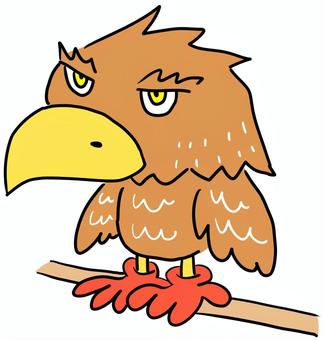
a clever hawk hides its claws

/ə ˈklɛvər hɔk haɪdz ɪts klɔz/

(idiom) el halcón hábil esconde sus garras

Ejemplo:

He never brags about his wealth; as they say, a clever hawk hides its claws.
Él nunca presume de su riqueza; como dicen, el halcón hábil esconde sus garras.

a fool shows his annoyance at once, but a prudent man overlooks an insult

/ə fuːl ʃoʊz hɪz əˈnɔɪ.əns æt wʌns, bʌt ə ˈpruː.dənt mæn ˌoʊ.vərˈlʊks ən ˈɪn.sʌlt/

(phrase) el necio muestra su enojo al instante, pero el prudente pasa por alto el insulto

Ejemplo:
When he was insulted, he didn't react, remembering that a fool shows his annoyance at once, but a prudent man overlooks an insult.
Cuando lo insultaron, no reaccionó, recordando que el necio muestra su enojo al instante, pero el prudente pasa por alto el insulto.

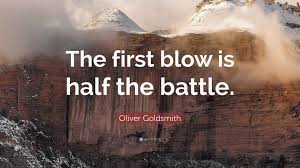
the first blow is half the battle

/ðə fɜrst bloʊ ɪz hæf ðə ˈbætəl/

(idiom) el primer golpe es media batalla, quien bien empieza, bien acaba

Ejemplo:

We need to launch the product before our competitors; the first blow is half the battle.
Necesitamos lanzar el producto antes que nuestros competidores; el primer golpe es media batalla.

if you can't beat them, join them

/ɪf juː kænt biːt ðɛm dʒɔɪn ðɛm/

(idiom) si no puedes con ellos, únete a ellos

Ejemplo:

I didn't like the new company policy, but if you can't beat them, join them.
No me gustaba la nueva política de la empresa, pero si no puedes con ellos, únete a ellos.

nothing must be done hastily but killing of fleas

/ˈnʌθ.ɪŋ mʌst bi dʌn ˈheɪ.stɪ.li bʌt ˈkɪl.ɪŋ ʌv fliːz/

(idiom) nada debe hacerse de prisa, salvo matar pulgas

Ejemplo:
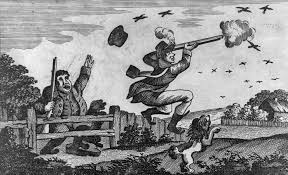
Take your time with the contract; remember, nothing must be done hastily but killing of fleas.
Tómate tu tiempo con el contrato; recuerda que nada debe hacerse de prisa, salvo matar pulgas.

an old poacher makes the best gamekeeper

/æn oʊld ˈpoʊ.tʃər meɪks ðə best ˈɡeɪmˌkiː.pər/

(idiom) un viejo cazador furtivo es el mejor guardabosques

Ejemplo:

The bank hired a former hacker to lead their cybersecurity team; after all, an old poacher makes the best gamekeeper.
El banco contrató a un ex hacker para liderar su equipo de ciberseguridad; después de todo, un viejo cazador furtivo es el mejor guardabosques.

send the helve after the hatchet

/sɛnd ðə hɛlv ˈæftər ðə ˈhætʃɪt/

(idiom) echar el mango tras el hacha

Ejemplo:

Investing more money into that failing business is just sending the helve after the hatchet.
Invertir más dinero en ese negocio fallido es simplemente echar el mango tras el hacha.

you cannot catch old birds with chaff

/ju ˈkæn.ɑːt kætʃ oʊld bɜːrdz wɪð tʃæf/

(idiom) a perro viejo no hay tus tus, más sabe el diablo por viejo que por diablo

Ejemplo:

He tried to trick the CEO with a basic lie, but you cannot catch old birds with chaff.
Intentó engañar al director ejecutivo con una mentira básica, pero a perro viejo no hay tus tus.

it is good to make a bridge of gold to a flying enemy

/ɪt ɪz ɡʊd tu meɪk ə brɪdʒ ʌv ɡoʊld tu ə ˈflaɪ.ɪŋ ˈen.ə.mi/

(idiom) al enemigo que huye, puente de plata

Ejemplo:

Instead of cornering the competitor, the CEO decided it is good to make a bridge of gold to a flying enemy by offering a generous buyout.
En lugar de acorralar al competidor, el director ejecutivo decidió que al enemigo que huye, puente de plata (o de oro) al ofrecer una compra generosa.

a soft answer turns away wrath

/ə sɔːft ˈænsər tɜːrnz əˈweɪ ræθ/

(idiom) la blanda respuesta quita la ira

Ejemplo:

When he started shouting, she remembered that a soft answer turns away wrath and spoke calmly.
Cuando él empezó a gritar, ella recordó que la blanda respuesta quita la ira y habló con calma.

not cast a clout until May be out

/nɑːt kæst ə klaʊt ʌnˈtɪl meɪ bi aʊt/

(idiom) hasta el cuarenta de mayo, no te quites el sayo

Ejemplo:

It's sunny today, but remember: not cast a clout until May be out.
Hoy hace sol, pero recuerda: hasta el cuarenta de mayo, no te quites el sayo.

waste not, want not

/weɪst nɑːt wɑːnt nɑːt/

(idiom) el que no malgasta, no pasa necesidad

Ejemplo:

I always save the leftovers for tomorrow's lunch; waste not, want not.
Siempre guardo las sobras para el almuerzo de mañana; el que no malgasta, no pasa necesidad.

hope for the best, prepare for the worst

/hoʊp fɔːr ðə best, prɪˈper fɔːr ðə wɜːrst/

(idiom) esperar lo mejor, prepararse para lo peor

Ejemplo:

We've done all the planning we can; now we just have to hope for the best, prepare for the worst.
Hemos hecho toda la planificación posible; ahora solo nos queda esperar lo mejor y prepararnos para lo peor.

the customer is always right

/ðə ˈkʌs.tə.mər ɪz ˈɔːl.weɪz raɪt/

(idiom) el cliente siempre tiene la razón

Ejemplo:
Even if the client is being difficult, remember that the customer is always right.
Incluso si el cliente es difícil, recuerda que el cliente siempre tiene la razón.

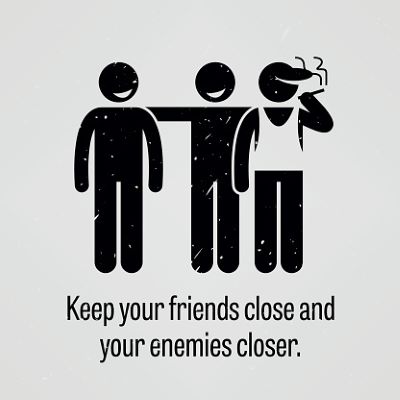
keep your friends close and your enemies closer

/kiːp jɔːr frendz kloʊs ænd jɔːr ˈen.ə.miz ˈkloʊ.sər/

(idiom) mantén a tus amigos cerca y a tus enemigos aún más cerca

Ejemplo:

In politics, it is often wise to keep your friends close and your enemies closer.
En política, a menudo es sabio mantener a tus amigos cerca y a tus enemigos aún más cerca.

say well or be still

/seɪ wɛl ɔːr biː stɪl/

(idiom) di algo bueno o cállate

Ejemplo:
If you can't find anything nice to mention about his work, remember: say well or be still.
Si no encuentras nada bueno que decir sobre su trabajo, recuerda: di algo bueno o cállate.

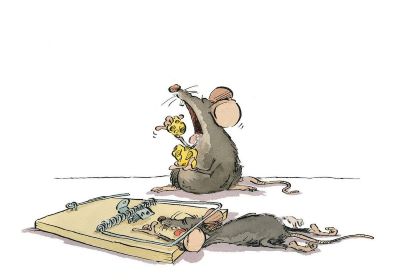
the second mouse gets the cheese

/ðə ˈsek.ənd maʊs ɡets ðə tʃiːz/

(idiom) el segundo ratón se queda con el queso

Ejemplo:

The first startup failed, but the competitor succeeded; sometimes the second mouse gets the cheese.
La primera startup fracasó, pero el competidor tuvo éxito; a veces el segundo ratón se queda con el queso.
Aprende este conjunto de vocabulario en Lingoland