日常生活 内 死 語彙セット:完全かつ詳細なリスト
「日常生活」内の「死」語彙セットは国際標準教材から厳選され、短期間で語彙をマスターできます。定義、例文、標準発音を網羅…
Lingolandでこの語彙セットを学習
今すぐ学習
/ɑːrt ɪz lɔːŋ ænd laɪf ɪz ʃɔːrt/
(idiom) 術は長く命は短し
例:
The sculptor spent decades perfecting his technique, proving that art is long and life is short.
その彫刻家は何十年もかけて技術を磨き、術は長く命は短しということを証明した。

/ˈæʃ.ɪz tu ˈæʃ.ɪz dʌst tu dʌst/
(idiom) 灰は灰に、塵は塵に
例:
The priest spoke the solemn words, 'Ashes to ashes, dust to dust,' as the casket was lowered.
棺が下ろされるとき、司祭は「灰は灰に、塵は塵に」という厳粛な言葉を述べた。
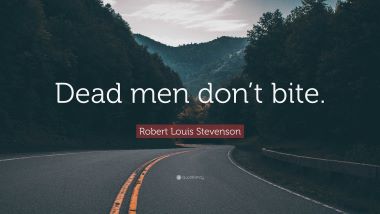
/dɛd mɛn doʊnt baɪt/
(idiom) 死人に口なし
例:
The villain decided to eliminate the witness, muttering, 'Dead men don't bite.'
悪役は「死人に口なし」とつぶやきながら、目撃者を消すことに決めた。
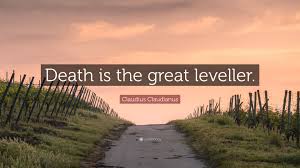
/dɛθ ɪz ðə ɡreɪt ˈlɛv.əl.ər/
(idiom) 死はすべての人を平等にする
例:
The king and the beggar are buried in the same earth, for death is the great leveler.
王も乞食も同じ土に葬られる。死はすべての人を平等にするからだ。

/dɛθ peɪz ɔːl dɛts/
(idiom) 死ねばすべての借りはなくなる
例:
He died before he could face trial, but as they say, death pays all debts.
彼は裁判を受ける前に亡くなったが、「死ねばすべての借りはなくなる」と言う通りだ。

/ˈdaɪ.ɪŋ ɪz æz ˈnætʃ.ər.əl æz ˈlɪv.ɪŋ/
(phrase) 死ぬことは生きることと同じくらい自然なことだ
例:
We must accept that dying is as natural as living.
死ぬことは生きることと同じくらい自然なことだと受け入れなければならない。

/ði ɛnd meɪks ɔːl ˈiːkwəl/
(idiom) 最後には皆平等になる, 死はすべてを平等にする
例:
Whether you are a king or a beggar, the end makes all equal.
王であろうと乞食であろうと、最後には皆平等になる。

in the midst of life, we are in death
/ɪn ðə mɪdst əv laɪf, wi ɑːr ɪn deθ/
(idiom) 生の中に死がある
例:
The sudden passing of the young athlete reminds us that in the midst of life, we are in death.
その若きアスリートの急死は、生の中に死があるということを私たちに思い知らせる。
/stoʊn dɛd hæz noʊ ˈfɛloʊ/
(idiom) 死人に口なし, 死者は害をなさない
例:
The conspirators decided to eliminate the witness, believing that stone-dead has no fellow.
共謀者たちは、死人に口なし(死者は害をなさない)と信じて、証人を消すことに決めた。
there's a remedy for everything except death
/ðɛrz ə ˈrɛm.ə.di fɔːr ˈɛv.ri.θɪŋ ɪkˈsɛpt dɛθ/
(idiom) 死ぬこと以外にかすり傷, 死ぬこと以外に解決策はある
例:
Don't lose hope over your financial problems; remember, there's a remedy for everything except death.
金銭的な問題で希望を捨てないで。死ぬこと以外にかすり傷(死ぬこと以外に解決策はある)ということを忘れないで。

life is not separate from death, it only looks that way
/laɪf ɪz nɑt ˈsɛp.ə.reɪt frʌm dɛθ, ɪt ˈoʊn.li lʊks ðæt weɪ/
(phrase) 生は死と切り離されているわけではなく、ただそのように見えるだけだ
例:
The monk taught that life is not separate from death, it only looks that way.
その僧侶は、生は死と切り離されているわけではなく、ただそのように見えるだけだと説いた。

/lɛt ðə dɛd ˈbɛri ðə dɛd/
(idiom) 過去のことは過去に任せよ, 死人に死人を葬らせよ
例:
We shouldn't argue about who was right ten years ago; let the dead bury the dead.
10年前に誰が正しかったか争うべきではない。過去のことは過去に任せよう。
young men may die, but old men must die
/jʌŋ mɛn meɪ daɪ, bʌt oʊld mɛn mʌst daɪ/
(idiom) 若者は死ぬこともあるが、老人は死なねばならない
例:
We should cherish every moment with our grandfather; as they say, young men may die, but old men must die.
祖父との一瞬一瞬を大切にすべきです。「若者は死ぬこともあるが、老人は死なねばならない」と言うように。

/ʃraʊdz hæv noʊ ˈpɑːkɪts/
(idiom) 死出の山に金は持っていけぬ, 死んだら財産は持っていけない
例:
He spent his whole life hoarding money, forgetting that shrouds have no pockets.
彼は一生をお金を貯めることに費やしたが、死んだら財産は持っていけないということを忘れていた。
/ðə ɡʊd daɪ jʌŋ/
(idiom) 佳人薄命, 善人は若死にする
例:
He was only thirty when he passed away; it's true what they say, the good die young.
彼が亡くなった時はまだ30歳でした。「佳人薄命」とはよく言ったものです。