
意見 内 あなたの意見を表明してください 語彙セット:完全かつ詳細なリスト
「意見」内の「あなたの意見を表明してください」語彙セットは国際標準教材から厳選され、短期間で語彙をマスターできます。定義、例文、標準発音を網羅…
Lingolandでこの語彙セットを学習
今すぐ学習
/ðə θɪŋ ɪz/
(phrase) 問題は, 肝心なのは
例:
I'd love to help, but the thing is, I'm really busy this week.
手伝いたいのですが、問題は今週本当に忙しいことです。

/fɔːr wʌt ɪts wɜːrθ/
(idiom) 参考までに, ともかく
例:
For what it's worth, I think you did a great job.
参考までに、あなたは素晴らしい仕事をしたと思います。

/sɛt ɪn jʊər weɪz/
(idiom) 自分のやり方に固執している, 頑固な
例:
My grandfather is very set in his ways and doesn't like new technology.
私の祖父はとても自分のやり方に固執しているので、新しい技術が好きではありません。

/spiːk jʊər maɪnd/
(idiom) 自分の意見をはっきり言う, 思ったことを言う
例:
She's not afraid to speak her mind, even to her boss.
彼女は上司に対しても自分の意見をはっきり言うことを恐れない。

/ʃɪft jʊər ɡraʊnd/
(idiom) 立場を変える, 意見を変える
例:
The politician had to shift his ground after public backlash.
世論の反発を受けて、その政治家は立場を変えざるを得なかった。

/θɪŋk ˈlɪt.əl əv/
(idiom) 軽視する, 重要でないと考える
例:
He tends to think little of other people's opinions.
彼は他人の意見を軽視する傾向がある。
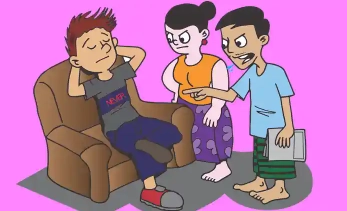
/θɪŋk ˈnʌθɪŋ əv/
(idiom) 何とも思わない, 気にしない
例:
She would think nothing of driving for hours to visit a friend.
彼女は友人を訪ねるために何時間も運転することを何とも思わないだろう。

/θɪŋk aʊtˈsaɪd ðə bɑks/
(idiom) 既成概念にとらわれずに考える, 型にはまらない考え方をする
例:
We need to think outside the box to solve this problem.
この問題を解決するには、既成概念にとらわれずに考える必要があります。

/teɪk ɪt frəm mi/
(idiom) 私に言わせれば, 私を信じて
例:
Take it from me, that restaurant is not worth the money.
私に言わせれば、あのレストランはお金の価値がない。

/ɡʌt ˈfiːlɪŋ/
(noun) 直感, 勘, 第六感
例:
I had a gut feeling that something was wrong.
何かがおかしいという直感があった。

/ə wɜrd tu ðə waɪz/
(idiom) 賢明な人への一言, 忠告
例:
Just a word to the wise, don't trust everything you hear.
賢明な人への一言だが、聞くことすべてを信用するな。

/rʌn diːp/
(idiom) 根深い, 深い
例:
The animosity between the two families runs deep.
二つの家族間の敵意は根深い。

/streɪt frəm ðə ˈʃoʊl.dər/
(idiom) 率直に, 直接的に, 遠慮なく
例:
He told me straight from the shoulder that my work was not good enough.
彼は私の仕事が十分ではないと率直に言った。

/tə ðə bɛst əv maɪ ˈnɑlɪdʒ/
(phrase) 私の知る限りでは, 私が知っている限り
例:
To the best of my knowledge, he has never been late for work.
私の知る限りでは、彼は仕事に遅刻したことがない。
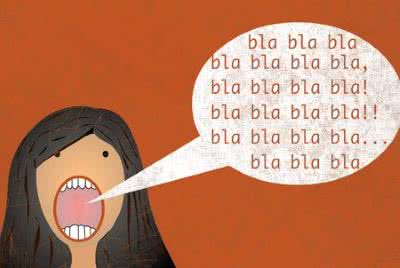
/ʃuːt jʊər maʊθ ɔːf/
(idiom) 口が軽い, 口を滑らせる
例:
He tends to shoot his mouth off after a few drinks.
彼は数杯飲むと口が軽くなる傾向がある。

/ɪn ˈsʌm.wʌnz bæd bʊks/
(idiom) 〜の機嫌を損ねている, 〜に嫌われている
例:
I'm in my boss's bad books because I was late for the meeting.
会議に遅れたので、上司の機嫌を損ねています。

/ɪn ˈsʌm.wʌnz ɡʊd bʊks/
(idiom) 〜に気に入られている, 〜の評価が高い
例:
I'm trying to get in my boss's good books by finishing this project early.
このプロジェクトを早く終わらせて、上司の評価を上げようとしています。

/tʃeɪndʒ jʊər tuːn/
(idiom) 態度を変える, 意見を変える
例:
He was against the plan at first, but he quickly changed his tune when he saw the benefits.
彼は最初その計画に反対だったが、利益を見るとすぐに態度を変えた。

/frəm wɛr ˈsʌmˌwʌn stændz/
(idiom) 誰かの立場から, 誰かの視点から
例:
From where I stand, the decision was unfair.
私の立場からすると、その決定は不公平だった。

not have a good word to say for
/nɑt hæv ə ɡʊd wɜrd tu seɪ fɔr/
(idiom) 良いことを何も言わない, 常に批判する
例:
She doesn't have a good word to say for her ex-husband.
彼女は元夫について良いことを何も言わない。

/hoʊld jʊər tʌŋ/
(idiom) 黙っている, 口を閉ざす
例:
I had to hold my tongue when my boss made that ridiculous suggestion.
上司がそのばかげた提案をしたとき、私は黙っていなければならなかった。