
Avatar of Vocabulary Set Causa ed effetto

Insieme di vocabolario Causa ed effetto in Risultati e impatto: Lista completa e dettagliata

L'insieme di vocabolario 'Causa ed effetto' in 'Risultati e impatto' è selezionato con cura da fonti di testi standard internazionali, aiutandoti a padroneggiare il vocabolario in breve tempo. Compilazione completa di definizioni, esempi illustrativi e pronuncia standard...

Impara questo insieme di vocabolario su Lingoland

Impara ora

as a tree falls, so shall it lie

/æz ə triː fɔːlz, soʊ ʃæl ɪt laɪ/

(idiom) come l'albero cade, così rimane

Esempio:
He never changed his ways, and as a tree falls, so shall it lie.
Non ha mai cambiato i suoi modi, e come l'albero cade, così rimane.

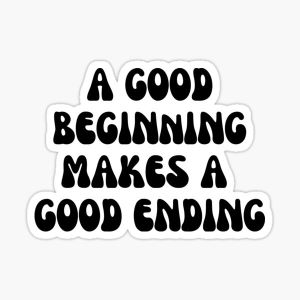
a good beginning makes a good ending

/ə ɡʊd bɪˈɡɪnɪŋ meɪks ə ɡʊd ˈɛndɪŋ/

(idiom) il buon giorno si vede dal mattino, chi ben inizia è a metà dell'opera

Esempio:

We spent weeks planning the launch because a good beginning makes a good ending.
Abbiamo passato settimane a pianificare il lancio perché il buon giorno si vede dal mattino.

after a storm comes a calm

/ˈæf.tɚ ə stɔːrm kʌmz ə kɑːm/

(idiom) dopo la tempesta viene la calma

Esempio:
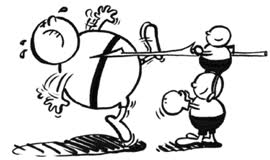
Things are difficult now, but remember that after a storm comes a calm.
Le cose sono difficili ora, ma ricorda che dopo la tempesta viene la calma.

the bigger they are, the harder they fall

/ðə ˈbɪɡər ðeɪ ɑːr ðə ˈhɑːrdər ðeɪ fɔːl/

(idiom) più sono grandi e più rumore fanno quando cadono

Esempio:

The CEO lost everything when the company collapsed; the bigger they are, the harder they fall.
Il CEO ha perso tutto quando l'azienda è crollata; più sono grandi e più rumore fanno quando cadono.

as you brew, so shall you bake

/æz juː bruː, soʊ ʃæl juː beɪk/

(idiom) chi è causa del suo mal, pianga se stesso, chi la fa l'aspetti

Esempio:

He made a poor investment choice, and now he's broke; as you brew, so shall you bake.
Ha fatto una cattiva scelta di investimento e ora è al verde; chi è causa del suo mal, pianga se stesso.

circumstances often alter cases

/ˈsɜːrkəmstænsɪz ˈɔːfən ˈɔːltər ˈkeɪsɪz/

(idiom) le circostanze alterano i casi

Esempio:
I usually don't support lying, but circumstances often alter cases when someone's safety is at risk.
Di solito non approvo le bugie, ma le circostanze spesso alterano i casi quando è a rischio la sicurezza di qualcuno.

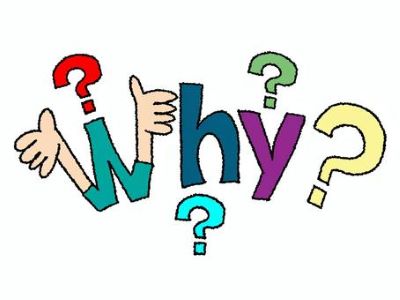
every why has a wherefore

/ˈev.ri waɪ hæz ə ˈwer.fɔːr/

(idiom) ogni perché ha il suo percome

Esempio:

He may seem upset for no reason, but every why has a wherefore.
Può sembrare turbato senza motivo, ma ogni perché ha il suo percome.

evil be to him who evil thinks

/ˈiː.vəl biː tuː hɪm huː ˈiː.vəl θɪŋks/

(idiom) sia svergognato chi ne pensa male

Esempio:
He tried to sabotage his rival's career, but evil be to him who evil thinks, and he ended up losing his own job.
Ha cercato di sabotare la carriera del suo rivale, ma sia svergognato chi ne pensa male, e ha finito per perdere il proprio lavoro.

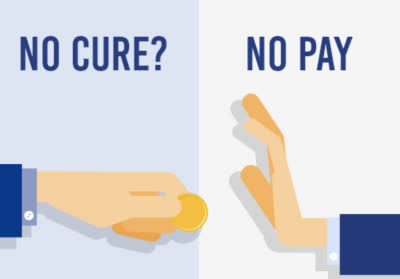
no cure no pay

/noʊ kjʊr noʊ peɪ/

(phrase) niente risultato, niente compenso

Esempio:

The lawyer agreed to work on a no cure no pay basis.
L'avvocato ha accettato di lavorare sulla base del niente risultato, niente compenso.

nothing comes out of the sack but what was in it

/ˈnʌθ.ɪŋ kʌmz aʊt əv ðə sæk bʌt wʌt wəz ɪn ɪt/

(idiom) dal sacco non esce che quello che c'è dentro

Esempio:

He tried to sound like an expert, but nothing comes out of the sack but what was in it.
Ha cercato di sembrare un esperto, ma dal sacco non esce che quello che c'è dentro.

the sooner begun, the sooner done

/ðə ˈsuːnər bɪˈɡʌn ðə ˈsuːnər dʌn/

(idiom) prima si comincia, prima si finisce

Esempio:

I know you don't want to clean the garage, but the sooner begun, the sooner done.
So che non vuoi pulire il garage, ma prima si comincia, prima si finisce.

what you have never had, you never miss

/wʌt ju hæv ˈnɛvər hæd, ju ˈnɛvər mɪs/

(idiom) non si rimpiange ciò che non si è mai avuto

Esempio:

I've never lived in a big house, but what you have never had, you never miss.
Non ho mai vissuto in una casa grande, ma non si rimpiange ciò che non si è mai avuto.

easy come, easy go

/ˈiːzi kʌm ˈiːzi ɡoʊ/

(idiom) quel che viene facilmente, se ne va facilmente

Esempio:

I lost the fifty dollars I won at the casino, but easy come, easy go.
Ho perso i cinquanta dollari vinti al casinò, ma quel che viene facilmente, se ne va facilmente.

the bleating of the kid excites the tiger

/ðə ˈbliːtɪŋ əv ðə kɪd ɪkˈsaɪts ðə ˈtaɪɡər/

(idiom) il belato del capretto eccita la tigre

Esempio:

He should have kept quiet about his losses; the bleating of the kid excites the tiger.
Avrebbe dovuto tacere sulle sue perdite; belato di capretto eccita la tigre.

first in, best dressed

/fɜːrst ɪn best drest/

(idiom) chi prima arriva meglio alloggia

Esempio:

There are only a few tickets left, so it's first in, best dressed.
Sono rimasti solo pochi biglietti, quindi chi prima arriva meglio alloggia.

what goes up must come down

/wʌt ɡoʊz ʌp mʌst kʌm daʊn/

(idiom) tutto ciò che sale deve scendere

Esempio:
The stock market has been rising for years, but what goes up must come down.
Il mercato azionario è in crescita da anni, ma tutto ciò che sale deve scendere.

necessity is the mother of invention

/nəˈses.ə.t̬i ɪz ðə ˈmʌð.ɚ əv ɪnˈven.ʃən/

(idiom) la necessità è la madre dell'invenzione

Esempio:
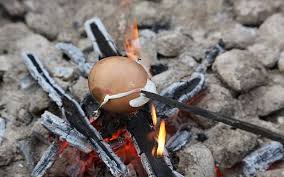
When they ran out of fuel, they built a solar cooker, proving that necessity is the mother of invention.
Quando finirono il carburante, costruirono un forno solare, dimostrando che la necessità è la madre dell'invenzione.

there is reason in the roasting of eggs

/ðɛr ɪz ˈrizən ɪn ðə ˈroʊstɪŋ ʌv ɛɡz/

(idiom) c'è un metodo in tutto, ogni cosa ha il suo perché

Esempio:

You might think his filing system is chaotic, but there is reason in the roasting of eggs.
Potresti pensare che il suo sistema di archiviazione sia caotico, ma c'è un metodo in questa follia.

one who handles honey, licks his fingers

/wʌn huː ˈhændəlz ˈhʌni lɪks hɪz ˈfɪŋɡərz/

(idiom) chi maneggia il miele si lecca le dita

Esempio:
It's no surprise the accountant bought a new car; one who handles honey, licks his fingers.
Non sorprende che il contabile abbia comprato un'auto nuova; chi maneggia il miele si lecca le dita.

all covet, all lose

/ɔːl ˈkʌv.ɪt ɔːl luːz/

(idiom) chi troppo vuole nulla stringe

Esempio:

He tried to manage three businesses at once but failed in all of them; all covet, all lose.
Ha cercato di gestire tre attività contemporaneamente ma è fallito in tutte; chi troppo vuole nulla stringe.
Impara questo insieme di vocabolario su Lingoland