
Insieme di vocabolario Abitudini quotidiane e stile di vita in Vita quotidiana: Lista completa e dettagliata
L'insieme di vocabolario 'Abitudini quotidiane e stile di vita' in 'Vita quotidiana' è selezionato con cura da fonti di testi standard internazionali, aiutandoti a padroneggiare il vocabolario in breve tempo. Compilazione completa di definizioni, esempi illustrativi e pronuncia standard...
Impara questo insieme di vocabolario su Lingoland
Impara ora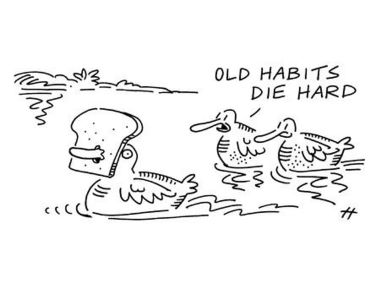
/oʊld ˈhæb.ɪts daɪ hɑːrd/
(idiom) le vecchie abitudini sono dure a morire
Esempio:
I still try to reach for my glasses every morning, even though I had laser surgery; old habits die hard.
Cerco ancora di prendere gli occhiali ogni mattina, anche se ho fatto l'intervento al laser; le vecchie abitudini sono dure a morire.
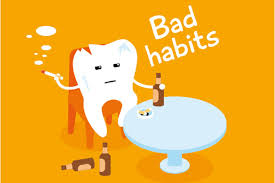
/bæd ˈhæb.ɪts daɪ hɑːrd/
(idiom) le cattive abitudini sono dure a morire
Esempio:
I still reach for my phone as soon as I wake up; bad habits die hard.
Cerco ancora il telefono non appena mi sveglio; le cattive abitudini sono dure a morire.

/ˈhæb.ɪt ɪz ˈsek.ənd ˈneɪ.tʃɚ/
(idiom) l'abitudine è una seconda natura
Esempio:
I don't even think about locking the door anymore; habit is second nature.
Non penso nemmeno più a chiudere la porta a chiave; l'abitudine è una seconda natura.
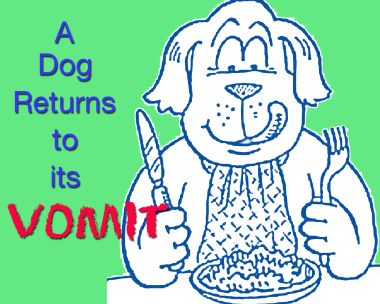
the dog always returns to its vomit
/ðə dɔɡ ˈɔːlweɪz rɪˈtɜːrnz tuː ɪts ˈvɑːmɪt/
(idiom) il cane torna al suo vomito
Esempio:
He swore he would never gamble again, but the dog always returns to its vomit.
Ha giurato che non avrebbe mai più scommesso, ma il cane torna sempre al suo vomito.
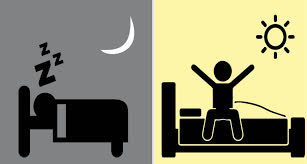
go to bed with the lamb and rise with the lark
/ɡoʊ tu bɛd wɪð ðə læm ænd raɪz wɪð ðə lɑːrk/
(idiom) andare a letto presto e alzarsi presto
Esempio:
My grandfather always used to go to bed with the lamb and rise with the lark.
Mio nonno era solito andare a letto presto e alzarsi all'alba.
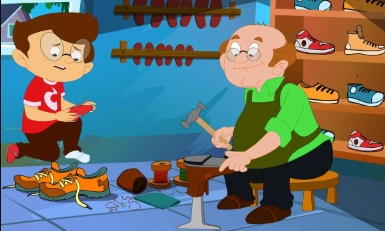
let the cobbler stick to his last
/lɛt ðə ˈkɑblər stɪk tu hɪz læst/
(idiom) offellee, fa el to mestee, ciascuno faccia il suo mestiere
Esempio:
The accountant tried to give advice on the building's architecture, but he was told to let the cobbler stick to his last.
Il contabile ha cercato di dare consigli sull'architettura dell'edificio, ma gli è stato detto: offellee, fa el to mestee.

/wʌns ə θiːf, ˈɔːl.weɪz ə θiːf/
(idiom) chi ruba una volta ruba sempre
Esempio:
He says he's changed, but you know what they say: once a thief, always a thief.
Dice di essere cambiato, ma sai come si dice: chi ruba una volta ruba sempre.