
Avatar of Vocabulary Set Giustificazione e scusa

Insieme di vocabolario Giustificazione e scusa in Comportamento, atteggiamento e approccio: Lista completa e dettagliata

L'insieme di vocabolario 'Giustificazione e scusa' in 'Comportamento, atteggiamento e approccio' è selezionato con cura da fonti di testi standard internazionali, aiutandoti a padroneggiare il vocabolario in breve tempo. Compilazione completa di definizioni, esempi illustrativi e pronuncia standard...

Impara questo insieme di vocabolario su Lingoland

Impara ora
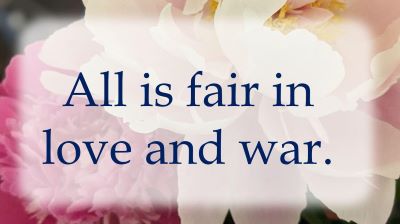
all is fair in love and war

/ɔːl ɪz fer ɪn lʌv ænd wɔːr/

(idiom) in amore e in guerra tutto è permesso

Esempio:

He cheated to win her heart, but all is fair in love and war.
Ha barato per conquistare il suo cuore, ma in amore e in guerra tutto è permesso.

a bird never flew on one wing

/ə bɜːrd ˈnɛvər fluː ɒn wʌn wɪŋ/

(idiom) un uccello non ha mai volato con un'ala sola

Esempio:
Have another whiskey; a bird never flew on one wing!
Prendi un altro whisky; un uccello non ha mai volato con un'ala sola!

a bad workman blames his tools

/ə bæd ˈwɜːrkmən bleɪmz hɪz tuːlz/

(idiom) il cattivo lavoratore incolpa i suoi strumenti

Esempio:
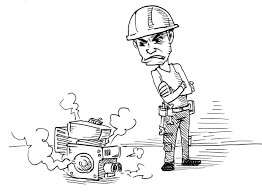
He said the oven was broken when the cake burnt, but a bad workman blames his tools.
Ha detto che il forno era rotto quando la torta si è bruciata, ma il cattivo lavoratore incolpa i suoi strumenti.

the end justify the means

/ði ɛnd ˈdʒʌstɪfaɪ ðə miːnz/

(idiom) il fine giustifica i mezzi

Esempio:
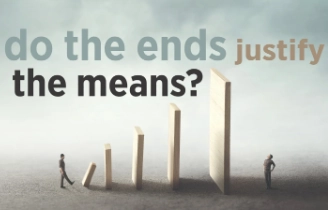
He lied to his boss to get the promotion, believing that the end justifies the means.
Ha mentito al suo capo per ottenere la promozione, credendo che il fine giustifichi i mezzi.

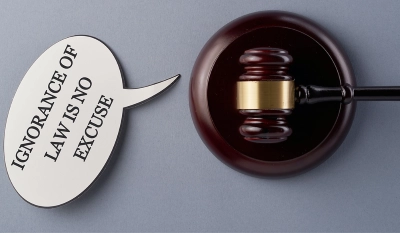
ignorance of the law is no excuse for breaking it

/ˈɪɡ.nər.əns əv ðə lɔː ɪz noʊ ɪkˈskjuːs fɔːr ˈbreɪ.kɪŋ ɪt/

(idiom) l'ignoranza della legge non scusa

Esempio:

He tried to claim he didn't know the speed limit had changed, but ignorance of the law is no excuse for breaking it.
Ha cercato di sostenere di non sapere che il limite di velocità fosse cambiato, ma l'ignoranza della legge non scusa.

finders keepers, losers weepers

/ˈfaɪndərz ˈkipərz, ˈluzərz ˈwipərz/

(idiom) chi trova tiene, chi perde piange

Esempio:
I found this ten-dollar bill on the sidewalk, and since no one is around, finders keepers, losers weepers!
Ho trovato questa banconota da dieci dollari sul marciapiede e, dato che non c'è nessuno in giro, chi trova tiene, chi perde piange!

desperate times call for desperate measures

/ˈdes.pər.ət taɪmz kɔːl fɔːr ˈdes.pər.ət ˈmeʒ.ərz/

(idiom) a mali estremi, estremi rimedi

Esempio:
The company had to lay off half its staff; desperate times call for desperate measures.
L'azienda ha dovuto licenziare metà del personale; a mali estremi, estremi rimedi.

excuses are the nails used to build a house of failure

/ɪkˈskjusɪz ɑr ðə neɪlz juzd tu bɪld ə haʊs ʌv ˈfeɪljər/

(idiom) le scuse sono i chiodi usati per costruire una casa di fallimento

Esempio:
Stop blaming the economy; remember that excuses are the nails used to build a house of failure.
Smetti di incolpare l'economia; ricorda che le scuse sono i chiodi usati per costruire una casa di fallimento.

an excuse is worse and more terrible than a lie, for an excuse is a lie guarded

/æn ɪkˈskjuːs ɪz wɜːrs ænd mɔːr ˈter.ə.bəl ðæn ə laɪ, fɔːr æn ɪkˈskjuːs ɪz ə laɪ ˈɡɑːr.dɪd/

(phrase) una scusa è peggiore di una bugia perché è una bugia custodita

Esempio:
He tried to justify his lateness with a complex story, but as they say, an excuse is worse and more terrible than a lie, for an excuse is a lie guarded.
Ha cercato di giustificare il suo ritardo con una storia complessa, ma come si suol dire, una scusa è peggiore e più terribile di una bugia, perché una scusa è una bugia custodita.

a bad excuse is better than none

/ə bæd ɪkˈskjuːs ɪz ˈbetər ðæn nʌn/

(idiom) una cattiva scusa è meglio di niente

Esempio:
I know you're late, but just tell them you missed the bus; a bad excuse is better than none.
So che sei in ritardo, ma dì loro che hai perso l'autobus; una cattiva scusa è meglio di niente.

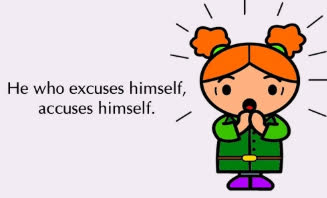
he who excuses himself, accuses himself

/hi hu ɪkˈskjuːzɪz hɪmˈsɛlf, əˈkjuːzɪz hɪmˈsɛlf/

(idiom) chi si scusa s'accusa

Esempio:

I didn't even ask why he was late, but he started explaining everything; he who excuses himself, accuses himself.
Non gli ho nemmeno chiesto perché fosse in ritardo, ma ha iniziato a spiegare tutto; chi si scusa s'accusa.
Impara questo insieme di vocabolario su Lingoland