
敗北 内 敗北 語彙セット:完全かつ詳細なリスト
「敗北」内の「敗北」語彙セットは国際標準教材から厳選され、短期間で語彙をマスターできます。定義、例文、標準発音を網羅…
Lingolandでこの語彙セットを学習
今すぐ学習
/dɛd lɔs/
(idiom) 役立たず, 全くの失敗, 無駄
例:
This old car is a complete dead loss; it keeps breaking down.
この古い車は全くの役立たずだ。いつも故障している。

/kʌm tə ɡriːf/
(idiom) 失敗に終わる, 遭難する, 不幸な結果になる
例:
Their plans to expand the business came to grief due to lack of funding.
資金不足のため、事業拡大の計画は失敗に終わった。

/aʊt əv ðə ˈrʌnɪŋ/
(idiom) 競争から外れて, 勝ち目がない
例:
After his injury, the athlete was out of the running for the championship.
怪我の後、その選手はチャンピオンシップの競争から外れた。

/biː waɪd əv ðə mɑːrk/
(idiom) 的外れである, 見当違いである
例:
His predictions about the election results turned out to be wide of the mark.
彼の選挙結果に関する予測は的外れだった。

/ˈkɑːm.ə.di əv ˈer.ərz/
(phrase) 間違いだらけの喜劇, 失態の連続
例:
The entire project turned into a comedy of errors, with one mistake leading to another.
プロジェクト全体が間違いだらけの喜劇となり、一つの間違いが次へとつながった。

/dɔɡ deɪz/
(phrase) 猛暑日, 真夏日
例:
We usually go on vacation during the dog days of summer.
私たちは通常、夏の猛暑日に休暇に行きます。

/mɪs ðə boʊt/
(idiom) 機会を逃す, 乗り遅れる
例:
If you don't buy tickets now, you'll miss the boat.
今チケットを買わないと、機会を逃すよ。

/dɛd mæn ˈwɔkɪŋ/
(idiom) 死んだも同然, 破滅寸前の人
例:
After that disastrous presentation, the CEO was a dead man walking.
あの悲惨なプレゼンテーションの後、CEOは死んだも同然だった。

/dɛd dʌk/
(idiom) 失敗に終わるもの, 見込みのないもの
例:
Without proper funding, the project is a dead duck.
適切な資金がなければ、そのプロジェクトは失敗に終わるだろう。

/kʌm ə ˈkrɒpər/
(idiom) ひどく転ぶ, ひどく失敗する
例:
He came a cropper trying to jump over the fence.
彼はフェンスを飛び越えようとしてひどく転んだ。
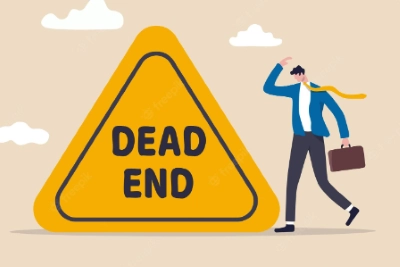
/ˈded end/
(noun) 行き止まり, 袋小路, 行き詰まり
例:
The car turned into a dead end street.
車は行き止まりの道に入った。

/dɛd ɪn ðə ˈwɔtər/
(idiom) 完全に失敗した, 見込みがない
例:
The project was dead in the water after the main investor pulled out.
主要投資家が撤退した後、そのプロジェクトは完全に失敗した。

/bi pæst jʊər ˈsɛlˌbaɪ deɪt/
(idiom) 賞味期限が切れている, 時代遅れである
例:
Some critics say the band is past their sell-by date and should retire.
一部の批評家は、そのバンドは賞味期限が切れており、引退すべきだと言っている。

/ɡoʊ daʊn ɪn ðə wɜːrld/
(idiom) 落ちぶれる, 没落する
例:
After losing his job, he really started to go down in the world.
仕事を失ってから、彼は本当に落ちぶれ始めた。

/drɔː ə blæŋk/
(idiom) 何も思い出せない, 何も得られない
例:
I tried to remember her name, but I just drew a blank.
彼女の名前を思い出そうとしたが、何も思い出せなかった。

/ðə ˈraɪtɪŋ ɪz ɑn ðə wɔl/
(idiom) 終わりは明らかだ, 兆候は明らかだ
例:
After several missed deadlines and budget overruns, the writing was on the wall for the project.
いくつかの締め切りを逃し、予算超過が続いた後、そのプロジェクトの終わりは明らかだった。

/teɪk ˈsʌmˌbɑː.di tuː ðə ˈkliː.nərz/
(idiom) 破産させる, 財産を奪う, 完全に打ち負かす
例:
The con artist really took him to the cleaners, leaving him with nothing.
詐欺師は彼を完全に破産させた、何も残さずに。
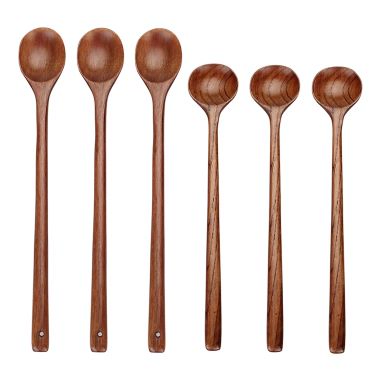
/ˈwʊd.ən ˌspuːn/
(noun) 木のスプーン, 木のスプーン(最下位の賞)
例:
She stirred the soup with a wooden spoon.
彼女は木のスプーンでスープをかき混ぜた。