
文学 内 文体装置 語彙セット:完全かつ詳細なリスト
「文学」内の「文体装置」語彙セットは国際標準教材から厳選され、短期間で語彙をマスターできます。定義、例文、標準発音を網羅…
Lingolandでこの語彙セットを学習
今すぐ学習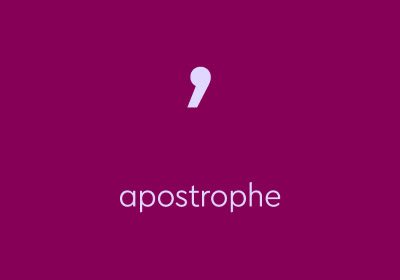
/əˈpɑː.strə.fi/
(noun) アポストロフィ, 呼びかけ
例:
The boy's hat was lost, so he used an apostrophe to show possession.
少年の帽子が失われたので、彼は所有を示すためにアポストロフィを使った。

/ˈæl.ə.ɡɔːr.i/
(noun) 寓話, 比喩
例:
George Orwell's 'Animal Farm' is a famous allegory for the Russian Revolution.
ジョージ・オーウェルの『動物農場』はロシア革命の有名な寓話です。
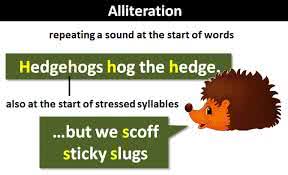
/əˌlɪt̬.əˈreɪ.ʃən/
(noun) 頭韻
例:
The poem used alliteration with the phrase 'slippery, slithering snake'.
その詩は「slippery, slithering snake」というフレーズで頭韻を使用していた。
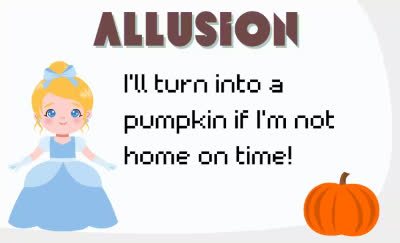
/əˈluː.ʒən/
(noun) 言及, 暗示, ほのめかし
例:
The poem contains an allusion to Greek mythology.
その詩にはギリシャ神話への言及が含まれている。

/ˌæm.plə.fəˈkeɪ.ʃən/
(noun) 増幅, 拡大, 強化
例:
The concert hall had excellent sound amplification.
コンサートホールは優れた音響増幅を備えていた。
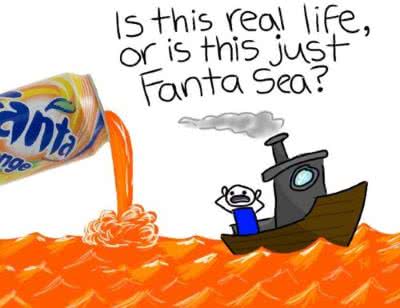
/pʌn/
(noun) だじゃれ, 語呂合わせ;
(verb) だじゃれを言う, 語呂合わせをする
例:
He made a clever pun about the baker, saying he kneaded the dough.
彼はパン屋について「生地をこねる(kneaded the dough)」という巧妙なだじゃれを言った。

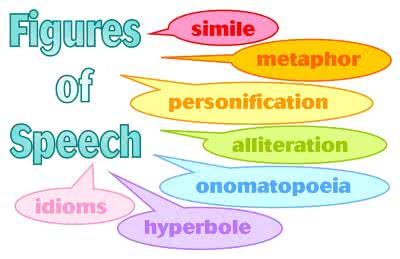
/ˌfɪɡjər əv ˈspiːtʃ/
(noun) 比喩表現, 修辞技法
例:
When she said her heart was broken, she was using a figure of speech.
彼女が心が壊れたと言ったとき、それは比喩表現でした。
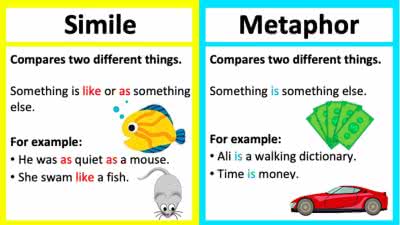
/ˈsɪm.ə.li/
(noun) 直喩
例:
The poet used a simile to describe the clouds as 'like cotton balls floating in the sky'.
詩人は雲を「空に浮かぶ綿の玉のよう」と表現するために直喩を用いた。
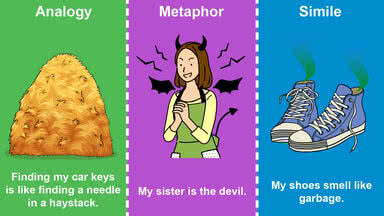
/ˈmet̬.ə.fɔːr/
(noun) 比喩, 隠喩
例:
The phrase 'drowning in debt' is a common metaphor.
「借金漬け」というフレーズは一般的な比喩です。
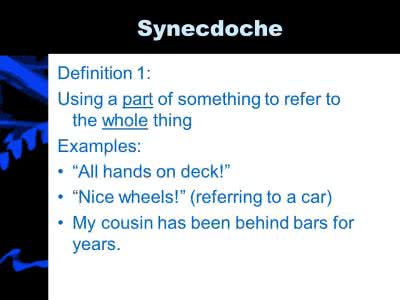
/sɪˈnek.də.ki/
(noun) 提喩, シネクドキ
例:
The phrase 'all hands on deck' is a synecdoche, where 'hands' refers to the sailors.
「all hands on deck(全員甲板へ)」というフレーズは提喩であり、「hands(手)」は船員を指します。
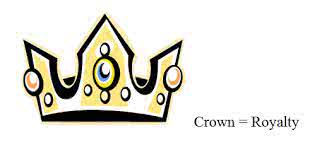
/məˈtɑː.nə.mi/
(noun) 換喩, メトニミー
例:
The phrase 'the crown' is an example of metonymy, referring to the monarchy.
「王冠」というフレーズは、君主制を指す換喩の一例です。
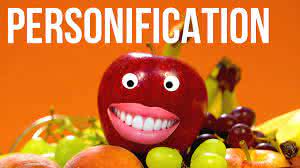
/pɚˌsɑː.nə.fəˈkeɪ.ʃən/
(noun) 擬人化, 化身
例:
The wind whispered through the trees, a beautiful example of personification.
風が木々の間をささやいた、擬人化の美しい例だ。
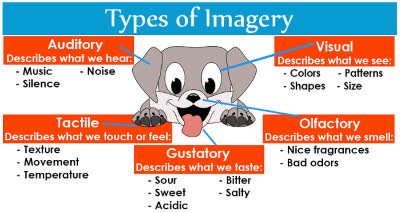
/ˈɪm.ə.dʒər.i/
(noun) イメージ, 心象, 画像
例:
The poet used vivid imagery to describe the sunset.
詩人は夕日を描写するために鮮やかなイメージを用いた。
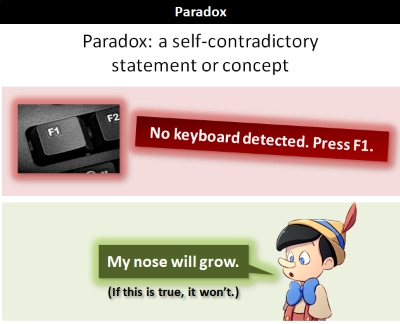
/ˈper.ə.dɑːks/
(noun) パラドックス, 逆説, 矛盾
例:
The statement "This statement is false" is a classic paradox.
「この文は偽である」という文は古典的なパラドックスです。

/moʊˈtiːf/
(noun) モチーフ, 主題, 模様
例:
The motif of betrayal runs through the entire novel.
裏切りのモチーフが小説全体に流れている。
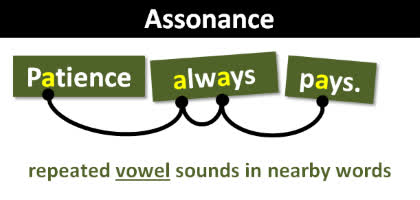
/ˈæs.ən.əns/
(noun) アソナンス, 母音の反復
例:
The poem used assonance with the repeated 'o' sound in 'old' and 'cold'.
その詩は「old」と「cold」の「o」の音の繰り返しでアソナンスを使っていた。
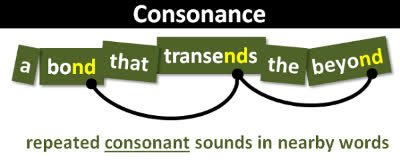
/ˈkɑːn.sə.nəns/
(noun) 一致, 調和, 協和
例:
There was a strong consonance between their views on the project.
彼らのプロジェクトに対する見解には強い一致があった。
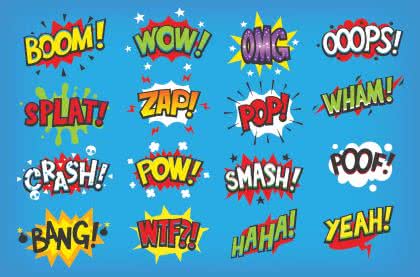
/ˌɑː.noʊˌmæt̬.oʊˈpiː.ə/
(noun) 擬音語, 擬声語
例:
The word 'buzz' is an example of onomatopoeia.
「buzz」という単語は擬音語の一例です。
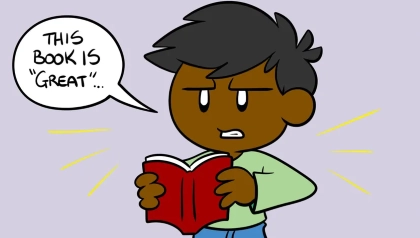
/ˈaɪ.rə.ni/
(noun) 皮肉, 逆説
例:
The irony of the situation was that the fire station burned down.
状況の皮肉は、消防署が燃え落ちたことだった。
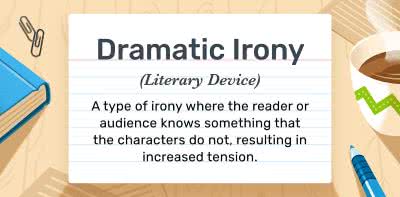
/drəˌmæt.ɪk ˈaɪ.rə.ni/
(noun) 劇的皮肉
例:
The play uses dramatic irony when the audience knows the killer's identity, but the characters do not.
観客は殺人犯の正体を知っているが、登場人物は知らないという点で、この劇は劇的皮肉を使っている。
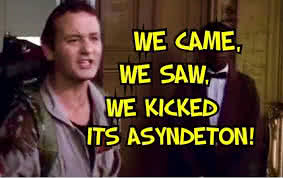
/əˈsɪndɪtɑːn/
(noun) 無接続, 接続詞の省略
例:
The phrase "I came, I saw, I conquered" is an example of asyndeton.
「来た、見た、勝った」というフレーズは無接続の例です。
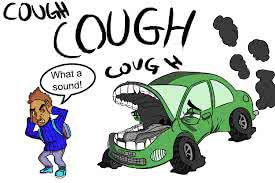
/kəˈkɑː.fə.ni/
(noun) 不協和音, 雑音
例:
The city street was a cacophony of car horns and shouting.
街の通りは車のクラクションと叫び声の不協和音だった。
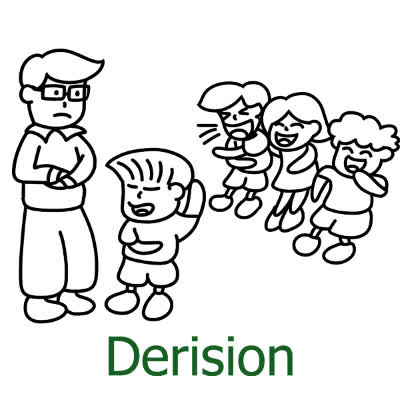
/dɪˈrɪʒ.ən/
(noun) 嘲笑, あざけり
例:
His proposal was met with widespread derision.
彼の提案は広範な嘲笑をもって迎えられた。

/fɔrˈʃæd·oʊ·ɪŋ, foʊr-/
(noun) 伏線, 予兆
例:
The dark clouds and distant thunder served as foreshadowing of the coming storm.
暗い雲と遠くの雷は、来るべき嵐の予兆として機能した。

/haɪˈpɝː.bəl.i/
(noun) 誇張法, 誇張
例:
He used hyperbole to describe his hunger, saying he could eat a horse.
彼は空腹を表現するために誇張法を使い、馬一頭食べられると言った。
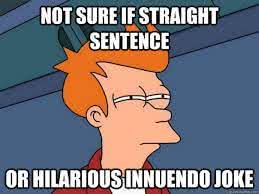
/ˌɪn.juˈen.doʊ/
(noun) ほのめかし, 当てこすり
例:
His speech was full of subtle innuendos.
彼のスピーチは微妙なほのめかしに満ちていた。
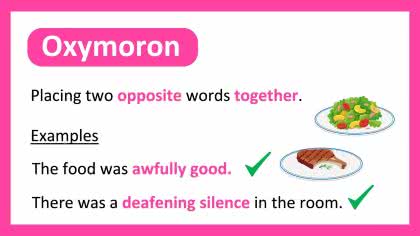
/ˌɑːk.sɪˈmɔːr.ɑːn/
(noun) 撞着語法, 矛盾語法
例:
The phrase 'jumbo shrimp' is a classic example of an oxymoron.
「ジャンボシュリンプ」というフレーズは、撞着語法の典型的な例です。
/ˈpliː.ə.næz.əm/
(noun) 冗語, 冗長表現
例:
The phrase 'free gift' is a pleonasm because all gifts are free.
「無料の贈り物」というフレーズは、すべての贈り物が無料であるため、冗語です。
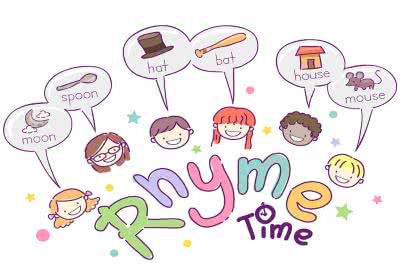
/raɪm/
(noun) 韻, 押韻;
(verb) 韻を踏む, 押韻する
例:
The poem used a simple AABB rhyme scheme.
その詩は単純なAABBの韻律を用いた。

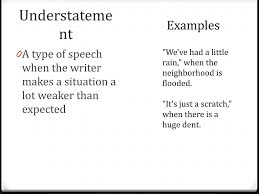
/ˌʌn.dɚˈsteɪt.mənt/
(noun) 控えめな表現, 過小評価
例:
To say it was difficult would be an understatement.
それが困難だったと言うのは控えめな表現だろう。
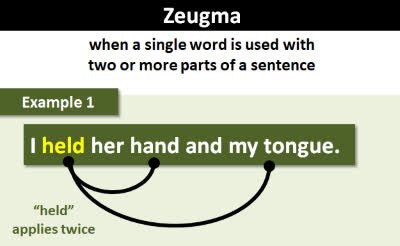
/ˈzuːɡ.mə/
(noun) ゼウグマ, 懸詞法
例:
The sentence 'She broke his car and his heart' is an example of zeugma.
「彼女は彼の車と彼の心を壊した」という文はゼウグマの一例です。