
词汇集 修辞手法(属于 文学):完整且详细的清单
词汇集「修辞手法」(属于「文学」)从国际标准教材来源精心挑选,帮助您在短时间内掌握词汇。全面汇整定义、例句及标准发音…
在 Lingoland 学习此词汇集
立即学习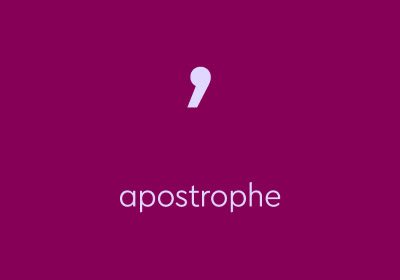
/əˈpɑː.strə.fi/
(noun) 撇号, 呼语, 顿呼
示例:
The boy's hat was lost, so he used an apostrophe to show possession.
男孩的帽子丢了,所以他用撇号来表示所有格。
/ˈæl.ə.ɡɔːr.i/
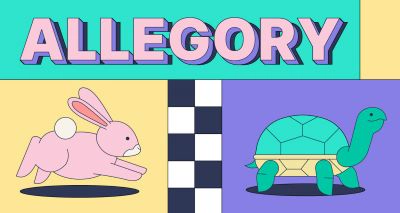
(noun) 寓言, 讽喻
示例:
George Orwell's 'Animal Farm' is a famous allegory for the Russian Revolution.
乔治·奥威尔的《动物庄园》是俄国革命的一个著名寓言。
/əˌlɪt̬.əˈreɪ.ʃən/
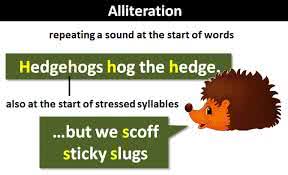
(noun) 头韵
示例:
The poem used alliteration with the phrase 'slippery, slithering snake'.
这首诗用“slippery, slithering snake”这个短语来表现头韵。
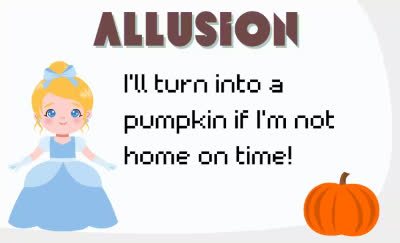
/əˈluː.ʒən/
(noun) 典故, 暗指, 影射
示例:
The poem contains an allusion to Greek mythology.
这首诗中包含对希腊神话的典故。

/ˌæm.plə.fəˈkeɪ.ʃən/
(noun) 放大, 扩音, 扩大
示例:
The concert hall had excellent sound amplification.
音乐厅有出色的声音放大效果。
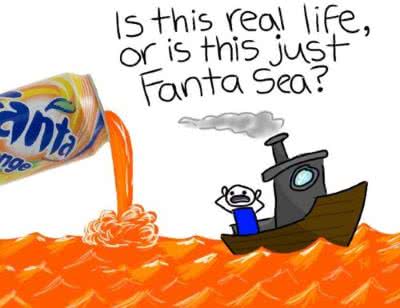
/pʌn/
(noun) 双关语, 俏皮话;
(verb) 开双关语的玩笑, 说俏皮话
示例:
He made a clever pun about the baker, saying he kneaded the dough.
他巧妙地拿面包师开了一个双关语的玩笑,说他“揉面团”(kneaded the dough)。

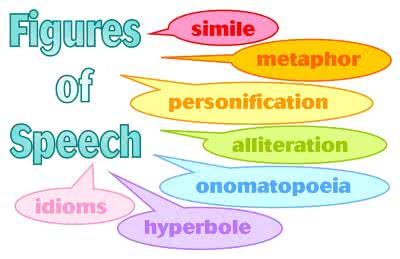
/ˌfɪɡjər əv ˈspiːtʃ/
(noun) 修辞手法, 比喻
示例:
When she said her heart was broken, she was using a figure of speech.
当她说她心碎了时,她是在使用一种修辞手法。
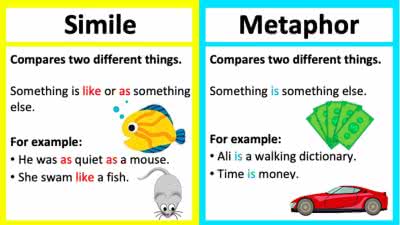
/ˈsɪm.ə.li/
(noun) 明喻
示例:
The poet used a simile to describe the clouds as 'like cotton balls floating in the sky'.
诗人用明喻将云描述为“像棉花糖一样漂浮在空中”。
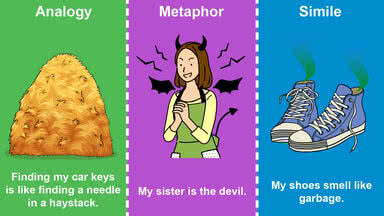
/ˈmet̬.ə.fɔːr/
(noun) 隐喻, 暗喻
示例:
The phrase 'drowning in debt' is a common metaphor.
“债台高筑”是一个常见的隐喻。
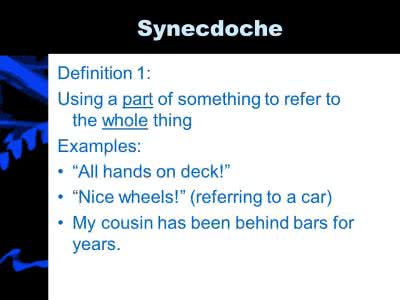
/sɪˈnek.də.ki/
(noun) 提喻, 部分代整体
示例:
The phrase 'all hands on deck' is a synecdoche, where 'hands' refers to the sailors.
“all hands on deck”(全体船员就位)这个短语是一个提喻,其中“hands”(手)指代水手。
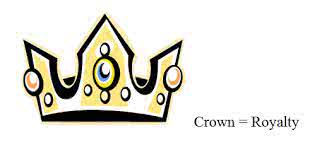
/məˈtɑː.nə.mi/
(noun) 转喻
示例:
The phrase 'the crown' is an example of metonymy, referring to the monarchy.
“王冠”这个短语是转喻的一个例子,指代君主制。
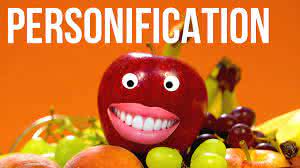
/pɚˌsɑː.nə.fəˈkeɪ.ʃən/
(noun) 拟人化, 化身, 典型
示例:
The wind whispered through the trees, a beautiful example of personification.
风在树林中低语,这是拟人化的一个美丽例子。
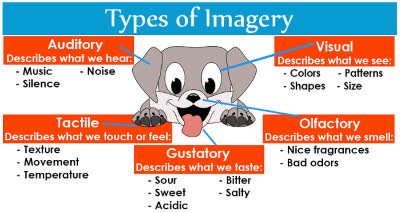
/ˈɪm.ə.dʒər.i/
(noun) 意象, 形象, 图像
示例:
The poet used vivid imagery to describe the sunset.
诗人用生动的意象来描绘日落。
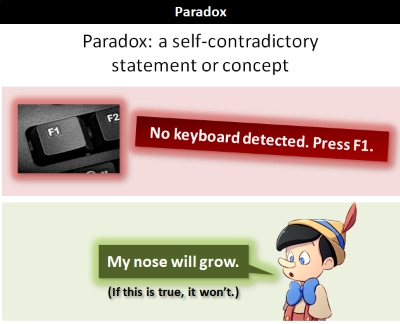
/ˈper.ə.dɑːks/
(noun) 悖论, 反论, 矛盾体
示例:
The statement "This statement is false" is a classic paradox.
“这句话是假的”是一个经典的悖论。

/moʊˈtiːf/
(noun) 主题, 主旨, 图案
示例:
The motif of betrayal runs through the entire novel.
背叛的主题贯穿整部小说。
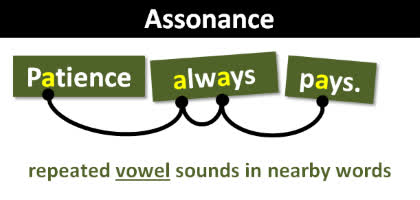
/ˈæs.ən.əns/
(noun) 半韵, 元音韵
示例:
The poem used assonance with the repeated 'o' sound in 'old' and 'cold'.
这首诗在“old”和“cold”中重复“o”音,使用了半韵。
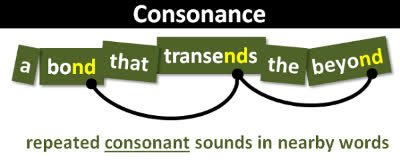
/ˈkɑːn.sə.nəns/
(noun) 一致, 和谐, 协调
示例:
There was a strong consonance between their views on the project.
他们对这个项目的看法有很强的一致性。
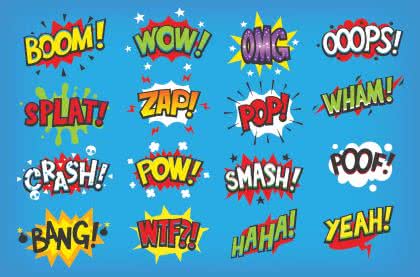
/ˌɑː.noʊˌmæt̬.oʊˈpiː.ə/
(noun) 拟声词, 象声词
示例:
The word 'buzz' is an example of onomatopoeia.
“嗡嗡”这个词是拟声词的一个例子。
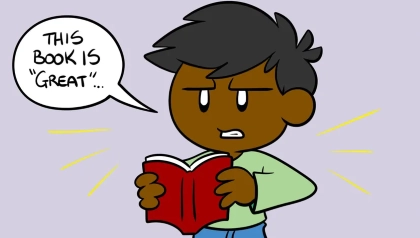
/ˈaɪ.rə.ni/
(noun) 反语, 讽刺, 反讽
示例:
The irony of the situation was that the fire station burned down.
情况的讽刺之处在于消防局被烧毁了。
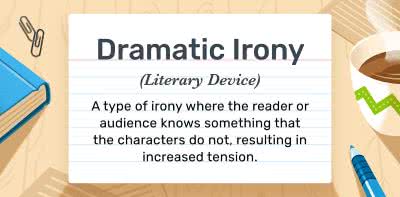
/drəˌmæt.ɪk ˈaɪ.rə.ni/
(noun) 戏剧性反讽
示例:
The play uses dramatic irony when the audience knows the killer's identity, but the characters do not.
当观众知道凶手的身份而剧中人物不知道时,这部剧运用了戏剧性反讽。
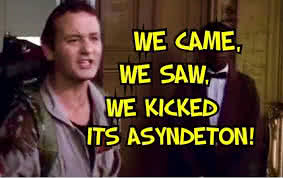
/əˈsɪndɪtɑːn/
(noun) 省略连词, 无连词
示例:
The phrase "I came, I saw, I conquered" is an example of asyndeton.
“我来,我见,我征服”这句话是省略连词的一个例子。
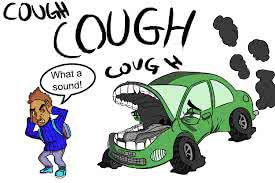
/kəˈkɑː.fə.ni/
(noun) 刺耳的噪音, 不和谐的声音
示例:
The city street was a cacophony of car horns and shouting.
城市街道上充斥着汽车喇叭声和叫喊声的刺耳噪音。
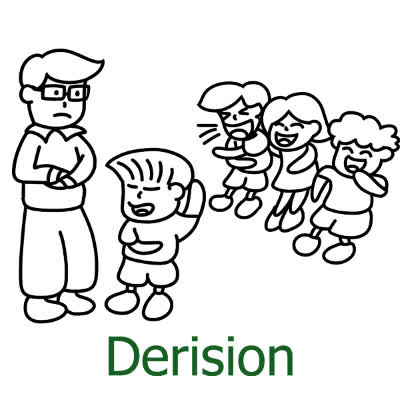

/fɔrˈʃæd·oʊ·ɪŋ, foʊr-/
(noun) 伏笔, 预示
示例:
The dark clouds and distant thunder served as foreshadowing of the coming storm.
乌云和远处的雷声预示着即将到来的风暴。

/haɪˈpɝː.bəl.i/
(noun) 夸张, 夸张法
示例:
He used hyperbole to describe his hunger, saying he could eat a horse.
他用夸张来形容他的饥饿,说他能吃下一匹马。
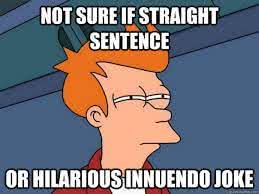
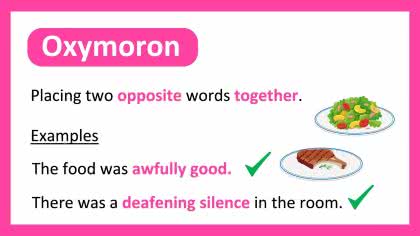
/ˌɑːk.sɪˈmɔːr.ɑːn/
(noun) 矛盾修辞法, 反义词并列
示例:
The phrase 'jumbo shrimp' is a classic example of an oxymoron.
“巨型虾”这个短语是矛盾修辞法的经典例子。
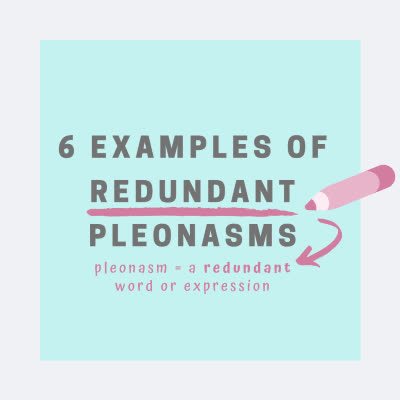
/ˈpliː.ə.næz.əm/
(noun) 赘语, 冗余
示例:
The phrase 'free gift' is a pleonasm because all gifts are free.
“免费赠品”这个短语是赘语,因为所有赠品都是免费的。
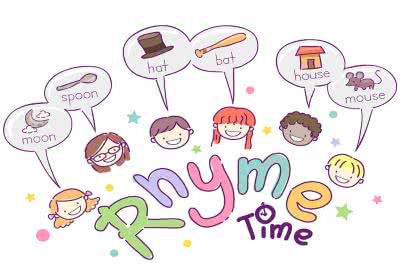
/raɪm/
(noun) 押韵, 韵律;
(verb) 押韵, 作韵
示例:
The poem used a simple AABB rhyme scheme.
这首诗采用了简单的AABB押韵模式。

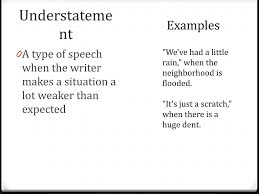
/ˌʌn.dɚˈsteɪt.mənt/
(noun) 轻描淡写, 保守的说法
示例:
To say it was difficult would be an understatement.
说它很难将是轻描淡写。
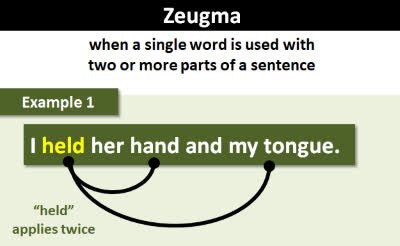
/ˈzuːɡ.mə/
(noun) 轭式修辞
示例:
The sentence 'She broke his car and his heart' is an example of zeugma.
句子“她弄坏了他的车和他的心”是轭式修辞的一个例子。