
문학 내 문체 장치 어휘 세트: 완전하고 상세한 목록
'문학' 내 '문체 장치' 어휘 세트는 국제 표준 교재 출처에서 엄선되어 짧은 시간 안에 어휘를 마스터할 수 있도록 도와줍니다. 정의, 예문, 표준 발음을 완벽하게 수록...
Lingoland에서 이 어휘 세트 학습하기
지금 학습하기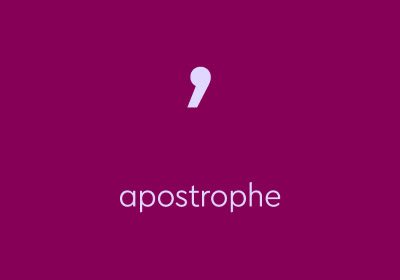
/əˈpɑː.strə.fi/
(noun) 아포스트로피, 호격
예시:
The boy's hat was lost, so he used an apostrophe to show possession.
소년의 모자가 없어졌기 때문에 그는 소유를 나타내기 위해 아포스트로피를 사용했다.

/ˈæl.ə.ɡɔːr.i/
(noun) 풍자, 우화
예시:
George Orwell's 'Animal Farm' is a famous allegory for the Russian Revolution.
조지 오웰의 '동물 농장'은 러시아 혁명에 대한 유명한 풍자이다.
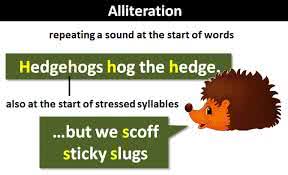
/əˌlɪt̬.əˈreɪ.ʃən/
(noun) 두운
예시:
The poem used alliteration with the phrase 'slippery, slithering snake'.
그 시는 'slippery, slithering snake'라는 구절로 두운을 사용했다.
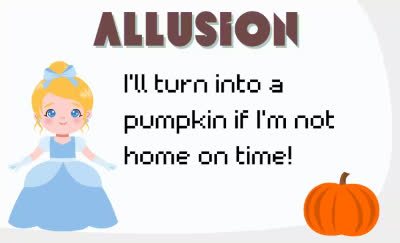
/əˈluː.ʒən/
(noun) 암시, 언급, 간접적인 언급
예시:
The poem contains an allusion to Greek mythology.
그 시에는 그리스 신화에 대한 암시가 포함되어 있다.

/ˌæm.plə.fəˈkeɪ.ʃən/
(noun) 증폭, 확대, 증대
예시:
The concert hall had excellent sound amplification.
콘서트홀은 훌륭한 음향 증폭을 갖추고 있었다.
/pʌn/
(noun) 말장난, 언어유희;
(verb) 말장난하다, 언어유희를 하다
예시:
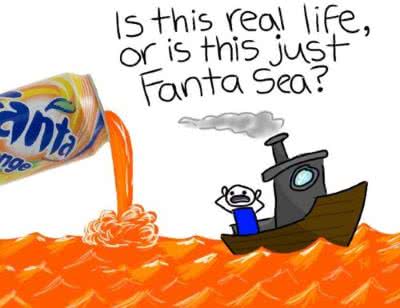
He made a clever pun about the baker, saying he kneaded the dough.
그는 제빵사에 대해 반죽을 'kneaded'한다는 영리한 말장난을 했다.

/ˌfɪɡjər əv ˈspiːtʃ/
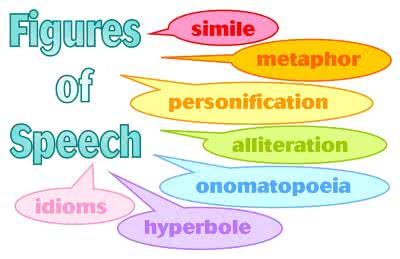
(noun) 수사적 표현, 비유
예시:
When she said her heart was broken, she was using a figure of speech.
그녀가 마음이 아프다고 말했을 때, 그것은 수사적 표현이었다.
/ˈsɪm.ə.li/
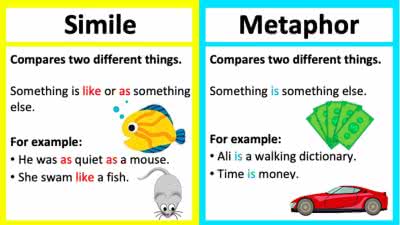
(noun) 직유
예시:
The poet used a simile to describe the clouds as 'like cotton balls floating in the sky'.
시인은 구름을 '하늘에 떠다니는 솜뭉치처럼' 묘사하기 위해 직유를 사용했다.
/ˈmet̬.ə.fɔːr/
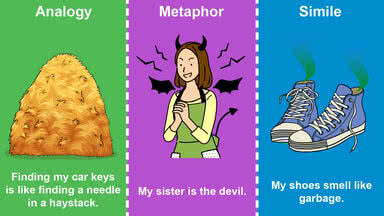
(noun) 은유, 비유
예시:
The phrase 'drowning in debt' is a common metaphor.
'빚더미에 깔리다'는 흔한 은유이다.
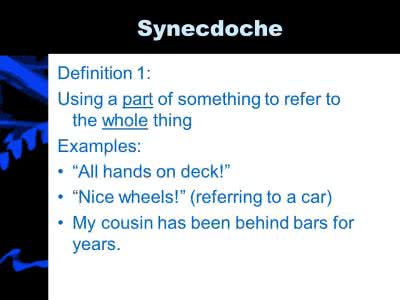
/sɪˈnek.də.ki/
(noun) 환유
예시:
The phrase 'all hands on deck' is a synecdoche, where 'hands' refers to the sailors.
'all hands on deck'라는 구절은 '손'이 선원들을 의미하는 환유이다.
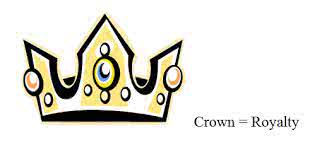
/məˈtɑː.nə.mi/
(noun) 환유
예시:
The phrase 'the crown' is an example of metonymy, referring to the monarchy.
'왕관'이라는 구절은 군주제를 지칭하는 환유의 한 예입니다.

/pɚˌsɑː.nə.fəˈkeɪ.ʃən/
(noun) 의인화, 화신
예시:
The wind whispered through the trees, a beautiful example of personification.
바람이 나무들 사이로 속삭였다, 의인화의 아름다운 예시이다.
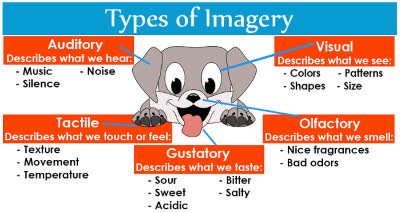
/ˈɪm.ə.dʒər.i/
(noun) 심상, 이미지, 영상
예시:
The poet used vivid imagery to describe the sunset.
시인은 생생한 심상을 사용하여 일몰을 묘사했다.
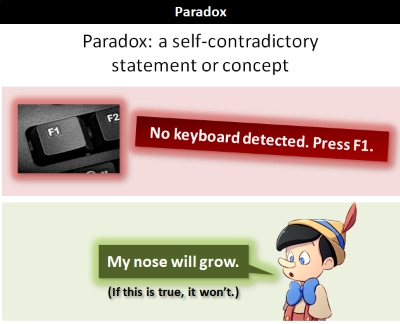
/ˈper.ə.dɑːks/
(noun) 역설, 모순
예시:
The statement "This statement is false" is a classic paradox.
“이 문장은 거짓이다”라는 진술은 고전적인 역설이다.

/moʊˈtiːf/
(noun) 모티프, 주제, 무늬
예시:
The motif of betrayal runs through the entire novel.
배신의 모티프가 소설 전체에 흐른다.
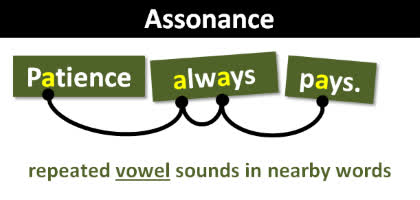
/ˈæs.ən.əns/
(noun) 모음 반복, 유사 모음
예시:
The poem used assonance with the repeated 'o' sound in 'old' and 'cold'.
그 시는 'old'와 'cold'에서 'o' 소리를 반복하여 모음 반복을 사용했다.
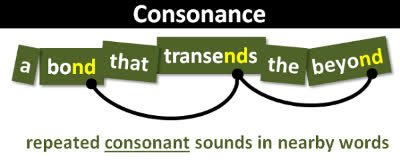
/ˈkɑːn.sə.nəns/
(noun) 일치, 조화, 화합
예시:
There was a strong consonance between their views on the project.
그들의 프로젝트에 대한 견해는 강한 일치를 보였다.
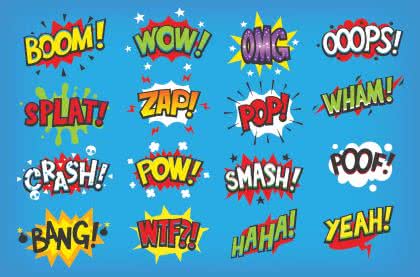
/ˌɑː.noʊˌmæt̬.oʊˈpiː.ə/
(noun) 의성어, 의태어
예시:
The word 'buzz' is an example of onomatopoeia.
'buzz'라는 단어는 의성어의 한 예입니다.
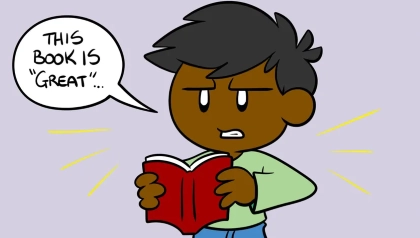
/ˈaɪ.rə.ni/
(noun) 아이러니, 반어법, 역설
예시:
The irony of the situation was that the fire station burned down.
상황의 아이러니는 소방서가 불에 탔다는 것이었다.
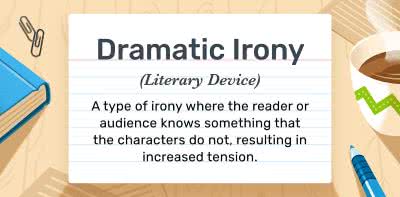
/drəˌmæt.ɪk ˈaɪ.rə.ni/
(noun) 극적 아이러니
예시:
The play uses dramatic irony when the audience knows the killer's identity, but the characters do not.
관객은 살인자의 정체를 알지만 등장인물들은 모를 때, 이 연극은 극적 아이러니를 사용한다.
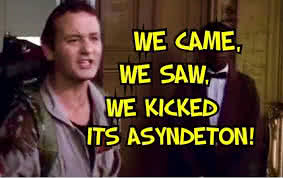
/əˈsɪndɪtɑːn/
(noun) 무접속, 접속사 생략
예시:
The phrase "I came, I saw, I conquered" is an example of asyndeton.
“왔노라, 보았노라, 이겼노라”라는 문구는 무접속의 한 예이다.
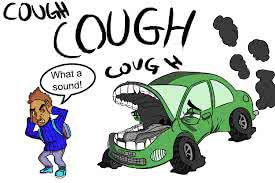
/kəˈkɑː.fə.ni/
(noun) 불협화음, 소음
예시:
The city street was a cacophony of car horns and shouting.
도시 거리는 자동차 경적과 고함 소리의 불협화음이었다.
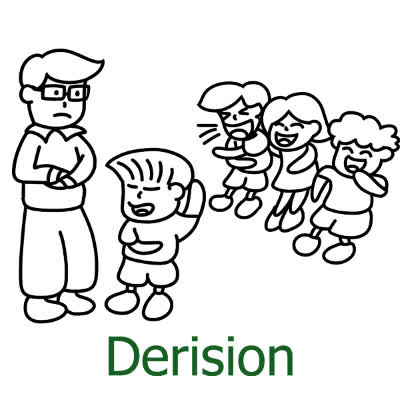
/dɪˈrɪʒ.ən/
(noun) 조롱, 비웃음
예시:
His proposal was met with widespread derision.
그의 제안은 광범위한 조롱을 받았다.

/fɔrˈʃæd·oʊ·ɪŋ, foʊr-/
(noun) 복선, 전조
예시:
The dark clouds and distant thunder served as foreshadowing of the coming storm.
어두운 구름과 멀리서 들리는 천둥은 다가올 폭풍의 전조 역할을 했다.

/haɪˈpɝː.bəl.i/
(noun) 과장법, 과장
예시:
He used hyperbole to describe his hunger, saying he could eat a horse.
그는 배고픔을 묘사하기 위해 과장법을 사용하여 말 한 마리도 먹을 수 있다고 말했다.
/ˌɪn.juˈen.doʊ/
(noun) 암시, 빈정거림
예시:
His speech was full of subtle innuendos.
그의 연설은 미묘한 암시로 가득했다.
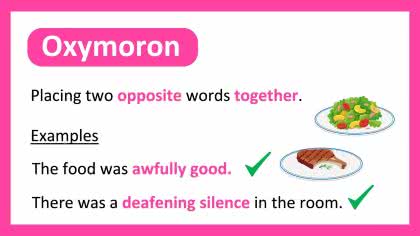
/ˌɑːk.sɪˈmɔːr.ɑːn/
(noun) 모순어법, 모순형용
예시:
The phrase 'jumbo shrimp' is a classic example of an oxymoron.
'점보 새우'라는 문구는 모순어법의 전형적인 예입니다.
/ˈpliː.ə.næz.əm/
(noun) 군더더기 표현, 과잉 표현
예시:
The phrase 'free gift' is a pleonasm because all gifts are free.
'무료 선물'이라는 문구는 모든 선물이 무료이기 때문에 군더더기 표현이다.
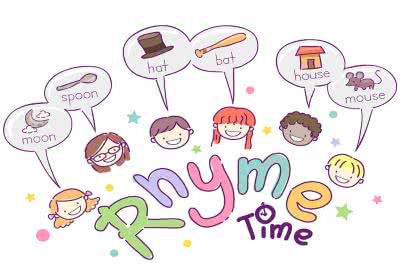
/raɪm/
(noun) 운율, 각운;
(verb) 운율을 맞추다, 각운을 맞추다
예시:
The poem used a simple AABB rhyme scheme.
그 시는 간단한 AABB 운율을 사용했다.

/ˈrɪð.əm/
(noun) 리듬, 박자, 규칙성
예시:
The dancer moved with a graceful rhythm.
무용수는 우아한 리듬으로 움직였다.
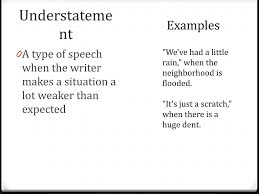
/ˌʌn.dɚˈsteɪt.mənt/
(noun) 절제된 표현, 과소평가
예시:
To say it was difficult would be an understatement.
그것이 어려웠다고 말하는 것은 절제된 표현일 것이다.
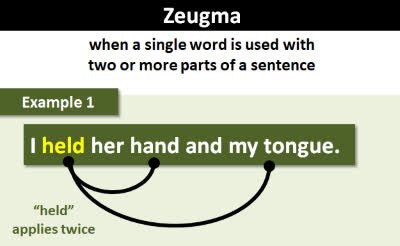
/ˈzuːɡ.mə/
(noun) 제우그마, 동어반복
예시:
The sentence 'She broke his car and his heart' is an example of zeugma.
'그녀는 그의 차와 그의 마음을 부쉈다'는 문장은 제우그마의 한 예이다.