Avatar of Vocabulary Set 言語学と言語の特徴 2

言語 内 言語学と言語の特徴 2 語彙セット:完全かつ詳細なリスト

「言語」内の「言語学と言語の特徴 2」語彙セットは国際標準教材から厳選され、短期間で語彙をマスターできます。定義、例文、標準発音を網羅…

Lingolandでこの語彙セットを学習

今すぐ学習

idiolect

/ˈɪd.i.oʊ.lɛkt/

(noun) 個人語, 個人方言

例:

Every individual has a unique idiolect, reflecting their personal experiences and influences.
すべての個人は、個人的な経験や影響を反映した独自の個人語を持っています。

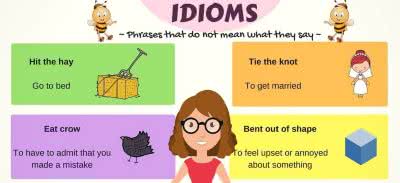
idiom

/ˈɪd.i.əm/

(noun) イディオム, 慣用句

例:

Learning English idioms can be challenging but rewarding.
英語のイディオムを学ぶのは難しいですが、やりがいがあります。

innuendo

/ˌɪn.juˈen.doʊ/

(noun) ほのめかし, 当てこすり

例:

His speech was full of subtle innuendos.
彼のスピーチは微妙なほのめかしに満ちていた。

inversion

/ɪnˈvɝː.ʒən/

(noun) 反転, 逆転, 倒置

例:

The photograph showed an inversion of the landscape, with the sky at the bottom.
その写真は、空が下にある風景の反転を示していた。

ironic

/aɪˈrɑː.nɪk/

(adjective) 皮肉な

例:

It's ironic that he's a swimming instructor who's afraid of water.
彼が水が怖い水泳インストラクターだなんて皮肉なことだ。

jargon

/ˈdʒɑːr.ɡən/

(noun) 専門用語, 隠語

例:

The legal document was full of technical jargon.
その法的文書は専門用語でいっぱいだった。

language transfer

/ˈlæŋɡwɪdʒ ˈtrænsfər/

(noun) 言語転移

例:

Positive language transfer can make learning a new language easier.
ポジティブな言語転移は、新しい言語の学習を容易にすることができます。

lexeme

/ˈlek.siːm/

(noun) 語彙素, 語基

例:

The words 'run', 'runs', 'ran', and 'running' all belong to the same lexeme 'RUN'.
「run」、「runs」、「ran」、「running」という単語はすべて同じ語彙素「RUN」に属します。

linguistic

/lɪŋˈɡwɪs.tɪk/

(adjective) 言語の, 言語学の

例:

The study of linguistic diversity is fascinating.
言語の多様性の研究は魅力的です。

linguistics

/lɪŋˈɡwɪs.tɪks/

(noun) 言語学

例:

She is pursuing a degree in linguistics.
彼女は言語学の学位を取得するために勉強している。

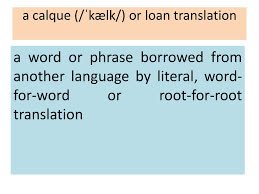
loan translation

/ˈloʊn trænsˌleɪʃən/

(noun) 借用翻訳, 直訳

例:

The term 'skyscraper' is a loan translation from Dutch 'wolkenkrabber'.
「スカイスクレイパー」という用語は、オランダ語の「wolkenkrabber」からの借用翻訳です。

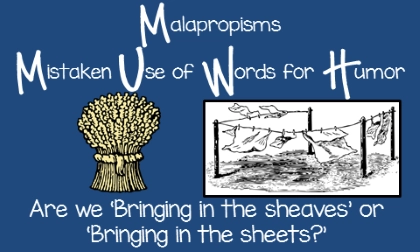
malapropism

/ˈmæl.ə.prɑːp.ɪ.zəm/

(noun) 言葉の誤用, 言い間違い

例:

The politician's speech was full of malapropisms, making the audience chuckle.
政治家のスピーチは言葉の誤用だらけで、聴衆を笑わせた。

morpheme

/ˈmɔːr.fiːm/

(noun) 形態素

例:

The word 'unbreakable' contains three morphemes: 'un-', 'break', and '-able'.
「unbreakable」という単語には、「un-」、「break」、「-able」という3つの形態素が含まれています。

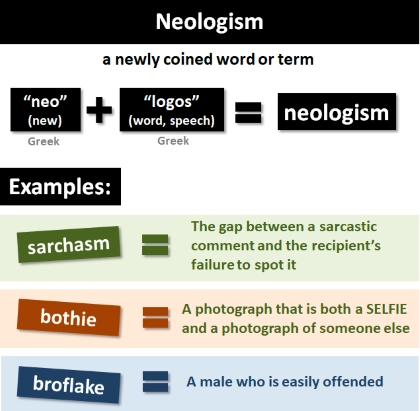
neologism

/niˈɑː.lə.dʒɪ.zəm/

(noun) 新語, 造語

例:

The word 'internet' was once a neologism.
「インターネット」という言葉はかつて新語でした。

non sequitur

/ˌnɑːn ˈsek.wɪ.tʊr/

(noun) 論理の飛躍, 不合理な結論

例:

His argument was full of non sequiturs, making it hard to follow.
彼の議論は論理の飛躍だらけで、ついていくのが難しかった。

palindrome

/ˈpæl.ɪn.droʊm/

(noun) 回文

例:

The word 'level' is a palindrome.
「level」という単語は回文です。

paragraph

/ˈper.ə.ɡræf/

(noun) 段落;

(verb) 段落に分ける

例:

Please read the first paragraph of the essay.
エッセイの最初の段落を読んでください。

parenthesis

/pəˈren.θə.sɪs/

(noun) 括弧, 挿入句

例:

The author used a parenthesis to add extra information.
著者は追加情報を加えるために括弧を使用した。

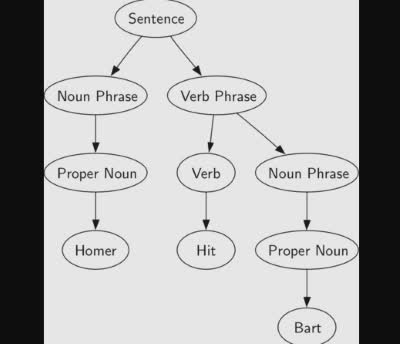
parse

/pɑːrs/

(verb) 解析する, 構文解析する

例:

The software can parse complex data structures.
そのソフトウェアは複雑なデータ構造を解析できる。

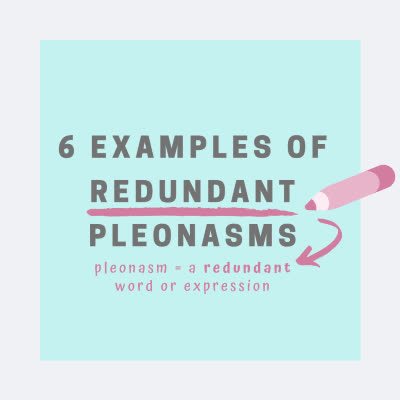
pleonasm

/ˈpliː.ə.næz.əm/

(noun) 冗語, 冗長表現

例:

The phrase 'free gift' is a pleonasm because all gifts are free.
「無料の贈り物」というフレーズは、すべての贈り物が無料であるため、冗語です。

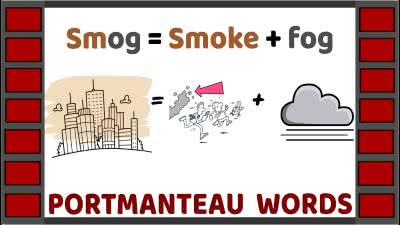
portmanteau word

/pɔːrtˈmæntoʊ wɜːrd/

(noun) かばん語

例:

The term 'brunch' is a portmanteau word, combining 'breakfast' and 'lunch'.
「ブランチ」という言葉は、「ブレックファスト」と「ランチ」を組み合わせたかばん語です。

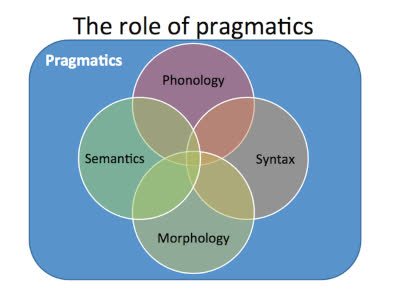
pragmatics

/præɡˈmæt̬.ɪks/

(noun) 語用論

例:

Understanding pragmatics is crucial for effective communication.
語用論を理解することは、効果的なコミュニケーションのために不可欠です。

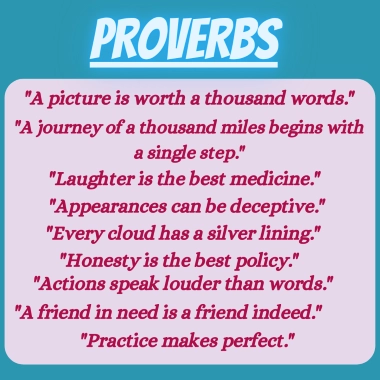
proverb

/ˈprɑː.vɝːb/

(noun) ことわざ, 格言

例:

The old proverb says, "Actions speak louder than words."
古いことわざに「行動は言葉よりも雄弁である」とあります。

pun

/pʌn/

(noun) だじゃれ, 語呂合わせ;

(verb) だじゃれを言う, 語呂合わせをする

例:

He made a clever pun about the baker, saying he kneaded the dough.
彼はパン屋について「生地をこねる(kneaded the dough)」という巧妙なだじゃれを言った。

quote

/kwoʊt/

(verb) 引用する, 抜粋する, 見積もる;

(noun) 引用, 名言, 見積もり

例:

She likes to quote Shakespeare in her essays.
彼女はエッセイでシェイクスピアを引用するのが好きだ。

register

/ˈredʒ.ə.stɚ/

(verb) 登録する, 記録する, 示す;

(noun) 登録簿, 名簿, レジ

例:
You need to register your car with the DMV.
DMVに車を登録する必要があります。

rhetorical

/rɪˈtɔːr.ɪ.kəl/

(adjective) 修辞的な, 弁論術の, 反語的な

例:

He used a lot of rhetorical devices in his speech.
彼はスピーチで多くの修辞的な表現を使った。

saying

/ˈseɪ.ɪŋ/

(noun) ことわざ, 格言, 言い習わし

例:

As the old saying goes, 'Actions speak louder than words.'
古いことわざにあるように、「行動は言葉よりも雄弁である」。

semantics

/səˈmæn.t̬ɪks/

(noun) 意味論, 意味, 語義

例:

The study of semantics helps us understand how language conveys meaning.
意味論の研究は、言語がどのように意味を伝えるかを理解するのに役立ちます。

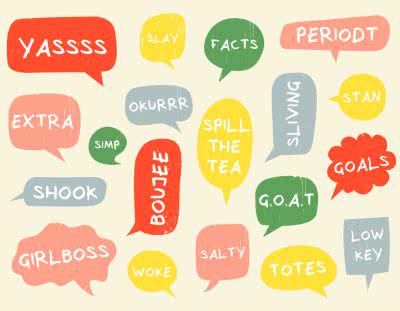
slang

/slæŋ/

(noun) 俗語, スラング;

(verb) 俗語を使う, スラングで話す

例:

The teenagers were speaking in a lot of slang I didn't understand.
ティーンエイジャーたちは、私が理解できない多くの俗語で話していた。

spoken word

/ˈspoʊkən wɜrd/

(noun) スポークンワード, 朗読詩

例:

The artist performed a powerful piece of spoken word at the open mic night.
そのアーティストはオープンマイクの夜に力強いスポークンワードの作品を披露した。

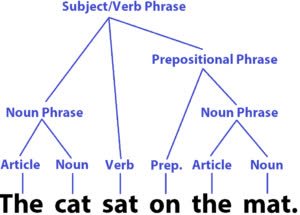
syntax

/ˈsɪn.tæks/

(noun) 構文, 統語論, シンタックス

例:

The grammar checker identified an error in the sentence syntax.
文法チェッカーは文の構文にエラーを特定しました。

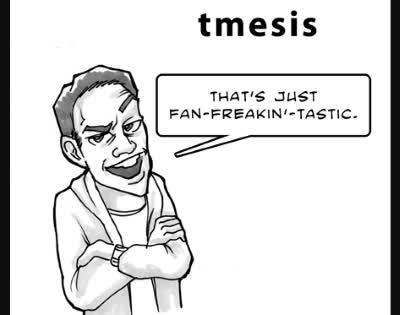
tmesis

/tmiːsɪs/

(noun) 中挿入

例:

The use of "fan-bloody-tastic" is an example of tmesis.
「fan-bloody-tastic」の使用は中挿入の一例です。

uptalk

/ˈʌp.tɔːk/

(noun) 語尾上げ, 疑問形イントネーション

例:

Her presentation was hard to follow because of her constant uptalk.
彼女のプレゼンテーションは、絶え間ない語尾上げのせいで理解しにくかった。

vocabulary

/voʊˈkæb.jə.ler.i/

(noun) 語彙, 単語, 語彙集

例:

She has an extensive English vocabulary.
彼女は幅広い英語の語彙を持っている。
Lingolandでこの語彙セットを学習