
词汇集 语言学和语言特征 2(属于 语言):完整且详细的清单
词汇集「语言学和语言特征 2」(属于「语言」)从国际标准教材来源精心挑选,帮助您在短时间内掌握词汇。全面汇整定义、例句及标准发音…
在 Lingoland 学习此词汇集
立即学习
/ˈɪd.i.oʊ.lɛkt/
(noun) 个人习语, 个人方言
示例:
Every individual has a unique idiolect, reflecting their personal experiences and influences.
每个人都有独特的个人习语,反映了他们的个人经历和影响。
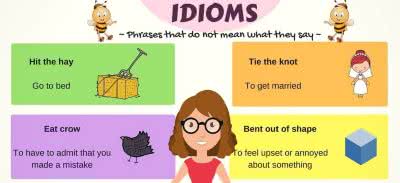
/ˈɪd.i.əm/
(noun) 习语, 成语
示例:
Learning English idioms can be challenging but rewarding.
学习英语习语可能具有挑战性,但很有意义。


/ɪnˈvɝː.ʒən/
(noun) 倒置, 颠倒, 倒装
示例:
The photograph showed an inversion of the landscape, with the sky at the bottom.
这张照片显示了景观的倒置,天空在底部。

/aɪˈrɑː.nɪk/
(adjective) 讽刺的, 具有讽刺意味的
示例:
It's ironic that he's a swimming instructor who's afraid of water.
他是一个怕水的游泳教练,这很讽刺。

/ˈdʒɑːr.ɡən/
(noun) 行话, 术语
示例:
The legal document was full of technical jargon.
这份法律文件充满了技术术语。
/ˈlæŋɡwɪdʒ ˈtrænsfər/
(noun) 语言迁移
示例:
Positive language transfer can make learning a new language easier.
积极的语言迁移可以使学习一门新语言变得更容易。
/ˈlek.siːm/
(noun) 词位, 词素
示例:
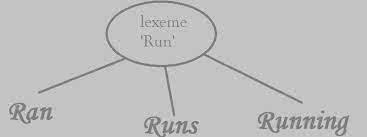
The words 'run', 'runs', 'ran', and 'running' all belong to the same lexeme 'RUN'.
单词“run”、“runs”、“ran”和“running”都属于同一个词位“RUN”。

/lɪŋˈɡwɪs.tɪk/
(adjective) 语言的, 语言学的
示例:
The study of linguistic diversity is fascinating.
语言多样性的研究引人入胜。
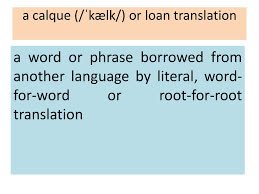
/ˈloʊn trænsˌleɪʃən/
(noun) 借译, 仿译
示例:
The term 'skyscraper' is a loan translation from Dutch 'wolkenkrabber'.
“摩天大楼”一词是荷兰语“wolkenkrabber”的借译。
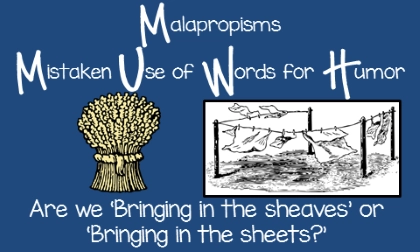
/ˈmæl.ə.prɑːp.ɪ.zəm/
(noun) 荒谬的用词错误, 词语误用
示例:
The politician's speech was full of malapropisms, making the audience chuckle.
这位政治家的演讲充满了荒谬的用词错误,引得听众窃笑。

/ˈmɔːr.fiːm/
(noun) 语素
示例:
The word 'unbreakable' contains three morphemes: 'un-', 'break', and '-able'.
单词“unbreakable”包含三个语素:“un-”、“break”和“-able”。
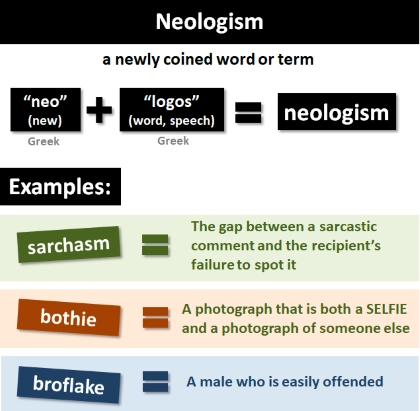
/niˈɑː.lə.dʒɪ.zəm/
(noun) 新词, 新词语
示例:
The word 'internet' was once a neologism.
“互联网”这个词曾经是一个新词。

/ˌnɑːn ˈsek.wɪ.tʊr/
(noun) 不合逻辑的推论, 不相干的结论
示例:
His argument was full of non sequiturs, making it hard to follow.
他的论点充满了不合逻辑的推论,让人难以理解。
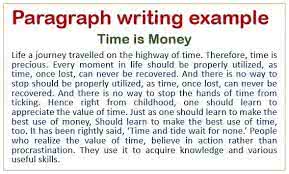
/ˈper.ə.ɡræf/
(noun) 段落;
(verb) 分段
示例:
Please read the first paragraph of the essay.
请阅读文章的第一个段落。

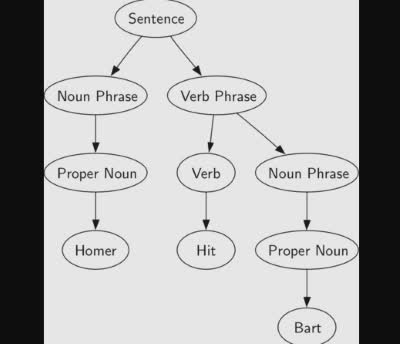
/pəˈren.θə.sɪs/
(noun) 括号, 插入语
示例:
The author used a parenthesis to add extra information.
作者使用括号添加额外信息。
/ˈpliː.ə.næz.əm/
(noun) 赘语, 冗余
示例:
The phrase 'free gift' is a pleonasm because all gifts are free.
“免费赠品”这个短语是赘语,因为所有赠品都是免费的。
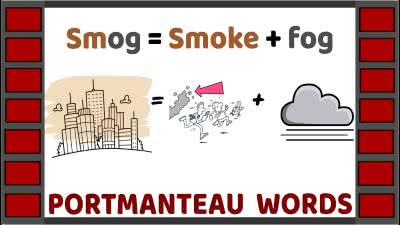
/pɔːrtˈmæntoʊ wɜːrd/
(noun) 合成词, 混成词
示例:
The term 'brunch' is a portmanteau word, combining 'breakfast' and 'lunch'.
“早午餐”一词是一个合成词,结合了“早餐”和“午餐”。
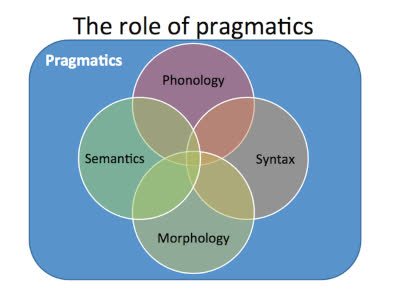
/præɡˈmæt̬.ɪks/
(noun) 语用学
示例:
Understanding pragmatics is crucial for effective communication.
理解语用学对于有效沟通至关重要。
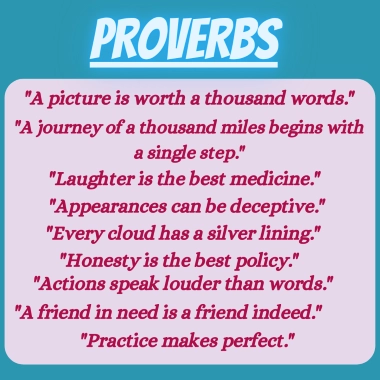
/ˈprɑː.vɝːb/
(noun) 谚语, 格言
示例:
The old proverb says, "Actions speak louder than words."
古老的谚语说:“行动胜于言语。”

/pʌn/
(noun) 双关语, 俏皮话;
(verb) 开双关语的玩笑, 说俏皮话
示例:
He made a clever pun about the baker, saying he kneaded the dough.
他巧妙地拿面包师开了一个双关语的玩笑,说他“揉面团”(kneaded the dough)。

/kwoʊt/
(verb) 引用, 引述, 报价;
(noun) 引文, 引语, 报价
示例:
She likes to quote Shakespeare in her essays.
她喜欢在文章中引用莎士比亚。

/ˈredʒ.ə.stɚ/
(verb) 注册, 登记, 显示;
(noun) 登记簿, 名册, 收银机
示例:
You need to register your car with the DMV.
你需要到车管所注册你的车。
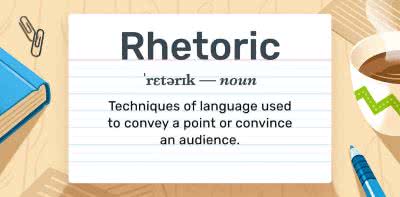
/rɪˈtɔːr.ɪ.kəl/
(adjective) 修辞的, 雄辩的, 反问的
示例:
He used a lot of rhetorical devices in his speech.
他在演讲中使用了许多修辞手法。

/ˈseɪ.ɪŋ/
(noun) 俗语, 格言, 谚语
示例:
As the old saying goes, 'Actions speak louder than words.'
正如老话所说,“行动胜于言语”。
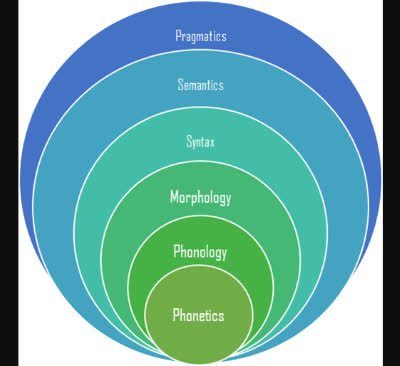
/səˈmæn.t̬ɪks/
(noun) 语义学, 语义, 含义
示例:
The study of semantics helps us understand how language conveys meaning.
语义学的研究帮助我们理解语言如何传达意义。
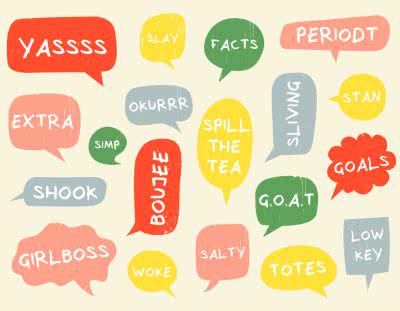
/slæŋ/
(noun) 俚语, 俗语;
(verb) 说俚语, 用俗语
示例:
The teenagers were speaking in a lot of slang I didn't understand.
青少年们说了很多我听不懂的俚语。

/ˈspoʊkən wɜrd/
(noun) 口语诗歌, 口头表演
示例:
The artist performed a powerful piece of spoken word at the open mic night.
这位艺术家在开放麦之夜表演了一段充满力量的口语诗歌。
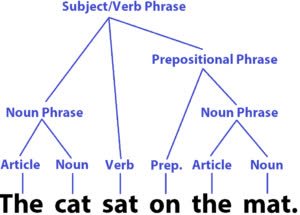
/ˈsɪn.tæks/
(noun) 语法, 句法
示例:
The grammar checker identified an error in the sentence syntax.
语法检查器识别出句子语法中的错误。
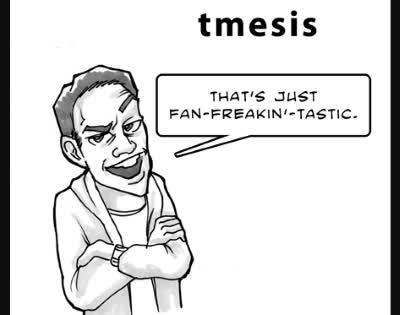
/tmiːsɪs/
(noun) 离析
示例:
The use of "fan-bloody-tastic" is an example of tmesis.
使用“fan-bloody-tastic”是离析的一个例子。

/ˈʌp.tɔːk/
(noun) 语调上扬, 疑问语调
示例:
Her presentation was hard to follow because of her constant uptalk.
她的演讲很难理解,因为她总是语调上扬。

/voʊˈkæb.jə.ler.i/
(noun) 词汇, 词汇量, 词汇表
示例:
She has an extensive English vocabulary.
她有丰富的英语词汇量。