
Linguistics and Language Features 2 Vocabulary Set in Language: Full and Detailed List
The 'Linguistics and Language Features 2' vocabulary set in 'Language' is carefully selected from standard international textbook sources, helping you master vocabulary in a short time. Comprehensive compilation of definitions, illustrative examples, and standard pronunciation...
Learn this vocabulary set on Lingoland
Learn Now
/ˈɪd.i.oʊ.lɛkt/
Example:
Every individual has a unique idiolect, reflecting their personal experiences and influences.
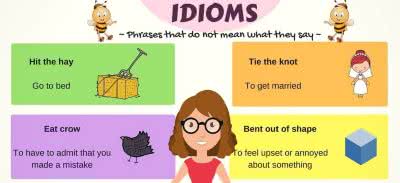
/ˈɪd.i.əm/
Example:
Learning English idioms can be challenging but rewarding.
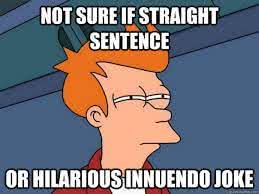
/ˌɪn.juˈen.doʊ/
Example:
His speech was full of subtle innuendos.

/ɪnˈvɝː.ʒən/
Example:
The photograph showed an inversion of the landscape, with the sky at the bottom.

/aɪˈrɑː.nɪk/
Example:
It's ironic that he's a swimming instructor who's afraid of water.

/ˈdʒɑːr.ɡən/
Example:
The legal document was full of technical jargon.

/ˈlæŋɡwɪdʒ ˈtrænsfər/
Example:
Positive language transfer can make learning a new language easier.
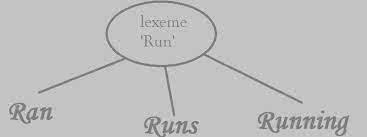
/ˈlek.siːm/
Example:
The words 'run', 'runs', 'ran', and 'running' all belong to the same lexeme 'RUN'.

/lɪŋˈɡwɪs.tɪk/
Example:
The study of linguistic diversity is fascinating.
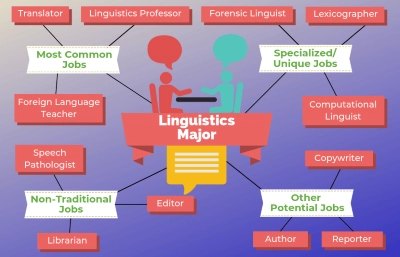
/lɪŋˈɡwɪs.tɪks/
Example:
She is pursuing a degree in linguistics.
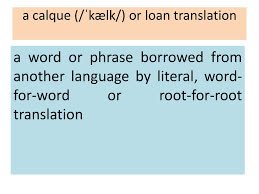
/ˈloʊn trænsˌleɪʃən/
Example:
The term 'skyscraper' is a loan translation from Dutch 'wolkenkrabber'.
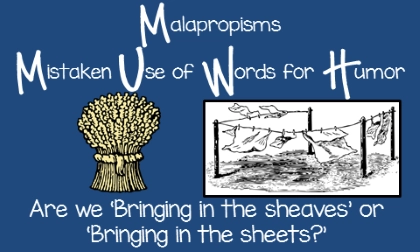
/ˈmæl.ə.prɑːp.ɪ.zəm/
Example:
The politician's speech was full of malapropisms, making the audience chuckle.

/ˈmɔːr.fiːm/
Example:
The word 'unbreakable' contains three morphemes: 'un-', 'break', and '-able'.
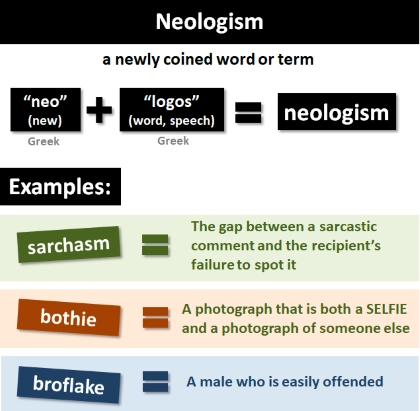
/niˈɑː.lə.dʒɪ.zəm/
Example:
The word 'internet' was once a neologism.
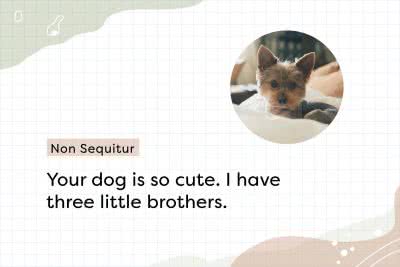
/ˌnɑːn ˈsek.wɪ.tʊr/
Example:
His argument was full of non sequiturs, making it hard to follow.
/ˈpæl.ɪn.droʊm/
Example:
The word 'level' is a palindrome.
/ˈper.ə.ɡræf/
Example:
Please read the first paragraph of the essay.

/pəˈren.θə.sɪs/
Example:
The author used a parenthesis to add extra information.
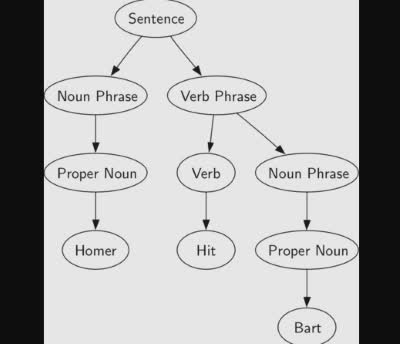
/pɑːrs/
Example:
The software can parse complex data structures.
/ˈpliː.ə.næz.əm/
Example:
The phrase 'free gift' is a pleonasm because all gifts are free.
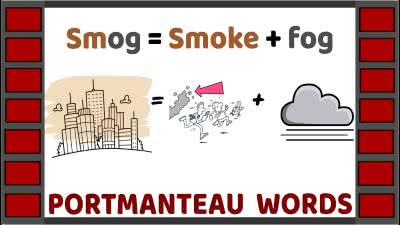
/pɔːrtˈmæntoʊ wɜːrd/
Example:
The term 'brunch' is a portmanteau word, combining 'breakfast' and 'lunch'.
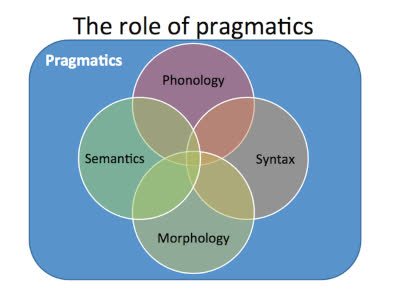
/præɡˈmæt̬.ɪks/
Example:
Understanding pragmatics is crucial for effective communication.
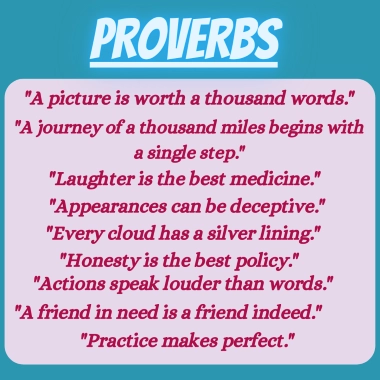
/ˈprɑː.vɝːb/
Example:
The old proverb says, "Actions speak louder than words."

/pʌn/
Example:
He made a clever pun about the baker, saying he kneaded the dough.

/kwoʊt/
Example:
She likes to quote Shakespeare in her essays.

/ˈredʒ.ə.stɚ/
Example:
You need to register your car with the DMV.
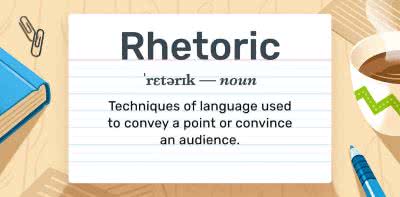
/rɪˈtɔːr.ɪ.kəl/
Example:
He used a lot of rhetorical devices in his speech.

/ˈseɪ.ɪŋ/
Example:
As the old saying goes, 'Actions speak louder than words.'
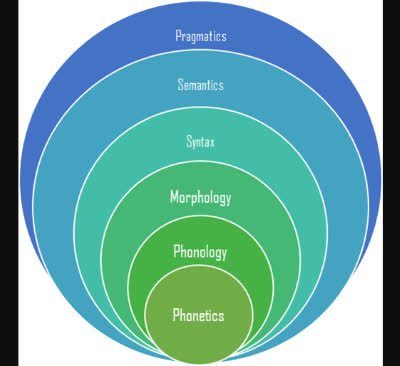
/səˈmæn.t̬ɪks/
Example:
The study of semantics helps us understand how language conveys meaning.
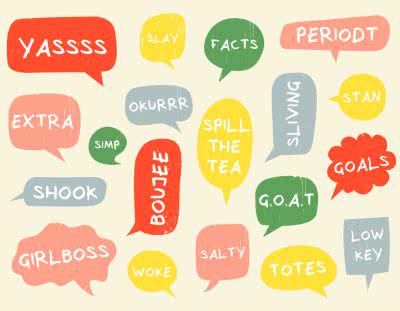
/slæŋ/
Example:
The teenagers were speaking in a lot of slang I didn't understand.

/ˈspoʊkən wɜrd/
Example:
The artist performed a powerful piece of spoken word at the open mic night.
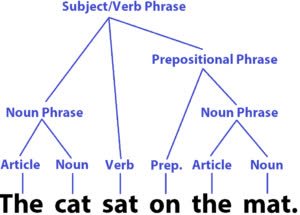
/ˈsɪn.tæks/
Example:
The grammar checker identified an error in the sentence syntax.
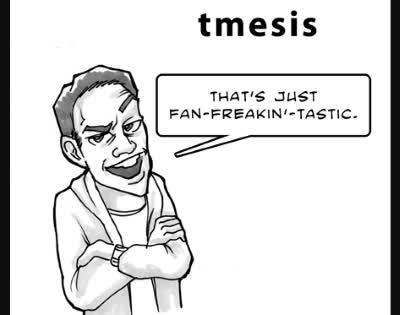
/tmiːsɪs/
Example:
The use of "fan-bloody-tastic" is an example of tmesis.

/ˈʌp.tɔːk/
Example:
Her presentation was hard to follow because of her constant uptalk.

/voʊˈkæb.jə.ler.i/
Example:
She has an extensive English vocabulary.