
Avatar of Vocabulary Set Efficace

Insieme di vocabolario Efficace in Risultati e impatto: Lista completa e dettagliata

L'insieme di vocabolario 'Efficace' in 'Risultati e impatto' è selezionato con cura da fonti di testi standard internazionali, aiutandoti a padroneggiare il vocabolario in breve tempo. Compilazione completa di definizioni, esempi illustrativi e pronuncia standard...

Impara questo insieme di vocabolario su Lingoland

Impara ora
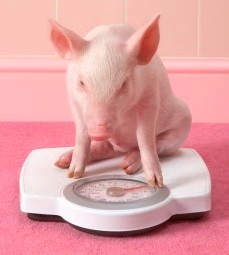
you don't fatten a pig by weighing it

/ju doʊnt ˈfæt.ən ə pɪɡ baɪ ˈweɪ.ɪŋ ɪt/

(idiom) non si ingrassa un maiale pesandolo

Esempio:

Constant testing won't help students learn more; remember, you don't fatten a pig by weighing it.
I test continui non aiuteranno gli studenti a imparare di più; ricorda, non si ingrassa un maiale pesandolo.

he travels the fastest who travels alone

/hi ˈtræv.əlz ðə ˈfæs.təst hu ˈtræv.əlz əˈloʊn/

(idiom) chi viaggia solo viaggia più veloce

Esempio:

He decided not to take a partner for his startup, believing that he travels the fastest who travels alone.
Decise di non prendere un socio per la sua startup, convinto che chi viaggia solo viaggia più veloce.

a short horse is soon curried

/ə ʃɔːrt hɔːrs ɪz suːn ˈkɜːr.id/

(idiom) un piccolo compito si finisce presto, chi vale poco si adira subito

Esempio:

Don't worry about that minor project; a short horse is soon curried.
Non preoccuparti per quel piccolo progetto; un compito breve si finisce presto.

a work ill done must be twice done

/ə wɜrk ɪl dʌn mʌst bi twaɪs dʌn/

(idiom) un lavoro fatto male va fatto due volte

Esempio:

Take your time with the repairs; remember, a work ill done must be twice done.
Prenditi il tuo tempo per le riparazioni; ricorda, un lavoro fatto male va fatto due volte.

better one house spoiled than two

/ˈbetər wʌn haʊs spɔɪld ðæn tuː/

(idiom) meglio una casa rovinata che due

Esempio:

They are both so difficult; perhaps it's better one house spoiled than two.
Sono entrambi così difficili; forse è meglio una casa rovinata che due.

better to have it and not need it than to need it and not have it

/ˈbetər tu həv ɪt ənd nɑt nid ɪt ðæn tu nid ɪt ənd nɑt həv ɪt/

(idiom) meglio averlo e non averne bisogno

Esempio:

I'm bringing an umbrella just in case; better to have it and not need it than to need it and not have it.
Porto un ombrello per ogni evenienza; meglio averlo e non averne bisogno che averne bisogno e non averlo.

busiest men have the most leisure

/ˈbɪziəst mɛn hæv ðə moʊst ˈliːʒər/

(phrase) chi è più occupato ha più tempo libero

Esempio:

He manages three companies but still finds time for his hobbies; truly, busiest men have the most leisure.
Gestisce tre aziende ma trova ancora tempo per i suoi hobby; davvero, chi è più occupato ha più tempo libero.

councils of war never fight

/ˈkaʊnsəlz əv wɔːr ˈnɛvər faɪt/

(idiom) i consigli di guerra non combattono mai

Esempio:
The committee has been meeting for months without a decision; it seems councils of war never fight.
Il comitato si riunisce da mesi senza una decisione; sembra che i consigli di guerra non combattano mai.

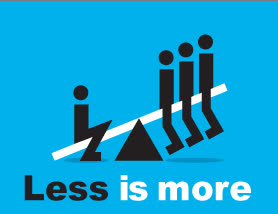
less is more

/les ɪz mɔːr/

(idiom) il meno è meglio, meno è più

Esempio:
When it comes to interior design, I always believe that less is more.
Quando si tratta di interior design, credo sempre che il meno sia meglio.

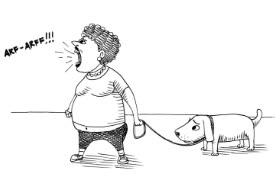
why keep a dog and bark yourself

/waɪ kiːp ə dɔːɡ ænd bɑːrk jərˈsɛlf/

(idiom) perché tenere un cane e abbaiare da soli?

Esempio:

I've hired a personal assistant to handle my emails; after all, why keep a dog and bark yourself?
Ho assunto un assistente personale per gestire le mie email; dopotutto, perché tenere un cane e abbaiare da soli?

the worth of a thing is what it will bring

/ðə wɜrθ ʌv ə θɪŋ ɪz wʌt ɪt wɪl brɪŋ/

(idiom) il valore di una cosa è dato da quanto si riesce a ricavarne

Esempio:
I know you love that old car, but the worth of a thing is what it will bring, and no one is offering more than a thousand dollars.
So che ami quella vecchia auto, ma il valore di una cosa è dato da quanto si riesce a ricavarne, e nessuno offre più di mille dollari.

all is well that ends well

/ɔːl ɪz wel ðæt endz wel/

(idiom) tutto è bene quel che finisce bene

Esempio:

We had a lot of trouble with the car, but we arrived on time, so all is well that ends well.
Abbiamo avuto molti problemi con l'auto, ma siamo arrivati in tempo, quindi tutto è bene quel che finisce bene.

an hour in the morning is worth two in the evening

/æn ˈaʊər ɪn ðə ˈmɔːrnɪŋ ɪz wɜːrθ tuː ɪn ðə ˈiːvnɪŋ/

(idiom) un'ora al mattino ne vale due alla sera

Esempio:

I always start my work at 6 AM because an hour in the morning is worth two in the evening.
Inizio sempre a lavorare alle 6 del mattino perché un'ora al mattino ne vale due alla sera.
Impara questo insieme di vocabolario su Lingoland