Avatar of Vocabulary Set Formar o Expresar una Opinión 5

Conjunto de vocabulario Formar o Expresar una Opinión 5 en Opinión y Argumento: Lista completa y detallada

El conjunto de vocabulario 'Formar o Expresar una Opinión 5' en 'Opinión y Argumento' está seleccionado cuidadosamente de fuentes de libros de texto estándar internacionales, ayudándote a dominar el vocabulario en poco tiempo. Incluye definiciones completas, ejemplos ilustrativos y pronunciación estándar...

Aprende este conjunto de vocabulario en Lingoland

Aprender ahora

say

/seɪ/

(verb) decir, expresar, significar;

(noun) opinión, voz

Ejemplo:

He didn't say anything.
Él no dijo nada.

scorn

/skɔːrn/

(noun) desprecio, escarnio;

(verb) despreciar, escarniar

Ejemplo:
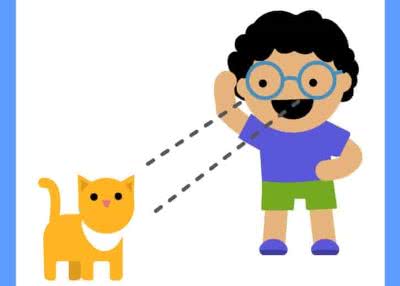
She felt nothing but scorn for his cowardly actions.
No sentía más que desprecio por sus acciones cobardes.

see

/siː/

(verb) ver, divisar, entender;

(noun) sede, diócesis;

(exclamation) ves, ya veo

Ejemplo:
Can you see the mountains from here?
¿Puedes ver las montañas desde aquí?

seesaw

/ˈsiː.sɑː/

(noun) subibaja, balancín;

(verb) subir y bajar, balancearse, oscilar

Ejemplo:
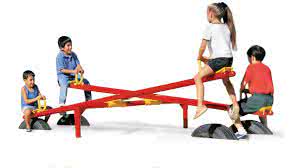
The children laughed as they played on the seesaw.
Los niños reían mientras jugaban en el subibaja.

self-image

/ˈself ˌɪm.ɪdʒ/

(noun) autoimagen

Ejemplo:

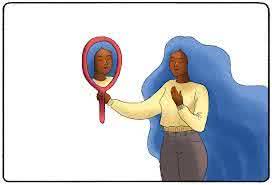
She has a positive self-image despite her struggles.
Ella tiene una autoimagen positiva a pesar de sus luchas.

sentiment

/ˈsen.t̬ə.mənt/

(noun) sentimiento, opinión, sentimentalismo

Ejemplo:

The song evoked a strong sentiment of nostalgia.
La canción evocó un fuerte sentimiento de nostalgia.

shade

/ʃeɪd/

(noun) sombra, tono, matiz;

(verb) sombrear, proteger, matizar

Ejemplo:

We sat in the shade of a large tree.
Nos sentamos a la sombra de un gran árbol.

shift

/ʃɪft/

(noun) cambio, desplazamiento, turno;

(verb) mover, desplazar, cambiar de marcha

Ejemplo:

There has been a significant shift in public opinion.
Ha habido un cambio significativo en la opinión pública.

shoot down

/ʃuːt daʊn/

(phrasal verb) derribar, abatir, rechazar

Ejemplo:

The hunter managed to shoot down the bird.
El cazador logró derribar el pájaro.

should

/ʃʊd/

(modal verb) debería, tendría que, probablemente

Ejemplo:

You should apologize for your behavior.
Deberías disculparte por tu comportamiento.

signal

/ˈsɪɡ.nəl/

(noun) señal, indicación, onda;

(verb) señalar, indicar

Ejemplo:

He gave a signal to the driver to stop.
Dio una señal al conductor para que se detuviera.

size up

/saɪz ʌp/

(phrasal verb) evaluar, analizar

Ejemplo:
He tried to size up his opponent before the match.
Intentó evaluar a su oponente antes del partido.

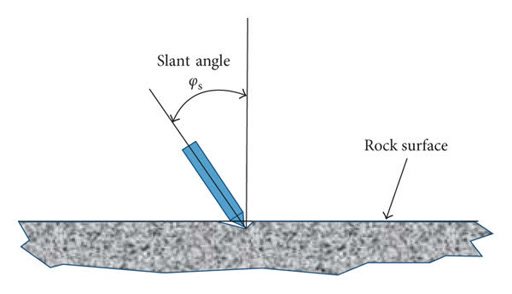
slant

/slænt/

(noun) sesgo, inclinación, punto de vista;

(verb) inclinarse, sesgar, inclinar

Ejemplo:

The news report had a clear political slant.
El reportaje de noticias tenía un claro sesgo político.

slur

/slɝː/

(noun) insulto, calumnia, mancha;

(verb) arrastrar las palabras, farfullar, desacreditar

Ejemplo:

He was fired for making a racial slur.
Fue despedido por hacer un insulto racial.

some

/sʌm/

(determiner) algunos, algunas, algún;

(pronoun) algunos, algunas;

(adverb) algún tipo de, bastante

Ejemplo:

I need some time to think.
Necesito algo de tiempo para pensar.

take it or leave it

/teɪk ɪt ɔːr liːv ɪt/

(idiom) tómalo o déjalo, sin alternativa

Ejemplo:

This is my final offer, take it or leave it.
Esta es mi última oferta, tómalo o déjalo.

sound off

/saʊnd ɔf/

(phrasal verb) desahogarse, quejarse en voz alta, contarse

Ejemplo:

He likes to sound off about politics at family gatherings.
Le gusta desahogarse sobre política en las reuniones familiares.

speaking as

/ˈspiːkɪŋ æz/

(phrase) hablando como, en calidad de

Ejemplo:
Speaking as a parent, I think children need more outdoor play.
Hablando como padre, creo que los niños necesitan más juegos al aire libre.

speak out

/spiːk aʊt/

(phrasal verb) pronunciarse, hablar abiertamente

Ejemplo:

It's important to speak out against injustice.
Es importante pronunciarse contra la injusticia.

speak the same language

/spiːk ðə seɪm ˈlæŋ.ɡwɪdʒ/

(idiom) hablar el mismo idioma, entenderse

Ejemplo:

It's so much easier to work with someone who speaks the same language.
Es mucho más fácil trabajar con alguien que habla el mismo idioma.

speculatively

/ˈspek.jə.lə.t̬ɪv.li/

(adverb) especulativamente, hipotéticamente, con riesgo

Ejemplo:

He spoke speculatively about the future of the company.
Habló especulativamente sobre el futuro de la empresa.

stance

/stæns/

(noun) postura, posición, opinión

Ejemplo:

He adopted a wide stance before hitting the ball.
Adoptó una postura amplia antes de golpear la pelota.

stand

/stænd/

(verb) estar de pie, ponerse de pie, poner de pie;

(noun) soporte, base, postura

Ejemplo:

Please stand when the judge enters.
Por favor, póngase de pie cuando entre el juez.

stand by

/stænd baɪ/

(phrasal verb) quedarse parado, observar sin intervenir, apoyar

Ejemplo:

He just stood by and watched the bullying happen.
Él simplemente se quedó parado y observó cómo ocurría el acoso.

standpoint

/ˈstænd.pɔɪnt/

(noun) punto de vista, perspectiva

Ejemplo:

From an economic standpoint, the decision was sound.
Desde un punto de vista económico, la decisión fue acertada.

statement

/ˈsteɪt.mənt/

(noun) declaración, comunicado, extracto

Ejemplo:

The witness gave a detailed statement to the police.
El testigo dio una declaración detallada a la policía.

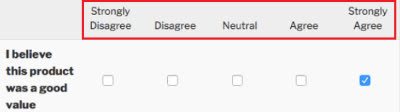
straw poll

/ˈstrɔː poʊl/

(noun) encuesta informal, sondeo de opinión

Ejemplo:

The local newspaper conducted a straw poll to gauge public opinion on the new park proposal.
El periódico local realizó una encuesta informal para medir la opinión pública sobre la nueva propuesta del parque.

stripe

/straɪp/

(noun) raya, franja, insignia;

(verb) rayar, franjear

Ejemplo:
The zebra has black and white stripes.
La cebra tiene rayas blancas y negras.

strongly

/ˈstrɑːŋ.li/

(adverb) fuertemente, con fuerza, firmemente

Ejemplo:
He hit the ball strongly.
Él golpeó la pelota fuertemente.

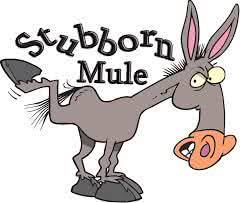
stubbornly

/ˈstʌb.ɚn.li/

(adverb) obstinadamente, tercamente

Ejemplo:
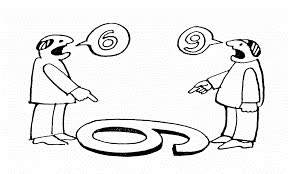
He stubbornly refused to admit he was wrong.
Se negó obstinadamente a admitir que estaba equivocado.

subjective

/səbˈdʒek.tɪv/

(adjective) subjetivo, personal

Ejemplo:
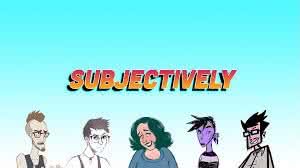
Beauty is subjective; what one person finds beautiful, another might not.
La belleza es subjetiva; lo que una persona encuentra hermoso, otra podría no encontrarlo.

subjectively

/səbˈdʒek.tɪv.li/

(adverb) subjetivamente

Ejemplo:

He judged the artwork subjectively, based on his own preferences.
Juzgó la obra de arte subjetivamente, basándose en sus propias preferencias.

backbite

/ˈbæk.baɪt/

(verb) hablar mal, difamar

Ejemplo:

It's unprofessional to backbite your colleagues.
Es poco profesional hablar mal de tus colegas.

subjectivity

/ˌsʌb.dʒekˈtɪv.ə.t̬i/

(noun) subjetividad

Ejemplo:

The judge emphasized the subjectivity of the witness's testimony.
El juez enfatizó la subjetividad del testimonio del testigo.
Aprende este conjunto de vocabulario en Lingoland