
Cinematic Techniques and Film Editing Vocabulary Set in Cinema and Theater: Full and Detailed List
The 'Cinematic Techniques and Film Editing' vocabulary set in 'Cinema and Theater' is carefully selected from standard international textbook sources, helping you master vocabulary in a short time. Comprehensive compilation of definitions, illustrative examples, and standard pronunciation...
Learn this vocabulary set on Lingoland
Learn Now
/ˈfriːz.freɪm/
Example:
The director used a freeze-frame to emphasize the character's shock.

/ˈdʒʌmp sker/
Example:
The movie relied too heavily on jump scares instead of building genuine suspense.
/ˌɑːfˈskriːn/
Example:
The director decided to keep the monster off-screen for most of the movie to build suspense.
/rɪˈdres/
Example:
The company offered financial redress to the victims.
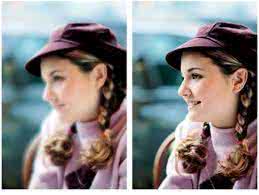
/ˌsɑft ˈfoʊkəs/
Example:
The portrait was shot with a beautiful soft focus, giving it a dreamy quality.
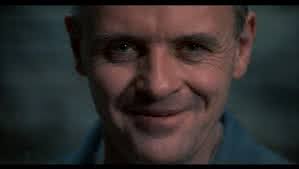
/ˈkloʊsˌʌp/
Example:
The director asked for a closeup of the actor's face.
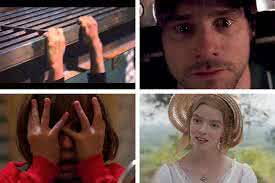
/ˈkʌt̬.ə.weɪ/
Example:
He wore a formal cutaway to the wedding.

/dɪˈzɑːlv/
Example:
Sugar dissolves in water.

/ɪnˈsɝːt/
Example:
He carefully inserted the key into the lock.
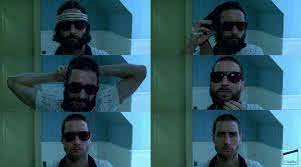
/ˈdʒʌmp kʌt/
Example:
The director used a jump cut to create a sense of disorientation.
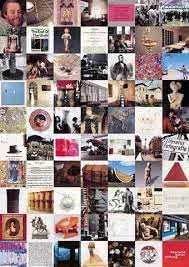
/ˈmɑːn.tɑːʒ/
Example:
The film opened with a powerful montage of historical events.

/waɪp/
Example:
She wiped the counter with a damp cloth.
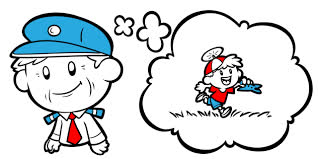
/ˈflæʃ.bæk/
Example:
The smell of smoke triggered a flashback to his time in the war.

/mæt/
Example:
The artist preferred matte paint for its non-reflective finish.
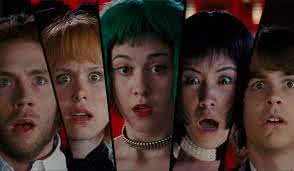
/ˈsplɪt.skriːn/
Example:
The gamer used a split-screen to play with a friend on the same console.