
词汇集 礼貌与礼仪(属于 社交互动):完整且详细的清单
词汇集「礼貌与礼仪」(属于「社交互动」)从国际标准教材来源精心挑选,帮助您在短时间内掌握词汇。全面汇整定义、例句及标准发音…
在 Lingoland 学习此词汇集
立即学习
/sɪˈvɪl.ə.t̬i kɑːsts ˈnʌθ.ɪŋ/
(idiom) 礼貌是不费钱的, 礼多人不怪
示例:
There is no reason to be rude to the waiter; civility costs nothing.
没必要对服务员没礼貌;礼多人不怪(礼貌是不费钱的)。

politeness costs little but yields much
/pəˈlaɪtnəs kɔːsts ˈlɪtəl bʌt jiːldz mʌtʃ/
(idiom) 礼貌成本低而收益高, 礼多人不怪
示例:
Remember that politeness costs little but yields much when dealing with difficult customers.
在处理挑剔的客户时,请记住礼多人不怪,礼貌成本低而收益高。
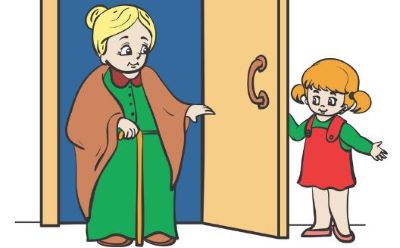
/ˈkɝː.t̬ə.si ɪz kənˈteɪ.dʒəs/
(phrase) 礼貌是会传染的
示例:
The teacher reminded the students that courtesy is contagious, so they should be kind to one another.
老师提醒学生们,礼貌是会传染的,所以他们应该互相友善。

speak fair and think what you like
/spiːk fer ænd θɪŋk wʌt juː laɪk/
(idiom) 口头客气,心中自有主张, 虚与委蛇
示例:
In politics, it is often necessary to speak fair and think what you like to maintain alliances.
在政治中,为了维持联盟,往往需要口头客气,心中自有主张。

use soft words and hard arguments
/juz sɔft wɜrdz ænd hɑrd ˈɑrɡjəmənts/
(idiom) 言语温和,论据有力
示例:
In a negotiation, it is often best to use soft words and hard arguments to win over your opponent.
在谈判中,通常最好用温和的语言和有力的论据来赢得对手。
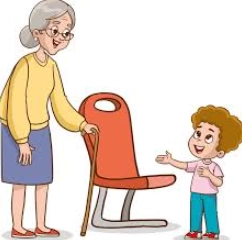
/eɪdʒ bɪˈfɔːr ˈbjuːti/
(idiom) 长者优先, 老当益壮
示例:
He held the door open for his father and said, 'Age before beauty, Dad.'
他为父亲开门并说道:“长者优先,爸爸。”

don't open a shop unless you know how to smile
/doʊnt ˈoʊpən ə ʃɑːp ʌnˈles juː noʊ haʊ tuː smaɪl/
(idiom) 不会微笑就别开店, 和气生财
示例:
If you're going to be grumpy with customers, remember: don't open a shop unless you know how to smile.
如果你打算对顾客态度生硬,记住:和气生财,不会微笑就别开店。
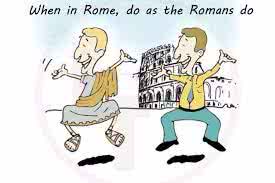
when in Rome, do as the Romans do
/wen ɪn roʊm, duː æz ðə ˈroʊmənz duː/
(idiom) 入乡随俗, 到什么山唱什么歌
示例:
I don't usually eat with my hands, but when in Rome, do as the Romans do.
我通常不用手吃饭,但是入乡随俗嘛。

give a thing, and take a thing, to wear the devil's gold ring
/ɡɪv ə θɪŋ, ænd teɪk ə θɪŋ, tu wɛr ðə ˈdɛvəlz ɡoʊld rɪŋ/
(idiom) 送人的东西又收回是不吉利的
示例:
You can't ask for the book back now; remember, give a thing, and take a thing, to wear the devil's gold ring.
你现在不能把书要回去;记住,送了人的东西又收回,是要遭报应的。