Avatar of Vocabulary Set กริยาวลีที่มักปรากฏในข้อสอบ

ชุดคำศัพท์ กริยาวลีที่มักปรากฏในข้อสอบ ในชุด กริยาวลีที่สำคัญ: รายการเต็มรูปแบบและละเอียด

ชุดคำศัพท์ 'กริยาวลีที่มักปรากฏในข้อสอบ' ในชุด 'กริยาวลีที่สำคัญ' คัดเลือกอย่างพิถีพิถันจากแหล่งตำราสากลมาตรฐาน ช่วยให้คุณเชี่ยวชาญคำศัพท์ในเวลาอันสั้น รวมคำนิยาม ตัวอย่างประกอบ และการออกเสียงมาตรฐาน...

เรียนชุดคำศัพท์นี้ที่ Lingoland

เรียนเลย

shrug something off/aside

/ʃrʌɡ ˈsʌm.θɪŋ ɔːf/əˈsaɪd/

(phrasal verb) ไม่ใส่ใจ, มองข้าม

ตัวอย่าง:

He managed to shrug off the criticism and continue with his work.
เขาสามารถไม่ใส่ใจคำวิจารณ์และทำงานของเขาต่อไป

blow over

/bloʊ ˈoʊ.vər/

(phrasal verb) ผ่านพ้นไป, สงบลง

ตัวอย่าง:
The scandal will eventually blow over.
เรื่องอื้อฉาวจะผ่านพ้นไปในที่สุด

turn up

/tɜːrn ʌp/

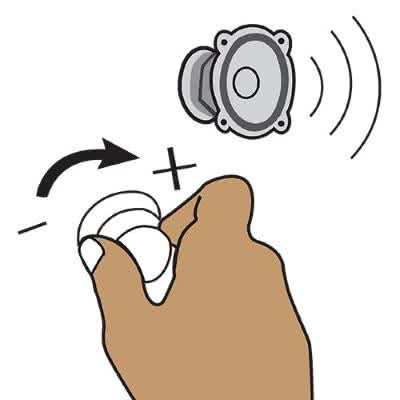
(phrasal verb) ปรากฏ, มาถึง, เร่ง

ตัวอย่าง:

He didn't turn up for the meeting.
เขาไม่มาประชุม

deal with

/diːl wɪð/

(phrasal verb) จัดการกับ, รับมือกับ, ติดต่อกับ

ตัวอย่าง:

We need to deal with this issue immediately.
เราต้องจัดการกับปัญหานี้ทันที

believe in

/bɪˈliːv ɪn/

(phrasal verb) เชื่อใน, เชื่อมั่นใน, ไว้วางใจใน

ตัวอย่าง:

Do you believe in ghosts?
คุณเชื่อในผีไหม

go over

/ɡoʊ ˈoʊvər/

(phrasal verb) ทบทวน, ตรวจสอบ, ได้รับการตอบรับ

ตัวอย่าง:

Let's go over the details one more time.
มาทบทวนรายละเอียดอีกครั้ง

break up

/breɪk ʌp/

(phrasal verb) เลิกกัน, ยุติความสัมพันธ์, แตกออก

ตัวอย่าง:

They decided to break up after five years together.
พวกเขาตัดสินใจเลิกกันหลังจากอยู่ด้วยกันมาห้าปี

put on

/pʊt ɑːn/

(phrasal verb) สวม, ใส่, เปิด

ตัวอย่าง:

She decided to put on her favorite dress for the party.
เธอตัดสินใจสวมชุดโปรดของเธอไปงานปาร์ตี้

get into

/ɡet ˈɪntuː/

(phrasal verb) เข้าไปใน, ขึ้นไปใน, มีส่วนร่วมใน

ตัวอย่าง:

She managed to get into the concert without a ticket.
เธอสามารถเข้าไปในคอนเสิร์ตได้โดยไม่มีตั๋ว

get in

/ɡet ɪn/

(phrasal verb) มาถึง, เข้ามา, ได้รับเลือก

ตัวอย่าง:

What time did you get in last night?
เมื่อคืนคุณกลับมากี่โมง

get on with

/ɡet ɑːn wɪð/

(phrasal verb) ดำเนินการต่อไป, ทำต่อไป, เข้ากันได้ดีกับ

ตัวอย่าง:

Stop talking and get on with your work.
หยุดพูดแล้วทำงานของคุณต่อไป

get along with

/ɡɛt əˈlɔŋ wɪð/

(phrasal verb) เข้ากันได้ดีกับ, เป็นมิตรกับ, ดำเนินไป

ตัวอย่าง:

I really get along with my new colleagues.
ฉันเข้ากันได้ดีกับเพื่อนร่วมงานใหม่ของฉัน

get on

/ɡet ɑːn/

(phrasal verb) ขึ้น, โดยสาร, เข้ากันได้ดี

ตัวอย่าง:

We need to get on the bus quickly before it leaves.
เราต้องขึ้นรถบัสเร็วๆ ก่อนที่มันจะออก

get along

/ɡet əˈlɔŋ/

(phrasal verb) เข้ากันได้, เข้ากันได้ดี, เป็นไป

ตัวอย่าง:

I really get along with my new colleagues.
ฉันเข้ากันได้ดีกับเพื่อนร่วมงานใหม่ของฉัน

put up

/pʊt ʌp/

(phrasal verb) สร้าง, ติดตั้ง, กาง

ตัวอย่าง:

They decided to put up a new fence around the garden.
พวกเขาตัดสินใจสร้างรั้วใหม่รอบสวน

take up

/teɪk ˈʌp/

(phrasal verb) เริ่มทำ, เริ่มเล่น, กินพื้นที่

ตัวอย่าง:

She decided to take up painting in her free time.
เธอตัดสินใจเริ่มวาดภาพในเวลาว่าง

team up with

/tiːm ʌp wɪð/

(phrasal verb) ร่วมมือกับ, รวมกลุ่มกับ

ตัวอย่าง:

I decided to team up with a local charity for the event.
ฉันตัดสินใจที่จะร่วมมือกับองค์กรการกุศลในท้องถิ่นเพื่อจัดงานนี้

fight off

/faɪt ɔf/

(phrasal verb) ต่อสู้กับ, ขับไล่

ตัวอย่าง:

She managed to fight off the attacker.
เธอสามารถต่อสู้กับผู้โจมตีได้สำเร็จ

ask for

/æsk fɔːr/

(phrasal verb) ขอ, เรียกร้อง, ถามหา

ตัวอย่าง:

I'm going to ask for a raise.
ฉันจะขอขึ้นเงินเดือน

look for

/lʊk fɔːr/

(phrasal verb) มองหา, ค้นหา, คาดหวัง

ตัวอย่าง:

I need to look for my keys; I can't find them anywhere.
ฉันต้องมองหากุญแจของฉัน; ฉันหาไม่เจอเลย

get off

/ɡet ˈɔːf/

(phrasal verb) ลง, ออกจาก, เลิกงาน

ตัวอย่าง:

I need to get off at the next stop.
ฉันต้องลงที่ป้ายหน้า

catch up on

/kætʃ ʌp ɑːn/

(phrasal verb) ชดเชย, จัดการ, อัปเดตข่าวสาร

ตัวอย่าง:

I need to catch up on my sleep this weekend.
ฉันต้องนอนชดเชยในสุดสัปดาห์นี้

come up with

/kʌm ʌp wɪð/

(phrasal verb) คิดขึ้นมา, เสนอ, ให้ผล

ตัวอย่าง:

Can you come up with a better solution?
คุณช่วยคิดวิธีแก้ปัญหาที่ดีกว่านี้ได้ไหม

fill up

/fɪl ˈʌp/

(phrasal verb) เติมให้เต็ม, บรรจุให้เต็ม, อิ่ม

ตัวอย่าง:

Can you fill up the water bottle before we leave?
คุณช่วยเติมน้ำให้เต็มขวดก่อนที่เราจะไปได้ไหม

go out with

/ɡoʊ aʊt wɪð/

(phrasal verb) คบกับ, ไปเที่ยวกับ

ตัวอย่าง:

How long have you been going out with him?
คุณคบกับเขามานานแค่ไหนแล้ว

bring up

/brɪŋ ʌp/

(phrasal verb) เลี้ยงดู, อบรม, พูดถึง

ตัวอย่าง:

She was brought up by her grandparents.
เธอถูกเลี้ยงดูโดยปู่ย่าตายายของเธอ

grow up

/ɡroʊ ˈʌp/

(phrasal verb) โตขึ้น, เติบโต, โตเป็นผู้ใหญ่

ตัวอย่าง:

My children are growing up so fast.
ลูกๆ ของฉันโตขึ้นเร็วมาก

pass away

/pæs əˈweɪ/

(phrasal verb) เสียชีวิต, ถึงแก่กรรม

ตัวอย่าง:

His grandmother passed away peacefully in her sleep.
คุณย่าของเขาเสียชีวิตอย่างสงบขณะหลับ

pass on

/pæs ɑːn/

(phrasal verb) ส่งต่อ, ส่งผ่าน, เสียชีวิต

ตัวอย่าง:
Please pass on this message to your colleagues.
โปรดส่งต่อข้อความนี้ให้เพื่อนร่วมงานของคุณ

put off

/pʊt ɔf/

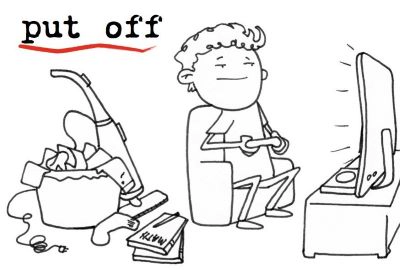
(phrasal verb) เลื่อน, ผัดผ่อน, ทำให้หมดกำลังใจ

ตัวอย่าง:

Don't put off until tomorrow what you can do today.
อย่าเลื่อนสิ่งที่ทำได้วันนี้ไปเป็นพรุ่งนี้

switch off

/swɪtʃ ɔf/

(phrasal verb) ปิด, ปิดสวิตช์, พักผ่อน

ตัวอย่าง:

Please switch off the lights when you leave the room.
กรุณาปิดไฟเมื่อคุณออกจากห้อง

run into

/rʌn ˈɪntuː/

(phrasal verb) เจอ, พบโดยบังเอิญ, ประสบปัญหา

ตัวอย่าง:

I didn't expect to run into you at the supermarket.
ฉันไม่คิดว่าจะเจอคุณที่ซูเปอร์มาร์เก็ต

speed up

/spiːd ʌp/

(phrasal verb) เร่งความเร็ว, เพิ่มความเร็ว

ตัวอย่าง:

The car began to speed up as it approached the highway.
รถเริ่มเร่งความเร็วเมื่อเข้าใกล้ทางหลวง

engage in

/ɪnˈɡeɪdʒ ɪn/

(phrasal verb) มีส่วนร่วมใน, เข้าร่วม

ตัวอย่าง:

They engage in lively discussions during their meetings.
พวกเขามีส่วนร่วมในการอภิปรายที่กระตือรือร้นระหว่างการประชุม

drop off

/drɑːp ɑːf/

(phrasal verb) หลับไป, งีบหลับ, ส่งลง

ตัวอย่าง:

I was so tired that I started to drop off during the movie.
ฉันเหนื่อยมากจนเริ่มหลับไประหว่างดูหนัง

go up

/ɡoʊ ˈʌp/

(phrasal verb) สูงขึ้น, เพิ่มขึ้น, ถูกสร้างขึ้น

ตัวอย่าง:

The price of gas is expected to go up next month.
ราคาน้ำมันคาดว่าจะสูงขึ้นในเดือนหน้า

set up

/set ʌp/

(phrasal verb) จัดตั้ง, ติดตั้ง, เตรียม

ตัวอย่าง:

They plan to set up a new business next year.
พวกเขาวางแผนที่จะจัดตั้งธุรกิจใหม่ในปีหน้า

take out

/ˈteɪk aʊt/

(phrasal verb) เอาออก, ถอดออก, กู้

ตัวอย่าง:

Can you please take out the trash?
ช่วยเอาขยะไปทิ้งหน่อยได้ไหม

put out

/pʊt aʊt/

(phrasal verb) ดับ, ปิด, รบกวน

ตัวอย่าง:

The firefighters quickly put out the blaze.
นักดับเพลิงดับไฟได้อย่างรวดเร็ว

take off

/teɪk ɔf/

(phrasal verb) ถอดออก, เอาออก, ขึ้นบิน

ตัวอย่าง:

Please take off your shoes before entering the house.
กรุณาถอดรองเท้าก่อนเข้าบ้าน

look after

/lʊk ˈæf.tər/

(phrasal verb) ดูแล, เอาใจใส่

ตัวอย่าง:

Can you look after my cat while I'm on vacation?
คุณช่วยดูแลแมวของฉันได้ไหมตอนที่ฉันไปเที่ยว

make up for

/meɪk ʌp fɔr/

(phrasal verb) ชดเชย, ทดแทน

ตัวอย่าง:

I'll make up for lost time by working extra hours.
ฉันจะชดเชยเวลาที่เสียไปโดยการทำงานล่วงเวลา

drift off

/drɪft ɔːf/

(phrasal verb) เคลิ้มหลับ, ง่วงหลับ

ตัวอย่าง:

I was just beginning to drift off when the phone rang.
ฉันเพิ่งเริ่มจะเคลิ้มหลับไปตอนที่โทรศัพท์ดังขึ้น

come up

/kʌm ʌp/

(phrasal verb) ถูกยกขึ้นมา, เกิดขึ้น, ลอยขึ้นมา

ตัวอย่าง:

The issue of funding will come up at the next meeting.
ประเด็นเรื่องเงินทุนจะถูกยกขึ้นมาในการประชุมครั้งหน้า

blow away

/bloʊ əˈweɪ/

(phrasal verb) พัดพาไป, ปลิวไป, ทำให้ทึ่ง

ตัวอย่าง:

The strong wind might blow away the leaves.
ลมแรงอาจจะพัดพาใบไม้ไป

look on

/lʊk ɑːn/

(phrasal verb) เฝ้าดู, มองดู, มองว่า

ตัวอย่าง:

Many people just looked on as the accident happened.
หลายคนเพียงแค่เฝ้าดูขณะที่อุบัติเหตุเกิดขึ้น

take in

/teɪk ɪn/

(phrasal verb) หลอกลวง, ต้มตุ๋น, เข้าใจ

ตัวอย่าง:

Don't be taken in by his charming smile; he's a con artist.
อย่าหลงกลรอยยิ้มที่มีเสน่ห์ของเขา เขาเป็นนักต้มตุ๋น

drop out

/drɑːp aʊt/

(phrasal verb) ลาออก, เลิกเรียน, ถอนตัว

ตัวอย่าง:

He decided to drop out of college and start his own business.
เขาตัดสินใจลาออกจากวิทยาลัยและเริ่มต้นธุรกิจของตัวเอง

build up

/bɪld ʌp/

(phrasal verb) สร้างเสริม, สะสม, เพิ่มพูน

ตัวอย่าง:

She needs to build up her strength after the illness.
เธอต้องสร้างเสริมความแข็งแรงหลังจากป่วย

check out

/tʃek aʊt/

(phrasal verb) ตรวจสอบ, เช็ค, เช็คเอาท์

ตัวอย่าง:

Can you check out the new security system?
คุณช่วยตรวจสอบระบบรักษาความปลอดภัยใหม่ได้ไหม

check in

/tʃek ɪn/

(phrasal verb) เช็คอิน, ลงทะเบียนเข้าพัก, ติดต่อ

ตัวอย่าง:

We need to check in at the hotel before 3 PM.
เราต้องเช็คอินที่โรงแรมก่อนบ่าย 3 โมง

break in

/breɪk ɪn/

(phrasal verb) บุกรุก, พังเข้ามา, ใส่ให้เข้าที่

ตัวอย่าง:

Someone tried to break in through the back door last night.
มีคนพยายามบุกรุกเข้ามาทางประตูหลังเมื่อคืนนี้

break out

/breɪk aʊt/

(phrasal verb) แหกคุก, หลบหนี, ปะทุ

ตัวอย่าง:

Three prisoners broke out of the maximum-security prison last night.
นักโทษสามคนแหกคุกจากเรือนจำความมั่นคงสูงสุดเมื่อคืนนี้

note down

/noʊt daʊn/

(phrasal verb) จดบันทึก, บันทึก

ตัวอย่าง:

Please note down the address before you leave.
กรุณาจดบันทึกที่อยู่ก่อนที่คุณจะไป

set off

/set ˈɔːf/

(phrasal verb) ออกเดินทาง, เริ่มเดินทาง, ทำให้เกิด

ตัวอย่าง:

We decided to set off early to avoid traffic.
เราตัดสินใจออกเดินทางแต่เช้าเพื่อหลีกเลี่ยงการจราจรติดขัด

go down with

/ɡoʊ daʊn wɪθ/

(phrasal verb) ป่วยเป็น, ติดเชื้อ

ตัวอย่าง:

He went down with the flu right before his exams.
เขาป่วยเป็นไข้หวัดใหญ่ก่อนสอบ

try-out

/ˈtraɪ.aʊt/

(noun) การคัดตัว, การทดสอบ

ตัวอย่าง:

She's going to the dance try-out next week.
เธอจะไปคัดตัวเต้นสัปดาห์หน้า

bring about

/brɪŋ əˈbaʊt/

(phrasal verb) ก่อให้เกิด, นำมาซึ่ง, ทำให้เกิดขึ้น

ตัวอย่าง:

The new policy aims to bring about significant changes in the education system.
นโยบายใหม่มีเป้าหมายที่จะนำมาซึ่งการเปลี่ยนแปลงที่สำคัญในระบบการศึกษา

make out

/meɪk aʊt/

(phrasal verb) มองเห็น, เข้าใจ, จูบกัน

ตัวอย่าง:

I could just make out a figure in the distance.
ฉันแทบจะมองเห็นร่างหนึ่งอยู่ไกลๆ

find out

/faɪnd aʊt/

(phrasal verb) ค้นพบ, หาข้อมูล, ทราบ

ตัวอย่าง:

I need to find out when the next train leaves.
ฉันต้องหาข้อมูลว่ารถไฟขบวนต่อไปออกเมื่อไหร่

cut down on

/kʌt daʊn ɑn/

(phrasal verb) ลด, ตัดทอน

ตัวอย่าง:

I need to cut down on sugar if I want to lose weight.
ฉันต้องลดน้ำตาลลงถ้าอยากลดน้ำหนัก

take over

/ˈteɪk ˌoʊ.vər/

(phrasal verb) เข้าควบคุม, เข้าครอบครอง, เข้าครอบงำ

ตัวอย่าง:

She will take over as CEO next month.
เธอจะเข้ารับตำแหน่ง CEO ในเดือนหน้า

walk away

/wɑːk əˈweɪ/

(phrasal verb) เดินหนี, หนีจาก, รอดชีวิต

ตัวอย่าง:

He decided to walk away from the argument.
เขาตัดสินใจเดินหนีจากการโต้เถียง

drop by

/drɑp baɪ/

(phrasal verb) แวะเยี่ยม, แวะมา

ตัวอย่าง:

Feel free to drop by anytime you're in the neighborhood.
แวะมาเยี่ยมได้เลยเมื่อคุณอยู่ในละแวกนี้

look up

/lʊk ˈʌp/

(phrasal verb) ค้นหา, ตรวจสอบ, ดีขึ้น

ตัวอย่าง:

I need to look up the meaning of this word in the dictionary.
ฉันต้องค้นหาความหมายของคำนี้ในพจนานุกรม

come across

/kʌm əˈkrɔs/

(phrasal verb) พบโดยบังเอิญ, เจอโดยบังเอิญ, สื่อออกมา

ตัวอย่าง:

I came across an old friend at the market today.
ฉันเจอเพื่อนเก่าที่ตลาดวันนี้

get through

/ɡet θruː/

(phrasal verb) ผ่านพ้น, เอาตัวรอด, ติดต่อได้

ตัวอย่าง:

I don't know how I'm going to get through this week.
ฉันไม่รู้ว่าจะผ่านสัปดาห์นี้ไปได้อย่างไร

see-through

/ˈsiː.θruː/

(adjective) โปร่งใส, ซีทรู

ตัวอย่าง:

She wore a see-through blouse.
เธอสวมเสื้อเบลาส์ซีทรู

take on

/teɪk ɑːn/

(phrasal verb) รับผิดชอบ, รับภาระ, จ้าง

ตัวอย่าง:

I can't take on any more work right now.
ฉันไม่สามารถรับงานเพิ่มได้ตอนนี้

catch on

/kætʃ ɑːn/

(phrasal verb) เป็นที่นิยม, เป็นที่แพร่หลาย, เข้าใจ

ตัวอย่าง:

The new dance craze is starting to catch on.
กระแสเต้นรำใหม่กำลังเริ่มเป็นที่นิยม

break off

/breɪk ɔf/

(phrasal verb) หักออก, แยกออก, หยุด

ตัวอย่าง:

He managed to break off a piece of the chocolate bar.
เขาจัดการหักช็อกโกแลตบาร์ออกมาได้ชิ้นหนึ่ง

come up against

/kʌm ʌp əˈɡenst/

(phrasal verb) เผชิญกับ, พบกับ

ตัวอย่าง:

We came up against a lot of resistance from the local community.
เราเผชิญกับการต่อต้านอย่างมากจากชุมชนในพื้นที่

seal off

/siːl ɔːf/

(phrasal verb) ปิดล้อม, ปิดกั้น

ตัวอย่าง:

Police have sealed off the street where the accident happened.
ตำรวจได้ปิดล้อมถนนที่เกิดอุบัติเหตุ

go off

/ɡoʊ ɔf/

(phrasal verb) ระเบิด, ดังขึ้น, ออกไป

ตัวอย่าง:

The bomb went off with a loud bang.
ระเบิดระเบิดเสียงดังสนั่น

call up

/kɔːl ˈʌp/

(phrasal verb) โทรศัพท์, เรียก, เรียกตัวเข้ารับราชการทหาร

ตัวอย่าง:

I need to call up my sister to wish her a happy birthday.
ฉันต้องโทรหาน้องสาวเพื่ออวยพรวันเกิด

carry out

/ˈkær.i aʊt/

(phrasal verb) ดำเนินการ, ปฏิบัติ

ตัวอย่าง:

The team will carry out the experiment next week.
ทีมจะดำเนินการทดลองในสัปดาห์หน้า

bring in

/brɪŋ ɪn/

(phrasal verb) นำมาใช้, เริ่มใช้, นำมาซึ่ง

ตัวอย่าง:
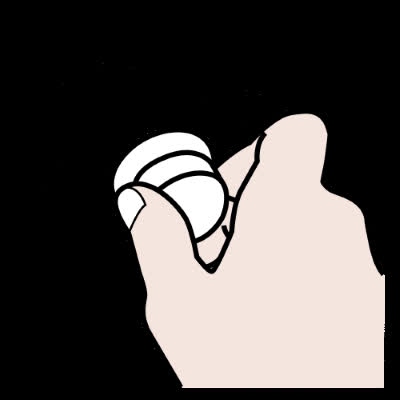
The government plans to bring in new regulations next year.
รัฐบาลวางแผนที่จะนำมาใช้กฎระเบียบใหม่ในปีหน้า

turn down

/tɜːrn daʊn/

(phrasal verb) ปฏิเสธ, ไม่ยอมรับ, ลดเสียง

ตัวอย่าง:

She had to turn down the job offer because it was too far away.
เธอต้องปฏิเสธข้อเสนองานเพราะมันไกลเกินไป

start out

/stɑːrt aʊt/

(phrasal verb) เริ่มต้น, ออกเดินทาง, เริ่มต้นการเดินทาง

ตัวอย่าง:

He started out as a humble apprentice.
เขาเริ่มต้นจากการเป็นเด็กฝึกงานที่ถ่อมตัว

give in

/ɡɪv ɪn/

(phrasal verb) ยอมแพ้, ยอมจำนน, พังทลาย

ตัวอย่าง:

My parents finally gave in and let me go to the party.
พ่อแม่ของฉันในที่สุดก็ยอมแพ้และให้ฉันไปงานปาร์ตี้

hand in

/hænd ɪn/

(phrasal verb) ส่ง, ยื่น

ตัวอย่าง:

Please hand in your assignments by Friday.
กรุณาส่งงานของคุณภายในวันศุกร์

wear off

/wer ˈɔf/

(phrasal verb) หมดไป, จางหายไป, เสื่อมลง

ตัวอย่าง:

The effects of the painkiller started to wear off.
ฤทธิ์ของยาแก้ปวดเริ่มหมดไป

put aside

/pʊt əˈsaɪd/

(phrasal verb) เก็บไว้, สำรองไว้, จัดสรร

ตัวอย่าง:

She tries to put aside a little money each month for her retirement.
เธอพยายามเก็บเงินเล็กน้อยในแต่ละเดือนเพื่อการเกษียณอายุ

pop in

/pɑp ɪn/

(phrasal verb) แวะไป, โผล่มา

ตัวอย่าง:

I'll pop in to see you tomorrow.
ฉันจะแวะไปหาคุณพรุ่งนี้

pop into

/pɑp ˈɪntuː/

(phrasal verb) แวะ, เข้าไปอย่างรวดเร็ว

ตัวอย่าง:

I need to pop into the shop for some milk.
ฉันต้องแวะไปร้านค้าเพื่อซื้อนม

sell out

/sel aʊt/

(phrasal verb) ขายหมด, จำหน่ายหมด, ทรยศ

ตัวอย่าง:

The concert tickets sold out in minutes.
ตั๋วคอนเสิร์ตขายหมดภายในไม่กี่นาที

be sold out

/biː soʊld aʊt/

(idiom) ขายหมด, เกลี้ยง

ตัวอย่าง:

I'm sorry, but the concert is sold out.
ขออภัยด้วยครับ แต่คอนเสิร์ตขายบัตรหมดแล้ว

die out

/daɪ aʊt/

(phrasal verb) สูญพันธุ์, เลือนหายไป

ตัวอย่าง:

Many species of animals are dying out due to habitat loss.
สัตว์หลายชนิดกำลังสูญพันธุ์เนื่องจากการสูญเสียถิ่นที่อยู่

date back to

/deɪt bæk tuː/

(phrasal verb) ย้อนกลับไปถึง, มีมาตั้งแต่

ตัวอย่าง:

This castle dates back to the 14th century.
ปราสาทแห่งนี้มีอายุย้อนไปถึงศตวรรษที่ 14

depend on

/dɪˈpend ɑːn/

(phrasal verb) ขึ้นอยู่กับ, พึ่งพา

ตัวอย่าง:
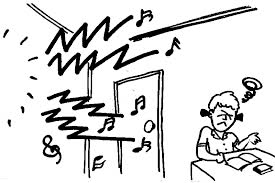
You can always depend on me for help.
คุณสามารถพึ่งพาฉันได้เสมอสำหรับความช่วยเหลือ

put up with

/pʊt ʌp wɪð/

(phrasal verb) ทน, อดทน

ตัวอย่าง:

I can't put up with his constant complaining anymore.
ฉันไม่สามารถทนกับการบ่นของเขาได้อีกต่อไปแล้ว

think back on

/θɪŋk bæk ɑːn/

(phrasal verb) นึกย้อนกลับไป, หวนระลึก

ตัวอย่าง:

I often think back on my childhood with great fondness.
ฉันมักจะนึกย้อนกลับไปถึงวัยเด็กด้วยความรักใคร่

talk back to

/tɔːk bæk tuː/

(phrasal verb) เถียง, พูดสวน

ตัวอย่าง:

Don't talk back to your mother like that!
อย่าเถียงแม่แบบนั้นนะ!

keep up with

/kiːp ˈʌp wɪθ/

(phrasal verb) ตามทัน, รักษาความเร็ว, ติดตาม

ตัวอย่าง:

It's hard to keep up with all the new technology.
มันยากที่จะตามทันเทคโนโลยีใหม่ๆ ทั้งหมด

give up

/ɡɪv ˈʌp/

(phrasal verb) ยอมแพ้, เลิก, สละ

ตัวอย่าง:

Don't give up on your dreams.
อย่ายอมแพ้ต่อความฝันของคุณ

care for

/ker fɔːr/

(phrasal verb) ดูแล, เอาใจใส่, ชอบ

ตัวอย่าง:

She decided to care for her elderly parents.
เธอตัดสินใจดูแลพ่อแม่สูงอายุของเธอ

call off

/kɔːl ˈɔːf/

(phrasal verb) ยกเลิก, เลื่อน, เรียกกลับ

ตัวอย่าง:

They had to call off the outdoor concert due to heavy rain.
พวกเขาต้องยกเลิกคอนเสิร์ตกลางแจ้งเนื่องจากฝนตกหนัก

put away

/pʊt əˈweɪ/

(phrasal verb) เก็บ, จัดเก็บ, กินเยอะ

ตัวอย่าง:
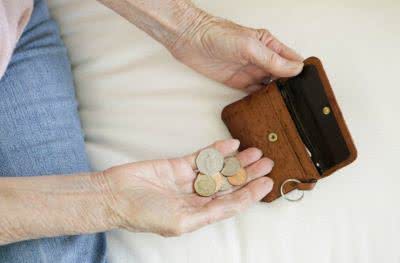
Please put away your toys after you finish playing.
กรุณาเก็บของเล่นของคุณหลังจากเล่นเสร็จ

run out of

/rʌn aʊt ʌv/

(phrasal verb) หมด, ใช้หมด, ไม่มีเหลือ

ตัวอย่าง:

We've run out of milk, so I need to go to the store.
นมหมดแล้ว ฉันต้องไปร้านค้า

participate in

/pɑːrˈtɪs.ɪ.peɪt ɪn/

(phrasal verb) เข้าร่วม, มีส่วนร่วมใน

ตัวอย่าง:

Everyone is encouraged to participate in the discussion.
ทุกคนได้รับการสนับสนุนให้เข้าร่วมการอภิปราย

face up to

/feɪs ʌp tə/

(phrasal verb) เผชิญหน้ากับ, ยอมรับ

ตัวอย่าง:

You need to face up to your responsibilities.
คุณต้องเผชิญหน้ากับความรับผิดชอบของคุณ

go in for

/ɡoʊ ɪn fɔːr/

(phrasal verb) เลือกเรียน, สนใจ, ชอบ

ตัวอย่าง:

She decided to go in for medicine.
เธอตัดสินใจเลือกเรียนแพทย์

bounce back

/baʊns bæk/

(phrasal verb) ฟื้นตัว, กลับมาได้, ดีขึ้น

ตัวอย่าง:

After losing the game, the team managed to bounce back with a strong win.
หลังจากแพ้เกม ทีมก็สามารถกลับมาได้ด้วยชัยชนะที่แข็งแกร่ง

put through

/pʊt θruː/

(phrasal verb) ต่อสาย, เชื่อมต่อ, ทำให้ประสบ

ตัวอย่าง:

Can you put me through to customer service?
คุณช่วยต่อสายฉันไปที่ฝ่ายบริการลูกค้าได้ไหม

drop in

/drɑːp ɪn/

(phrasal verb) แวะเยี่ยม, แวะมา, ลดลง

ตัวอย่าง:

Feel free to drop in anytime you're in the neighborhood.
แวะมาเยี่ยมได้เลยเมื่อคุณอยู่ในละแวกนี้

drop in on

/drɑːp ɪn ɑːn/

(phrasal verb) แวะไปหา, เยี่ยมเยียน

ตัวอย่าง:

I thought I'd drop in on you while I was in the neighborhood.
ฉันคิดว่าจะแวะไปหาคุณตอนที่ฉันอยู่ในละแวกนี้

drop into

/drɑːp ˈɪn.tuː/

(phrasal verb) แวะ, เยี่ยม

ตัวอย่าง:

I thought I'd drop into the office to see how things were going.
ฉันคิดว่าจะแวะไปที่สำนักงานเพื่อดูว่าสถานการณ์เป็นอย่างไรบ้าง

knock down

/nɑːk daʊn/

(phrasal verb) ล้มลง, โค่น, ลดราคา

ตัวอย่าง:

The boxer managed to knock down his opponent in the first round.
นักมวยสามารถน็อกดาวน์คู่ต่อสู้ได้ในยกแรก

knock over

/nɑːk ˈoʊ.vər/

(phrasal verb) ชนล้ม, ทำให้ล้ม, ปล้น

ตัวอย่าง:

Be careful not to knock over the vase.
ระวังอย่าชนแจกันล้ม

bear out

/ber aʊt/

(phrasal verb) ยืนยัน, สนับสนุน

ตัวอย่าง:

The evidence will bear out his claims.
หลักฐานจะยืนยันคำกล่าวอ้างของเขา
เรียนชุดคำศัพท์นี้ที่ Lingoland