Avatar of Vocabulary Set Verbos frasales que suelen aparecer en los exámenes

Conjunto de vocabulario Verbos frasales que suelen aparecer en los exámenes en Verbos frasales importantes: Lista completa y detallada

El conjunto de vocabulario 'Verbos frasales que suelen aparecer en los exámenes' en 'Verbos frasales importantes' está seleccionado cuidadosamente de fuentes de libros de texto estándar internacionales, ayudándote a dominar el vocabulario en poco tiempo. Incluye definiciones completas, ejemplos ilustrativos y pronunciación estándar...

Aprende este conjunto de vocabulario en Lingoland

Aprender ahora

shrug something off/aside

/ʃrʌɡ ˈsʌm.θɪŋ ɔːf/əˈsaɪd/

(phrasal verb) restar importancia, ignorar

Ejemplo:

He managed to shrug off the criticism and continue with his work.
Logró restar importancia a las críticas y continuar con su trabajo.

blow over

/bloʊ ˈoʊ.vər/

(phrasal verb) pasar, calmarse

Ejemplo:
The scandal will eventually blow over.
El escándalo finalmente pasará.

turn up

/tɜːrn ʌp/

(phrasal verb) aparecer, llegar, subir

Ejemplo:

He didn't turn up for the meeting.
Él no apareció para la reunión.

deal with

/diːl wɪð/

(phrasal verb) lidiar con, tratar con, negociar con

Ejemplo:

We need to deal with this issue immediately.
Necesitamos lidiar con este problema de inmediato.

believe in

/bɪˈliːv ɪn/

(phrasal verb) creer en, confiar en

Ejemplo:

Do you believe in ghosts?
¿Crees en fantasmas?

go over

/ɡoʊ ˈoʊvər/

(phrasal verb) repasar, examinar, ser recibido

Ejemplo:

Let's go over the details one more time.
Repasemos los detalles una vez más.

break up

/breɪk ʌp/

(phrasal verb) romper, terminar, romperse

Ejemplo:

They decided to break up after five years together.
Decidieron romper después de cinco años juntos.

put on

/pʊt ɑːn/

(phrasal verb) ponerse, vestirse, encender

Ejemplo:

She decided to put on her favorite dress for the party.
Ella decidió ponerse su vestido favorito para la fiesta.

get into

/ɡet ˈɪntuː/

(phrasal verb) entrar en, subir a, meterse en

Ejemplo:

She managed to get into the concert without a ticket.
Ella logró entrar al concierto sin boleto.

get in

/ɡet ɪn/

(phrasal verb) llegar, entrar, ser elegido

Ejemplo:

What time did you get in last night?
¿A qué hora llegaste anoche?

get on with

/ɡet ɑːn wɪð/

(phrasal verb) seguir con, continuar con, llevarse bien con

Ejemplo:

Stop talking and get on with your work.
Deja de hablar y sigue con tu trabajo.

get along with

/ɡɛt əˈlɔŋ wɪð/

(phrasal verb) llevarse bien con, entenderse con, avanzar

Ejemplo:
I really get along with my new colleagues.
Realmente me llevo bien con mis nuevos colegas.

get on

/ɡet ɑːn/

(phrasal verb) subir a, montar en, llevarse bien

Ejemplo:

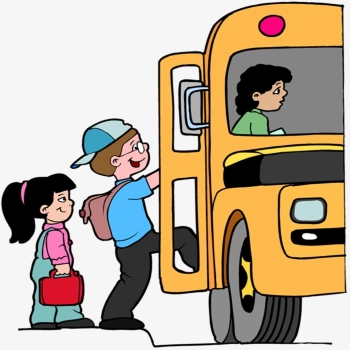
We need to get on the bus quickly before it leaves.
Necesitamos subir al autobús rápidamente antes de que se vaya.

get along

/ɡet əˈlɔŋ/

(phrasal verb) llevarse bien, entenderse, desenvolverse

Ejemplo:
I really get along with my new colleagues.
Realmente me llevo bien con mis nuevos colegas.

put up

/pʊt ʌp/

(phrasal verb) levantar, erigir, construir

Ejemplo:
They decided to put up a new fence around the garden.
Decidieron levantar una nueva valla alrededor del jardín.

take up

/teɪk ˈʌp/

(phrasal verb) empezar, adoptar, ocupar

Ejemplo:

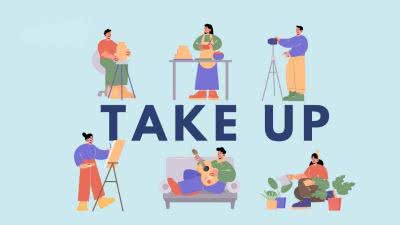
She decided to take up painting in her free time.
Ella decidió empezar a pintar en su tiempo libre.

team up with

/tiːm ʌp wɪð/

(phrasal verb) unirse a, hacer equipo con

Ejemplo:

I decided to team up with a local charity for the event.
Decidí unirme a una organización benéfica local para el evento.

fight off

/faɪt ɔf/

(phrasal verb) repeler, combatir

Ejemplo:

She managed to fight off the attacker.
Logró repeler al atacante.

ask for

/æsk fɔːr/

(phrasal verb) pedir, solicitar, preguntar por

Ejemplo:

I'm going to ask for a raise.
Voy a pedir un aumento.

look for

/lʊk fɔːr/

(phrasal verb) buscar, encontrar, esperar

Ejemplo:
I need to look for my keys; I can't find them anywhere.
Necesito buscar mis llaves; no las encuentro por ningún lado.

get off

/ɡet ˈɔːf/

(phrasal verb) bajarse, descender, salir del trabajo

Ejemplo:

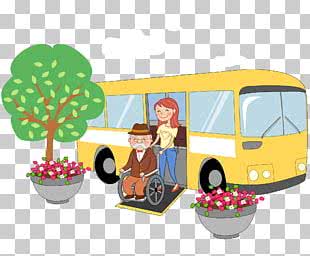
I need to get off at the next stop.
Necesito bajarme en la próxima parada.

catch up on

/kætʃ ʌp ɑːn/

(phrasal verb) ponerse al día con, recuperar, enterarse de

Ejemplo:

I need to catch up on my sleep this weekend.
Necesito ponerme al día con mi sueño este fin de semana.

come up with

/kʌm ʌp wɪð/

(phrasal verb) idear, ocurrirse, proponer

Ejemplo:

Can you come up with a better solution?
¿Puedes idear una mejor solución?

fill up

/fɪl ˈʌp/

(phrasal verb) llenar, rellenar, llenarse

Ejemplo:

Can you fill up the water bottle before we leave?
¿Puedes llenar la botella de agua antes de que nos vayamos?

go out with

/ɡoʊ aʊt wɪð/

(phrasal verb) salir con

Ejemplo:

How long have you been going out with him?
¿Cuánto tiempo llevas saliendo con él?

bring up

/brɪŋ ʌp/

(phrasal verb) criar, educar, mencionar

Ejemplo:
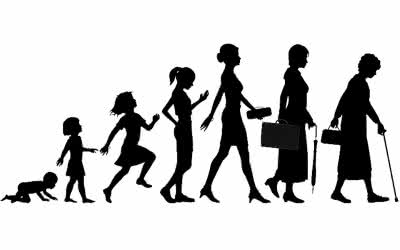
She was brought up by her grandparents.
Fue criada por sus abuelos.

grow up

/ɡroʊ ˈʌp/

(phrasal verb) crecer, hacerse mayor, madurar

Ejemplo:
My children are growing up so fast.
Mis hijos están creciendo tan rápido.

pass away

/pæs əˈweɪ/

(phrasal verb) fallecer, morir

Ejemplo:

His grandmother passed away peacefully in her sleep.
Su abuela falleció pacíficamente mientras dormía.

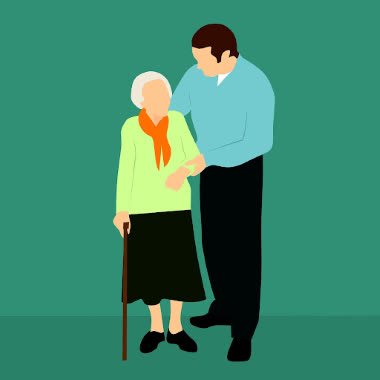
pass on

/pæs ɑːn/

(phrasal verb) pasar, transmitir, fallecer

Ejemplo:
Please pass on this message to your colleagues.
Por favor, pasa este mensaje a tus colegas.

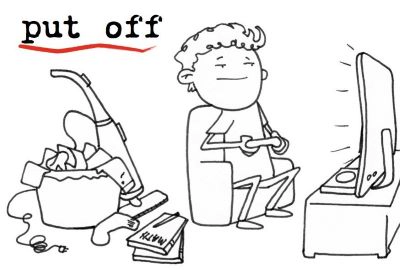
put off

/pʊt ɔf/

(phrasal verb) posponer, aplazar, desanimar

Ejemplo:
Don't put off until tomorrow what you can do today.
No pospongas para mañana lo que puedes hacer hoy.

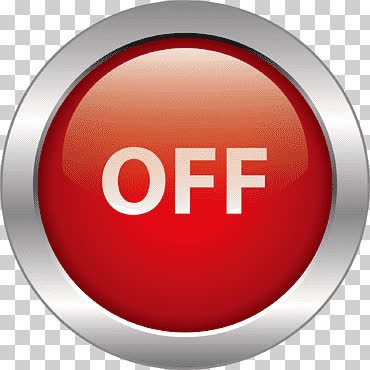
switch off

/swɪtʃ ɔf/

(phrasal verb) apagar, desconectar, relajarse

Ejemplo:

Please switch off the lights when you leave the room.
Por favor, apaga las luces cuando salgas de la habitación.

run into

/rʌn ˈɪntuː/

(phrasal verb) encontrarse con, toparse con, chocar con

Ejemplo:

I didn't expect to run into you at the supermarket.
No esperaba encontrarme con contigo en el supermercado.

speed up

/spiːd ʌp/

(phrasal verb) acelerar, aumentar la velocidad

Ejemplo:

The car began to speed up as it approached the highway.
El coche empezó a acelerar al acercarse a la autopista.

engage in

/ɪnˈɡeɪdʒ ɪn/

(phrasal verb) participar en, dedicarse a

Ejemplo:
They engage in lively discussions during their meetings.
Ellos participan en discusiones animadas durante sus reuniones.

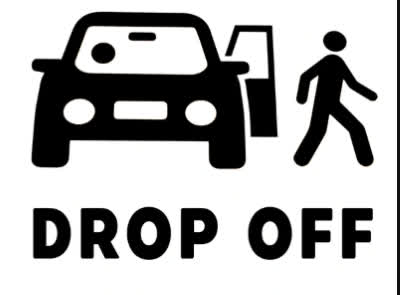
drop off

/drɑːp ɑːf/

(phrasal verb) quedarse dormido, adormecerse, dejar

Ejemplo:

I was so tired that I started to drop off during the movie.
Estaba tan cansado que empecé a quedarme dormido durante la película.

go up

/ɡoʊ ˈʌp/

(phrasal verb) subir, aumentar, levantarse

Ejemplo:

The price of gas is expected to go up next month.
Se espera que el precio de la gasolina suba el próximo mes.

set up

/set ʌp/

(phrasal verb) establecer, crear, configurar

Ejemplo:

They plan to set up a new business next year.
Planean establecer un nuevo negocio el próximo año.

take out

/ˈteɪk aʊt/

(phrasal verb) sacar, quitar, solicitar

Ejemplo:

Can you please take out the trash?
¿Puedes por favor sacar la basura?

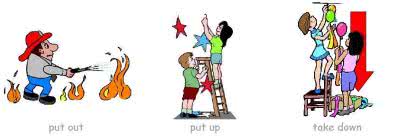
put out

/pʊt aʊt/

(phrasal verb) apagar, molestar, incomodar

Ejemplo:

The firefighters quickly put out the blaze.
Los bomberos apagaron rápidamente el incendio.

take off

/teɪk ɔf/

(phrasal verb) quitar, desprender, despegar

Ejemplo:
Please take off your shoes before entering the house.
Por favor, quítate los zapatos antes de entrar a la casa.

look after

/lʊk ˈæf.tər/

(phrasal verb) cuidar de, atender

Ejemplo:

Can you look after my cat while I'm on vacation?
¿Puedes cuidar de mi gato mientras estoy de vacaciones?

make up for

/meɪk ʌp fɔr/

(phrasal verb) compensar, resarcir

Ejemplo:

I'll make up for lost time by working extra hours.
Compensaré el tiempo perdido trabajando horas extras.

drift off

/drɪft ɔːf/

(phrasal verb) quedarse dormido, adormecerse

Ejemplo:

I was just beginning to drift off when the phone rang.
Me estaba empezando a quedar dormido cuando sonó el teléfono.

come up

/kʌm ʌp/

(phrasal verb) surgir, aparecer, subir

Ejemplo:

The issue of funding will come up at the next meeting.
El tema de la financiación surgirá en la próxima reunión.

blow away

/bloʊ əˈweɪ/

(phrasal verb) llevarse con el viento, volar, impresionar

Ejemplo:

The strong wind might blow away the leaves.
El viento fuerte podría llevarse las hojas.

look on

/lʊk ɑːn/

(phrasal verb) observar, mirar, considerar

Ejemplo:

Many people just looked on as the accident happened.
Mucha gente solo observó cómo ocurrió el accidente.

take in

/teɪk ɪn/

(phrasal verb) engañar, timar, asimilar

Ejemplo:

Don't be taken in by his charming smile; he's a con artist.
No te dejes engañar por su encantadora sonrisa; es un estafador.

drop out

/drɑːp aʊt/

(phrasal verb) abandonar, dejar los estudios, retirarse

Ejemplo:

He decided to drop out of college and start his own business.
Decidió abandonar la universidad y empezar su propio negocio.

build up

/bɪld ʌp/

(phrasal verb) construir, fortalecer, acumular

Ejemplo:

She needs to build up her strength after the illness.
Ella necesita fortalecer su fuerza después de la enfermedad.

check out

/tʃek aʊt/

(phrasal verb) revisar, verificar, hacer el check-out

Ejemplo:

Can you check out the new security system?
¿Puedes revisar el nuevo sistema de seguridad?

check in

/tʃek ɪn/

(phrasal verb) registrarse, facturar, comunicarse

Ejemplo:

We need to check in at the hotel before 3 PM.
Necesitamos registrarnos en el hotel antes de las 3 PM.

break in

/breɪk ɪn/

(phrasal verb) entrar a la fuerza, allanar, amoldar

Ejemplo:

Someone tried to break in through the back door last night.
Alguien intentó entrar a la fuerza por la puerta trasera anoche.

break out

/breɪk aʊt/

(phrasal verb) fugarse, escaparse, estallar

Ejemplo:

Three prisoners broke out of the maximum-security prison last night.
Tres prisioneros se fugaron de la prisión de máxima seguridad anoche.

note down

/noʊt daʊn/

(phrasal verb) anotar, apuntar

Ejemplo:

Please note down the address before you leave.
Por favor, anota la dirección antes de irte.

set off

/set ˈɔːf/

(phrasal verb) salir, partir, provocar

Ejemplo:

We decided to set off early to avoid traffic.
Decidimos salir temprano para evitar el tráfico.

go down with

/ɡoʊ daʊn wɪθ/

(phrasal verb) contraer, caer enfermo con

Ejemplo:

He went down with the flu right before his exams.
Él cayó enfermo con la gripe justo antes de sus exámenes.

try-out

/ˈtraɪ.aʊt/

(noun) prueba, audición

Ejemplo:

She's going to the dance try-out next week.
Ella va a la prueba de baile la próxima semana.

bring about

/brɪŋ əˈbaʊt/

(phrasal verb) provocar, causar, ocasionar

Ejemplo:

The new policy aims to bring about significant changes in the education system.
La nueva política tiene como objetivo provocar cambios significativos en el sistema educativo.

make out

/meɪk aʊt/

(phrasal verb) distinguir, entender, besarse

Ejemplo:

I could just make out a figure in the distance.
Apenas pude distinguir una figura a lo lejos.

find out

/faɪnd aʊt/

(phrasal verb) averiguar, descubrir, enterarse

Ejemplo:

I need to find out when the next train leaves.
Necesito averiguar cuándo sale el próximo tren.

cut down on

/kʌt daʊn ɑn/

(phrasal verb) reducir, disminuir

Ejemplo:

I need to cut down on sugar if I want to lose weight.
Necesito reducir el azúcar si quiero perder peso.

take over

/ˈteɪk ˌoʊ.vər/

(phrasal verb) asumir el control, hacerse cargo, dominar

Ejemplo:

She will take over as CEO next month.
Ella asumirá como CEO el próximo mes.

walk away

/wɑːk əˈweɪ/

(phrasal verb) alejarse, huir, salir ileso

Ejemplo:

He decided to walk away from the argument.
Decidió alejarse de la discusión.

drop by

/drɑp baɪ/

(phrasal verb) pasarse, hacer una visita rápida

Ejemplo:

Feel free to drop by anytime you're in the neighborhood.
No dudes en pasarte cuando estés por el barrio.

look up

/lʊk ˈʌp/

(phrasal verb) buscar, consultar, mejorar

Ejemplo:
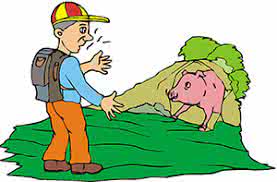
I need to look up the meaning of this word in the dictionary.
Necesito buscar el significado de esta palabra en el diccionario.

come across

/kʌm əˈkrɔs/

(phrasal verb) encontrarse con, toparse con, transmitirse

Ejemplo:

I came across an old friend at the market today.
Me encontré con un viejo amigo en el mercado hoy.

get through

/ɡet θruː/

(phrasal verb) superar, salir adelante, comunicarse

Ejemplo:

I don't know how I'm going to get through this week.
No sé cómo voy a superar esta semana.

see-through

/ˈsiː.θruː/

(adjective) transparente, translúcido

Ejemplo:

She wore a see-through blouse.
Llevaba una blusa transparente.

take on

/teɪk ɑːn/

(phrasal verb) asumir, encargarse de, contratar

Ejemplo:

I can't take on any more work right now.
No puedo asumir más trabajo ahora mismo.

catch on

/kætʃ ɑːn/

(phrasal verb) pegar, hacerse popular, entender

Ejemplo:

The new dance craze is starting to catch on.
La nueva moda de baile está empezando a pegar.

break off

/breɪk ɔf/

(phrasal verb) romper, separar, interrumpir

Ejemplo:

He managed to break off a piece of the chocolate bar.
Logró romper un trozo de la barra de chocolate.

come up against

/kʌm ʌp əˈɡenst/

(phrasal verb) enfrentarse a, tropezar con

Ejemplo:

We came up against a lot of resistance from the local community.
Nos enfrentamos a mucha resistencia por parte de la comunidad local.

seal off

/siːl ɔːf/

(phrasal verb) acordonar, cerrar

Ejemplo:
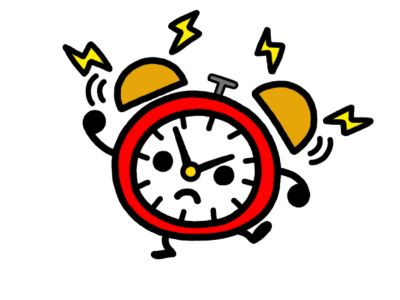
Police have sealed off the street where the accident happened.
La policía ha acordonado la calle donde ocurrió el accidente.

go off

/ɡoʊ ɔf/

(phrasal verb) explotar, sonar, irse

Ejemplo:

The bomb went off with a loud bang.
La bomba explotó con un fuerte estruendo.

call up

/kɔːl ˈʌp/

(phrasal verb) llamar, telefonear, llamar a filas

Ejemplo:

I need to call up my sister to wish her a happy birthday.
Necesito llamar a mi hermana para desearle un feliz cumpleaños.

carry out

/ˈkær.i aʊt/

(phrasal verb) llevar a cabo, realizar

Ejemplo:

The team will carry out the experiment next week.
El equipo llevará a cabo el experimento la próxima semana.

bring in

/brɪŋ ɪn/

(phrasal verb) introducir, establecer, generar

Ejemplo:
The government plans to bring in new regulations next year.
El gobierno planea introducir nuevas regulaciones el próximo año.

turn down

/tɜːrn daʊn/

(phrasal verb) rechazar, negar, bajar

Ejemplo:

She had to turn down the job offer because it was too far away.
Tuvo que rechazar la oferta de trabajo porque estaba demasiado lejos.

start out

/stɑːrt aʊt/

(phrasal verb) empezar, comenzar, salir

Ejemplo:

He started out as a humble apprentice.
Él empezó como un humilde aprendiz.

give in

/ɡɪv ɪn/

(phrasal verb) ceder, rendirse, colapsar

Ejemplo:

My parents finally gave in and let me go to the party.
Mis padres finalmente cedieron y me dejaron ir a la fiesta.

hand in

/hænd ɪn/

(phrasal verb) entregar, presentar

Ejemplo:
Please hand in your assignments by Friday.
Por favor, entreguen sus tareas antes del viernes.

wear off

/wer ˈɔf/

(phrasal verb) desaparecer, pasar, perder el efecto

Ejemplo:

The effects of the painkiller started to wear off.
Los efectos del analgésico comenzaron a desaparecer.

put aside

/pʊt əˈsaɪd/

(phrasal verb) apartar, ahorrar, reservar

Ejemplo:

She tries to put aside a little money each month for her retirement.
Ella intenta apartar un poco de dinero cada mes para su jubilación.

pop in

/pɑp ɪn/

(phrasal verb) pasarse, aparecer

Ejemplo:

I'll pop in to see you tomorrow.
Mañana me pasaré a verte.

pop into

/pɑp ˈɪntuː/

(phrasal verb) pasar por, entrar rápidamente

Ejemplo:

I need to pop into the shop for some milk.
Necesito pasar por la tienda a por leche.

sell out

/sel aʊt/

(phrasal verb) agotar, vender todo, traicionar

Ejemplo:

The concert tickets sold out in minutes.
Las entradas del concierto se agotaron en minutos.

be sold out

/biː soʊld aʊt/

(idiom) estar agotado, estar vendido

Ejemplo:

I'm sorry, but the concert is sold out.
Lo siento, pero el concierto está agotado.

die out

/daɪ aʊt/

(phrasal verb) extinguirse, desaparecer

Ejemplo:

Many species of animals are dying out due to habitat loss.
Muchas especies de animales están extinguiéndose debido a la pérdida de hábitat.

date back to

/deɪt bæk tuː/

(phrasal verb) datar de, remontarse a

Ejemplo:

This castle dates back to the 14th century.
Este castillo data del siglo XIV.

depend on

/dɪˈpend ɑːn/

(phrasal verb) depender de, contar con

Ejemplo:
You can always depend on me for help.
Siempre puedes contar conmigo para ayuda.

put up with

/pʊt ʌp wɪð/

(phrasal verb) soportar, aguantar

Ejemplo:

I can't put up with his constant complaining anymore.
Ya no puedo soportar sus quejas constantes.

think back on

/θɪŋk bæk ɑːn/

(phrasal verb) recordar, rememorar

Ejemplo:

I often think back on my childhood with great fondness.
A menudo recuerdo mi infancia con mucho cariño.

talk back to

/tɔːk bæk tuː/

(phrasal verb) contestar, replicar

Ejemplo:

Don't talk back to your mother like that!
¡No le contestes así a tu madre!

keep up with

/kiːp ˈʌp wɪθ/

(phrasal verb) mantenerse al día con, seguir el ritmo de, mantenerse al tanto de

Ejemplo:

It's hard to keep up with all the new technology.
Es difícil mantenerse al día con toda la nueva tecnología.

give up

/ɡɪv ˈʌp/

(phrasal verb) rendirse, abandonar, dejar

Ejemplo:

Don't give up on your dreams.
No te rindas con tus sueños.

care for

/ker fɔːr/

(phrasal verb) cuidar de, atender a, gustar

Ejemplo:

She decided to care for her elderly parents.
Ella decidió cuidar de sus padres ancianos.

call off

/kɔːl ˈɔːf/

(phrasal verb) cancelar, suspender, retirar

Ejemplo:

They had to call off the outdoor concert due to heavy rain.
Tuvieron que cancelar el concierto al aire libre debido a la fuerte lluvia.

put away

/pʊt əˈweɪ/

(phrasal verb) guardar, recoger, comer mucho

Ejemplo:
Please put away your toys after you finish playing.
Por favor, guarda tus juguetes después de terminar de jugar.

run out of

/rʌn aʊt ʌv/

(phrasal verb) quedarse sin, agotarse

Ejemplo:

We've run out of milk, so I need to go to the store.
Nos hemos quedado sin leche, así que tengo que ir a la tienda.

participate in

/pɑːrˈtɪs.ɪ.peɪt ɪn/

(phrasal verb) participar en, tomar parte en

Ejemplo:

Everyone is encouraged to participate in the discussion.
Se anima a todos a participar en la discusión.

face up to

/feɪs ʌp tə/

(phrasal verb) enfrentar, afrontar

Ejemplo:

You need to face up to your responsibilities.
Necesitas enfrentar tus responsabilidades.

go in for

/ɡoʊ ɪn fɔːr/

(phrasal verb) dedicarse a, optar por, gustar

Ejemplo:

She decided to go in for medicine.
Ella decidió dedicarse a la medicina.

bounce back

/baʊns bæk/

(phrasal verb) recuperarse, reponerse, volver a la normalidad

Ejemplo:

After losing the game, the team managed to bounce back with a strong win.
Después de perder el partido, el equipo logró recuperarse con una victoria contundente.

put through

/pʊt θruː/

(phrasal verb) conectar, poner en contacto, someter a

Ejemplo:

Can you put me through to customer service?
¿Puedes ponerme en contacto con el servicio al cliente?

drop in

/drɑːp ɪn/

(phrasal verb) pasarse, visitar, bajar

Ejemplo:

Feel free to drop in anytime you're in the neighborhood.
No dudes en pasarte cuando estés por el barrio.

drop in on

/drɑːp ɪn ɑːn/

(phrasal verb) visitar sin avisar, pasarse por

Ejemplo:

I thought I'd drop in on you while I was in the neighborhood.
Pensé en hacerte una visita rápida mientras estaba por el barrio.

drop into

/drɑːp ˈɪn.tuː/

(phrasal verb) pasarse por, dejarse caer

Ejemplo:

I thought I'd drop into the office to see how things were going.
Pensé en pasarme por la oficina para ver cómo iban las cosas.

knock down

/nɑːk daʊn/

(phrasal verb) derribar, tumbar, bajar

Ejemplo:

The boxer managed to knock down his opponent in the first round.
El boxeador logró derribar a su oponente en el primer asalto.

knock over

/nɑːk ˈoʊ.vər/

(phrasal verb) tirar, derribar, asaltar

Ejemplo:

Be careful not to knock over the vase.
Ten cuidado de no tirar el jarrón.

bear out

/ber aʊt/

(phrasal verb) corroborar, confirmar

Ejemplo:

The evidence will bear out his claims.
La evidencia corroborará sus afirmaciones.
Aprende este conjunto de vocabulario en Lingoland