Avatar of Vocabulary Set 考试中经常出现的短语动词

词汇集 考试中经常出现的短语动词(属于 重要短语动词):完整且详细的清单

词汇集「考试中经常出现的短语动词」(属于「重要短语动词」)从国际标准教材来源精心挑选,帮助您在短时间内掌握词汇。全面汇整定义、例句及标准发音…

在 Lingoland 学习此词汇集

立即学习

shrug something off/aside

/ʃrʌɡ ˈsʌm.θɪŋ ɔːf/əˈsaɪd/

(phrasal verb) 不予理睬, 对...付诸一笑

示例:

He managed to shrug off the criticism and continue with his work.
他成功地对批评付诸一笑,继续他的工作。

blow over

/bloʊ ˈoʊ.vər/

(phrasal verb) 平息, 过去

示例:

The scandal will eventually blow over.
这场丑闻最终会平息

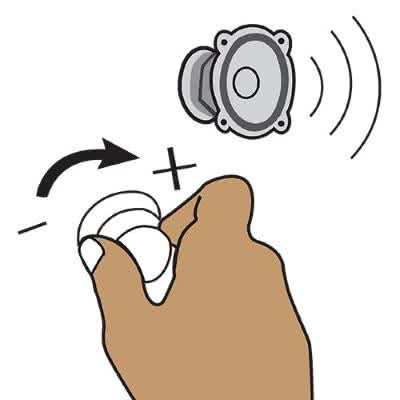
turn up

/tɜːrn ʌp/

(phrasal verb) 出现, 到来, 调大

示例:

He didn't turn up for the meeting.
他没有出现在会议上。

deal with

/diːl wɪð/

(phrasal verb) 处理, 应对, 打交道

示例:

We need to deal with this issue immediately.
我们需要立即处理这个问题。

believe in

/bɪˈliːv ɪn/

(phrasal verb) 相信, 信任

示例:

Do you believe in ghosts?
相信鬼魂吗?

go over

/ɡoʊ ˈoʊvər/

(phrasal verb) 检查, 核对, 被接受

示例:

Let's go over the details one more time.
我们再核对一遍细节。

break up

/breɪk ʌp/

(phrasal verb) 分手, 断绝关系, 破裂

示例:

They decided to break up after five years together.
他们决定在一起五年后分手

put on

/pʊt ɑːn/

(phrasal verb) 穿上, 戴上, 打开

示例:

She decided to put on her favorite dress for the party.
她决定穿上她最喜欢的裙子去参加派对。

get into

/ɡet ˈɪntuː/

(phrasal verb) 进入, 登上, 参与

示例:

She managed to get into the concert without a ticket.
她设法没有票就进入了音乐会。

get in

/ɡet ɪn/

(phrasal verb) 到达, 进入, 当选

示例:

What time did you get in last night?
你昨晚几点回来的?

get on with

/ɡet ɑːn wɪð/

(phrasal verb) 继续, 着手, 相处融洽

示例:

Stop talking and get on with your work.
别说话了,继续你的工作。

get along with

/ɡɛt əˈlɔŋ wɪð/

(phrasal verb) 相处融洽, 和睦相处, 进展

示例:

I really get along with my new colleagues.
我真的和我的新同事们相处得很好

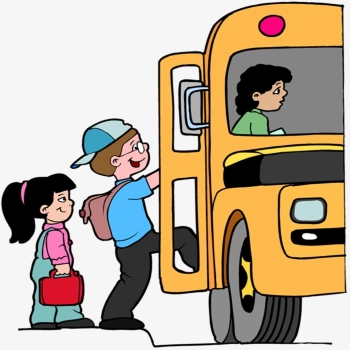
get on

/ɡet ɑːn/

(phrasal verb) 上车, 登上, 相处

示例:

We need to get on the bus quickly before it leaves.
我们得赶紧车,不然车就走了。

get along

/ɡet əˈlɔŋ/

(phrasal verb) 相处, 和睦相处, 进展

示例:

I really get along with my new colleagues.
我真的和我的新同事们相处得很好

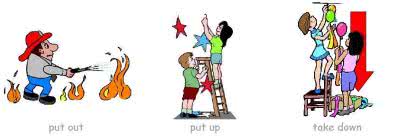
put up

/pʊt ʌp/

(phrasal verb) 竖起, 搭建, 建造

示例:

They decided to put up a new fence around the garden.
他们决定在花园周围竖起一道新篱笆。

take up

/teɪk ˈʌp/

(phrasal verb) 开始从事, 着手, 占用

示例:

She decided to take up painting in her free time.
她决定在空闲时间开始画画。

team up with

/tiːm ʌp wɪð/

(phrasal verb) 与...合作, 与...组队

示例:

I decided to team up with a local charity for the event.
我决定当地一家慈善机构合作举办这次活动。

fight off

/faɪt ɔf/

(phrasal verb) 击退, 抵抗

示例:

She managed to fight off the attacker.
她成功地击退了袭击者。

ask for

/æsk fɔːr/

(phrasal verb) 要求, 请求, 问候

示例:

I'm going to ask for a raise.
我打算要求加薪。

look for

/lʊk fɔːr/

(phrasal verb) 寻找, 查找, 期待

示例:

I need to look for my keys; I can't find them anywhere.
我需要寻找我的钥匙;我哪里都找不到它们。

get off

/ɡet ˈɔːf/

(phrasal verb) 下车, 下船, 下班

示例:

I need to get off at the next stop.
我需要在下一站下车

catch up on

/kætʃ ʌp ɑːn/

(phrasal verb) 补上, 处理, 了解近况

示例:

I need to catch up on my sleep this weekend.
我这个周末需要补觉

come up with

/kʌm ʌp wɪð/

(phrasal verb) 想出, 提出, 得出

示例:

Can you come up with a better solution?
你能想出一个更好的解决方案吗?

fill up

/fɪl ˈʌp/

(phrasal verb) 装满, 加满, 吃饱

示例:

Can you fill up the water bottle before we leave?
我们走之前你能把水瓶装满吗?

go out with

/ɡoʊ aʊt wɪð/

(phrasal verb) 交往, 谈恋爱

示例:

How long have you been going out with him?
你和他交往多久了?

bring up

/brɪŋ ʌp/

(phrasal verb) 抚养, 养育, 提起

示例:

She was brought up by her grandparents.
她是由祖父母抚养长大的。

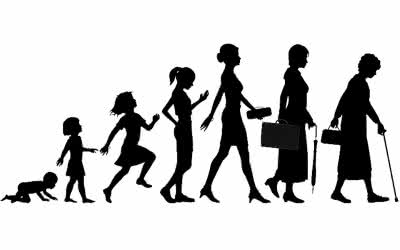
grow up

/ɡroʊ ˈʌp/

(phrasal verb) 长大, 成年, 成熟

示例:

My children are growing up so fast.
我的孩子们长大得真快。

pass away

/pæs əˈweɪ/

(phrasal verb) 去世, 逝世

示例:

His grandmother passed away peacefully in her sleep.
他的祖母在睡梦中安详地去世了

pass on

/pæs ɑːn/

(phrasal verb) 转达, 传递, 去世

示例:

Please pass on this message to your colleagues.
请把这个消息转达给你的同事。

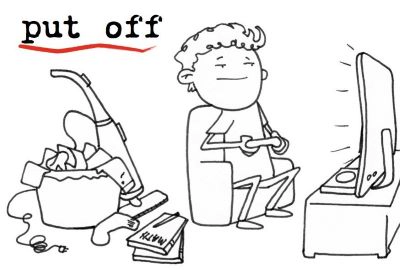
put off

/pʊt ɔf/

(phrasal verb) 推迟, 延期, 使反感

示例:

Don't put off until tomorrow what you can do today.
不要把今天能做的事推迟到明天。

switch off

/swɪtʃ ɔf/

(phrasal verb) 关掉, 关闭, 放松

示例:

Please switch off the lights when you leave the room.
离开房间时请关掉灯。

run into

/rʌn ˈɪntuː/

(phrasal verb) 碰到, 偶遇, 遇到

示例:

I didn't expect to run into you at the supermarket.
我没想到会在超市碰到你。

speed up

/spiːd ʌp/

(phrasal verb) 加速, 加快

示例:

The car began to speed up as it approached the highway.
汽车驶近高速公路时开始加速

engage in

/ɪnˈɡeɪdʒ ɪn/

(phrasal verb) 参与, 从事

示例:

They engage in lively discussions during their meetings.
他们在会议期间参与热烈的讨论。

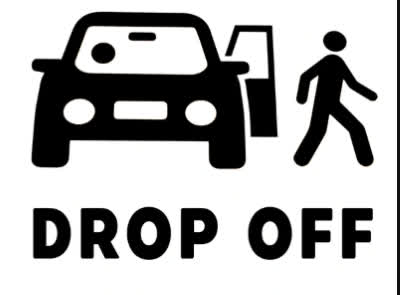
drop off

/drɑːp ɑːf/

(phrasal verb) 睡着, 打瞌睡, 放下

示例:

I was so tired that I started to drop off during the movie.
我太累了,看电影的时候开始打瞌睡

go up

/ɡoʊ ˈʌp/

(phrasal verb) 上涨, 升高, 建起

示例:

The price of gas is expected to go up next month.
汽油价格预计下个月会上涨

set up

/set ʌp/

(phrasal verb) 建立, 设置, 创办

示例:

They plan to set up a new business next year.
他们计划明年创办一家新公司。

take out

/ˈteɪk aʊt/

(phrasal verb) 取出, 拿走, 办理

示例:

Can you please take out the trash?
你能把垃圾拿出去吗?

put out

/pʊt aʊt/

(phrasal verb) 扑灭, 熄灭, 麻烦

示例:

The firefighters quickly put out the blaze.
消防员迅速扑灭了大火。

take off

/teɪk ɔf/

(phrasal verb) 脱掉, 移开, 起飞

示例:

Please take off your shoes before entering the house.
进屋前请脱掉鞋子。

look after

/lʊk ˈæf.tər/

(phrasal verb) 照顾, 照看

示例:

Can you look after my cat while I'm on vacation?
我度假期间你能照顾我的猫吗?

make up for

/meɪk ʌp fɔr/

(phrasal verb) 弥补, 补偿

示例:

I'll make up for lost time by working extra hours.
我会通过加班来弥补失去的时间。

drift off

/drɪft ɔːf/

(phrasal verb) 渐渐入睡, 迷糊

示例:

I was just beginning to drift off when the phone rang.
电话响的时候我刚要睡着

come up

/kʌm ʌp/

(phrasal verb) 提出, 发生, 冒出来

示例:

The issue of funding will come up at the next meeting.
资金问题将在下次会议上提出

blow away

/bloʊ əˈweɪ/

(phrasal verb) 吹走, 刮走, 使大吃一惊

示例:

The strong wind might blow away the leaves.
大风可能会吹走树叶。

look on

/lʊk ɑːn/

(phrasal verb) 旁观, 袖手旁观, 看作

示例:

Many people just looked on as the accident happened.
许多人只是旁观着事故的发生。

take in

/teɪk ɪn/

(phrasal verb) 欺骗, 蒙骗, 理解

示例:

Don't be taken in by his charming smile; he's a con artist.
别被他迷人的笑容骗了;他是个骗子。

drop out

/drɑːp aʊt/

(phrasal verb) 辍学, 退出, 掉队

示例:

He decided to drop out of college and start his own business.
他决定辍学并开始自己的事业。

build up

/bɪld ʌp/

(phrasal verb) 建立, 增强, 积累

示例:

She needs to build up her strength after the illness.
她病后需要增强体力。

check out

/tʃek aʊt/

(phrasal verb) 检查, 核实, 退房

示例:

Can you check out the new security system?
你能检查一下新的安全系统吗?

check in

/tʃek ɪn/

(phrasal verb) 办理入住, 报到, 联系

示例:

We need to check in at the hotel before 3 PM.
我们必须在下午3点前在酒店办理入住

break in

/breɪk ɪn/

(phrasal verb) 闯入, 破门而入, 磨合

示例:

Someone tried to break in through the back door last night.
昨晚有人试图从后门闯入

break out

/breɪk aʊt/

(phrasal verb) 越狱, 逃脱, 爆发

示例:

Three prisoners broke out of the maximum-security prison last night.
昨晚,三名囚犯从戒备森严的监狱中越狱了。

note down

/noʊt daʊn/

(phrasal verb) 记下, 记录

示例:

Please note down the address before you leave.
请在离开前记下地址。

set off

/set ˈɔːf/

(phrasal verb) 出发, 启程, 引发

示例:

We decided to set off early to avoid traffic.
我们决定早点出发以避开交通堵塞。

go down with

/ɡoʊ daʊn wɪθ/

(phrasal verb) 得病, 染上

示例:

He went down with the flu right before his exams.
他考试前得了流感。

try-out

/ˈtraɪ.aʊt/

(noun) 选拔, 试演

示例:

She's going to the dance try-out next week.
她下周要去参加舞蹈选拔

bring about

/brɪŋ əˈbaʊt/

(phrasal verb) 引起, 导致, 促成

示例:

The new policy aims to bring about significant changes in the education system.
新政策旨在带来教育系统的重大变革。

make out

/meɪk aʊt/

(phrasal verb) 辨认出, 听清, 亲热

示例:

I could just make out a figure in the distance.
我勉强能辨认出远处的一个人影。

find out

/faɪnd aʊt/

(phrasal verb) 查明, 发现, 弄清楚

示例:

I need to find out when the next train leaves.
我需要查明下一班火车何时发车。

cut down on

/kʌt daʊn ɑn/

(phrasal verb) 减少, 削减

示例:

I need to cut down on sugar if I want to lose weight.
如果我想减肥,我需要减少糖的摄入。

take over

/ˈteɪk ˌoʊ.vər/

(phrasal verb) 接管, 收购, 占据

示例:

She will take over as CEO next month.
她下个月将接任首席执行官。

walk away

/wɑːk əˈweɪ/

(phrasal verb) 退出, 逃避, 幸存

示例:

He decided to walk away from the argument.
他决定退出争论。

drop by

/drɑp baɪ/

(phrasal verb) 顺道拜访, 顺便去

示例:

Feel free to drop by anytime you're in the neighborhood.
你随时都可以顺道拜访,只要你在附近。

look up

/lʊk ˈʌp/

(phrasal verb) 查阅, 查找, 好转

示例:

I need to look up the meaning of this word in the dictionary.
我需要查阅字典来查找这个词的意思。

come across

/kʌm əˈkrɔs/

(phrasal verb) 偶然发现, 偶然遇到, 被理解

示例:

I came across an old friend at the market today.
我今天在市场上偶然遇到了一位老朋友。

get through

/ɡet θruː/

(phrasal verb) 度过, 熬过, 打通

示例:

I don't know how I'm going to get through this week.
我不知道我将如何度过这一周。

see-through

/ˈsiː.θruː/

(adjective) 透明的, 透视的

示例:

She wore a see-through blouse.
她穿了一件透明衬衫。

take on

/teɪk ɑːn/

(phrasal verb) 承担, 接受, 招聘

示例:

I can't take on any more work right now.
我现在不能再承担更多工作了。

catch on

/kætʃ ɑːn/

(phrasal verb) 流行起来, 受欢迎, 明白

示例:

The new dance craze is starting to catch on.
新的舞蹈热潮开始流行起来

break off

/breɪk ɔf/

(phrasal verb) 折断, 掰开, 中断

示例:

He managed to break off a piece of the chocolate bar.
他设法掰下了一块巧克力。

come up against

/kʌm ʌp əˈɡenst/

(phrasal verb) 面临, 遇到

示例:

We came up against a lot of resistance from the local community.
我们遇到了来自当地社区的巨大阻力。

seal off

/siːl ɔːf/

(phrasal verb) 封锁, 隔绝

示例:

Police have sealed off the street where the accident happened.
警察已经封锁了事故发生的街道。

go off

/ɡoʊ ɔf/

(phrasal verb) 爆炸, 响起, 离开

示例:

The bomb went off with a loud bang.
炸弹砰地一声爆炸了

call up

/kɔːl ˈʌp/

(phrasal verb) 打电话, 呼叫, 征召入伍

示例:

I need to call up my sister to wish her a happy birthday.
我需要打电话给我姐姐祝她生日快乐。

carry out

/ˈkær.i aʊt/

(phrasal verb) 执行, 进行

示例:

The team will carry out the experiment next week.
团队将在下周进行实验。

bring in

/brɪŋ ɪn/

(phrasal verb) 引入, 实行, 带来

示例:

The government plans to bring in new regulations next year.
政府计划明年出台新规定。

turn down

/tɜːrn daʊn/

(phrasal verb) 拒绝, 回绝, 调小

示例:

She had to turn down the job offer because it was too far away.
她不得不拒绝这份工作,因为它太远了。

start out

/stɑːrt aʊt/

(phrasal verb) 开始, 起步, 出发

示例:

He started out as a humble apprentice.
最初是一名不起眼的学徒。

give in

/ɡɪv ɪn/

(phrasal verb) 让步, 屈服, 坍塌

示例:

My parents finally gave in and let me go to the party.
我父母最终让步,让我去参加派对。

hand in

/hænd ɪn/

(phrasal verb) 上交, 递交

示例:

Please hand in your assignments by Friday.
请在周五前上交你的作业。

wear off

/wer ˈɔf/

(phrasal verb) 消退, 逐渐消失, 失去效力

示例:

The effects of the painkiller started to wear off.
止痛药的效果开始消退

put aside

/pʊt əˈsaɪd/

(phrasal verb) 存下, 留出, 搁置

示例:

She tries to put aside a little money each month for her retirement.
她每月都尽量存下一点钱以备退休。

pop in

/pɑp ɪn/

(phrasal verb) 顺便拜访, 突然出现

示例:

I'll pop in to see you tomorrow.
我明天会顺便拜访你。

pop into

/pɑp ˈɪntuː/

(phrasal verb) 顺便去, 快速进入

示例:

I need to pop into the shop for some milk.
我需要顺便去商店买些牛奶。

sell out

/sel aʊt/

(phrasal verb) 售罄, 卖完, 背叛

示例:

The concert tickets sold out in minutes.
音乐会门票在几分钟内就售罄了

be sold out

/biː soʊld aʊt/

(idiom) 售罄, 卖光

示例:

I'm sorry, but the concert is sold out.
抱歉,音乐会门票已经售罄

die out

/daɪ aʊt/

(phrasal verb) 灭绝, 消亡

示例:

Many species of animals are dying out due to habitat loss.
许多动物物种因栖息地丧失而灭绝

date back to

/deɪt bæk tuː/

(phrasal verb) 追溯到, 始于

示例:

This castle dates back to the 14th century.
这座城堡可以追溯到14世纪。

depend on

/dɪˈpend ɑːn/

(phrasal verb) 取决于, 依靠

示例:

You can always depend on me for help.
你总能依靠我寻求帮助。

put up with

/pʊt ʌp wɪð/

(phrasal verb) 忍受, 容忍

示例:

I can't put up with his constant complaining anymore.
我再也无法忍受他不停的抱怨了。

think back on

/θɪŋk bæk ɑːn/

(phrasal verb) 回想, 追忆

示例:

I often think back on my childhood with great fondness.
我经常带着深情回想我的童年。

talk back to

/tɔːk bæk tuː/

(phrasal verb) 顶嘴, 回嘴

示例:

Don't talk back to your mother like that!
不要那样跟妈妈顶嘴

keep up with

/kiːp ˈʌp wɪθ/

(phrasal verb) 跟上, 保持同步, 跟进

示例:

It's hard to keep up with all the new technology.
很难跟上所有的新技术。

give up

/ɡɪv ˈʌp/

(phrasal verb) 放弃, 投降, 戒掉

示例:

Don't give up on your dreams.
不要放弃你的梦想。

care for

/ker fɔːr/

(phrasal verb) 照顾, 照看, 喜欢

示例:

She decided to care for her elderly parents.
她决定照顾年迈的父母。

call off

/kɔːl ˈɔːf/

(phrasal verb) 取消, 中止, 叫回

示例:

They had to call off the outdoor concert due to heavy rain.
由于大雨,他们不得不取消户外音乐会。

put away

/pʊt əˈweɪ/

(phrasal verb) 收好, 放好, 吃掉

示例:

Please put away your toys after you finish playing.
玩完后请收好你的玩具。

run out of

/rʌn aʊt ʌv/

(phrasal verb) 用完, 耗尽, 用尽

示例:

We've run out of milk, so I need to go to the store.
我们牛奶用完了,所以我得去商店。

participate in

/pɑːrˈtɪs.ɪ.peɪt ɪn/

(phrasal verb) 参与, 参加

示例:

Everyone is encouraged to participate in the discussion.
鼓励大家参与讨论。

face up to

/feɪs ʌp tə/

(phrasal verb) 正视, 面对

示例:

You need to face up to your responsibilities.
你需要正视你的责任。

go in for

/ɡoʊ ɪn fɔːr/

(phrasal verb) 从事, 选择, 喜欢

示例:

She decided to go in for medicine.
她决定从事医学。

bounce back

/baʊns bæk/

(phrasal verb) 反弹, 恢复, 振作

示例:

After losing the game, the team managed to bounce back with a strong win.
输掉比赛后,球队成功地反弹,取得了强劲的胜利。

put through

/pʊt θruː/

(phrasal verb) 转接, 接通, 使经历

示例:

Can you put me through to customer service?
你能帮我转接到客户服务吗?

drop in

/drɑːp ɪn/

(phrasal verb) 顺便拜访, 串门, 下降

示例:

Feel free to drop in anytime you're in the neighborhood.
你什么时候在附近,随时都可以过来

drop in on

/drɑːp ɪn ɑːn/

(phrasal verb) 顺便拜访, 闲逛到

示例:

I thought I'd drop in on you while I was in the neighborhood.
我想既然我在附近,就顺便拜访一下你。

drop into

/drɑːp ˈɪn.tuː/

(phrasal verb) 顺便拜访, 偶然进入

示例:

I thought I'd drop into the office to see how things were going.
我想顺便去办公室看看进展如何。

knock down

/nɑːk daʊn/

(phrasal verb) 击倒, 推倒, 降低

示例:

The boxer managed to knock down his opponent in the first round.
拳击手在第一回合成功击倒了对手。

knock over

/nɑːk ˈoʊ.vər/

(phrasal verb) 打翻, 撞倒, 抢劫

示例:

Be careful not to knock over the vase.
小心不要打翻花瓶。

bear out

/ber aʊt/

(phrasal verb) 证实, 支持

示例:

The evidence will bear out his claims.
证据将证实他的说法。
在 Lingoland 学习此词汇集