
Avatar of Vocabulary Set สรุปวลีกริยาที่ปรากฏในข้อสอบอ้างอิงและข้อสอบทางการ

ชุดคำศัพท์ สรุปวลีกริยาที่ปรากฏในข้อสอบอ้างอิงและข้อสอบทางการ ในชุด กริยาวลีที่สำคัญ: รายการเต็มรูปแบบและละเอียด

ชุดคำศัพท์ 'สรุปวลีกริยาที่ปรากฏในข้อสอบอ้างอิงและข้อสอบทางการ' ในชุด 'กริยาวลีที่สำคัญ' คัดเลือกอย่างพิถีพิถันจากแหล่งตำราสากลมาตรฐาน ช่วยให้คุณเชี่ยวชาญคำศัพท์ในเวลาอันสั้น รวมคำนิยาม ตัวอย่างประกอบ และการออกเสียงมาตรฐาน...

เรียนชุดคำศัพท์นี้ที่ Lingoland

เรียนเลย

stand for

/stænd fɔr/

(phrasal verb) หมายถึง, เป็นสัญลักษณ์ของ, ทน

ตัวอย่าง:

What does 'UN' stand for?
'UN' ย่อมาจากอะไร?

take over

/ˈteɪk ˌoʊ.vər/

(phrasal verb) เข้าควบคุม, เข้าครอบครอง, เข้าครอบงำ

ตัวอย่าง:

She will take over as CEO next month.
เธอจะเข้ารับตำแหน่ง CEO ในเดือนหน้า

catch on

/kætʃ ɑːn/

(phrasal verb) เป็นที่นิยม, เป็นที่แพร่หลาย, เข้าใจ

ตัวอย่าง:

The new dance craze is starting to catch on.
กระแสเต้นรำใหม่กำลังเริ่มเป็นที่นิยม

hold on

/hoʊld ˈɑːn/

(phrasal verb) รอ, ยึดไว้, จับ;

(exclamation) เดี๋ยวก่อน, หยุด

ตัวอย่าง:

Please hold on a moment while I check.
โปรดรอสักครู่ขณะที่ฉันตรวจสอบ

take on

/teɪk ɑːn/

(phrasal verb) รับผิดชอบ, รับภาระ, จ้าง

ตัวอย่าง:

I can't take on any more work right now.
ฉันไม่สามารถรับงานเพิ่มได้ตอนนี้

get over

/ɡet ˈoʊ.vər/

(phrasal verb) หายจาก, ทำใจได้, ผ่านพ้น

ตัวอย่าง:

It took her a long time to get over the flu.
เธอใช้เวลานานกว่าจะหายจากไข้หวัดใหญ่

go through

/ɡoʊ θruː/

(phrasal verb) ผ่านพ้น, ประสบ, เผชิญ

ตัวอย่าง:

She had to go through a lot of pain after the accident.
เธอต้องผ่านพ้นความเจ็บปวดมากมายหลังเกิดอุบัติเหตุ

come over

/kʌm ˈoʊvər/

(phrasal verb) มา, เยี่ยม, เข้าครอบงำ

ตัวอย่าง:

Why don't you come over for dinner tonight?
ทำไมคุณไม่มาทานอาหารเย็นคืนนี้ล่ะ

make out

/meɪk aʊt/

(phrasal verb) มองเห็น, เข้าใจ, จูบกัน

ตัวอย่าง:

I could just make out a figure in the distance.
ฉันแทบจะมองเห็นร่างหนึ่งอยู่ไกลๆ

make up

/ˈmeɪk ʌp/

(phrasal verb) แต่งเรื่อง, กุเรื่อง, คืนดีกัน;

(noun) เครื่องสำอาง, การแต่งหน้า

ตัวอย่าง:

He tried to make up a story about why he was late.
เขาพยายามแต่งเรื่องว่าทำไมเขาถึงมาสาย

carry out

/ˈkær.i aʊt/

(phrasal verb) ดำเนินการ, ปฏิบัติ

ตัวอย่าง:

The team will carry out the experiment next week.
ทีมจะดำเนินการทดลองในสัปดาห์หน้า

take up

/teɪk ˈʌp/

(phrasal verb) เริ่มทำ, เริ่มเล่น, กินพื้นที่

ตัวอย่าง:

She decided to take up painting in her free time.
เธอตัดสินใจเริ่มวาดภาพในเวลาว่าง

give off

/ɡɪv ɔf/

(phrasal verb) ส่งกลิ่น, ปล่อย, แผ่

ตัวอย่าง:

The flowers give off a sweet scent.
ดอกไม้ส่งกลิ่นหอมหวาน

leave out

/liːv aʊt/

(phrasal verb) ละเว้น, ไม่รวม, ตัดออก

ตัวอย่าง:
Please don't leave out any important details when you tell the story.
โปรดอย่าละเว้นรายละเอียดที่สำคัญใดๆ เมื่อคุณเล่าเรื่อง

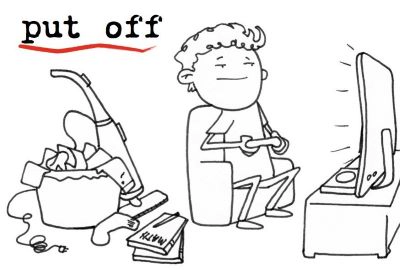
put off

/pʊt ɔf/

(phrasal verb) เลื่อน, ผัดผ่อน, ทำให้หมดกำลังใจ

ตัวอย่าง:

Don't put off until tomorrow what you can do today.
อย่าเลื่อนสิ่งที่ทำได้วันนี้ไปเป็นพรุ่งนี้

switch off

/swɪtʃ ɔf/

(phrasal verb) ปิด, ปิดสวิตช์, พักผ่อน

ตัวอย่าง:

Please switch off the lights when you leave the room.
กรุณาปิดไฟเมื่อคุณออกจากห้อง

turn on

/tɜːrn ɑːn/

(phrasal verb) เปิด, เริ่มทำงาน, ทำให้ตื่นเต้น

ตัวอย่าง:
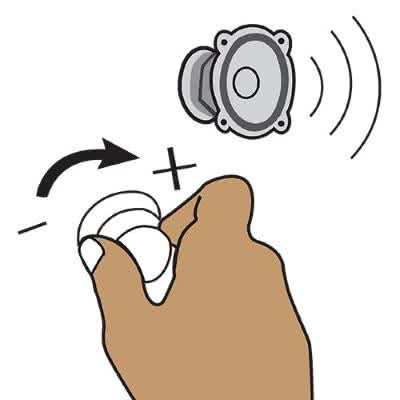
Could you please turn on the lights?
ช่วยเปิดไฟหน่อยได้ไหม

turn up

/tɜːrn ʌp/

(phrasal verb) ปรากฏ, มาถึง, เร่ง

ตัวอย่าง:

He didn't turn up for the meeting.
เขาไม่มาประชุม

make off

/meɪk ɔf/

(phrasal verb) หนีไป, หลบหนี

ตัวอย่าง:

The thieves made off with all the jewelry.
โจรหนีไปพร้อมเครื่องประดับทั้งหมด

put on

/pʊt ɑːn/

(phrasal verb) สวม, ใส่, เปิด

ตัวอย่าง:

She decided to put on her favorite dress for the party.
เธอตัดสินใจสวมชุดโปรดของเธอไปงานปาร์ตี้

bring down

/brɪŋ daʊn/

(phrasal verb) ทำให้ล้ม, รื้อถอน, ลด

ตัวอย่าง:
The strong winds could bring down trees.
ลมแรงอาจพัดต้นไม้ล้ม

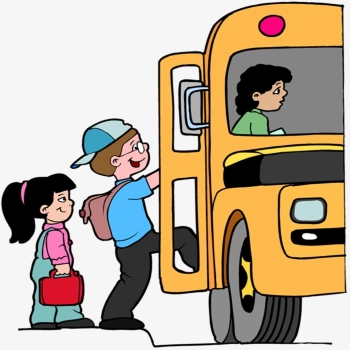
get on

/ɡet ɑːn/

(phrasal verb) ขึ้น, โดยสาร, เข้ากันได้ดี

ตัวอย่าง:

We need to get on the bus quickly before it leaves.
เราต้องขึ้นรถบัสเร็วๆ ก่อนที่มันจะออก

get out

/ɡet aʊt/

(phrasal verb) ออกไป, ออกจาก, เปิดเผย;

(exclamation) ไปเลย, ไม่จริงน่า

ตัวอย่าง:

I need to get out of here.
ฉันต้องออกไปจากที่นี่

turn away

/tɜrn əˈweɪ/

(phrasal verb) ปฏิเสธไม่ให้เข้า, ไล่ไป, เบือนหน้าหนี

ตัวอย่าง:

They were turned away from the club because they weren't wearing the right shoes.
พวกเขาถูกปฏิเสธไม่ให้เข้าคลับเพราะไม่ได้สวมรองเท้าที่เหมาะสม

take off

/teɪk ɔf/

(phrasal verb) ถอดออก, เอาออก, ขึ้นบิน

ตัวอย่าง:

Please take off your shoes before entering the house.
กรุณาถอดรองเท้าก่อนเข้าบ้าน

apply oneself to

/əˈplaɪ wʌnˈsɛlf tuː/

(idiom) ตั้งใจทำ, ทุ่มเท

ตัวอย่าง:

If you apply yourself to your studies, you will definitely pass the exam.
ถ้าคุณตั้งใจเรียน คุณจะสอบผ่านอย่างแน่นอน

carry on

/ˈkær.i ɑːn/

(phrasal verb) ทำต่อไป, ดำเนินต่อไป, ทำตัวเหลวไหล

ตัวอย่าง:

Please carry on with your work.
โปรดทำต่อไป

hold up

/hoʊld ˈʌp/

(phrasal verb) ทำให้ล่าช้า, ขัดขวาง, ปล้น

ตัวอย่าง:

The accident held up traffic for hours.
อุบัติเหตุทำให้การจราจรติดขัดเป็นเวลาหลายชั่วโมง

take after

/teɪk ˈæf.tər/

(phrasal verb) เหมือน, คล้าย

ตัวอย่าง:

She really takes after her grandmother with her artistic talent.
เธอเหมือนคุณย่าของเธอมากในเรื่องพรสวรรค์ทางศิลปะ

fill out

/fɪl aʊt/

(phrasal verb) กรอก, เติม, อ้วนขึ้น

ตัวอย่าง:

Please fill out this application form completely.
กรุณากรอกแบบฟอร์มใบสมัครนี้ให้สมบูรณ์

show up

/ʃoʊ ʌp/

(phrasal verb) ปรากฏตัว, มาถึง, แสดงให้เห็นว่าดีกว่า

ตัวอย่าง:

He didn't show up for the meeting.
เขาไม่มาประชุม

pass over

/pæs ˈoʊ.vər/

(phrasal verb) ละเลย, ข้ามไป, เคลื่อนผ่าน

ตัวอย่าง:

The committee decided to pass over his proposal without much discussion.
คณะกรรมการตัดสินใจละเลยข้อเสนอของเขาโดยไม่มีการอภิปรายมากนัก

hand in

/hænd ɪn/

(phrasal verb) ส่ง, ยื่น

ตัวอย่าง:

Please hand in your assignments by Friday.
กรุณาส่งงานของคุณภายในวันศุกร์

catch up with

/kætʃ ʌp wɪð/

(phrasal verb) ตามทัน, ไล่ทัน, พบปะพูดคุย

ตัวอย่าง:

After being sick for a week, I need to catch up with my schoolwork.
หลังจากป่วยมาหนึ่งสัปดาห์ ฉันต้องตามให้ทันงานโรงเรียนของฉัน

look up to

/lʊk ʌp tuː/

(phrasal verb) เคารพ, ชื่นชม

ตัวอย่าง:

Children often look up to their parents.
เด็กๆ มักจะเคารพพ่อแม่ของพวกเขา

come up to

/kʌm ʌp tə/

(phrasal verb) เข้ามาหา, เข้าใกล้, เท่าเทียมกับ

ตัวอย่าง:
A stranger came up to me and asked for directions.
คนแปลกหน้าเดินเข้ามาหาฉันและถามทาง

put up with

/pʊt ʌp wɪð/

(phrasal verb) ทน, อดทน

ตัวอย่าง:

I can't put up with his constant complaining anymore.
ฉันไม่สามารถทนกับการบ่นของเขาได้อีกต่อไปแล้ว

run over

/rʌn ˈoʊvər/

(phrasal verb) ชน, ทับ, เกินเวลา

ตัวอย่าง:

The car accidentally ran over a squirrel.
รถชนกระรอกโดยบังเอิญ

stream down

/striːm daʊn/

(phrasal verb) ไหลลงมา, รินลงมา

ตัวอย่าง:

Tears began to stream down her face as she heard the sad news.
น้ำตาเริ่มไหลลงมาบนใบหน้าของเธอเมื่อเธอได้ยินข่าวเศร้า

flow down

/floʊ daʊn/

(phrasal verb) ไหลลง, ส่งต่อลงมา, ถ่ายทอดลงมา

ตัวอย่าง:
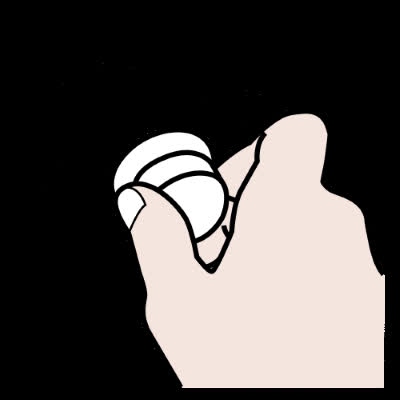
The water began to flow down the mountain after the heavy rain.
น้ำเริ่มไหลลงจากภูเขาหลังจากฝนตกหนัก

turn down

/tɜːrn daʊn/

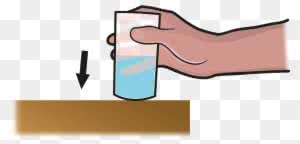
(phrasal verb) ปฏิเสธ, ไม่ยอมรับ, ลดเสียง

ตัวอย่าง:

She had to turn down the job offer because it was too far away.
เธอต้องปฏิเสธข้อเสนองานเพราะมันไกลเกินไป

come across

/kʌm əˈkrɔs/

(phrasal verb) พบโดยบังเอิญ, เจอโดยบังเอิญ, สื่อออกมา

ตัวอย่าง:
I came across an old friend at the market today.
ฉันเจอเพื่อนเก่าที่ตลาดวันนี้

bring about

/brɪŋ əˈbaʊt/

(phrasal verb) ก่อให้เกิด, นำมาซึ่ง, ทำให้เกิดขึ้น

ตัวอย่าง:

The new policy aims to bring about significant changes in the education system.
นโยบายใหม่มีเป้าหมายที่จะนำมาซึ่งการเปลี่ยนแปลงที่สำคัญในระบบการศึกษา

bring in

/brɪŋ ɪn/

(phrasal verb) นำมาใช้, เริ่มใช้, นำมาซึ่ง

ตัวอย่าง:
The government plans to bring in new regulations next year.
รัฐบาลวางแผนที่จะนำมาใช้กฎระเบียบใหม่ในปีหน้า

come in

/kʌm ɪn/

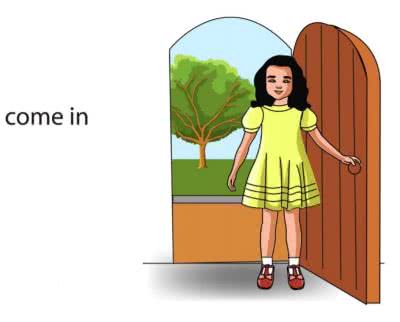
(phrasal verb) เข้ามา, เข้าข้างใน, เป็นที่นิยม

ตัวอย่าง:

Please come in, the door is open.
เชิญเข้ามาได้เลย ประตูเปิดอยู่

come down with

/kʌm daʊn wɪð/

(phrasal verb) ป่วยเป็น, ติดเชื้อ

ตัวอย่าง:

I think I'm coming down with a cold.
ฉันคิดว่าฉันกำลังจะเป็นหวัด

come up with

/kʌm ʌp wɪð/

(phrasal verb) คิดขึ้นมา, เสนอ, ให้ผล

ตัวอย่าง:

Can you come up with a better solution?
คุณช่วยคิดวิธีแก้ปัญหาที่ดีกว่านี้ได้ไหม

come away with

/kʌm əˈweɪ wɪð/

(phrasal verb) จากไปพร้อมกับ, ได้รับ

ตัวอย่าง:

She came away with a sense of accomplishment after finishing the marathon.
เธอจากไปพร้อมกับความรู้สึกถึงความสำเร็จหลังจากวิ่งมาราธอนเสร็จ

come across with

/kʌm əˈkrɔːs wɪð/

(phrasal verb) จ่ายให้, มอบให้

ตัวอย่าง:

The insurance company finally came across with the money.
ในที่สุดบริษัทประกันก็ยอมจ่ายเงินออกมา

take in

/teɪk ɪn/

(phrasal verb) หลอกลวง, ต้มตุ๋น, เข้าใจ

ตัวอย่าง:
Don't be taken in by his charming smile; he's a con artist.
อย่าหลงกลรอยยิ้มที่มีเสน่ห์ของเขา เขาเป็นนักต้มตุ๋น

put down

/pʊt daʊn/

(phrasal verb) วางลง, ลดลง, ดูถูก

ตัวอย่าง:
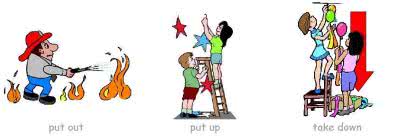
Please put down your bags here.
กรุณาวางกระเป๋าของคุณที่นี่

put up

/pʊt ʌp/

(phrasal verb) สร้าง, ติดตั้ง, กาง

ตัวอย่าง:

They decided to put up a new fence around the garden.
พวกเขาตัดสินใจสร้างรั้วใหม่รอบสวน

put in

/pʊt ɪn/

(phrasal verb) ติดตั้ง, ใส่, ทุ่มเท

ตัวอย่าง:

Can you help me put in this new light fixture?
ช่วยฉันติดตั้งโคมไฟใหม่นี้ได้ไหม

make off with

/meɪk ɔːf wɪð/

(phrasal verb) เชิดไป, ขโมยหนีไป

ตัวอย่าง:

The thieves managed to make off with all the jewelry.
พวกขโมยสามารถเชิดเครื่องเพชรทั้งหมดไปได้

make up with

/meɪk ʌp wɪð/

(phrasal verb) คืนดีกับ

ตัวอย่าง:

He finally decided to make up with his brother after years of not speaking.
ในที่สุดเขาก็ตัดสินใจคืนดีกับพี่ชายหลังจากไม่ได้คุยกันมาหลายปี

make up for

/meɪk ʌp fɔr/

(phrasal verb) ชดเชย, ทดแทน

ตัวอย่าง:

I'll make up for lost time by working extra hours.
ฉันจะชดเชยเวลาที่เสียไปโดยการทำงานล่วงเวลา

make away with

/meɪk əˈweɪ wɪð/

(phrasal verb) ขโมยและหนีไป, หอบหนี, ฆ่า

ตัวอย่าง:

The thieves managed to make away with all the jewelry.
พวกหัวขโมยจัดการขโมยและหนีไปพร้อมกับเครื่องประดับทั้งหมด

come between

/kʌm bɪˈtwiːn/

(phrasal verb) ขัดขวาง, ทำให้แตกแยก

ตัวอย่าง:

Don't let anyone come between you and your dreams.
อย่าให้ใครมาขัดขวางคุณกับความฝันของคุณ

take out

/ˈteɪk aʊt/

(phrasal verb) เอาออก, ถอดออก, กู้

ตัวอย่าง:

Can you please take out the trash?
ช่วยเอาขยะไปทิ้งหน่อยได้ไหม

break out

/breɪk aʊt/

(phrasal verb) แหกคุก, หลบหนี, ปะทุ

ตัวอย่าง:

Three prisoners broke out of the maximum-security prison last night.
นักโทษสามคนแหกคุกจากเรือนจำความมั่นคงสูงสุดเมื่อคืนนี้

speed up

/spiːd ʌp/

(phrasal verb) เร่งความเร็ว, เพิ่มความเร็ว

ตัวอย่าง:

The car began to speed up as it approached the highway.
รถเริ่มเร่งความเร็วเมื่อเข้าใกล้ทางหลวง

get along

/ɡet əˈlɔŋ/

(phrasal verb) เข้ากันได้, เข้ากันได้ดี, เป็นไป

ตัวอย่าง:

I really get along with my new colleagues.
ฉันเข้ากันได้ดีกับเพื่อนร่วมงานใหม่ของฉัน

give in

/ɡɪv ɪn/

(phrasal verb) ยอมแพ้, ยอมจำนน, พังทลาย

ตัวอย่าง:

My parents finally gave in and let me go to the party.
พ่อแม่ของฉันในที่สุดก็ยอมแพ้และให้ฉันไปงานปาร์ตี้

cool off

/kuːl ˈɔːf/

(phrasal verb) เย็นลง, ทำให้เย็นลง, สงบสติอารมณ์

ตัวอย่าง:

Let the soup cool off before you eat it.
ปล่อยให้ซุปเย็นลงก่อนที่คุณจะกิน

stem from

/stem frʌm/

(phrasal verb) เกิดจาก, มีต้นกำเนิดมาจาก

ตัวอย่าง:

His problems stem from a lack of communication.
ปัญหาของเขาเกิดจากการขาดการสื่อสาร

water down

/ˈwɑː.t̬ɚ daʊn/

(phrasal verb) ลดทอน, เจือจาง, ทำให้เบาลง

ตัวอย่าง:

The company decided to water down the new policy after employee complaints.
บริษัทตัดสินใจลดทอนนโยบายใหม่หลังจากได้รับการร้องเรียนจากพนักงาน

give out

/ɡɪv aʊt/

(phrasal verb) แจกจ่าย, ให้, หยุดทำงาน

ตัวอย่าง:

The teacher will give out the test papers.
ครูจะแจกข้อสอบ

get away

/ɡet əˈweɪ/

(phrasal verb) หนีไป, ออกไป, ไปเที่ยว

ตัวอย่าง:

I need to get away for a few days.
ฉันต้องหนีไปสักสองสามวัน

hold off

/hoʊld ɔf/

(phrasal verb) เลื่อนออกไป, ชะลอ, ต้านทาน

ตัวอย่าง:

Can you hold off on making a decision until tomorrow?
คุณช่วยเลื่อนการตัดสินใจไปเป็นพรุ่งนี้ได้ไหม

fall over

/fɔːl ˈoʊvər/

(phrasal verb) ล้มลง, หกล้ม, ล้มเหลว

ตัวอย่าง:

Be careful not to fall over on the icy path.
ระวังอย่าล้มบนทางน้ำแข็ง

fall back

/fɔːl bæk/

(phrasal verb) ถอยกลับ, ล่าถอย, พึ่งพา

ตัวอย่าง:

The troops were ordered to fall back to a more defensible position.
กองทัพได้รับคำสั่งให้ถอยกลับไปยังตำแหน่งที่ป้องกันได้ดีกว่า

fall off

/fɔːl ɔːf/

(phrasal verb) ลดลง, เสื่อมลง, หลุดออก

ตัวอย่าง:

Sales tend to fall off during the winter months.
ยอดขายมักจะลดลงในช่วงฤดูหนาว

fall out

/fɔːl aʊt/

(phrasal verb) ทะเลาะกัน, ไม่ถูกกัน, เป็นอย่างไร

ตัวอย่าง:

They fell out over a trivial matter and haven't spoken since.
พวกเขาทะเลาะกันเรื่องเล็กน้อยและไม่ได้คุยกันตั้งแต่นั้นมา

bring back

/brɪŋ bæk/

(phrasal verb) นำกลับมา, คืน, ฟื้นฟู

ตัวอย่าง:
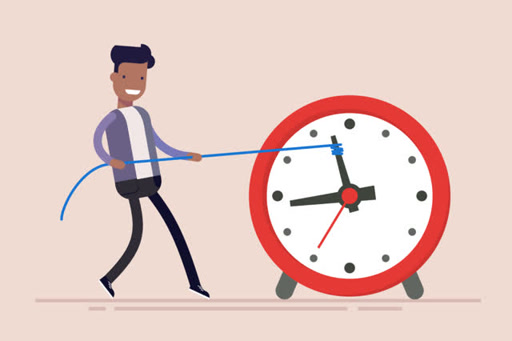
Please bring back the book you borrowed.
กรุณานำกลับมาหนังสือที่คุณยืมไป

take back

/teɪk bæk/

(phrasal verb) นำกลับไป, คืน, ถอนคำพูด

ตัวอย่าง:

I need to take back this book to the library.
ฉันต้องนำหนังสือเล่มนี้กลับไปที่ห้องสมุด

remind someone of something/someone

/rɪˈmaɪnd ˈsʌm.wʌn ʌv ˈsʌm.θɪŋ/

(phrase) ทำให้ระลึกถึง, ทำให้นึกถึง

ตัวอย่าง:

You remind me of my brother.
คุณทำให้ฉันนึกถึงพี่ชายของฉัน

call off

/kɔːl ˈɔːf/

(phrasal verb) ยกเลิก, เลื่อน, เรียกกลับ

ตัวอย่าง:

They had to call off the outdoor concert due to heavy rain.
พวกเขาต้องยกเลิกคอนเสิร์ตกลางแจ้งเนื่องจากฝนตกหนัก

sit for an exam

/sɪt fɔːr ən ɪɡˈzæm/

(idiom) เข้าสอบ, สอบ

ตัวอย่าง:

She is going to sit for an exam in mathematics next week.
เธอจะเข้าสอบวิชาคณิตศาสตร์ในสัปดาห์หน้า
เรียนชุดคำศัพท์นี้ที่ Lingoland