Avatar of Vocabulary Set Résumé des phrases verbales apparues dans les questions de référence et d'examen officiel

Ensemble de vocabulaire Résumé des phrases verbales apparues dans les questions de référence et d'examen officiel dans Verbes à particule importants : Liste complète et détaillée

L'ensemble de vocabulaire 'Résumé des phrases verbales apparues dans les questions de référence et d'examen officiel' dans 'Verbes à particule importants' est soigneusement sélectionné à partir de sources de manuels internationaux standard, vous aidant à maîtriser le vocabulaire en peu de temps. Compilation complète de définitions, exemples illustratifs et prononciation standard...

Apprendre cet ensemble de vocabulaire sur Lingoland

Apprendre maintenant

stand for

/stænd fɔr/

(phrasal verb) signifier, représenter, tolérer

Exemple:

What does 'UN' stand for?
Que signifie 'ONU' ?

take over

/ˈteɪk ˌoʊ.vər/

(phrasal verb) prendre le contrôle, reprendre, envahir

Exemple:

She will take over as CEO next month.
Elle prendra la relève en tant que PDG le mois prochain.

catch on

/kætʃ ɑːn/

(phrasal verb) prendre, devenir populaire, comprendre

Exemple:

The new dance craze is starting to catch on.
La nouvelle mode de danse commence à prendre.

hold on

/hoʊld ˈɑːn/

(phrasal verb) attendre, tenir bon, s'accrocher;

(exclamation) attends, arrête

Exemple:

Please hold on a moment while I check.
Veuillez patienter un instant pendant que je vérifie.

take on

/teɪk ɑːn/

(phrasal verb) prendre en charge, assumer, relever

Exemple:

I can't take on any more work right now.
Je ne peux pas prendre en charge plus de travail pour l'instant.

get over

/ɡet ˈoʊ.vər/

(phrasal verb) se remettre de, surmonter, dépasser

Exemple:

It took her a long time to get over the flu.
Il lui a fallu beaucoup de temps pour se remettre de la grippe.

go through

/ɡoʊ θruː/

(phrasal verb) traverser, subir, éprouver

Exemple:

She had to go through a lot of pain after the accident.
Elle a dû traverser beaucoup de douleur après l'accident.

come over

/kʌm ˈoʊvər/

(phrasal verb) venir, passer, envahir

Exemple:

Why don't you come over for dinner tonight?
Pourquoi ne viens-tu pas chez moi dîner ce soir ?

make out

/meɪk aʊt/

(phrasal verb) distinguer, comprendre, s'embrasser

Exemple:

I could just make out a figure in the distance.
Je pouvais à peine distinguer une silhouette au loin.

make up

/ˈmeɪk ʌp/

(phrasal verb) inventer, fabriquer, se réconcilier;

(noun) maquillage, cosmétiques

Exemple:

He tried to make up a story about why he was late.
Il a essayé d'inventer une histoire pour expliquer son retard.

carry out

/ˈkær.i aʊt/

(phrasal verb) exécuter, réaliser

Exemple:
The team will carry out the experiment next week.
L'équipe va mener à bien l'expérience la semaine prochaine.

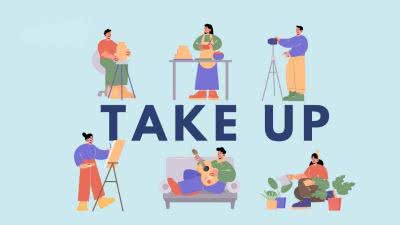
take up

/teɪk ˈʌp/

(phrasal verb) se mettre à, commencer, prendre

Exemple:

She decided to take up painting in her free time.
Elle a décidé de se mettre à la peinture pendant son temps libre.

give off

/ɡɪv ɔf/

(phrasal verb) dégager, émettre

Exemple:
The flowers give off a sweet scent.
Les fleurs dégagent un doux parfum.

leave out

/liːv aʊt/

(phrasal verb) omettre, exclure, laisser de côté

Exemple:
Please don't leave out any important details when you tell the story.
S'il vous plaît, ne laissez pas de côté les détails importants lorsque vous racontez l'histoire.

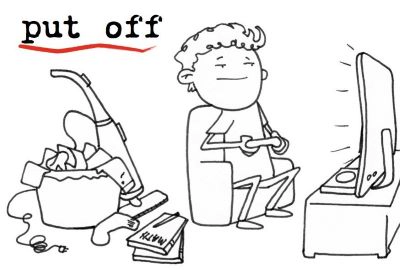
put off

/pʊt ɔf/

(phrasal verb) remettre à plus tard, reporter, décourager

Exemple:
Don't put off until tomorrow what you can do today.
Ne remets pas à demain ce que tu peux faire aujourd'hui.

switch off

/swɪtʃ ɔf/

(phrasal verb) éteindre, couper, déconnecter

Exemple:

Please switch off the lights when you leave the room.
Veuillez éteindre les lumières en quittant la pièce.

turn on

/tɜːrn ɑːn/

(phrasal verb) allumer, mettre en marche, exciter

Exemple:
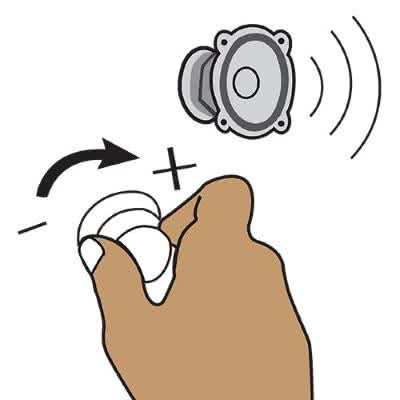
Could you please turn on the lights?
Pourriez-vous s'il vous plaît allumer les lumières ?

turn up

/tɜːrn ʌp/

(phrasal verb) apparaître, arriver, monter

Exemple:

He didn't turn up for the meeting.
Il n'est pas venu à la réunion.

make off

/meɪk ɔf/

(phrasal verb) s'enfuir, s'échapper

Exemple:

The thieves made off with all the jewelry.
Les voleurs se sont enfuis avec tous les bijoux.

put on

/pʊt ɑːn/

(phrasal verb) mettre, enfiler, allumer

Exemple:
She decided to put on her favorite dress for the party.
Elle a décidé de mettre sa robe préférée pour la fête.

bring down

/brɪŋ daʊn/

(phrasal verb) faire tomber, démolir, réduire

Exemple:

The strong winds could bring down trees.
Les vents forts pourraient faire tomber les arbres.

get on

/ɡet ɑːn/

(phrasal verb) monter dans, embarquer, s'entendre avec

Exemple:
We need to get on the bus quickly before it leaves.
Nous devons monter dans le bus rapidement avant qu'il ne parte.

get out

/ɡet aʊt/

(phrasal verb) sortir, partir, se savoir;

(exclamation) allez, sans blague

Exemple:

I need to get out of here.
Je dois sortir d'ici.

turn away

/tɜrn əˈweɪ/

(phrasal verb) refouler, éconduire, détourner le regard

Exemple:

They were turned away from the club because they weren't wearing the right shoes.
Ils ont été refoulés à l'entrée du club parce qu'ils ne portaient pas les bonnes chaussures.

take off

/teɪk ɔf/

(phrasal verb) enlever, retirer, décoller

Exemple:

Please take off your shoes before entering the house.
Veuillez enlever vos chaussures avant d'entrer dans la maison.

apply oneself to

/əˈplaɪ wʌnˈsɛlf tuː/

(idiom) s'appliquer à, se consacrer à

Exemple:

If you apply yourself to your studies, you will definitely pass the exam.
Si tu t'appliques à tes études, tu réussiras certainement l'examen.

carry on

/ˈkær.i ɑːn/

(phrasal verb) continuer, poursuivre, faire des histoires

Exemple:

Please carry on with your work.
Veuillez continuer votre travail.

hold up

/hoʊld ˈʌp/

(phrasal verb) retarder, retenir, braquer

Exemple:

The accident held up traffic for hours.
L'accident a retardé la circulation pendant des heures.

take after

/teɪk ˈæf.tər/

(phrasal verb) ressembler à, tenir de

Exemple:

She really takes after her grandmother with her artistic talent.
Elle tient vraiment de sa grand-mère pour son talent artistique.

fill out

/fɪl aʊt/

(phrasal verb) remplir, compléter, prendre du poids

Exemple:

Please fill out this application form completely.
Veuillez remplir entièrement ce formulaire de demande.

show up

/ʃoʊ ʌp/

(phrasal verb) apparaître, se présenter, surpasser

Exemple:

He didn't show up for the meeting.
Il n'est pas venu à la réunion.

pass over

/pæs ˈoʊ.vər/

(phrasal verb) passer outre, ignorer, passer au-dessus

Exemple:

The committee decided to pass over his proposal without much discussion.
Le comité a décidé de passer outre sa proposition sans grande discussion.

hand in

/hænd ɪn/

(phrasal verb) remettre, soumettre

Exemple:

Please hand in your assignments by Friday.
Veuillez remettre vos devoirs avant vendredi.

catch up with

/kætʃ ʌp wɪð/

(phrasal verb) rattraper, rejoindre, prendre des nouvelles

Exemple:
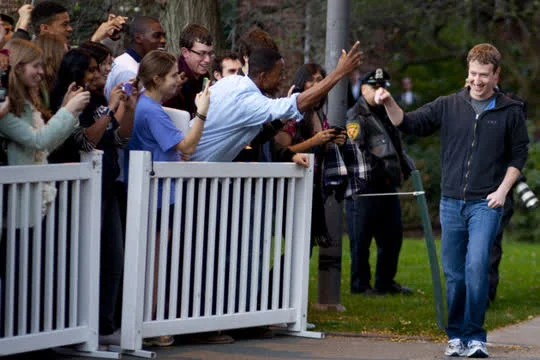
After being sick for a week, I need to catch up with my schoolwork.
Après avoir été malade pendant une semaine, je dois rattraper mon travail scolaire.

look up to

/lʊk ʌp tuː/

(phrasal verb) admirer, respecter

Exemple:

Children often look up to their parents.
Les enfants admirent souvent leurs parents.

come up to

/kʌm ʌp tə/

(phrasal verb) s'approcher de, venir vers, être à la hauteur de

Exemple:
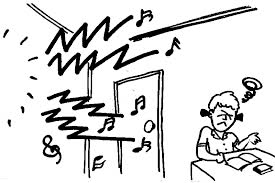
A stranger came up to me and asked for directions.
Un inconnu s'est approché de moi et a demandé son chemin.

put up with

/pʊt ʌp wɪð/

(phrasal verb) supporter, tolérer

Exemple:

I can't put up with his constant complaining anymore.
Je ne peux plus supporter ses plaintes constantes.

run over

/rʌn ˈoʊvər/

(phrasal verb) écraser, renverser, dépasser

Exemple:

The car accidentally ran over a squirrel.
La voiture a accidentellement écrasé un écureuil.

stream down

/striːm daʊn/

(phrasal verb) couler le long de, ruisseler sur

Exemple:

Tears began to stream down her face as she heard the sad news.
Les larmes ont commencé à couler sur son visage lorsqu'elle a appris la triste nouvelle.

flow down

/floʊ daʊn/

(phrasal verb) s'écouler vers le bas, couler, redescendre

Exemple:
The water began to flow down the mountain after the heavy rain.
L'eau a commencé à s'écouler le long de la montagne après la forte pluie.

turn down

/tɜːrn daʊn/

(phrasal verb) refuser, décliner, baisser

Exemple:
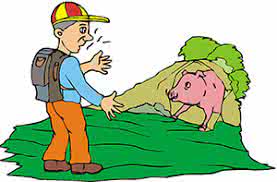
She had to turn down the job offer because it was too far away.
Elle a dû refuser l'offre d'emploi car c'était trop loin.

come across

/kʌm əˈkrɔs/

(phrasal verb) rencontrer par hasard, tomber sur, transparaître

Exemple:
I came across an old friend at the market today.
J'ai rencontré un vieil ami par hasard au marché aujourd'hui.

bring about

/brɪŋ əˈbaʊt/

(phrasal verb) provoquer, causer, entraîner

Exemple:

The new policy aims to bring about significant changes in the education system.
La nouvelle politique vise à apporter des changements significatifs au système éducatif.

bring in

/brɪŋ ɪn/

(phrasal verb) introduire, mettre en place, rapporter

Exemple:
The government plans to bring in new regulations next year.
Le gouvernement prévoit d'introduire de nouvelles réglementations l'année prochaine.

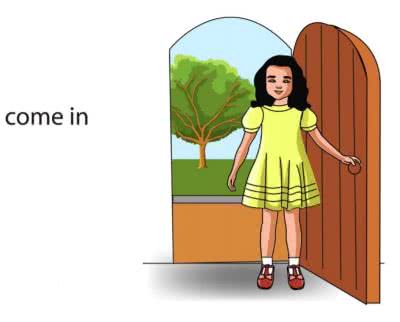
come in

/kʌm ɪn/

(phrasal verb) entrer, rentrer, devenir à la mode

Exemple:

Please come in, the door is open.
Veuillez entrer, la porte est ouverte.

come down with

/kʌm daʊn wɪð/

(phrasal verb) attraper, contracter

Exemple:

I think I'm coming down with a cold.
Je crois que je suis en train de tomber malade avec un rhume.

come up with

/kʌm ʌp wɪð/

(phrasal verb) trouver, imaginer, suggérer

Exemple:

Can you come up with a better solution?
Peux-tu trouver une meilleure solution ?

come away with

/kʌm əˈweɪ wɪð/

(phrasal verb) repartir avec, s'en aller avec

Exemple:

She came away with a sense of accomplishment after finishing the marathon.
Elle est repartie avec un sentiment d'accomplissement après avoir terminé le marathon.

come across with

/kʌm əˈkrɔːs wɪð/

(phrasal verb) fournir, donner

Exemple:

The insurance company finally came across with the money.
La compagnie d'assurance a fini par fournir l'argent.

take in

/teɪk ɪn/

(phrasal verb) tromper, duper, assimiler

Exemple:
Don't be taken in by his charming smile; he's a con artist.
Ne te laisse pas tromper par son sourire charmant ; c'est un escroc.

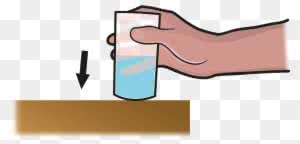
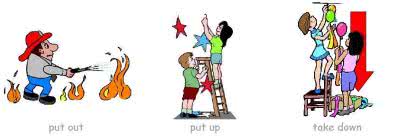
put down

/pʊt daʊn/

(phrasal verb) poser, déposer, rabaisser

Exemple:
Please put down your bags here.
Veuillez poser vos sacs ici.

put up

/pʊt ʌp/

(phrasal verb) monter, ériger, construire

Exemple:

They decided to put up a new fence around the garden.
Ils ont décidé de monter une nouvelle clôture autour du jardin.

put in

/pʊt ɪn/

(phrasal verb) installer, mettre en place, investir

Exemple:

Can you help me put in this new light fixture?
Peux-tu m'aider à installer ce nouveau luminaire ?

make off with

/meɪk ɔːf wɪð/

(phrasal verb) s'enfuir avec, partir avec

Exemple:

The thieves managed to make off with all the jewelry.
Les voleurs ont réussi à s'enfuir avec tous les bijoux.

make up with

/meɪk ʌp wɪð/

(phrasal verb) se réconcilier avec, faire la paix avec

Exemple:

He finally decided to make up with his brother after years of not speaking.
Il a finalement décidé de se réconcilier avec son frère après des années sans se parler.

make up for

/meɪk ʌp fɔr/

(phrasal verb) compenser, rattraper

Exemple:

I'll make up for lost time by working extra hours.
Je vais compenser le temps perdu en travaillant des heures supplémentaires.

make away with

/meɪk əˈweɪ wɪð/

(phrasal verb) s'enfuir avec, emporter, tuer

Exemple:

The thieves managed to make away with all the jewelry.
Les voleurs ont réussi à s'enfuir avec tous les bijoux.

come between

/kʌm bɪˈtwiːn/

(phrasal verb) s'interposer entre, séparer

Exemple:

Don't let anyone come between you and your dreams.
Ne laissez personne s'interposer entre vous et vos rêves.

take out

/ˈteɪk aʊt/

(phrasal verb) sortir, retirer, contracter

Exemple:

Can you please take out the trash?
Peux-tu s'il te plaît sortir les poubelles ?

break out

/breɪk aʊt/

(phrasal verb) s'évader, s'échapper, éclater

Exemple:

Three prisoners broke out of the maximum-security prison last night.
Trois prisonniers se sont évadés de la prison de haute sécurité la nuit dernière.

speed up

/spiːd ʌp/

(phrasal verb) accélérer, prendre de la vitesse

Exemple:

The car began to speed up as it approached the highway.
La voiture a commencé à accélérer à l'approche de l'autoroute.

get along

/ɡet əˈlɔŋ/

(phrasal verb) s'entendre, bien s'entendre, s'en sortir

Exemple:

I really get along with my new colleagues.
Je m'entends vraiment bien avec mes nouveaux collègues.

give in

/ɡɪv ɪn/

(phrasal verb) céder, capituler, s'effondrer

Exemple:

My parents finally gave in and let me go to the party.
Mes parents ont finalement cédé et m'ont laissé aller à la fête.

cool off

/kuːl ˈɔːf/

(phrasal verb) refroidir, se calmer, se détendre

Exemple:

Let the soup cool off before you eat it.
Laissez la soupe refroidir avant de la manger.

stem from

/stem frʌm/

(phrasal verb) découler de, provenir de

Exemple:

His problems stem from a lack of communication.
Ses problèmes découlent d'un manque de communication.

water down

/ˈwɑː.t̬ɚ daʊn/

(phrasal verb) diluer, édulcorer, atténuer

Exemple:

The company decided to water down the new policy after employee complaints.
L'entreprise a décidé de diluer la nouvelle politique après les plaintes des employés.

give out

/ɡɪv aʊt/

(phrasal verb) distribuer, donner, lâcher

Exemple:

The teacher will give out the test papers.
Le professeur va distribuer les copies d'examen.

get away

/ɡet əˈweɪ/

(phrasal verb) s'échapper, partir, partir en vacances

Exemple:

I need to get away for a few days.
J'ai besoin de m'évader quelques jours.

hold off

/hoʊld ɔf/

(phrasal verb) retarder, reporter, repousser

Exemple:

Can you hold off on making a decision until tomorrow?
Pouvez-vous retarder la prise de décision jusqu'à demain ?

fall over

/fɔːl ˈoʊvər/

(phrasal verb) tomber, s'écrouler, échouer

Exemple:

Be careful not to fall over on the icy path.
Fais attention de ne pas tomber sur le chemin verglacé.

fall back

/fɔːl bæk/

(phrasal verb) se replier, reculer, compter sur

Exemple:

The troops were ordered to fall back to a more defensible position.
Les troupes ont reçu l'ordre de se replier vers une position plus défendable.

fall off

/fɔːl ɔːf/

(phrasal verb) diminuer, baisser, tomber

Exemple:

Sales tend to fall off during the winter months.
Les ventes ont tendance à diminuer pendant les mois d'hiver.

fall out

/fɔːl aʊt/

(phrasal verb) se disputer, se fâcher, tourner

Exemple:

They fell out over a trivial matter and haven't spoken since.
Ils se sont disputés pour une question triviale et ne se sont plus parlé depuis.

bring back

/brɪŋ bæk/

(phrasal verb) rapporter, ramener, faire revivre

Exemple:
Please bring back the book you borrowed.
Veuillez rapporter le livre que vous avez emprunté.

take back

/teɪk bæk/

(phrasal verb) rapporter, reprendre, retirer

Exemple:

I need to take back this book to the library.
Je dois rapporter ce livre à la bibliothèque.

remind someone of something/someone

/rɪˈmaɪnd ˈsʌm.wʌn ʌv ˈsʌm.θɪŋ/

(phrase) rappeler

Exemple:

You remind me of my brother.
Tu me rappelles mon frère.

call off

/kɔːl ˈɔːf/

(phrasal verb) annuler, reporter, rappeler

Exemple:

They had to call off the outdoor concert due to heavy rain.
Ils ont dû annuler le concert en plein air à cause de la forte pluie.

sit for an exam

/sɪt fɔːr ən ɪɡˈzæm/

(idiom) passer un examen, se présenter à un examen

Exemple:

She is going to sit for an exam in mathematics next week.
Elle va passer un examen de mathématiques la semaine prochaine.
Apprendre cet ensemble de vocabulaire sur Lingoland