Avatar of Vocabulary Set Riepilogo delle frasi verbali apparse nelle domande di riferimento e ufficiali dell'esame

Insieme di vocabolario Riepilogo delle frasi verbali apparse nelle domande di riferimento e ufficiali dell'esame in Verbi frasali importanti: Lista completa e dettagliata

L'insieme di vocabolario 'Riepilogo delle frasi verbali apparse nelle domande di riferimento e ufficiali dell'esame' in 'Verbi frasali importanti' è selezionato con cura da fonti di testi standard internazionali, aiutandoti a padroneggiare il vocabolario in breve tempo. Compilazione completa di definizioni, esempi illustrativi e pronuncia standard...

Impara questo insieme di vocabolario su Lingoland

Impara ora

stand for

/stænd fɔr/

(phrasal verb) significare, rappresentare, sopportare

Esempio:

What does 'UN' stand for?
Cosa significa 'ONU'?

take over

/ˈteɪk ˌoʊ.vər/

(phrasal verb) assumere il controllo, rilevare, prendere il sopravvento

Esempio:

She will take over as CEO next month.
Lei assumerà la carica di CEO il mese prossimo.

catch on

/kætʃ ɑːn/

(phrasal verb) prendere piede, diventare popolare, capire

Esempio:

The new dance craze is starting to catch on.
La nuova moda del ballo sta iniziando a prendere piede.

hold on

/hoʊld ˈɑːn/

(phrasal verb) aspettare, resistere, tenere;

(exclamation) aspetta, fermati

Esempio:

Please hold on a moment while I check.
Per favore, aspetta un momento mentre controllo.

take on

/teɪk ɑːn/

(phrasal verb) assumere, accettare, ingaggiare

Esempio:

I can't take on any more work right now.
Non posso assumere altro lavoro in questo momento.

get over

/ɡet ˈoʊ.vər/

(phrasal verb) superare, riprendersi da, affrontare

Esempio:

It took her a long time to get over the flu.
Le ci è voluto molto tempo per superare l'influenza.

go through

/ɡoʊ θruː/

(phrasal verb) passare attraverso, subire, affrontare

Esempio:

She had to go through a lot of pain after the accident.
Ha dovuto passare attraverso molto dolore dopo l'incidente.

come over

/kʌm ˈoʊvər/

(phrasal verb) venire, passare a trovare, invadere

Esempio:

Why don't you come over for dinner tonight?
Perché non vieni a cena stasera?

make out

/meɪk aʊt/

(phrasal verb) distinguere, capire, baciarsi

Esempio:

I could just make out a figure in the distance.
Riuscivo a malapena a distinguere una figura in lontananza.

make up

/ˈmeɪk ʌp/

(phrasal verb) inventare, creare, fare pace;

(noun) trucco, cosmetici

Esempio:

He tried to make up a story about why he was late.
Ha cercato di inventare una storia sul perché fosse in ritardo.

carry out

/ˈkær.i aʊt/

(phrasal verb) eseguire, svolgere

Esempio:
The team will carry out the experiment next week.
Il team condurrà l'esperimento la prossima settimana.

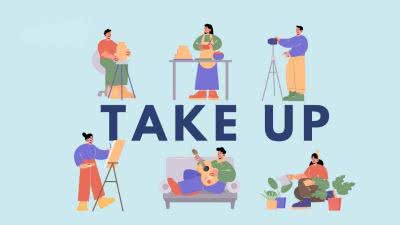
take up

/teɪk ˈʌp/

(phrasal verb) intraprendere, iniziare, occupare

Esempio:

She decided to take up painting in her free time.
Ha deciso di intraprendere la pittura nel tempo libero.

give off

/ɡɪv ɔf/

(phrasal verb) emanare, emettere

Esempio:
The flowers give off a sweet scent.
I fiori emanano un dolce profumo.

leave out

/liːv aʊt/

(phrasal verb) omettere, escludere, lasciare fuori

Esempio:
Please don't leave out any important details when you tell the story.
Per favore, non omettere alcun dettaglio importante quando racconti la storia.

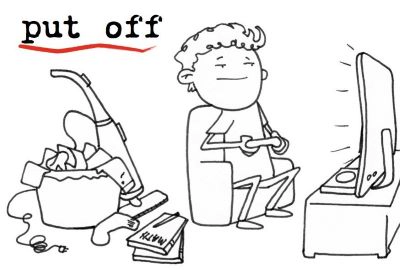
put off

/pʊt ɔf/

(phrasal verb) rimandare, posticipare, scoraggiare

Esempio:
Don't put off until tomorrow what you can do today.
Non rimandare a domani quello che puoi fare oggi.

switch off

/swɪtʃ ɔf/

(phrasal verb) spegnere, disattivare, staccare la spina

Esempio:

Please switch off the lights when you leave the room.
Per favore, spegni le luci quando esci dalla stanza.

turn on

/tɜːrn ɑːn/

(phrasal verb) accendere, attivare, eccitare

Esempio:
Could you please turn on the lights?
Potresti per favore accendere le luci?

turn up

/tɜːrn ʌp/

(phrasal verb) apparire, presentarsi, alzare

Esempio:

He didn't turn up for the meeting.
Non si è presentato all'incontro.

make off

/meɪk ɔf/

(phrasal verb) scappare, fuggire

Esempio:

The thieves made off with all the jewelry.
I ladri sono scappati con tutti i gioielli.

put on

/pʊt ɑːn/

(phrasal verb) mettere, indossare, accendere

Esempio:
She decided to put on her favorite dress for the party.
Ha deciso di mettere su il suo vestito preferito per la festa.

bring down

/brɪŋ daʊn/

(phrasal verb) abbattere, demolire, ridurre

Esempio:
The strong winds could bring down trees.
I forti venti potrebbero abbattere gli alberi.

get on

/ɡet ɑːn/

(phrasal verb) salire su, montare su, andare d'accordo

Esempio:
We need to get on the bus quickly before it leaves.
Dobbiamo salire sull'autobus velocemente prima che parta.

get out

/ɡet aʊt/

(phrasal verb) uscire, andarsene, venire fuori;

(exclamation) dai, non ci credo

Esempio:

I need to get out of here.
Devo uscire da qui.

turn away

/tɜrn əˈweɪ/

(phrasal verb) respingere, mandare via, voltarsi dall'altra parte

Esempio:

They were turned away from the club because they weren't wearing the right shoes.
Sono stati respinti dal club perché non indossavano le scarpe adatte.

take off

/teɪk ɔf/

(phrasal verb) togliere, levare, decollare

Esempio:

Please take off your shoes before entering the house.
Per favore, togliti le scarpe prima di entrare in casa.

apply oneself to

/əˈplaɪ wʌnˈsɛlf tuː/

(idiom) applicarsi a, dedicarsi a

Esempio:

If you apply yourself to your studies, you will definitely pass the exam.
Se ti applichi con impegno negli studi, supererai sicuramente l'esame.

carry on

/ˈkær.i ɑːn/

(phrasal verb) continuare, proseguire, fare scenate

Esempio:

Please carry on with your work.
Per favore, continua il tuo lavoro.

hold up

/hoʊld ˈʌp/

(phrasal verb) bloccare, ritardare, rapinare

Esempio:

The accident held up traffic for hours.
L'incidente ha bloccato il traffico per ore.

take after

/teɪk ˈæf.tər/

(phrasal verb) assomigliare a, prendere da

Esempio:

She really takes after her grandmother with her artistic talent.
Assomiglia davvero a sua nonna con il suo talento artistico.

fill out

/fɪl aʊt/

(phrasal verb) compilare, riempire, ingrassare

Esempio:

Please fill out this application form completely.
Si prega di compilare questo modulo di domanda completamente.

show up

/ʃoʊ ʌp/

(phrasal verb) presentarsi, apparire, sbaragliare

Esempio:
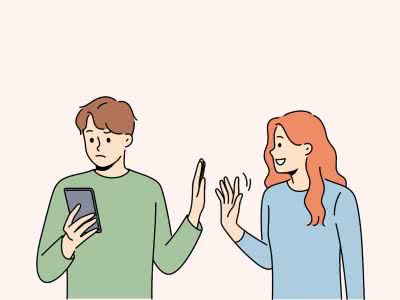
He didn't show up for the meeting.
Non si è presentato all'incontro.

pass over

/pæs ˈoʊ.vər/

(phrasal verb) ignorare, saltare, passare sopra

Esempio:

The committee decided to pass over his proposal without much discussion.
Il comitato ha deciso di ignorare la sua proposta senza molte discussioni.

hand in

/hænd ɪn/

(phrasal verb) consegnare, presentare

Esempio:

Please hand in your assignments by Friday.
Si prega di consegnare i compiti entro venerdì.

catch up with

/kætʃ ʌp wɪð/

(phrasal verb) raggiungere, recuperare, incontrare

Esempio:
After being sick for a week, I need to catch up with my schoolwork.
Dopo essere stato malato per una settimana, devo recuperare il mio lavoro scolastico.

look up to

/lʊk ʌp tuː/

(phrasal verb) ammirare, rispettare

Esempio:

Children often look up to their parents.
I bambini spesso ammirano i loro genitori.

come up to

/kʌm ʌp tə/

(phrasal verb) avvicinarsi a, andare verso, essere all'altezza di

Esempio:
A stranger came up to me and asked for directions.
Uno sconosciuto mi si è avvicinato e ha chiesto indicazioni.

put up with

/pʊt ʌp wɪð/

(phrasal verb) sopportare, tollerare

Esempio:

I can't put up with his constant complaining anymore.
Non riesco più a sopportare le sue lamentele continue.

run over

/rʌn ˈoʊvər/

(phrasal verb) investire, passare sopra, sforare

Esempio:

The car accidentally ran over a squirrel.
L'auto ha accidentalmente investito uno scoiattolo.

stream down

/striːm daʊn/

(phrasal verb) scorrere giù, colare giù

Esempio:

Tears began to stream down her face as she heard the sad news.
Le lacrime iniziarono a scorrere sul suo viso quando sentì la triste notizia.

flow down

/floʊ daʊn/

(phrasal verb) scorrere giù, fluire verso il basso, scendere

Esempio:
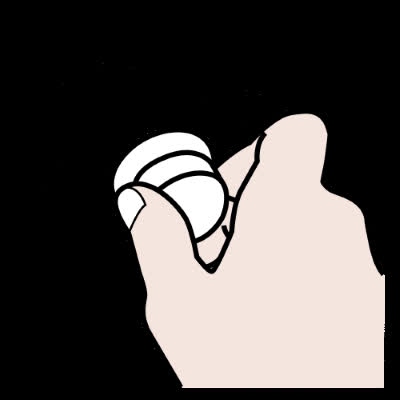
The water began to flow down the mountain after the heavy rain.
L'acqua ha iniziato a scorrere giù per la montagna dopo la forte pioggia.

turn down

/tɜːrn daʊn/

(phrasal verb) rifiutare, declinare, abbassare

Esempio:
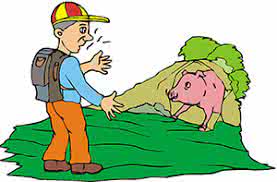
She had to turn down the job offer because it was too far away.
Ha dovuto rifiutare l'offerta di lavoro perché era troppo lontana.

come across

/kʌm əˈkrɔs/

(phrasal verb) imbattersi in, trovare, apparire

Esempio:
I came across an old friend at the market today.
Ho incontrato un vecchio amico al mercato oggi.

bring about

/brɪŋ əˈbaʊt/

(phrasal verb) causare, provocare, determinare

Esempio:

The new policy aims to bring about significant changes in the education system.
La nuova politica mira a portare cambiamenti significativi nel sistema educativo.

bring in

/brɪŋ ɪn/

(phrasal verb) introdurre, istituire, fruttare

Esempio:

The government plans to bring in new regulations next year.
Il governo prevede di introdurre nuove normative l'anno prossimo.

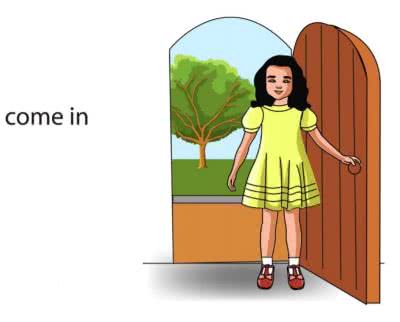
come in

/kʌm ɪn/

(phrasal verb) entrare, venire dentro, diventare di moda

Esempio:

Please come in, the door is open.
Per favore, entra, la porta è aperta.

come down with

/kʌm daʊn wɪð/

(phrasal verb) prendere, contrarre

Esempio:

I think I'm coming down with a cold.
Credo di star per prendere un raffreddore.

come up with

/kʌm ʌp wɪð/

(phrasal verb) trovare, inventare, ideare

Esempio:

Can you come up with a better solution?
Riesci a trovare una soluzione migliore?

come away with

/kʌm əˈweɪ wɪð/

(phrasal verb) andare via con, ottenere

Esempio:

She came away with a sense of accomplishment after finishing the marathon.
È andata via con un senso di realizzazione dopo aver finito la maratona.

come across with

/kʌm əˈkrɔːs wɪð/

(phrasal verb) tirar fuori, fornire

Esempio:

The insurance company finally came across with the money.
La compagnia di assicurazioni alla fine ha tirato fuori i soldi.

take in

/teɪk ɪn/

(phrasal verb) ingannare, fregare, comprendere

Esempio:
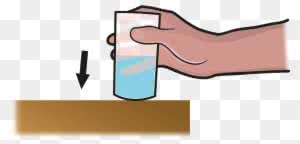
Don't be taken in by his charming smile; he's a con artist.
Non farti ingannare dal suo sorriso affascinante; è un truffatore.

put down

/pʊt daʊn/

(phrasal verb) mettere giù, posare, sminuire

Esempio:
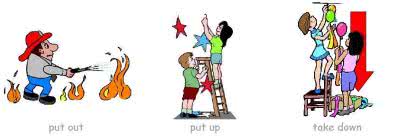
Please put down your bags here.
Per favore, metti giù le tue borse qui.

put up

/pʊt ʌp/

(phrasal verb) erigere, montare, costruire

Esempio:

They decided to put up a new fence around the garden.
Hanno deciso di erigere una nuova recinzione intorno al giardino.

put in

/pʊt ɪn/

(phrasal verb) installare, mettere, impegnarsi

Esempio:

Can you help me put in this new light fixture?
Puoi aiutarmi a installare questa nuova lampada?

make off with

/meɪk ɔːf wɪð/

(phrasal verb) svignarsela con, scappare con

Esempio:

The thieves managed to make off with all the jewelry.
I ladri sono riusciti a svignarsela con tutti i gioielli.

make up with

/meɪk ʌp wɪð/

(phrasal verb) fare pace con, riconciliarsi con

Esempio:

He finally decided to make up with his brother after years of not speaking.
Alla fine ha deciso di fare pace con suo fratello dopo anni di silenzio.

make up for

/meɪk ʌp fɔr/

(phrasal verb) compensare, recuperare

Esempio:

I'll make up for lost time by working extra hours.
Recupererò il tempo perso lavorando ore extra.

make away with

/meɪk əˈweɪ wɪð/

(phrasal verb) svignarsela con, portar via, uccidere

Esempio:

The thieves managed to make away with all the jewelry.
I ladri sono riusciti a svignarsela con tutti i gioielli.

come between

/kʌm bɪˈtwiːn/

(phrasal verb) intromettersi tra, dividere

Esempio:

Don't let anyone come between you and your dreams.
Non lasciare che nessuno si intrometta tra te e i tuoi sogni.

take out

/ˈteɪk aʊt/

(phrasal verb) togliere, portare fuori, ottenere

Esempio:

Can you please take out the trash?
Puoi per favore portare fuori la spazzatura?

break out

/breɪk aʊt/

(phrasal verb) evadere, fuggire, scoppiare

Esempio:

Three prisoners broke out of the maximum-security prison last night.
Tre prigionieri sono evasi dalla prigione di massima sicurezza la scorsa notte.

speed up

/spiːd ʌp/

(phrasal verb) accelerare, aumentare la velocità

Esempio:

The car began to speed up as it approached the highway.
L'auto ha iniziato ad accelerare mentre si avvicinava all'autostrada.

get along

/ɡet əˈlɔŋ/

(phrasal verb) andare d'accordo, capirsi, cavarsela

Esempio:

I really get along with my new colleagues.
Mi vado davvero d'accordo con i miei nuovi colleghi.

give in

/ɡɪv ɪn/

(phrasal verb) cedere, arrendersi, crollare

Esempio:

My parents finally gave in and let me go to the party.
I miei genitori alla fine hanno ceduto e mi hanno lasciato andare alla festa.

cool off

/kuːl ˈɔːf/

(phrasal verb) raffreddarsi, calmarsi

Esempio:

Let the soup cool off before you eat it.
Lascia che la zuppa si raffreddi prima di mangiarla.

stem from

/stem frʌm/

(phrasal verb) derivare da, avere origine da

Esempio:

His problems stem from a lack of communication.
I suoi problemi derivano da una mancanza di comunicazione.

water down

/ˈwɑː.t̬ɚ daʊn/

(phrasal verb) annacquare, diluire, indebolire

Esempio:

The company decided to water down the new policy after employee complaints.
L'azienda ha deciso di annacquare la nuova politica dopo le lamentele dei dipendenti.

give out

/ɡɪv aʊt/

(phrasal verb) distribuire, dare, cedere

Esempio:

The teacher will give out the test papers.
L'insegnante distribuirà i fogli del test.

get away

/ɡet əˈweɪ/

(phrasal verb) scappare, andarsene, andare in vacanza

Esempio:

I need to get away for a few days.
Ho bisogno di allontanarmi per qualche giorno.

hold off

/hoʊld ɔf/

(phrasal verb) rimandare, posticipare, respingere

Esempio:

Can you hold off on making a decision until tomorrow?
Puoi rimandare la decisione fino a domani?

fall over

/fɔːl ˈoʊvər/

(phrasal verb) cadere, perdere l'equilibrio, fallire

Esempio:

Be careful not to fall over on the icy path.
Fai attenzione a non cadere sul sentiero ghiacciato.

fall back

/fɔːl bæk/

(phrasal verb) arretrare, ritirarsi, fare affidamento su

Esempio:

The troops were ordered to fall back to a more defensible position.
Alle truppe fu ordinato di arretrare a una posizione più difendibile.

fall off

/fɔːl ɔːf/

(phrasal verb) diminuire, calare, cadere

Esempio:

Sales tend to fall off during the winter months.
Le vendite tendono a diminuire durante i mesi invernali.

fall out

/fɔːl aʊt/

(phrasal verb) litigare, rompere i rapporti, andare a finire

Esempio:

They fell out over a trivial matter and haven't spoken since.
Hanno litigato per una questione banale e non si sono più parlati da allora.

bring back

/brɪŋ bæk/

(phrasal verb) riportare, restituire, riportare in vita

Esempio:
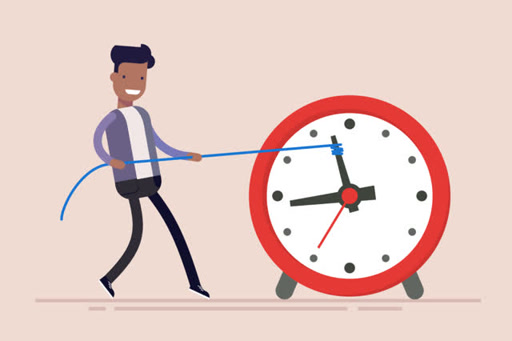
Please bring back the book you borrowed.
Per favore, riporta il libro che hai preso in prestito.

take back

/teɪk bæk/

(phrasal verb) riportare, restituire, ritirare

Esempio:

I need to take back this book to the library.
Devo riportare questo libro in biblioteca.

remind someone of something/someone

/rɪˈmaɪnd ˈsʌm.wʌn ʌv ˈsʌm.θɪŋ/

(phrase) ricordare

Esempio:

You remind me of my brother.
Mi ricordi mio fratello.

call off

/kɔːl ˈɔːf/

(phrasal verb) annullare, revocare, richiamare

Esempio:

They had to call off the outdoor concert due to heavy rain.
Hanno dovuto annullare il concerto all'aperto a causa della pioggia battente.

sit for an exam

/sɪt fɔːr ən ɪɡˈzæm/

(idiom) sostenere un esame, fare un esame

Esempio:

She is going to sit for an exam in mathematics next week.
Sosterrà un esame di matematica la prossima settimana.
Impara questo insieme di vocabolario su Lingoland