Avatar of Vocabulary Set ナラトロジー

文学 内 ナラトロジー 語彙セット:完全かつ詳細なリスト

「文学」内の「ナラトロジー」語彙セットは国際標準教材から厳選され、短期間で語彙をマスターできます。定義、例文、標準発音を網羅…

Lingolandでこの語彙セットを学習

今すぐ学習
bathos

/ˈbeɪ.θɑːs/

(noun) バトス, 急降下

例:

The dramatic scene ended in bathos when the hero tripped over his own feet.
劇的なシーンは、主人公が自分の足につまずいたときにバトスで終わった。

climax

/ˈklaɪ.mæks/

(noun) クライマックス, 最高潮, 絶頂;

(verb) クライマックスを迎える, 最高潮に達する

例:

The movie reached its climax with the final battle scene.
映画は最後の戦闘シーンでクライマックスを迎えた。

contrivance

/kənˈtraɪ.vəns/

(noun) 工夫, 考案, 仕掛け

例:

The elaborate clockwork was a marvel of mechanical contrivance.
精巧な時計仕掛けは機械的な工夫の驚異だった。

denouement

/deɪˈnuː.mɑ̃ː/

(noun) 大団円, 結末

例:

The novel's denouement left readers with a sense of satisfaction.
小説の大団円は読者に満足感を与えた。

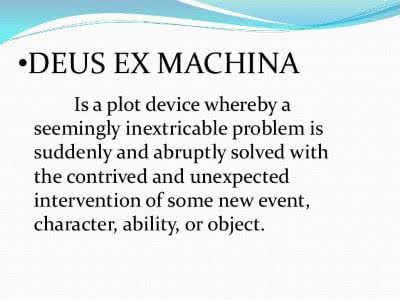
deus ex machina

/ˌdeɪ.əs eks ˈmɑː.kɪ.nə/

(noun) デウス・エクス・マキナ, 機械仕掛けの神

例:

The sudden appearance of a long-lost relative with a fortune was a classic deus ex machina.
長らく行方不明だった親戚が財産を持って突然現れたのは、典型的なデウス・エクス・マキナだった。

embellishment

/ɪmˈbel.ɪʃ.mənt/

(noun) 装飾, 飾り, 美化

例:

The dress had intricate embroidery as an embellishment.
そのドレスには複雑な刺繍が装飾として施されていた。

ending

/ˈen.dɪŋ/

(noun) 結末, 終わり, 語尾

例:

The movie had a surprising ending.
その映画は驚くべき結末だった。

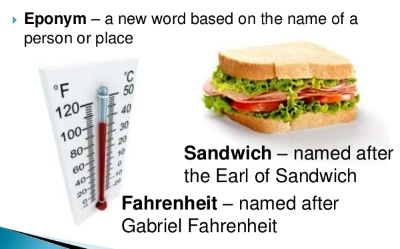
eponym

/ˈep.ə.nɪm/

(noun) 名祖, 名前の由来となった人

例:

Louis Pasteur is the eponym of pasteurization.
ルイ・パスツールはパスツール殺菌法の名祖である。

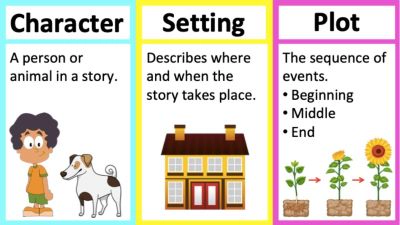
setting

/ˈset̬.ɪŋ/

(noun) 舞台, 環境, 設定

例:

The movie's setting was a remote island.
映画の舞台は遠隔の島だった。

cliffhanger

/ˈklɪfˌhæŋ.ɚ/

(noun) クリフハンガー, ハラハラする展開

例:

The movie ended on a real cliffhanger, leaving everyone wondering what would happen next.
映画は本当のクリフハンガーで終わり、誰もが次に何が起こるのか疑問に思った。

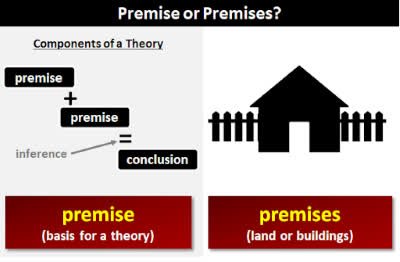
premise

/ˈprem.ɪs/

(noun) 前提, 根拠, 敷地;

(verb) 〜に基づく, 〜を前提とする

例:

The argument was based on a false premise.
その議論は誤った前提に基づいていた。

theme

/θiːm/

(noun) テーマ, 主題, 旋律;

(verb) テーマにする, 主題とする

例:
The main theme of the novel is love and loss.
小説の主なテーマは愛と喪失です。

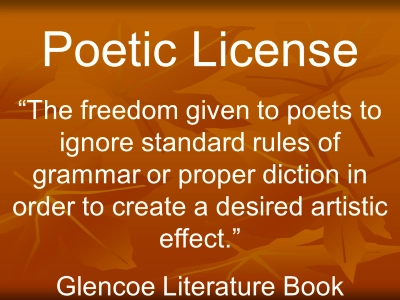
poetic license

/ˌpoʊ.ɪt.ɪk ˈlaɪ.səns/

(noun) 詩的許容, 芸術的自由

例:

The director took some poetic license with the historical events to make the film more dramatic.
監督は映画をよりドラマチックにするために、歴史的事件にいくらか詩的許容を加えた。

sequel

/ˈsiː.kwəl/

(noun) 続編, 続き, 結果

例:

The movie is a sequel to last year's blockbuster hit.
その映画は昨年の大ヒット作の続編です。

spoiler

/ˈspɔɪ.lɚ/

(noun) ネタバレ, スポイラー, 空力パーツ

例:

Please don't give away any spoilers for the new movie.
新しい映画のネタバレはしないでください。

arc

/ɑːrk/

(noun) 弧, 弓形, アーク;

(verb) 弧を描く, 弓なりになる

例:
The bridge has a beautiful arc.
その橋は美しいを描いている。

storyline

/ˈstɔːr.i.laɪn/

(noun) ストーリーライン, 筋書き

例:

The movie had a compelling storyline that kept me engaged.
その映画は魅力的なストーリーラインで、私を引きつけました。

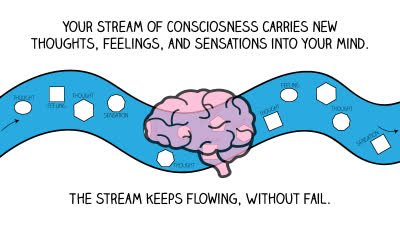
stream of consciousness

/striːm əv ˈkɑn.ʃəs.nəs/

(noun) 意識の流れ

例:

James Joyce's 'Ulysses' is a classic example of a novel written in the stream of consciousness style.
ジェイムズ・ジョイスの『ユリシーズ』は、意識の流れのスタイルで書かれた小説の古典的な例です。

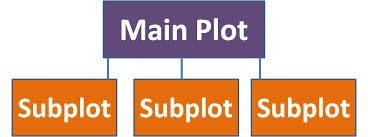
subplot

/ˈsʌb.plɑːt/

(noun) サブプロット, 副筋

例:

The romantic subplot added depth to the main story.
ロマンチックなサブプロットがメインストーリーに深みを与えた。

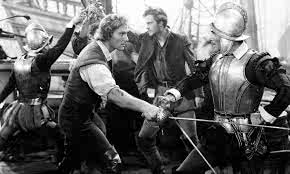
swashbuckling

/ˈswɑːʃˌbʌk.lɪŋ/

(adjective) 豪快な, 向こう見ずな, 冒険的な

例:

The movie featured a swashbuckling hero who saved the day.
その映画には、危機を救う豪快なヒーローが登場した。

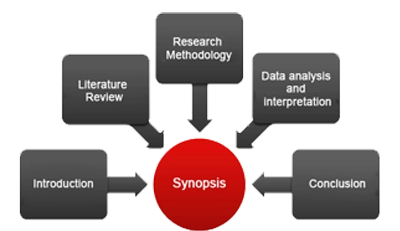
synopsis

/sɪˈnɑːp.sɪs/

(noun) あらすじ, 概要

例:

The movie's synopsis gave away too much of the plot.
映画のあらすじは、プロットの多くを明かしすぎた。

trope

/troʊp/

(noun) 比喩, お決まりのパターン, 常套句

例:

The 'chosen one' is a classic fantasy trope.
「選ばれし者」は古典的なファンタジーの比喩です。

vignette

/vɪˈnjet/

(noun) 挿話, 短い描写, 小品;

(verb) ビネット風に描写する, ぼかし効果をかける

例:
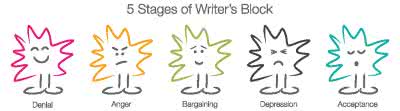
The novel was filled with charming vignettes of Parisian life.
その小説はパリの生活の魅力的な挿話で満たされていた。

writer's block

/ˈraɪ.t̬ɚz ˌblɑːk/

(noun) スランプ, ライターズブロック

例:

She's been suffering from writer's block for weeks and can't finish her novel.
彼女は数週間スランプに陥っていて、小説を完成させることができない。

filler

/ˈfɪl.ɚ/

(noun) 充填材, 詰め物, つなぎ

例:

The dentist used a white filler to repair the tooth.
歯科医は歯を修復するために白い充填材を使用した。

flashback

/ˈflæʃ.bæk/

(noun) フラッシュバック, 回想, 回想シーン

例:

The smell of smoke triggered a flashback to his time in the war.
煙の匂いが、彼に戦争中のフラッシュバックを引き起こした。

kill off

/kɪl ɔf/

(phrasal verb) 駆除する, 絶滅させる, 衰退させる

例:

The new pesticide was designed to kill off all the insects in the garden.
新しい殺虫剤は庭のすべての昆虫を駆除するために設計された。

longueur

/lɔ̃ˈɡɝː/

(noun) 退屈な部分, 冗長な箇所

例:

The film had several longueurs that made it drag.
その映画にはいくつかの退屈な部分があり、だらだらと長引いた。

love triangle

/ˈlʌv ˌtraɪ.æŋ.ɡəl/

(noun) 三角関係

例:

The movie's plot revolved around a classic love triangle.
映画のプロットは古典的な三角関係を中心に展開した。

MacGuffin

/məˈɡʌf.ɪn/

(noun) マクガフィン, プロットのきっかけ

例:

The stolen jewels served as the MacGuffin in the heist movie.
盗まれた宝石は、強盗映画のマクガフィンとして機能した。

mythologize

/maɪˈθɑː.lə.dʒaɪz/

(verb) 神話化する, 伝説にする

例:

The film tends to mythologize the historical figure, often overlooking his flaws.
その映画は、歴史上の人物を神話化する傾向があり、しばしば彼の欠点を見過ごしている。

narrate

/nəˈreɪt/

(verb) 語る, ナレーションする

例:

He decided to narrate his adventures in a book.
彼は自分の冒険を本で語ることにした。

narration

/nerˈeɪ.ʃən/

(noun) ナレーション, 語り, 解説

例:

The documentary used a clear and concise narration to explain complex topics.
そのドキュメンタリーは、複雑なトピックを説明するために明確で簡潔なナレーションを使用した。

narrative

/ˈner.ə.t̬ɪv/

(noun) 物語, 語り, 認識;

(adjective) 物語の, 叙述的な

例:

The novel has a compelling narrative.
その小説には魅力的な物語がある。

pace

/peɪs/

(noun) 歩幅, 一歩, ペース;

(verb) 歩き回る, 行ったり来たりする, 歩測する

例:

He took a few paces forward.
彼は数前進した。

personify

/pɚˈsɑː.nə.faɪ/

(verb) 擬人化する, 具現化する, 体現する

例:

Liberty is often personified as a woman with a torch.
自由はしばしばトーチを持った女性として擬人化される

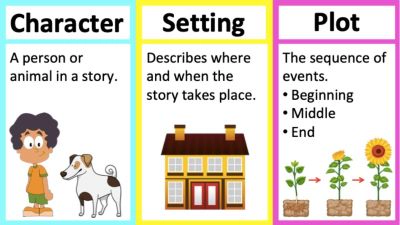
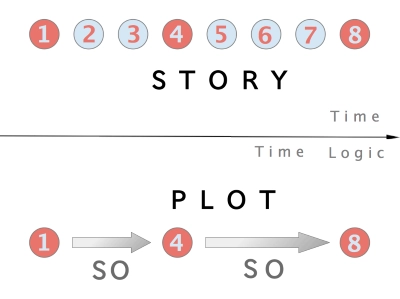
plot

/plɑːt/

(noun) 陰謀, たくらみ, 筋書き;

(verb) 陰謀を企てる, たくらむ, 図に記す

例:
The police uncovered a plot to overthrow the government.
警察は政府転覆の陰謀を暴いた。

plot hole

/ˈplɑːt hoʊl/

(noun) プロットホール, 設定の矛盾

例:

Fans pointed out a major plot hole in the movie's ending.
ファンは映画の結末に大きなプロットホールを指摘した。

quibble

/ˈkwɪb.əl/

(noun) 不満, 難癖;

(verb) 口論する, 難癖をつける

例:
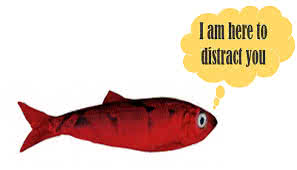
His only quibble was that the room was too small.
彼の唯一の不満は、部屋が狭すぎることだった。

red herring

/ˌred ˈher.ɪŋ/

(idiom) おとり, 目くらまし

例:

The detective realized the suspicious note was a red herring to throw them off the real trail.
探偵は、その怪しいメモが本物の手がかりから彼らをそらすためのおとりだと気づいた。

in medias res

/ɪn ˌmiːdiəs ˈreɪs/

(phrase) 物語の途中から, 話の途中から

例:

The novel begins in medias res, with the protagonist already in a desperate situation.
小説は物語の途中から始まり、主人公はすでに絶望的な状況にいる。

poetic justice

/ˌpoʊˌet.ɪk ˈdʒʌs.tɪs/

(noun) 詩的な正義, 因果応報

例:

It was poetic justice when the corrupt politician was arrested for bribery.
汚職政治家が贈収賄で逮捕されたのは詩的な正義だった。

conflict

/ˈkɑːn.flɪkt/

(noun) 対立, 紛争, 衝突;

(verb) 矛盾する, 対立する, 衝突する

例:

There was a lot of conflict between the two brothers.
二人の兄弟の間には多くの対立があった。

dialogue

/ˈdaɪ.ə.lɑːɡ/

(noun) 対話, 会話, 協議;

(verb) 対話する, 話し合う

例:

The movie had excellent dialogue, making the characters feel real.
その映画は素晴らしい対話があり、登場人物がリアルに感じられた。
Lingolandでこの語彙セットを学習