Avatar of Vocabulary Set 文学と文化

人文科学に関連するSAT語彙 内 文学と文化 語彙セット:完全かつ詳細なリスト

「人文科学に関連するSAT語彙」内の「文学と文化」語彙セットは国際標準教材から厳選され、短期間で語彙をマスターできます。定義、例文、標準発音を網羅…

Lingolandでこの語彙セットを学習

今すぐ学習
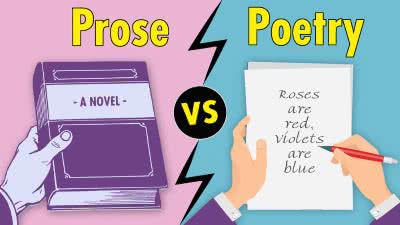

prose

/proʊz/

(noun) 散文;

(verb) 退屈に語る, 散文的に話す

例:

She writes beautiful prose.
彼女は美しい散文を書く。

free verse

/friː vɜːrs/

(noun) 自由詩

例:

Walt Whitman is famous for his use of free verse in 'Leaves of Grass'.
ウォルト・ホイットマンは『草の葉』における自由詩の使用で有名です。

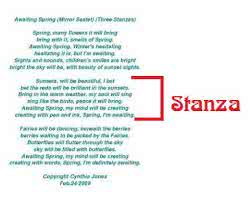
stanza

/ˈstæn.zə/

(noun) スタンザ, 連

例:

The poem consists of four stanzas, each with a distinct rhyme scheme.
その詩は4つのスタンザで構成されており、それぞれが異なる韻律を持っている。

sonnet

/ˈsɑː.nɪt/

(noun) ソネット

例:

Shakespeare wrote many famous sonnets.
シェイクスピアは多くの有名なソネットを書いた。

ballad

/ˈbæl.əd/

(noun) バラード, 物語歌, 感傷的な歌

例:

The folk singer performed a traditional ballad about a lost love.
フォークシンガーは失われた愛についての伝統的なバラードを歌った。

protagonist

/prəˈtæɡ.ən.ɪst/

(noun) 主人公, 主役, 提唱者

例:

The young wizard is the protagonist of the fantasy series.
若い魔法使いはファンタジーシリーズの主人公です。

heroine

/ˈher.oʊ.ɪn/

(noun) ヒロイン, 女主人公

例:

She was hailed as a national heroine for her bravery.
彼女は勇敢さで国民的ヒロインとして称賛された。

allegory

/ˈæl.ə.ɡɔːr.i/

(noun) 寓話, 比喩

例:

George Orwell's 'Animal Farm' is a famous allegory for the Russian Revolution.
ジョージ・オーウェルの『動物農場』はロシア革命の有名な寓話です。

personification

/pɚˌsɑː.nə.fəˈkeɪ.ʃən/

(noun) 擬人化, 化身

例:

The wind whispered through the trees, a beautiful example of personification.
風が木々の間をささやいた、擬人化の美しい例だ。

allusion

/əˈluː.ʒən/

(noun) 言及, 暗示, ほのめかし

例:

The poem contains an allusion to Greek mythology.
その詩にはギリシャ神話への言及が含まれている。

pun

/pʌn/

(noun) だじゃれ, 語呂合わせ;

(verb) だじゃれを言う, 語呂合わせをする

例:
He made a clever pun about the baker, saying he kneaded the dough.
彼はパン屋について「生地をこねる(kneaded the dough)」という巧妙なだじゃれを言った。

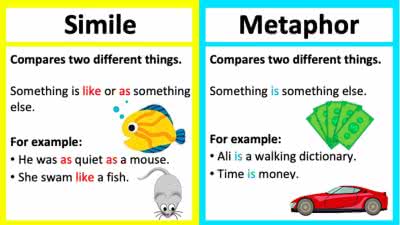
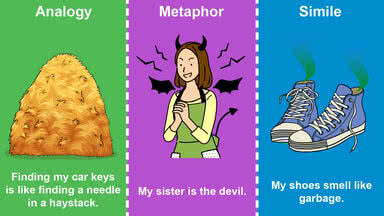
metaphor

/ˈmet̬.ə.fɔːr/

(noun) 比喩, 隠喩

例:

The phrase 'drowning in debt' is a common metaphor.
「借金漬け」というフレーズは一般的な比喩です。

simile

/ˈsɪm.ə.li/

(noun) 直喩

例:

The poet used a simile to describe the clouds as 'like cotton balls floating in the sky'.
詩人は雲を「空に浮かぶ綿の玉のよう」と表現するために直喩を用いた。

irony

/ˈaɪ.rə.ni/

(noun) 皮肉, 逆説

例:

The irony of the situation was that the fire station burned down.
状況の皮肉は、消防署が燃え落ちたことだった。

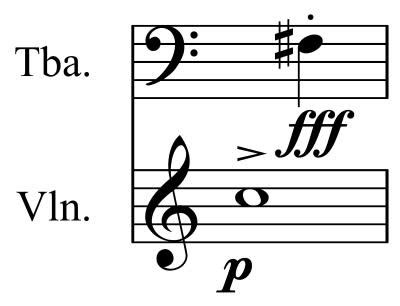
tone

/toʊn/

(noun) 音色, 音調, 論調;

(verb) 調子を整える, 和らげる, 色調を整える

例:

The singer's voice had a beautiful, clear tone.
歌手の声は美しく、澄んだ音色を持っていた。

canon

/ˈkæn.ən/

(noun) 規範, 原則, 基準

例:

The decision was made according to the established canon of the organization.
その決定は、組織の確立された規範に従って行われた。

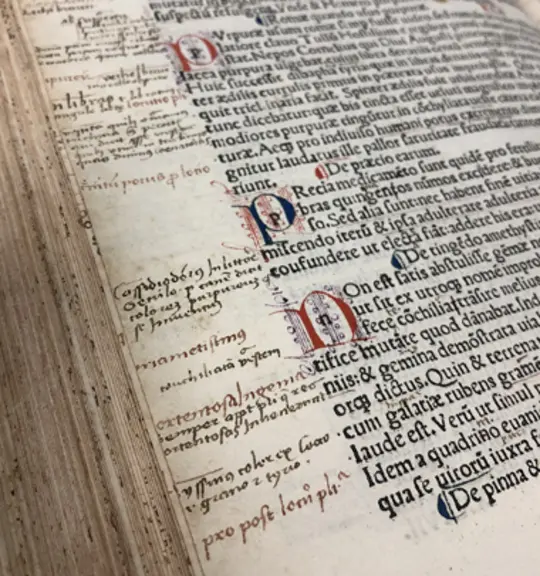
marginalia

/ˌmɑːr.dʒɪˈneɪ.li.ə/

(plural noun) 欄外注, 書き込み

例:

The scholar spent years studying the marginalia in the medieval manuscript.
学者は中世の写本にある欄外注の研究に何年も費やした。

memoir

/ˈmem.wɑːr/

(noun) 回顧録, 自伝

例:

She published a memoir of her time as a war correspondent.
彼女は戦場特派員としての経験を綴った回顧録を出版した。

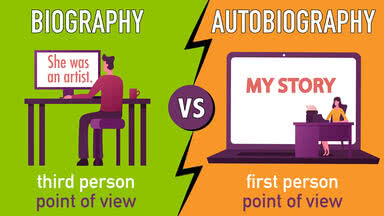
autobiography

/ˌɑː.t̬ə.baɪˈɑː.ɡrə.fi/

(noun) 自伝

例:

She decided to write her autobiography after retiring from her long career.
彼女は長いキャリアを引退した後、自伝を書くことにした。

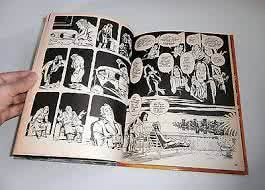
graphic novel

/ˈɡræf.ɪk ˌnɑːv.əl/

(noun) グラフィックノベル, 漫画小説

例:

She spent the afternoon reading a new graphic novel.
彼女は午後を新しいグラフィックノベルを読んで過ごした。

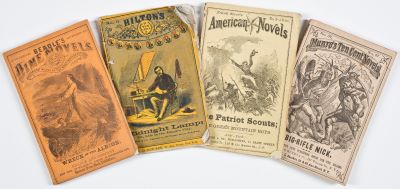
dime novel

/daɪm ˈnɑː.vəl/

(noun) ダイムノベル, 安価な大衆小説

例:

In the late 19th century, many young people enjoyed reading a dime novel about the Wild West.
19世紀後半、多くの若者が西部開拓時代についてのダイムノベルを読むのを楽しみました。

backstory

/ˈbækˌstɔːr.i/

(noun) 裏話, 背景

例:

The author developed a detailed backstory for each character in the novel.
著者は小説の各登場人物に詳細な裏話を作成した。

anthology

/ænˈθɑː.lə.dʒi/

(noun) アンソロジー, 選集

例:

The professor assigned a new anthology of modern poetry.
教授は現代詩の新しいアンソロジーを課題に出した。

ghostwriter

/ˈɡoʊstˌraɪ.t̬ɚ/

(noun) ゴーストライター, 代筆者

例:

Many celebrities hire a ghostwriter for their autobiographies.
多くの有名人は自伝のためにゴーストライターを雇う。

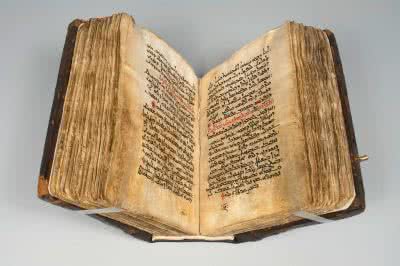
manuscript

/ˈmæn.jə.skrɪpt/

(noun) 写本, 原稿

例:

The ancient manuscript was carefully preserved in the museum.
その古代の写本は博物館で慎重に保存されていた。

scroll

/skroʊl/

(noun) 巻物, スクロール;

(verb) スクロールする, 画面を動かす

例:
The ancient text was preserved on a delicate scroll.
古代の文書は繊細な巻物に保存されていた。

burlesque

/bɝːˈlesk/

(noun) バーレスク, 滑稽な模倣, パロディ;

(verb) バーレスクする, 滑稽に模倣する, パロディ化する;

(adjective) バーレスクの, 滑稽な, 風刺的な

例:
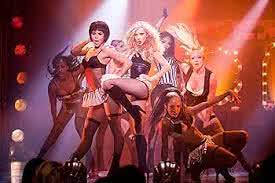
The play was a burlesque of Shakespearean tragedy.
その劇はシェイクスピア悲劇のバーレスクだった。

satirical

/səˈtɪr.ɪ.kəl/

(adjective) 風刺的な

例:

The magazine is known for its satirical look at current events.
その雑誌は時事問題に対する風刺的な視点で知られている。

melodramatic

/ˌmel.ə.drəˈmæt̬.ɪk/

(adjective) メロドラマチックな, 大げさな, 感情過多な

例:

Her reaction to the spilled milk was a bit melodramatic.
こぼれた牛乳に対する彼女の反応は少しメロドラマチックだった。

excerpt

/ˈek.sɝːpt/

(noun) 抜粋, 引用, 断片;

(verb) 抜粋する, 引用する, 切り取る

例:

She read an excerpt from her new novel.
彼女は新しい小説から抜粋を読んだ。

fictionalize

/ˈfɪk.ʃən.əl.aɪz/

(verb) 小説化する, 架空のものにする

例:

The author decided to fictionalize the events of the war to protect the identities of those involved.
著者は、関係者の身元を守るために戦争の出来事を小説化することに決めた。

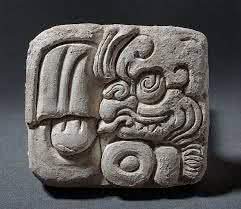
glyph

/ɡlɪf/

(noun) グリフ, 象形文字, 記号

例:

The ancient Mayan ruins were covered with intricate glyphs.
古代マヤの遺跡は複雑なグリフで覆われていた。

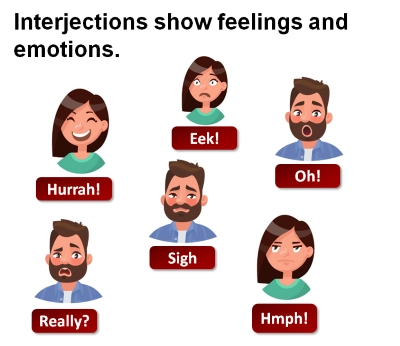
interjection

/ˌɪn.t̬ɚˈdʒek.ʃən/

(noun) 間投詞, 感嘆詞

例:

Ouch!” he cried, after hitting his thumb with a hammer.
痛っ!」彼はハンマーで親指を叩いた後、叫んだ。

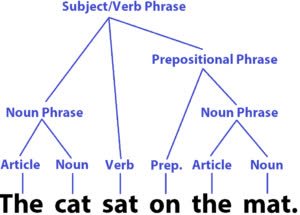
syntax

/ˈsɪn.tæks/

(noun) 構文, 統語論, シンタックス

例:

The grammar checker identified an error in the sentence syntax.
文法チェッカーは文の構文にエラーを特定しました。

dialect

/ˈdaɪ.ə.lekt/

(noun) 方言, なまり

例:

The local dialect is quite different from the standard language.
地元の方言は標準語とはかなり異なります。

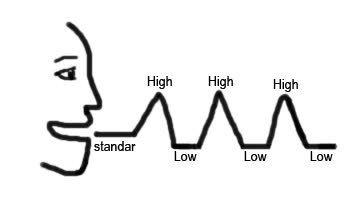
intonation

/ˌɪn.təˈneɪ.ʃən/

(noun) イントネーション, 抑揚

例:

Her voice had a peculiar intonation that made her sound foreign.
彼女の声には独特のイントネーションがあり、それが彼女を外国人のように聞こえさせた。

acronym

/ˈæk.rə.nɪm/

initialism

/ɪˈnɪʃ.ə.lɪz.əm/

(noun) 頭文字語, イニシャリズム

例:

FBI is an initialism for Federal Bureau of Investigation.
FBIはFederal Bureau of Investigationの頭文字語です。

etymology

/ˌet̬.ɪˈmɑː.lə.dʒi/

(noun) 語源, 語源学

例:

The etymology of the word 'hello' is quite interesting.
「ハロー」という言葉の語源はかなり興味深い。

linguist

/ˈlɪŋ.ɡwɪst/

(noun) 言語学者, 言語の達人, 多言語話者

例:

The linguist analyzed the ancient text.
その言語学者は古代のテキストを分析した。

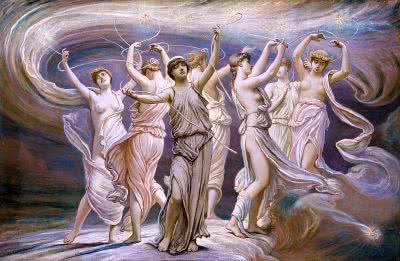
mythology

/mɪˈθɑː.lə.dʒi/

(noun) 神話, 神話学, 神話の研究

例:

Greek mythology is rich with gods, goddesses, and heroes.
ギリシャ神話は神々、女神、英雄で豊かです。

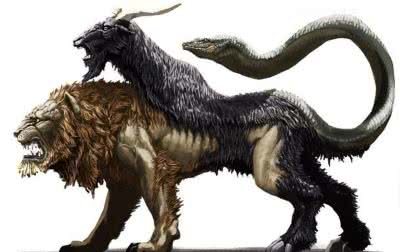
chimera

/kaɪˈmer.ə, kaɪˈmɪr.ə/

(noun) キメラ, 伝説の怪物, 幻想

例:

The ancient Greek myth tells of a hero who defeated the fearsome chimera.
古代ギリシャ神話は、恐ろしいキメラを倒した英雄の物語を語っています。

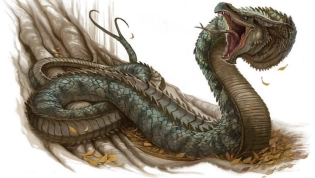
basilisk

/ˈbæz.ə.lɪsk/

(noun) バジリスク, バジリスク (トカゲ)

例:

In the story, the hero must avoid the basilisk's deadly stare.
物語の中で、英雄はバジリスクの死の視線を避けなければならない。

folklore

/ˈfoʊk.lɔːr/

(noun) 民間伝承, 民俗

例:

The island is rich in local folklore and ancient legends.
その島は地元の民間伝承と古代の伝説に富んでいる。

custom

/ˈkʌs.təm/

(noun) 習慣, 慣習, しきたり;

(adjective) オーダーメイドの, 特注の

例:

It is a local custom to greet visitors with a cup of tea.
訪問客をお茶で迎えるのは地元の習慣です。

lore

/lɔːr/

(noun) 伝承, 知識, 言い伝え

例:

The ancient lore of the forest spoke of mythical creatures.
森の古代の伝承は神話上の生き物について語っていた。

elegy

/ˈel.ə.dʒi/

(noun) 哀歌, 悲歌

例:

He wrote an elegy for his deceased friend.
彼は亡くなった友人のために哀歌を書いた。

heritage

/ˈher.ɪ.t̬ɪdʒ/

(noun) 遺産, 相続財産, 文化遺産

例:

The old house was part of her family's heritage.
その古い家は彼女の家族の遺産の一部だった。

subculture

/ˈsʌbˌkʌl.tʃɚ/

(noun) サブカルチャー, 下位文化

例:

The punk subculture emerged in the 1970s.
パンクサブカルチャーは1970年代に登場しました。

rebirth

/ˌriːˈbɝːθ/

(noun) 再生, 復活

例:

Spring is a time of rebirth for nature.
春は自然にとって再生の時期です。

time-honored

/ˈtaɪmˌɑnərd/

(adjective) 長年の, 伝統的な, 由緒ある

例:

The company follows a time-honored tradition of quality craftsmanship.
その会社は、品質の高い職人技という長年の伝統に従っています。
Lingolandでこの語彙セットを学習