Avatar of Vocabulary Set Littérature et culture

Ensemble de vocabulaire Littérature et culture dans Vocabulaire du SAT lié aux sciences humaines : Liste complète et détaillée

L'ensemble de vocabulaire 'Littérature et culture' dans 'Vocabulaire du SAT lié aux sciences humaines' est soigneusement sélectionné à partir de sources de manuels internationaux standard, vous aidant à maîtriser le vocabulaire en peu de temps. Compilation complète de définitions, exemples illustratifs et prononciation standard...

Apprendre cet ensemble de vocabulaire sur Lingoland

Apprendre maintenant
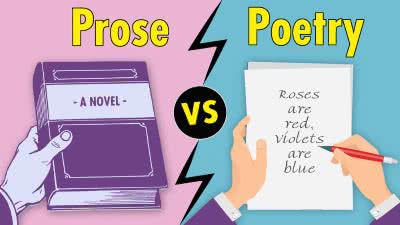
prose

/proʊz/

(noun) prose;

(verb) parler de manière ennuyeuse, prosaïser

Exemple:

She writes beautiful prose.
Elle écrit de la belle prose.

free verse

/friː vɜːrs/

(noun) vers libre

Exemple:

Walt Whitman is famous for his use of free verse in 'Leaves of Grass'.
Walt Whitman est célèbre pour son utilisation du vers libre dans 'Feuilles d'herbe'.

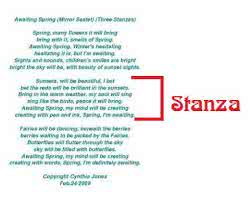
stanza

/ˈstæn.zə/

(noun) strophe, couplet

Exemple:

The poem consists of four stanzas, each with a distinct rhyme scheme.
Le poème se compose de quatre strophes, chacune avec un schéma de rimes distinct.

sonnet

/ˈsɑː.nɪt/

(noun) sonnet

Exemple:

Shakespeare wrote many famous sonnets.
Shakespeare a écrit de nombreux sonnets célèbres.

ballad

/ˈbæl.əd/

(noun) ballade, chanson narrative, chanson sentimentale

Exemple:
The folk singer performed a traditional ballad about a lost love.
Le chanteur folk a interprété une ballade traditionnelle sur un amour perdu.

protagonist

/prəˈtæɡ.ən.ɪst/

(noun) protagoniste, personnage principal, défenseur

Exemple:

The young wizard is the protagonist of the fantasy series.
Le jeune sorcier est le protagoniste de la série fantastique.

heroine

/ˈher.oʊ.ɪn/

(noun) héroïne, personnage principal féminin

Exemple:
She was hailed as a national heroine for her bravery.
Elle a été saluée comme une héroïne nationale pour sa bravoure.

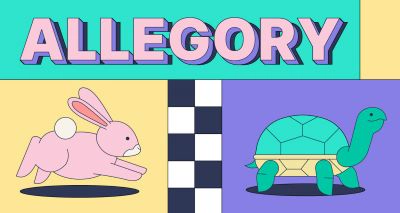
allegory

/ˈæl.ə.ɡɔːr.i/

(noun) allégorie, apologue

Exemple:

George Orwell's 'Animal Farm' is a famous allegory for the Russian Revolution.
La 'Ferme des animaux' de George Orwell est une célèbre allégorie de la Révolution russe.

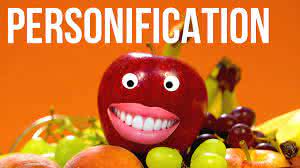
personification

/pɚˌsɑː.nə.fəˈkeɪ.ʃən/

(noun) personnification, incarnation

Exemple:
The wind whispered through the trees, a beautiful example of personification.
Le vent murmurait à travers les arbres, un bel exemple de personnification.

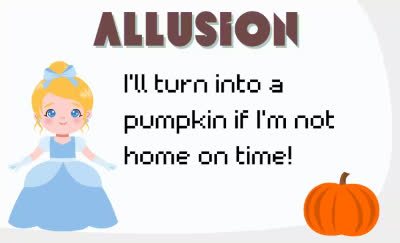
allusion

/əˈluː.ʒən/

(noun) allusion, référence

Exemple:

The poem contains an allusion to Greek mythology.
Le poème contient une allusion à la mythologie grecque.

pun

/pʌn/

(noun) jeu de mots, calembour;

(verb) faire un jeu de mots, calembourer

Exemple:
He made a clever pun about the baker, saying he kneaded the dough.
Il a fait un jeu de mots astucieux sur le boulanger, disant qu'il pétrissait la pâte.

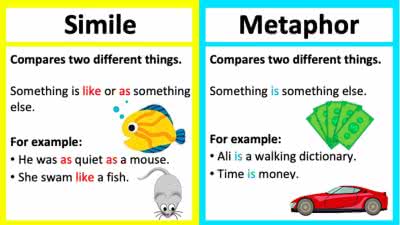
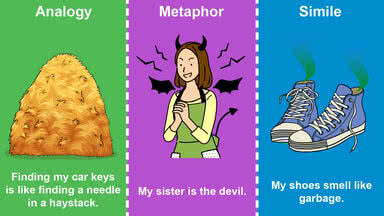
metaphor

/ˈmet̬.ə.fɔːr/

(noun) métaphore

Exemple:

The phrase 'drowning in debt' is a common metaphor.
L'expression 'noyé sous les dettes' est une métaphore courante.

simile

/ˈsɪm.ə.li/

(noun) comparaison

Exemple:

The poet used a simile to describe the clouds as 'like cotton balls floating in the sky'.
Le poète a utilisé une comparaison pour décrire les nuages comme 'des boules de coton flottant dans le ciel'.

irony

/ˈaɪ.rə.ni/

(noun) ironie, ironie du sort, paradoxe

Exemple:
The irony of the situation was that the fire station burned down.
L'ironie de la situation était que la caserne de pompiers a brûlé.

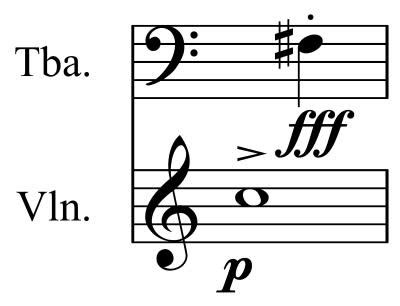
tone

/toʊn/

(noun) ton, timbre, ambiance;

(verb) donner un ton, modérer, atténuer

Exemple:
The singer's voice had a beautiful, clear tone.
La voix de la chanteuse avait un beau ton clair.

canon

/ˈkæn.ən/

(noun) canon, règle, principe

Exemple:
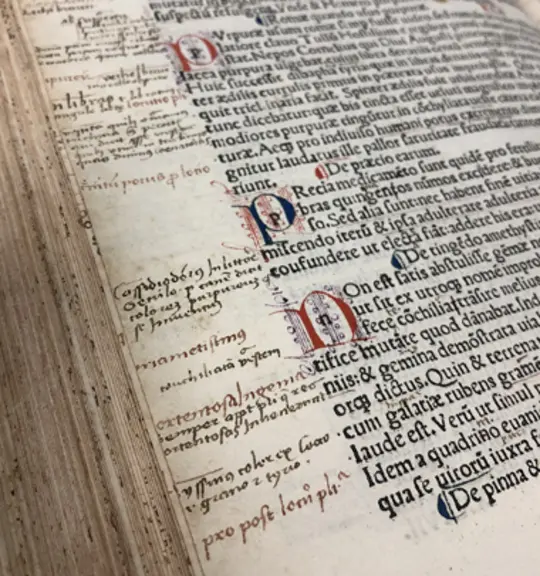
The decision was made according to the established canon of the organization.
La décision a été prise conformément au canon établi de l'organisation.

marginalia

/ˌmɑːr.dʒɪˈneɪ.li.ə/

(plural noun) marginalia, notes marginales

Exemple:

The scholar spent years studying the marginalia in the medieval manuscript.
Le chercheur a passé des années à étudier les marginalia dans le manuscrit médiéval.

memoir

/ˈmem.wɑːr/

(noun) mémoire, récit autobiographique

Exemple:
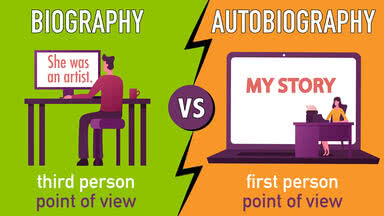
She published a memoir of her time as a war correspondent.
Elle a publié un mémoire sur son expérience en tant que correspondante de guerre.

autobiography

/ˌɑː.t̬ə.baɪˈɑː.ɡrə.fi/

(noun) autobiographie

Exemple:

She decided to write her autobiography after retiring from her long career.
Elle a décidé d'écrire son autobiographie après avoir pris sa retraite de sa longue carrière.

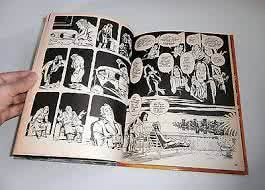
graphic novel

/ˈɡræf.ɪk ˌnɑːv.əl/

(noun) roman graphique, bande dessinée

Exemple:
She spent the afternoon reading a new graphic novel.
Elle a passé l'après-midi à lire un nouveau roman graphique.

dime novel

/daɪm ˈnɑː.vəl/

(noun) roman à deux sous, roman de gare

Exemple:

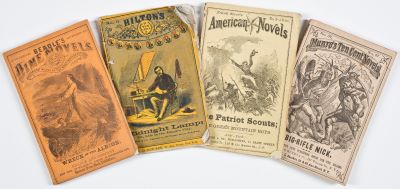
In the late 19th century, many young people enjoyed reading a dime novel about the Wild West.
À la fin du XIXe siècle, de nombreux jeunes aimaient lire un roman à deux sous sur le Far West.

backstory

/ˈbækˌstɔːr.i/

(noun) histoire de fond, passé

Exemple:

The author developed a detailed backstory for each character in the novel.
L'auteur a développé une histoire de fond détaillée pour chaque personnage du roman.

anthology

/ænˈθɑː.lə.dʒi/

(noun) anthologie, recueil

Exemple:

The professor assigned a new anthology of modern poetry.
Le professeur a assigné une nouvelle anthologie de poésie moderne.

ghostwriter

/ˈɡoʊstˌraɪ.t̬ɚ/

(noun) nègre littéraire, écrivain fantôme

Exemple:
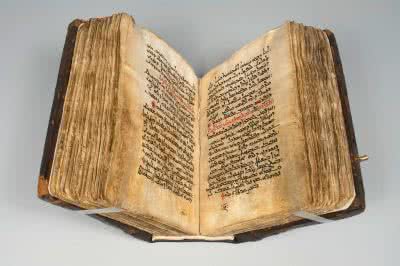
Many celebrities hire a ghostwriter for their autobiographies.
De nombreuses célébrités engagent un nègre littéraire pour leurs autobiographies.

manuscript

/ˈmæn.jə.skrɪpt/

(noun) manuscrit

Exemple:

The ancient manuscript was carefully preserved in the museum.
L'ancien manuscrit était soigneusement conservé au musée.

scroll

/skroʊl/

(noun) rouleau, parchemin;

(verb) faire défiler, défiler

Exemple:
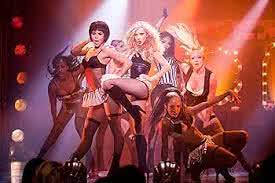
The ancient text was preserved on a delicate scroll.
Le texte ancien était conservé sur un délicat rouleau.

burlesque

/bɝːˈlesk/

(noun) burlesque, parodie, farce;

(verb) parodier, moquer, caricaturer;

(adjective) burlesque, parodique, grotesque

Exemple:
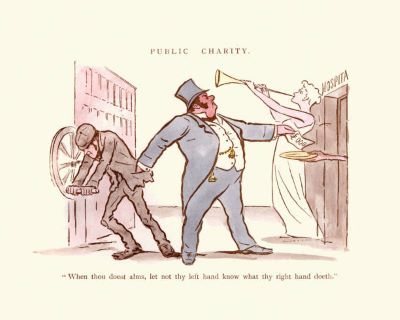
The play was a burlesque of Shakespearean tragedy.
La pièce était une parodie de la tragédie shakespearienne.

satirical

/səˈtɪr.ɪ.kəl/

(adjective) satirique

Exemple:

The magazine is known for its satirical look at current events.
Le magazine est connu pour son regard satirique sur l'actualité.

melodramatic

/ˌmel.ə.drəˈmæt̬.ɪk/

(adjective) mélodramatique, exagéré, pathétique

Exemple:

Her reaction to the spilled milk was a bit melodramatic.
Sa réaction au lait renversé était un peu mélodramatique.

excerpt

/ˈek.sɝːpt/

(noun) extrait, passage, morceau;

(verb) extraire, citer, sélectionner

Exemple:

She read an excerpt from her new novel.
Elle a lu un extrait de son nouveau roman.

fictionalize

/ˈfɪk.ʃən.əl.aɪz/

(verb) romancer, fictionaliser

Exemple:
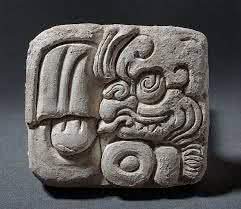
The author decided to fictionalize the events of the war to protect the identities of those involved.
L'auteur a décidé de romancer les événements de la guerre pour protéger l'identité des personnes impliquées.

glyph

/ɡlɪf/

(noun) glyphe, hiéroglyphe, symbole

Exemple:
The ancient Mayan ruins were covered with intricate glyphs.
Les anciennes ruines mayas étaient couvertes de glyphes complexes.

interjection

/ˌɪn.t̬ɚˈdʒek.ʃən/

(noun) interjection, exclamation

Exemple:
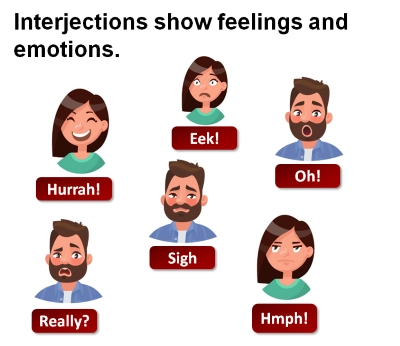
Ouch!” he cried, after hitting his thumb with a hammer.
« Aïe ! » cria-t-il, après s'être frappé le pouce avec un marteau.

syntax

/ˈsɪn.tæks/

(noun) syntaxe

Exemple:

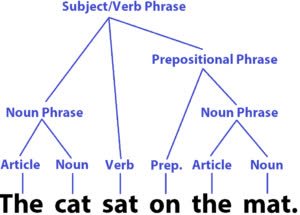
The grammar checker identified an error in the sentence syntax.
Le correcteur grammatical a identifié une erreur dans la syntaxe de la phrase.

dialect

/ˈdaɪ.ə.lekt/

(noun) dialecte, patois

Exemple:

The local dialect is quite different from the standard language.
Le dialecte local est assez différent de la langue standard.

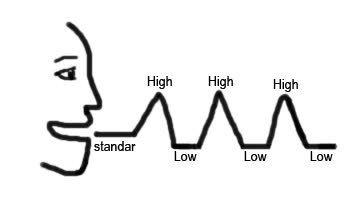
intonation

/ˌɪn.təˈneɪ.ʃən/

(noun) intonation

Exemple:

Her voice had a peculiar intonation that made her sound foreign.
Sa voix avait une intonation particulière qui la faisait paraître étrangère.

acronym

/ˈæk.rə.nɪm/

initialism

/ɪˈnɪʃ.ə.lɪz.əm/

(noun) sigle

Exemple:

FBI is an initialism for Federal Bureau of Investigation.
FBI est un sigle pour Federal Bureau of Investigation.

etymology

/ˌet̬.ɪˈmɑː.lə.dʒi/

(noun) étymologie

Exemple:

The etymology of the word 'hello' is quite interesting.
L'étymologie du mot 'bonjour' est assez intéressante.

linguist

/ˈlɪŋ.ɡwɪst/

(noun) linguiste, polyglotte

Exemple:
The linguist analyzed the ancient text.
Le linguiste a analysé le texte ancien.

mythology

/mɪˈθɑː.lə.dʒi/

(noun) mythologie, étude des mythes

Exemple:
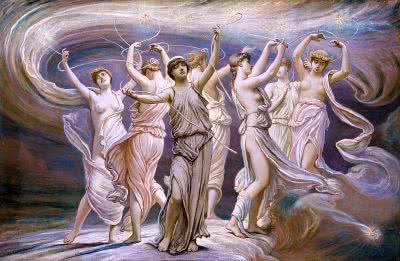
Greek mythology is rich with gods, goddesses, and heroes.
La mythologie grecque est riche en dieux, déesses et héros.

chimera

/kaɪˈmer.ə, kaɪˈmɪr.ə/

(noun) chimère, monstre mythique, illusion

Exemple:
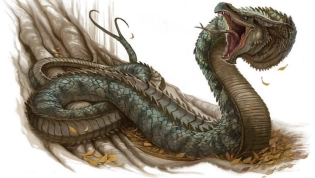
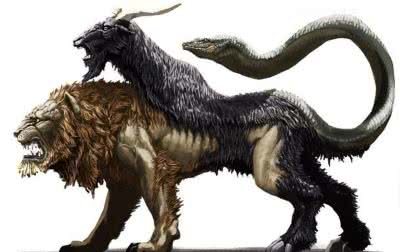
The ancient Greek myth tells of a hero who defeated the fearsome chimera.
Le mythe grec ancien raconte l'histoire d'un héros qui a vaincu la redoutable chimère.

basilisk

/ˈbæz.ə.lɪsk/

(noun) basilic, basilic (lézard)

Exemple:
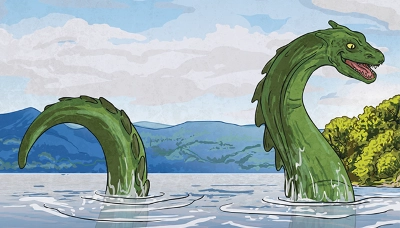
In the story, the hero must avoid the basilisk's deadly stare.
Dans l'histoire, le héros doit éviter le regard mortel du basilic.

folklore

/ˈfoʊk.lɔːr/

(noun) folklore, traditions populaires

Exemple:

The island is rich in local folklore and ancient legends.
L'île est riche en folklore local et en légendes anciennes.

custom

/ˈkʌs.təm/

(noun) coutume, tradition, habitude;

(adjective) sur mesure, personnalisé

Exemple:

It is a local custom to greet visitors with a cup of tea.
C'est une coutume locale de saluer les visiteurs avec une tasse de thé.

lore

/lɔːr/

(noun) tradition, folklore, savoir

Exemple:

The ancient lore of the forest spoke of mythical creatures.
L'ancienne tradition de la forêt parlait de créatures mythiques.

elegy

/ˈel.ə.dʒi/

(noun) élégie, chant funèbre

Exemple:
He wrote an elegy for his deceased friend.
Il a écrit une élégie pour son ami décédé.

heritage

/ˈher.ɪ.t̬ɪdʒ/

(noun) patrimoine, héritage, héritage culturel

Exemple:
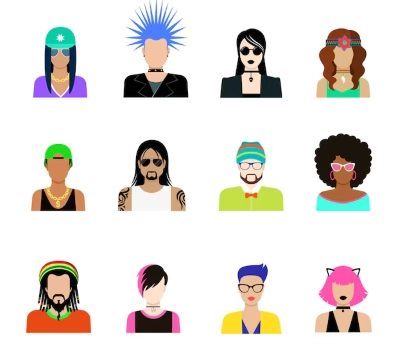
The old house was part of her family's heritage.
La vieille maison faisait partie du patrimoine de sa famille.

subculture

/ˈsʌbˌkʌl.tʃɚ/

(noun) sous-culture

Exemple:

The punk subculture emerged in the 1970s.
La sous-culture punk a émergé dans les années 1970.

rebirth

/ˌriːˈbɝːθ/

(noun) renaissance, renouveau

Exemple:

Spring is a time of rebirth for nature.
Le printemps est une période de renaissance pour la nature.

time-honored

/ˈtaɪmˌɑnərd/

(adjective) ancestral, traditionnel, consacré par le temps

Exemple:

The company follows a time-honored tradition of quality craftsmanship.
L'entreprise suit une tradition ancestrale d'artisanat de qualité.
Apprendre cet ensemble de vocabulaire sur Lingoland