Avatar of Vocabulary Set 문학과 문화

SAT 인문학 관련 어휘 내 문학과 문화 어휘 세트: 완전하고 상세한 목록

'SAT 인문학 관련 어휘' 내 '문학과 문화' 어휘 세트는 국제 표준 교재 출처에서 엄선되어 짧은 시간 안에 어휘를 마스터할 수 있도록 도와줍니다. 정의, 예문, 표준 발음을 완벽하게 수록...

Lingoland에서 이 어휘 세트 학습하기

지금 학습하기
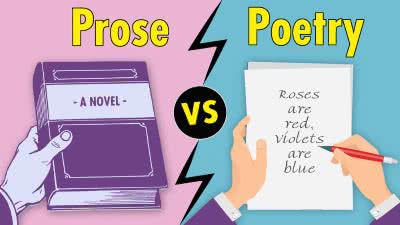
prose

/proʊz/

(noun) 산문;

(verb) 지루하게 이야기하다, 산문적으로 말하다

예시:

She writes beautiful prose.
그녀는 아름다운 산문을 쓴다.

free verse

/friː vɜːrs/

(noun) 자유시

예시:

Walt Whitman is famous for his use of free verse in 'Leaves of Grass'.
월트 휘트먼은 '풀잎'에서 자유시를 사용한 것으로 유명합니다.

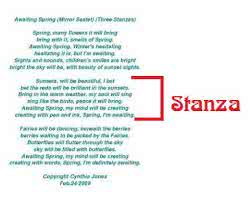
stanza

/ˈstæn.zə/

(noun) 연, 절

예시:

The poem consists of four stanzas, each with a distinct rhyme scheme.
그 시는 각각 독특한 운율을 가진 네 개의 으로 구성되어 있다.

sonnet

/ˈsɑː.nɪt/

(noun) 소네트

예시:

Shakespeare wrote many famous sonnets.
셰익스피어는 많은 유명한 소네트를 썼다.

ballad

/ˈbæl.əd/

(noun) 발라드, 이야기 노래, 감성적인 노래

예시:

The folk singer performed a traditional ballad about a lost love.
포크 가수는 잃어버린 사랑에 대한 전통 발라드를 불렀다.

protagonist

/prəˈtæɡ.ən.ɪst/

(noun) 주인공, 주역, 옹호자

예시:

The young wizard is the protagonist of the fantasy series.
젊은 마법사는 판타지 시리즈의 주인공이다.

heroine

/ˈher.oʊ.ɪn/

(noun) 여주인공, 영웅, 주인공

예시:

She was hailed as a national heroine for her bravery.
그녀는 용감함으로 국가적 영웅으로 칭송받았다.

allegory

/ˈæl.ə.ɡɔːr.i/

(noun) 풍자, 우화

예시:

George Orwell's 'Animal Farm' is a famous allegory for the Russian Revolution.
조지 오웰의 '동물 농장'은 러시아 혁명에 대한 유명한 풍자이다.

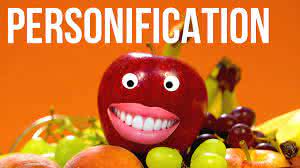
personification

/pɚˌsɑː.nə.fəˈkeɪ.ʃən/

(noun) 의인화, 화신

예시:

The wind whispered through the trees, a beautiful example of personification.
바람이 나무들 사이로 속삭였다, 의인화의 아름다운 예시이다.

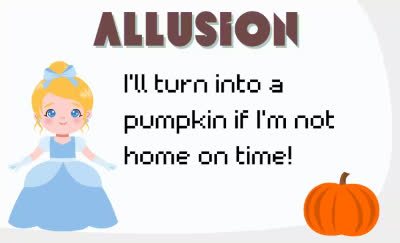
allusion

/əˈluː.ʒən/

(noun) 암시, 언급, 간접적인 언급

예시:

The poem contains an allusion to Greek mythology.
그 시에는 그리스 신화에 대한 암시가 포함되어 있다.

pun

/pʌn/

(noun) 말장난, 언어유희;

(verb) 말장난하다, 언어유희를 하다

예시:
He made a clever pun about the baker, saying he kneaded the dough.
그는 제빵사에 대해 반죽을 'kneaded'한다는 영리한 말장난을 했다.

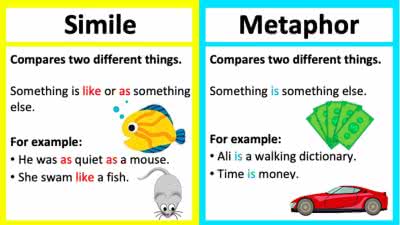
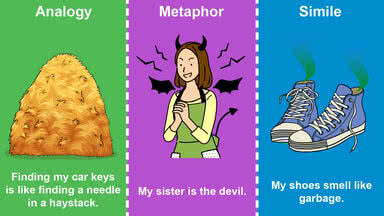
metaphor

/ˈmet̬.ə.fɔːr/

(noun) 은유, 비유

예시:

The phrase 'drowning in debt' is a common metaphor.
'빚더미에 깔리다'는 흔한 은유이다.

simile

/ˈsɪm.ə.li/

(noun) 직유

예시:

The poet used a simile to describe the clouds as 'like cotton balls floating in the sky'.
시인은 구름을 '하늘에 떠다니는 솜뭉치처럼' 묘사하기 위해 직유를 사용했다.

irony

/ˈaɪ.rə.ni/

(noun) 아이러니, 반어법, 역설

예시:

The irony of the situation was that the fire station burned down.
상황의 아이러니는 소방서가 불에 탔다는 것이었다.

tone

/toʊn/

(noun) 음색, 음조, 어조;

(verb) 어조를 맞추다, 누그러뜨리다, 조절하다

예시:

The singer's voice had a beautiful, clear tone.
가수의 목소리는 아름답고 맑은 음색을 가지고 있었다.

canon

/ˈkæn.ən/

(noun) 규범, 원칙, 기준

예시:

The decision was made according to the established canon of the organization.
그 결정은 조직의 확립된 규범에 따라 이루어졌다.

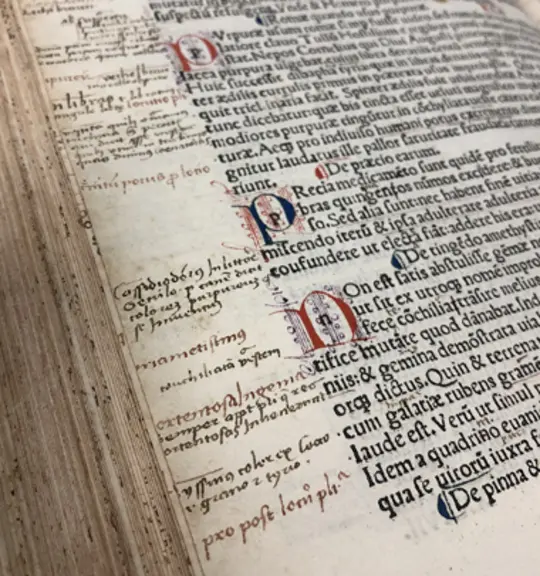
marginalia

/ˌmɑːr.dʒɪˈneɪ.li.ə/

(plural noun) 여백 주석, 가장자리 메모

예시:

The scholar spent years studying the marginalia in the medieval manuscript.
학자는 중세 필사본의 여백 주석을 연구하는 데 수년을 보냈다.

memoir

/ˈmem.wɑːr/

(noun) 회고록, 자서전

예시:

She published a memoir of her time as a war correspondent.
그녀는 종군 기자 시절의 회고록을 출판했다.

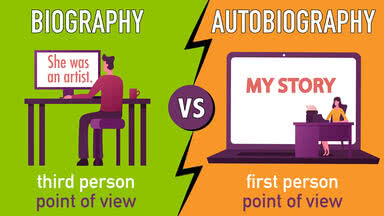
autobiography

/ˌɑː.t̬ə.baɪˈɑː.ɡrə.fi/

(noun) 자서전

예시:

She decided to write her autobiography after retiring from her long career.
그녀는 오랜 경력에서 은퇴한 후 자서전을 쓰기로 결정했다.

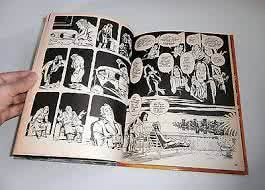
graphic novel

/ˈɡræf.ɪk ˌnɑːv.əl/

(noun) 그래픽 노블, 만화 소설

예시:

She spent the afternoon reading a new graphic novel.
그녀는 오후 내내 새로운 그래픽 노블을 읽었다.

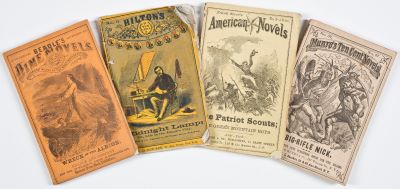
dime novel

/daɪm ˈnɑː.vəl/

(noun) 다임 노블, 싸구려 소설

예시:

In the late 19th century, many young people enjoyed reading a dime novel about the Wild West.
19세기 후반, 많은 젊은이들이 서부 개척 시대에 관한 싸구려 소설을 즐겨 읽었습니다.

backstory

/ˈbækˌstɔːr.i/

(noun) 배경 이야기, 과거사

예시:

The author developed a detailed backstory for each character in the novel.
작가는 소설 속 각 인물에 대한 상세한 배경 이야기를 만들었다.

anthology

/ænˈθɑː.lə.dʒi/

(noun) 선집, 문집

예시:

The professor assigned a new anthology of modern poetry.
교수는 현대 시의 새로운 선집을 과제로 내주었다.

ghostwriter

/ˈɡoʊstˌraɪ.t̬ɚ/

(noun) 대필 작가, 고스트라이터

예시:

Many celebrities hire a ghostwriter for their autobiographies.
많은 유명인들이 자서전을 위해 대필 작가를 고용한다.

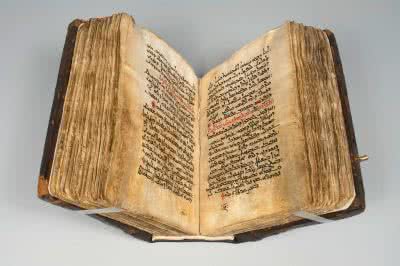
manuscript

/ˈmæn.jə.skrɪpt/

(noun) 원고, 필사본

예시:

The ancient manuscript was carefully preserved in the museum.
고대 원고는 박물관에 조심스럽게 보관되었다.

scroll

/skroʊl/

(noun) 두루마리, 스크롤;

(verb) 스크롤하다, 넘기다

예시:
The ancient text was preserved on a delicate scroll.
고대 문서는 섬세한 두루마리에 보존되어 있었다.

burlesque

/bɝːˈlesk/

(noun) 버레스크, 풍자극, 익살극;

(verb) 풍자하다, 익살스럽게 흉내 내다;

(adjective) 버레스크의, 풍자적인, 익살스러운

예시:
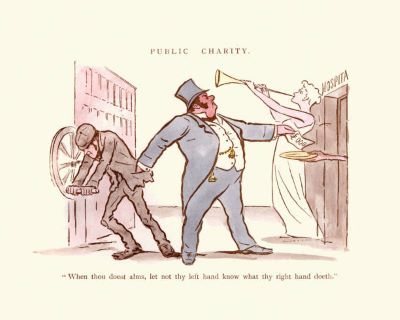
The play was a burlesque of Shakespearean tragedy.
그 연극은 셰익스피어 비극의 풍자극이었다.

satirical

/səˈtɪr.ɪ.kəl/

(adjective) 풍자적인

예시:

The magazine is known for its satirical look at current events.
그 잡지는 시사 문제에 대한 풍자적인 시각으로 유명하다.

melodramatic

/ˌmel.ə.drəˈmæt̬.ɪk/

(adjective) 멜로드라마적인, 과장된, 감정적인

예시:

Her reaction to the spilled milk was a bit melodramatic.
우유를 엎지른 그녀의 반응은 좀 멜로드라마틱했다.

excerpt

/ˈek.sɝːpt/

(noun) 발췌, 인용문, 부분;

(verb) 발췌하다, 인용하다, 뽑아내다

예시:

She read an excerpt from her new novel.
그녀는 새 소설에서 발췌문을 읽었다.

fictionalize

/ˈfɪk.ʃən.əl.aɪz/

(verb) 소설화하다, 허구화하다

예시:

The author decided to fictionalize the events of the war to protect the identities of those involved.
작가는 관련자들의 신원을 보호하기 위해 전쟁의 사건들을 소설화하기로 결정했다.

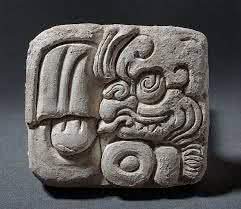
glyph

/ɡlɪf/

(noun) 상형문자, 그림문자, 기호

예시:

The ancient Mayan ruins were covered with intricate glyphs.
고대 마야 유적은 복잡한 상형문자로 덮여 있었다.

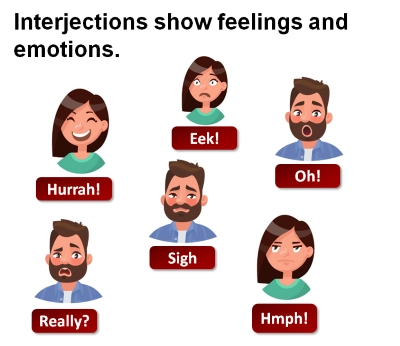
interjection

/ˌɪn.t̬ɚˈdʒek.ʃən/

(noun) 감탄사, 간투사

예시:

Ouch!” he cried, after hitting his thumb with a hammer.
아야!” 그는 망치로 엄지손가락을 때린 후 소리쳤다.

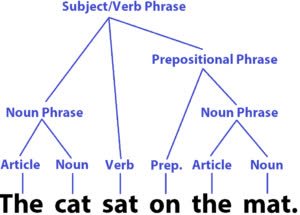
syntax

/ˈsɪn.tæks/

(noun) 구문, 문장론, 문법

예시:

The grammar checker identified an error in the sentence syntax.
문법 검사기가 문장 구문에서 오류를 발견했습니다.

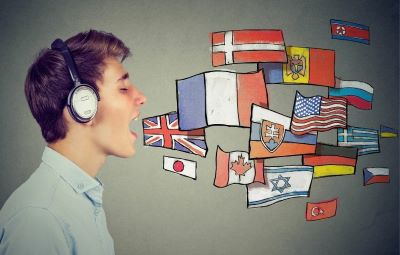
dialect

/ˈdaɪ.ə.lekt/

(noun) 방언, 사투리

예시:

The local dialect is quite different from the standard language.
지역 방언은 표준어와 상당히 다르다.

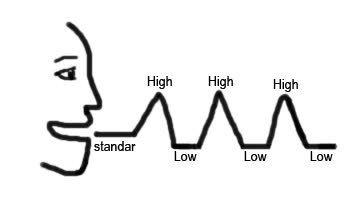
intonation

/ˌɪn.təˈneɪ.ʃən/

(noun) 억양, 음조

예시:

Her voice had a peculiar intonation that made her sound foreign.
그녀의 목소리에는 그녀를 외국인처럼 들리게 하는 특이한 억양이 있었다.

acronym

/ˈæk.rə.nɪm/

initialism

/ɪˈnɪʃ.ə.lɪz.əm/

(noun) 두문자어, 약어

예시:

FBI is an initialism for Federal Bureau of Investigation.
FBI는 Federal Bureau of Investigation의 두문자어입니다.

etymology

/ˌet̬.ɪˈmɑː.lə.dʒi/

(noun) 어원, 어원학

예시:

The etymology of the word 'hello' is quite interesting.
'hello'라는 단어의 어원은 꽤 흥미롭다.

linguist

/ˈlɪŋ.ɡwɪst/

(noun) 언어학자, 언어 전문가, 다국어 사용자

예시:

The linguist analyzed the ancient text.
언어학자는 고대 문헌을 분석했다.

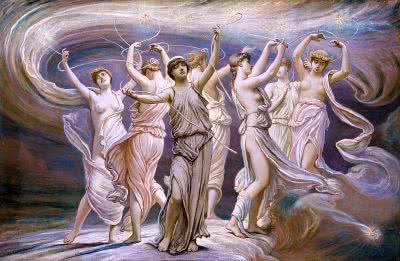
mythology

/mɪˈθɑː.lə.dʒi/

(noun) 신화, 신화학, 신화 연구

예시:

Greek mythology is rich with gods, goddesses, and heroes.
그리스 신화는 신, 여신, 영웅으로 가득하다.

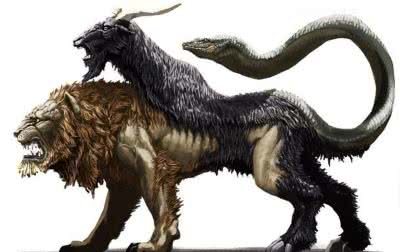
chimera

/kaɪˈmer.ə, kaɪˈmɪr.ə/

(noun) 키메라, 신화 속 괴물, 환상

예시:

The ancient Greek myth tells of a hero who defeated the fearsome chimera.
고대 그리스 신화는 무시무시한 키메라를 물리친 영웅에 대해 이야기한다.

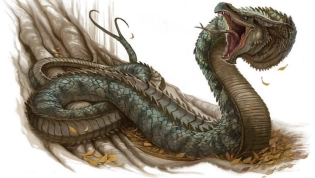
basilisk

/ˈbæz.ə.lɪsk/

(noun) 바실리스크, 바실리스크 도마뱀

예시:

In the story, the hero must avoid the basilisk's deadly stare.
이야기 속에서 영웅은 바실리스크의 치명적인 시선을 피해야 한다.

folklore

/ˈfoʊk.lɔːr/

(noun) 민속, 전통 문화

예시:

The island is rich in local folklore and ancient legends.
그 섬은 지역 민속과 고대 전설로 가득하다.

custom

/ˈkʌs.təm/

(noun) 관습, 풍습, 전통;

(adjective) 맞춤형, 주문제작

예시:

It is a local custom to greet visitors with a cup of tea.
손님을 차 한 잔으로 맞이하는 것은 지역의 관습이다.

lore

/lɔːr/

(noun) 전설, 지식, 민속

예시:

The ancient lore of the forest spoke of mythical creatures.
숲의 고대 전설은 신화 속 생물에 대해 이야기했다.

elegy

/ˈel.ə.dʒi/

(noun) 애가, 비가

예시:

He wrote an elegy for his deceased friend.
그는 돌아가신 친구를 위해 애가를 썼다.

heritage

/ˈher.ɪ.t̬ɪdʒ/

(noun) 유산, 상속 재산, 문화유산

예시:

The old house was part of her family's heritage.
그 오래된 집은 그녀 가족의 유산의 일부였다.

subculture

/ˈsʌbˌkʌl.tʃɚ/

(noun) 하위문화, 서브컬처

예시:

The punk subculture emerged in the 1970s.
펑크 하위문화는 1970년대에 등장했다.

rebirth

/ˌriːˈbɝːθ/

(noun) 재생, 부활

예시:

Spring is a time of rebirth for nature.
봄은 자연에게 재생의 시기이다.

time-honored

/ˈtaɪmˌɑnərd/

(adjective) 오랜, 전통적인, 유서 깊은

예시:

The company follows a time-honored tradition of quality craftsmanship.
그 회사는 품질 장인정신이라는 오랜 전통을 따릅니다.
Lingoland에서 이 어휘 세트 학습하기