Avatar of Vocabulary Set Literatura e Cultura

Conjunto de vocabulário Literatura e Cultura em Vocabulário do SAT relacionado às Ciências Humanas: Lista completa e detalhada

O conjunto de vocabulário 'Literatura e Cultura' em 'Vocabulário do SAT relacionado às Ciências Humanas' é cuidadosamente selecionado de fontes de manuais padrão internacionais, ajudando-o a dominar o vocabulário em pouco tempo. Compilação completa de definições, exemplos ilustrativos e pronúncia padrão...

Aprender este conjunto de vocabulário no Lingoland

Aprender agora
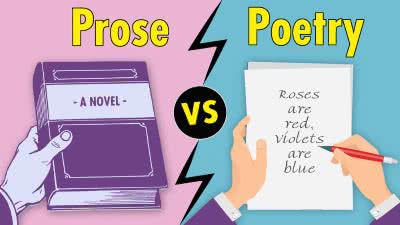
prose

/proʊz/

(noun) prosa;

(verb) falar de forma tediosa, prosear

Exemplo:

She writes beautiful prose.
Ela escreve uma bela prosa.

free verse

/friː vɜːrs/

(noun) verso livre

Exemplo:

Walt Whitman is famous for his use of free verse in 'Leaves of Grass'.
Walt Whitman é famoso pelo uso do verso livre em 'Folhas de Relva'.

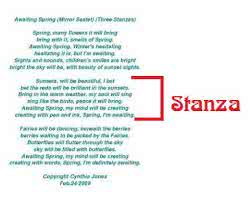
stanza

/ˈstæn.zə/

(noun) estrofe, quadra

Exemplo:

The poem consists of four stanzas, each with a distinct rhyme scheme.
O poema consiste em quatro estrofes, cada uma com um esquema de rima distinto.

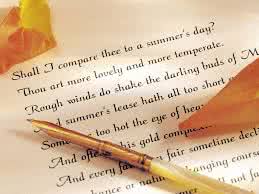
sonnet

/ˈsɑː.nɪt/

(noun) soneto

Exemplo:

Shakespeare wrote many famous sonnets.
Shakespeare escreveu muitos sonetos famosos.

ballad

/ˈbæl.əd/

(noun) balada, canção narrativa, canção romântica

Exemplo:
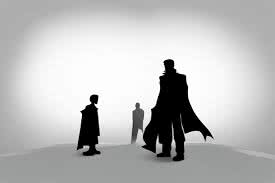
The folk singer performed a traditional ballad about a lost love.
O cantor folk interpretou uma balada tradicional sobre um amor perdido.

protagonist

/prəˈtæɡ.ən.ɪst/

(noun) protagonista, personagem principal, defensor

Exemplo:

The young wizard is the protagonist of the fantasy series.
O jovem bruxo é o protagonista da série de fantasia.

heroine

/ˈher.oʊ.ɪn/

(noun) heroína, personagem principal feminina

Exemplo:

She was hailed as a national heroine for her bravery.
Ela foi aclamada como uma heroína nacional por sua bravura.

allegory

/ˈæl.ə.ɡɔːr.i/

(noun) alegoria, parábola

Exemplo:

George Orwell's 'Animal Farm' is a famous allegory for the Russian Revolution.
'A Revolução dos Bichos' de George Orwell é uma famosa alegoria da Revolução Russa.

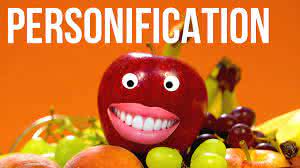
personification

/pɚˌsɑː.nə.fəˈkeɪ.ʃən/

(noun) personificação, encarnação

Exemplo:
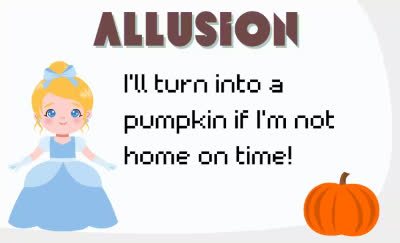
The wind whispered through the trees, a beautiful example of personification.
O vento sussurrava entre as árvores, um belo exemplo de personificação.

allusion

/əˈluː.ʒən/

(noun) alusão, referência indireta

Exemplo:
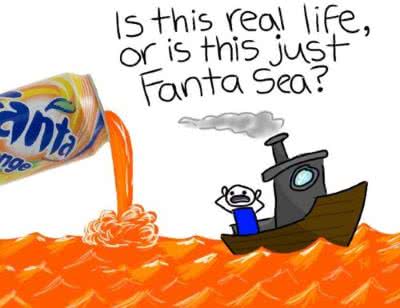
The poem contains an allusion to Greek mythology.
O poema contém uma alusão à mitologia grega.

pun

/pʌn/

(noun) trocadilho, jogo de palavras;

(verb) fazer trocadilhos, jogar com as palavras

Exemplo:
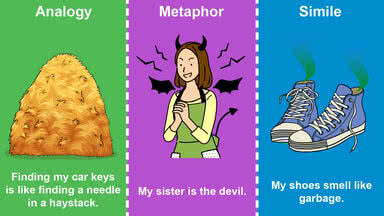
He made a clever pun about the baker, saying he kneaded the dough.
Ele fez um trocadilho inteligente sobre o padeiro, dizendo que ele amassava a massa.

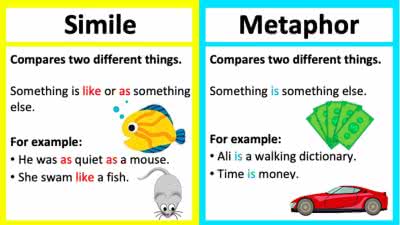
metaphor

/ˈmet̬.ə.fɔːr/

(noun) metáfora

Exemplo:

The phrase 'drowning in debt' is a common metaphor.
A frase 'afogando em dívidas' é uma metáfora comum.

simile

/ˈsɪm.ə.li/

(noun) símile, comparação

Exemplo:

The poet used a simile to describe the clouds as 'like cotton balls floating in the sky'.
O poeta usou um símile para descrever as nuvens como 'bolas de algodão flutuando no céu'.

irony

/ˈaɪ.rə.ni/

(noun) ironia, paradoxo

Exemplo:

The irony of the situation was that the fire station burned down.
A ironia da situação era que o quartel de bombeiros pegou fogo.

tone

/toʊn/

(noun) tom, timbre, atmosfera;

(verb) dar um tom, moderar, ajustar

Exemplo:

The singer's voice had a beautiful, clear tone.
A voz da cantora tinha um belo e claro tom.

canon

/ˈkæn.ən/

(noun) cânone, regra, princípio

Exemplo:
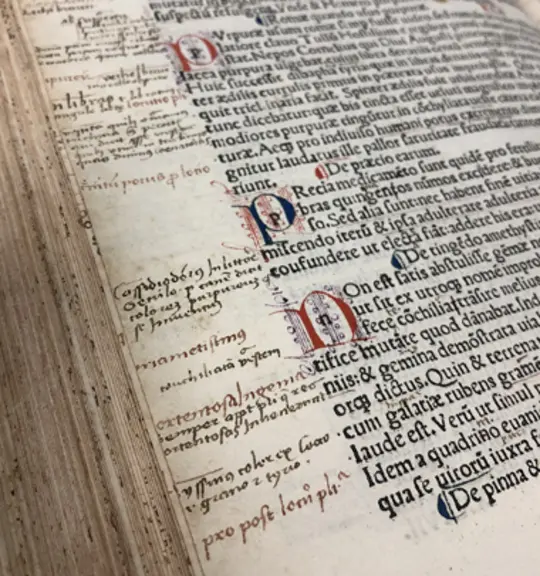
The decision was made according to the established canon of the organization.
A decisão foi tomada de acordo com o cânone estabelecido da organização.

marginalia

/ˌmɑːr.dʒɪˈneɪ.li.ə/

(plural noun) marginalia, notas marginais

Exemplo:

The scholar spent years studying the marginalia in the medieval manuscript.
O estudioso passou anos estudando as marginalia no manuscrito medieval.

memoir

/ˈmem.wɑːr/

(noun) memória, autobiografia

Exemplo:
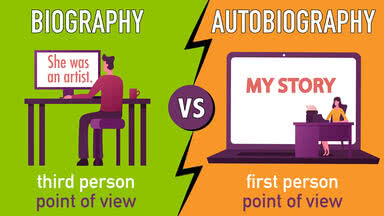
She published a memoir of her time as a war correspondent.
Ela publicou um memória de seu tempo como correspondente de guerra.

autobiography

/ˌɑː.t̬ə.baɪˈɑː.ɡrə.fi/

(noun) autobiografia

Exemplo:

She decided to write her autobiography after retiring from her long career.
Ela decidiu escrever sua autobiografia depois de se aposentar de sua longa carreira.

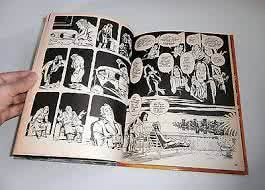
graphic novel

/ˈɡræf.ɪk ˌnɑːv.əl/

(noun) graphic novel, romance gráfico

Exemplo:
She spent the afternoon reading a new graphic novel.
Ela passou a tarde lendo uma nova graphic novel.

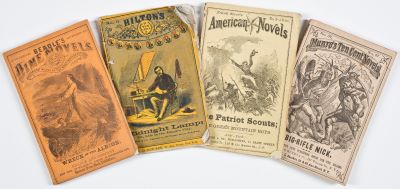
dime novel

/daɪm ˈnɑː.vəl/

(noun) romance de banca, romance de cordel

Exemplo:

In the late 19th century, many young people enjoyed reading a dime novel about the Wild West.
No final do século XIX, muitos jovens gostavam de ler um romance de cordel sobre o Velho Oeste.

backstory

/ˈbækˌstɔːr.i/

(noun) história de fundo, passado

Exemplo:

The author developed a detailed backstory for each character in the novel.
O autor desenvolveu uma história de fundo detalhada para cada personagem no romance.

anthology

/ænˈθɑː.lə.dʒi/

(noun) antologia, coletânea

Exemplo:

The professor assigned a new anthology of modern poetry.
O professor designou uma nova antologia de poesia moderna.

ghostwriter

/ˈɡoʊstˌraɪ.t̬ɚ/

(noun) ghostwriter, escritor fantasma

Exemplo:
Many celebrities hire a ghostwriter for their autobiographies.
Muitas celebridades contratam um ghostwriter para suas autobiografias.

manuscript

/ˈmæn.jə.skrɪpt/

(noun) manuscrito

Exemplo:

The ancient manuscript was carefully preserved in the museum.
O antigo manuscrito foi cuidadosamente preservado no museu.

scroll

/skroʊl/

(noun) pergaminho, rolo;

(verb) rolar, deslizar

Exemplo:
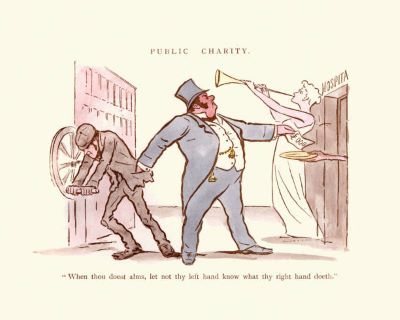
The ancient text was preserved on a delicate scroll.
O texto antigo foi preservado em um delicado pergaminho.

burlesque

/bɝːˈlesk/

(noun) burlesco, paródia, farsa;

(verb) parodiar, ridicularizar, zombar;

(adjective) burlesco, paródico, grotesco

Exemplo:
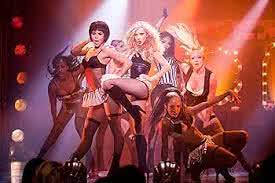
The play was a burlesque of Shakespearean tragedy.
A peça era uma paródia da tragédia shakespeariana.

satirical

/səˈtɪr.ɪ.kəl/

(adjective) satírico

Exemplo:

The magazine is known for its satirical look at current events.
A revista é conhecida por seu olhar satírico sobre os eventos atuais.

melodramatic

/ˌmel.ə.drəˈmæt̬.ɪk/

(adjective) melodramático, exagerado, dramático

Exemplo:

Her reaction to the spilled milk was a bit melodramatic.
A reação dela ao leite derramado foi um pouco melodramática.

excerpt

/ˈek.sɝːpt/

(noun) trecho, excerto, fragmento;

(verb) extrair, citar, selecionar

Exemplo:

She read an excerpt from her new novel.
Ela leu um trecho de seu novo romance.

fictionalize

/ˈfɪk.ʃən.əl.aɪz/

(verb) ficcionalizar, romancear

Exemplo:
The author decided to fictionalize the events of the war to protect the identities of those involved.
O autor decidiu ficcionalizar os eventos da guerra para proteger as identidades dos envolvidos.

glyph

/ɡlɪf/

(noun) glifo, hieróglifo, símbolo

Exemplo:
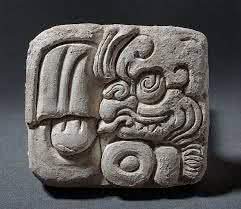
The ancient Mayan ruins were covered with intricate glyphs.
As antigas ruínas maias estavam cobertas de intrincados glifos.

interjection

/ˌɪn.t̬ɚˈdʒek.ʃən/

(noun) interjeição, exclamação

Exemplo:
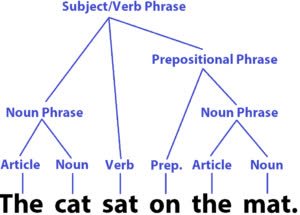
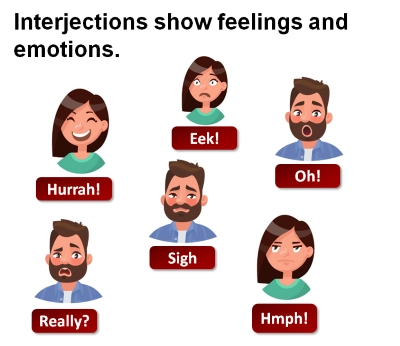
Ouch!” he cried, after hitting his thumb with a hammer.
Ai!” ele gritou, depois de bater o polegar com um martelo.

syntax

/ˈsɪn.tæks/

(noun) sintaxe

Exemplo:

The grammar checker identified an error in the sentence syntax.
O verificador gramatical identificou um erro na sintaxe da frase.

dialect

/ˈdaɪ.ə.lekt/

(noun) dialeto

Exemplo:

The local dialect is quite different from the standard language.
O dialeto local é bastante diferente da língua padrão.

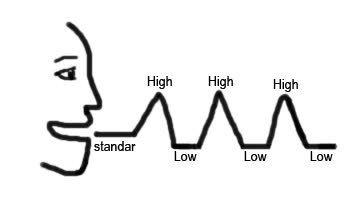
intonation

/ˌɪn.təˈneɪ.ʃən/

(noun) entonação

Exemplo:

Her voice had a peculiar intonation that made her sound foreign.
A voz dela tinha uma entonação peculiar que a fazia parecer estrangeira.

acronym

/ˈæk.rə.nɪm/

initialism

/ɪˈnɪʃ.ə.lɪz.əm/

(noun) sigla, inicialismo

Exemplo:

FBI is an initialism for Federal Bureau of Investigation.
FBI é uma sigla para Federal Bureau of Investigation.

etymology

/ˌet̬.ɪˈmɑː.lə.dʒi/

(noun) etimologia, origem das palavras

Exemplo:
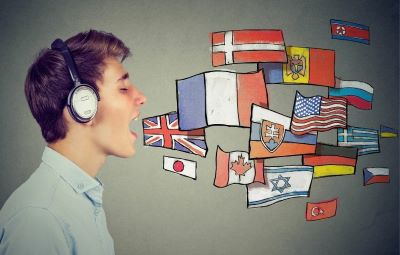
The etymology of the word 'hello' is quite interesting.
A etimologia da palavra 'olá' é bastante interessante.

linguist

/ˈlɪŋ.ɡwɪst/

(noun) linguista, poliglota

Exemplo:

The linguist analyzed the ancient text.
O linguista analisou o texto antigo.

mythology

/mɪˈθɑː.lə.dʒi/

(noun) mitologia, estudo de mitos

Exemplo:
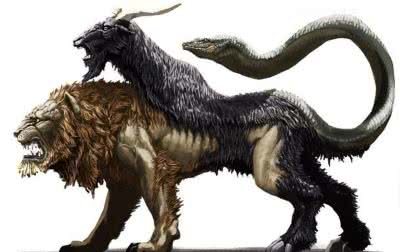
Greek mythology is rich with gods, goddesses, and heroes.
A mitologia grega é rica em deuses, deusas e heróis.

chimera

/kaɪˈmer.ə, kaɪˈmɪr.ə/

(noun) quimera, monstro mítico, ilusão

Exemplo:
The ancient Greek myth tells of a hero who defeated the fearsome chimera.
O antigo mito grego conta sobre um herói que derrotou a temível quimera.

basilisk

/ˈbæz.ə.lɪsk/

(noun) basilisco, basilisco (lagarto)

Exemplo:
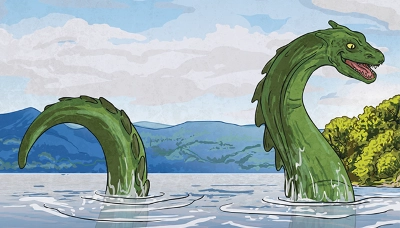
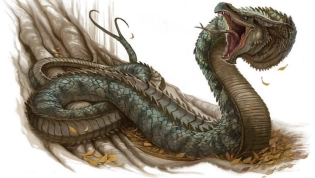
In the story, the hero must avoid the basilisk's deadly stare.
Na história, o herói deve evitar o olhar mortal do basilisco.

folklore

/ˈfoʊk.lɔːr/

(noun) folclore, tradições populares

Exemplo:

The island is rich in local folklore and ancient legends.
A ilha é rica em folclore local e lendas antigas.

custom

/ˈkʌs.təm/

(noun) costume, hábito, tradição;

(adjective) sob medida, personalizado

Exemplo:

It is a local custom to greet visitors with a cup of tea.
É um costume local cumprimentar os visitantes com uma xícara de chá.

lore

/lɔːr/

(noun) tradição, folclore, conhecimento

Exemplo:

The ancient lore of the forest spoke of mythical creatures.
A antiga tradição da floresta falava de criaturas míticas.

elegy

/ˈel.ə.dʒi/

(noun) elegia, lamento

Exemplo:

He wrote an elegy for his deceased friend.
Ele escreveu uma elegia para seu amigo falecido.

heritage

/ˈher.ɪ.t̬ɪdʒ/

(noun) herança, legado, patrimônio

Exemplo:
The old house was part of her family's heritage.
A casa antiga fazia parte da herança de sua família.

subculture

/ˈsʌbˌkʌl.tʃɚ/

(noun) subcultura

Exemplo:

The punk subculture emerged in the 1970s.
A subcultura punk surgiu na década de 1970.

rebirth

/ˌriːˈbɝːθ/

(noun) renascimento, renascença

Exemplo:

Spring is a time of rebirth for nature.
A primavera é um tempo de renascimento para a natureza.

time-honored

/ˈtaɪmˌɑnərd/

(adjective) honrado pelo tempo, tradicional, antigo

Exemplo:

The company follows a time-honored tradition of quality craftsmanship.
A empresa segue uma tradição honrada pelo tempo de artesanato de qualidade.
Aprender este conjunto de vocabulário no Lingoland