レベルC2 内 音楽 語彙セット:完全かつ詳細なリスト
「レベルC2」内の「音楽」語彙セットは国際標準教材から厳選され、短期間で語彙をマスターできます。定義、例文、標準発音を網羅…
Lingolandでこの語彙セットを学習
今すぐ学習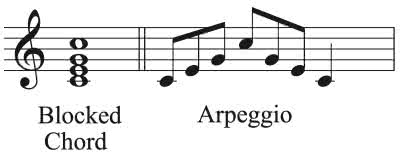
/ɑːrˈpedʒ.i.oʊ/
(noun) アルペジオ
例:
The pianist played a beautiful arpeggio across the keys.
ピアニストは鍵盤上で美しいアルペジオを弾いた。
/ˌeɪ.toʊˈnæl.ə.ti/
(noun) 無調性
例:
Schoenberg's early works explored the concept of atonality.
シェーンベルクの初期の作品は無調性の概念を探求した。
/ˈkaʊn.t̬ɚ.pɔɪnt/
(noun) 対位法, 対照, 対比;
(verb) 対照をなす, 対比させる
例:
Bach's fugues are masterpieces of counterpoint.
バッハのフーガは対位法の傑作だ。
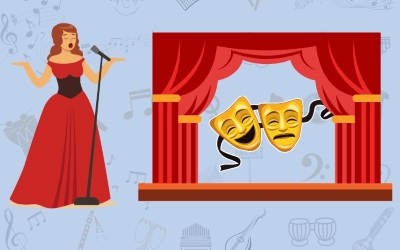
/lɪˈbret̬.oʊ/
(noun) 台本, リブレット
例:
The composer collaborated with a poet to write the libretto for the new opera.
作曲家は詩人と協力して、新作オペラの台本を書いた。
/renˈdɪʃ.ən/
(noun) 演奏, 解釈, 描写
例:
Her rendition of the classic song was breathtaking.
彼女のクラシック曲の演奏は息をのむほどだった。

/ˈvɪd.i.oʊ ˌdʒɑː.ki/
(noun) ビデオジョッキー, VJ
例:
The video jockey announced the next hit song.
ビデオジョッキーが次のヒット曲を発表した。
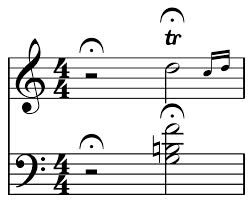
/kəˈden.zə/
(noun) カデンツァ
例:
The pianist performed a brilliant cadenza in the final movement of the concerto.
ピアニストは協奏曲の最終楽章で素晴らしいカデンツァを演奏した。
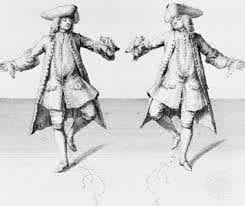
/ʃəˈkɑːn/
(noun) シャコンヌ
例:
Bach's Chaconne from the Partita in D minor is a masterpiece for solo violin.
バッハのニ短調パルティータからのシャコンヌは、ソロヴァイオリンのための傑作です。
/ˈræp.sə.di/
(noun) 熱烈な賛辞, 熱狂的な表現, 狂詩曲
例:
He launched into a rhapsody about the beauty of the mountains.
彼は山の美しさについて熱烈な賛辞を述べ始めた。
/ˈrep.ɚ.twɑːr/
(noun) レパートリー, 演目, 範囲
例:
The opera singer has an impressive repertoire of arias.
そのオペラ歌手はアリアの素晴らしいレパートリーを持っている。

/ˈtreb.əl/
(noun) 高音, ソプラノ, トリプル;
(verb) 3倍にする, 3倍に増やす;
(adjective) 三倍の, 三つの部分からなる
例:
The choir's treble section sang beautifully.
合唱団の高音部は美しく歌った。
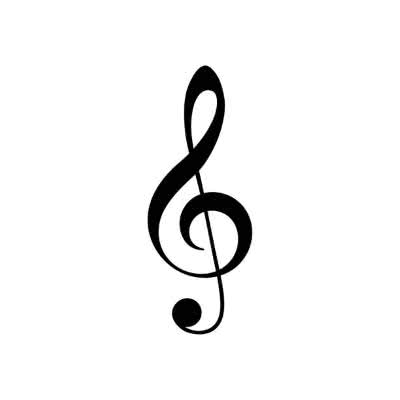
/klef/
(noun) 音部記号
例:
The treble clef is used for higher-pitched instruments.
ト音記号は高音の楽器に使われます。
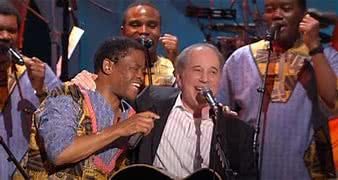
/ˈkrɑːs.oʊ.vɚ/
(noun) 交差点, 横断, クロスオーバー;
(verb) 移行する, 横断する
例:
The pedestrian used the designated crossover to get to the other side of the road.
歩行者は道路の反対側に行くために指定された横断歩道を利用した。
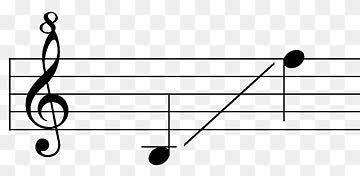
/ˈsɑːl.feʒ/
(noun) ソルフェージュ, 視唱
例:
Students learn to read music through solfège exercises.
学生はソルフェージュの練習を通して楽譜を読むことを学びます。
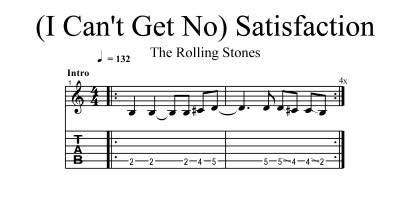
/rɪf/
(noun) リフ, 即興のコメント, 冗談;
(verb) リフを演奏する, 即興でコメントする
例:
The guitarist played a catchy riff throughout the song.
ギタリストは曲全体を通してキャッチーなリフを演奏した。
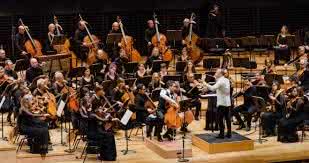
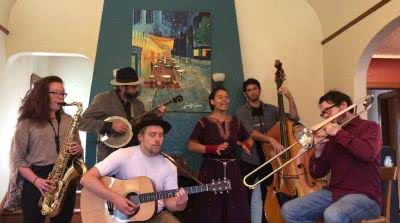
/ˌɑːnˈsɑːm.bəl/
(noun) アンサンブル, グループ, 服装
例:
The jazz ensemble played a captivating melody.
ジャズアンサンブルは魅惑的なメロディーを演奏した。
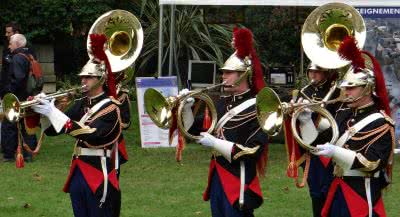
/ˈfæn.fer/
(noun) ファンファーレ, 祝典音楽, 宣伝
例:
The arrival of the queen was announced with a loud fanfare.
女王の到着は大きなファンファーレで告げられた。
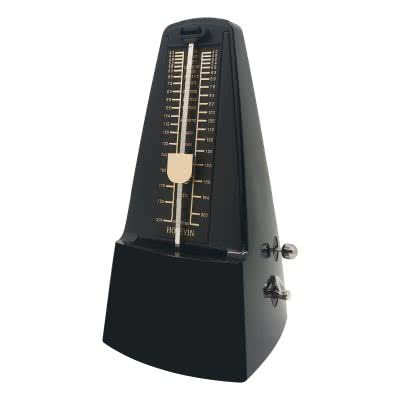
/ˈmet.rə.noʊm/
(noun) メトロノーム
例:
The pianist used a metronome to keep a steady tempo.
ピアニストは一定のテンポを保つためにメトロノームを使った。
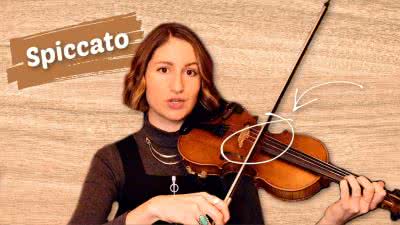
/spɪˈkɑːtoʊ/
(noun) スピッカート;
(adverb) スピッカートで
例:
The violinist performed the passage with a brilliant spiccato.
ヴァイオリニストは華麗なスピッカートでそのパッセージを演奏した。
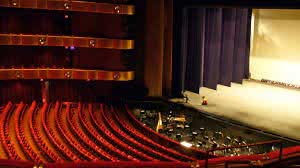
/ˈɔːr.kɪ.strə pɪt/
(noun) オーケストラピット, 楽団席
例:
The conductor stood in the orchestra pit, ready to begin the opera.
指揮者はオペラを始める準備をして、オーケストラピットに立っていた。
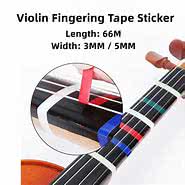
/ˈfɪŋ.ɡɚ.ɪŋ/
(noun) 指で触ること, 触診, 運指;
(verb) 指で触る, 触る
例:
He was caught fingering the merchandise.
彼は商品を指で触っているところを捕まった。
/ˈjuː.fə.ni/
(noun) 音の響き, 耳に心地よい音
例:
The poet carefully chose words for their euphony and rhythm.
詩人は音の響きとリズムのために言葉を慎重に選んだ。
/ˌvɝː.tʃuˈoʊ.soʊ/
(noun) 名手, 巨匠, 達人;
(adjective) 名人芸の, 巧みな
例:
He is a piano virtuoso, capable of playing the most complex pieces with ease.
彼はピアノの名手で、最も複雑な曲も簡単に弾きこなす。
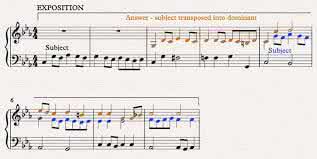
/fjuːɡ/
(noun) フーガ, 解離性遁走
例:
Bach's 'Toccata and Fugue in D minor' is a masterpiece of classical music.
バッハの「トッカータとフーガニ短調」はクラシック音楽の傑作です。
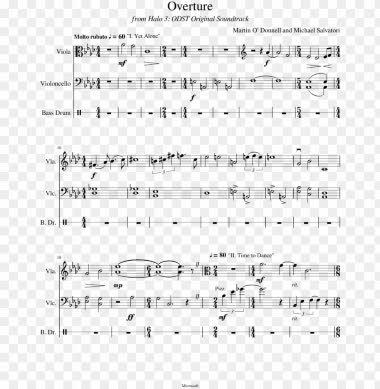
/ˈoʊ.vɚ.tʃɚ/
(noun) 序曲, 序章, 前触れ
例:
The opera began with a dramatic overture.
オペラは劇的な序曲で始まった。
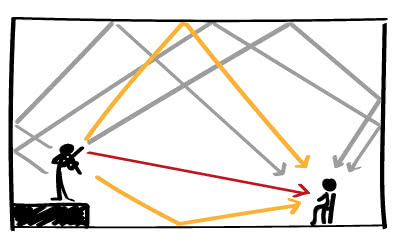
/rɪˌvɝː.bəˈreɪ.ʃən/
(noun) 反響, 残響, 影響
例:
The reverberation of the thunder filled the valley.
雷の反響が谷に響き渡った。