Insieme di vocabolario Partecipazione e intervento in Comportamento, atteggiamento e approccio: Lista completa e dettagliata
L'insieme di vocabolario 'Partecipazione e intervento' in 'Comportamento, atteggiamento e approccio' è selezionato con cura da fonti di testi standard internazionali, aiutandoti a padroneggiare il vocabolario in breve tempo. Compilazione completa di definizioni, esempi illustrativi e pronuncia standard...
Impara questo insieme di vocabolario su Lingoland
Impara ora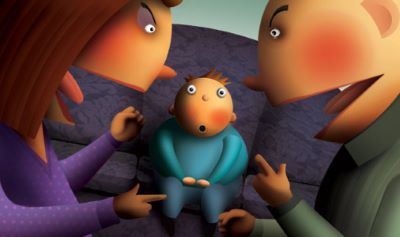
/ˈlɪt.əl ˈpɪtʃ.ərz hæv bɪɡ ɪrz/
(idiom) anche i piccoli hanno le orecchie lunghe
Esempio:
Be careful what you say about the neighbors; little pitchers have big ears.
Fai attenzione a quello che dici sui vicini; anche i piccoli hanno le orecchie lunghe.
the day has eyes, the night has ears
/ðə deɪ hæz aɪz, ðə naɪt hæz ɪrz/
(idiom) il giorno ha gli occhi, la notte ha le orecchie
Esempio:
Be careful what you say in this house; the day has eyes, the night has ears.
Fai attenzione a quello che dici in questa casa; il giorno ha gli occhi e la notte ha le orecchie.
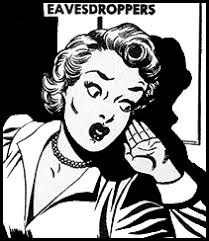
eavesdroppers never hear any good of themselves
/ˈivzˌdrɑpərz ˈnɛvər hir ˈɛni ɡʊd əv ðɛmˈsɛlvz/
(idiom) chi ascolta dietro le porte sente le proprie scorte
Esempio:
I overheard them calling me lazy, but I guess eavesdroppers never hear any good of themselves.
Li ho sentiti dire che sono pigro, ma immagino che chi ascolta dietro le porte sente le proprie scorte.

/ˈev.ri mæn tuː hɪz treɪd/
(idiom) a ciascuno il suo mestiere, offellee fa el to mestee
Esempio:
I shouldn't try to fix the plumbing myself; every man to his trade.
Non dovrei provare a riparare l'impianto idraulico da solo; a ciascuno il suo mestiere.

let every fox take care of his own tail
/lɛt ˈɛvri fɑks teɪk kɛr ʌv hɪz oʊn teɪl/
(idiom) ognuno pensi per sé, ciascuno badi a se stesso
Esempio:
In this competitive industry, it's often a case of let every fox take care of his own tail.
In questo settore competitivo, spesso vale il detto ognuno pensi per sé.

/swiːp bɪˈfɔːr jʊər oʊn dɔːr/
(idiom) pensare ai propri difetti, guardare in casa propria
Esempio:
You should sweep before your own door before you start pointing out my mistakes.
Dovresti pensare ai fatti tuoi prima di iniziare a sottolineare i miei errori.

/wɔːlz hæv ɪrz/
(idiom) i muri hanno le orecchie
Esempio:
Be quiet and don't mention his name here; walls have ears.
Fai silenzio e non fare il suo nome qui; i muri hanno le orecchie.