Avatar of Vocabulary Set Azioni

Insieme di vocabolario Azioni in Vocabolario comune: Lista completa e dettagliata

L'insieme di vocabolario 'Azioni' in 'Vocabolario comune' è selezionato con cura da fonti di testi standard internazionali, aiutandoti a padroneggiare il vocabolario in breve tempo. Compilazione completa di definizioni, esempi illustrativi e pronuncia standard...

Impara questo insieme di vocabolario su Lingoland

Impara ora
march

/mɑːrtʃ/

(verb) marciare, camminare, entrare;

(noun) marcia, sfilata, marzo

Esempio:
The soldiers marched in perfect formation.
I soldati marciarono in formazione perfetta.

walk

/wɑːk/

(verb) camminare, passeggiare, portare a spasso;

(noun) passeggiata, camminata

Esempio:
She likes to walk in the park every morning.
Le piace camminare nel parco ogni mattina.

crawl

/krɑːl/

(verb) gattonare, strisciare, procedere a rilento;

(noun) passo di lumaca, progressione lenta

Esempio:
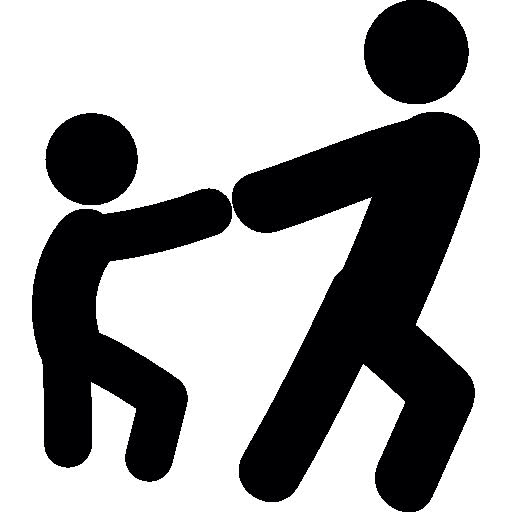
The baby learned to crawl before walking.
Il bambino ha imparato a gattonare prima di camminare.

drag

/dræɡ/

(verb) trascinare, tirare, trascinarsi;

(noun) trascinamento, resistenza, travestimento

Esempio:
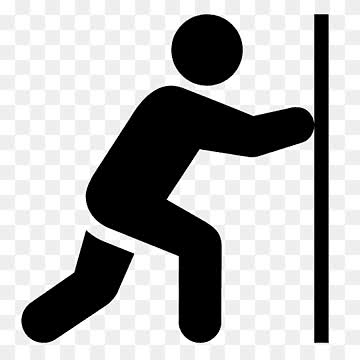
She had to drag the heavy suitcase up the stairs.
Ha dovuto trascinare la pesante valigia su per le scale.

push

/pʊʃ/

(verb) spingere, farsi strada, spingere per;

(noun) spinta, sforzo

Esempio:
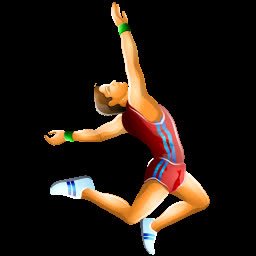
She tried to push the heavy door open.
Ha cercato di spingere la porta pesante per aprirla.

jump

/dʒʌmp/

(verb) saltare, balzare, aumentare bruscamente;

(noun) salto, balzo

Esempio:
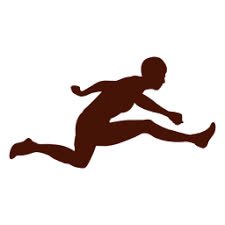
The cat jumped onto the table.
Il gatto è saltato sul tavolo.

leap

/liːp/

(verb) saltare, balzare, muoversi rapidamente;

(noun) salto, balzo

Esempio:
The deer leaped over the fence.
Il cervo saltò oltre la recinzione.

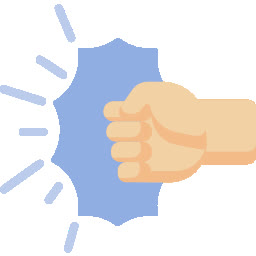
hit

/hɪt/

(verb) colpire, battere, danneggiare;

(noun) colpo, battuta, successo

Esempio:
He accidentally hit his thumb with a hammer.
Ha accidentalmente colpito il pollice con un martello.

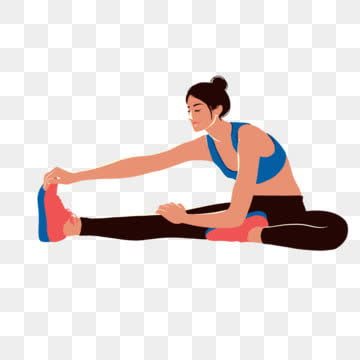
stretch

/stretʃ/

(verb) stirare, allungare, tendere;

(noun) stiramento, allungamento, tratto

Esempio:
She woke up and began to stretch her arms above her head.
Si svegliò e cominciò a stirare le braccia sopra la testa.

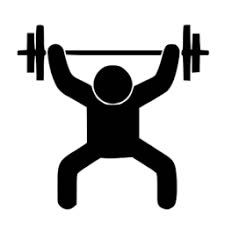
lift

/lɪft/

(verb) sollevare, alzare, revocare;

(noun) ascensore, sollevatore, passaggio

Esempio:
She helped him lift the heavy box.
Lo ha aiutato a sollevare la scatola pesante.

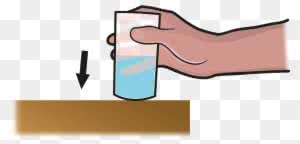
put down

/pʊt daʊn/

(phrasal verb) mettere giù, posare, sminuire

Esempio:
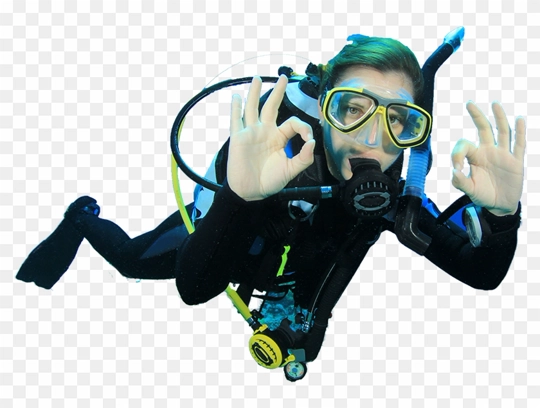
Please put down your bags here.
Per favore, metti giù le tue borse qui.

dive

/daɪv/

(verb) tuffarsi, immergersi, lanciarsi;

(noun) tuffo, immersione, calo

Esempio:
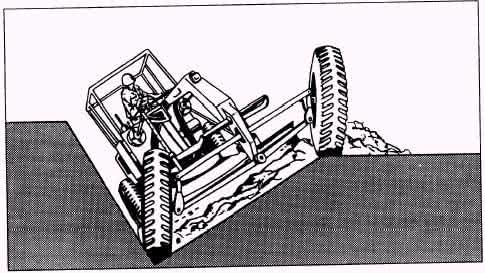
He took a deep breath and dived into the pool.
Prese un respiro profondo e si tuffò in piscina.

lean

/liːn/

(verb) chinarsi, appoggiarsi, appoggiarsi a;

(adjective) snello, magro, difficile

Esempio:
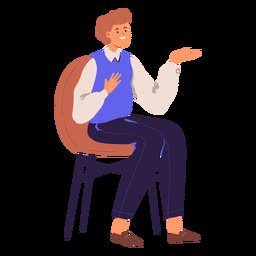
He had to lean forward to hear what she was saying.
Ha dovuto chinarsi in avanti per sentire cosa stava dicendo.

sit

/sɪt/

(verb) sedersi, stare seduto, essere membro;

(noun) seduta, stare seduto

Esempio:
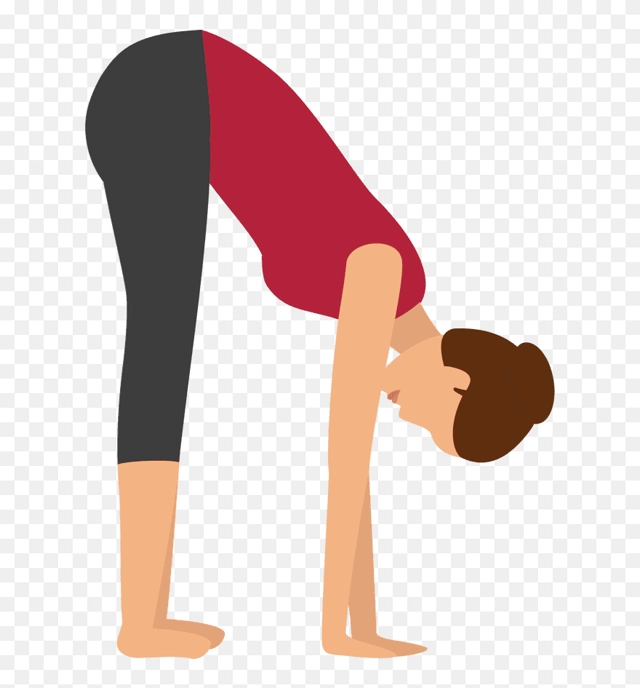
Please sit down.
Per favore, siediti.

bend

/bend/

(verb) piegare, curvare, piegarsi;

(noun) curva, piega

Esempio:
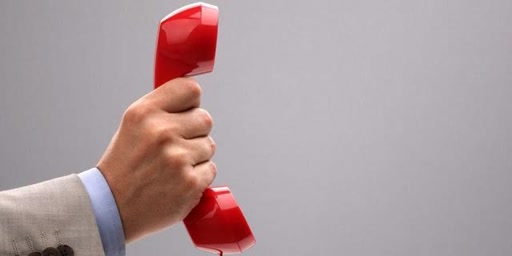
He tried to bend the metal rod.
Ha provato a piegare la barra di metallo.

hold

/hoʊld/

(verb) tenere, reggere, trattenere;

(noun) presa, stretta, attesa

Esempio:
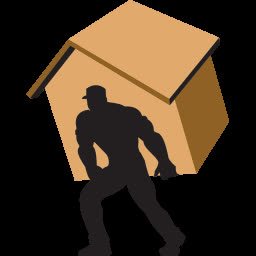
Can you hold this for a moment?
Puoi tenere questo per un momento?

carry

/ˈker.i/

(verb) portare, trasportare, possedere;

(noun) portata, gittata

Esempio:
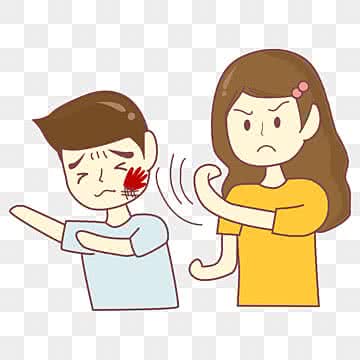
She helped him carry the heavy box.
Lo ha aiutato a portare la scatola pesante.

slap

/slæp/

(noun) schiaffo, sberla;

(verb) schiaffeggiare, dare uno schiaffo, sbattere;

(adverb) dritto, direttamente

Esempio:
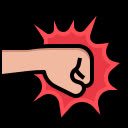
She gave him a hard slap across the face.
Gli diede un forte schiaffo in faccia.

punch

/pʌntʃ/

(noun) pugno, colpo, perforatrice;

(verb) colpire, dare un pugno, perforare

Esempio:
He delivered a powerful punch to his opponent's jaw.
Ha sferrato un potente pugno alla mascella del suo avversario.

kick

/kɪk/

(verb) calciare, calcio, smettere;

(noun) calcio, spinta, piacere

Esempio:
He tried to kick the ball into the goal.
Ha provato a calciare la palla in porta.

catch

/kætʃ/

(verb) prendere, catturare, cogliere;

(noun) prendi, gioco della palla, fregatura

Esempio:
She managed to catch the ball with one hand.
È riuscita a prendere la palla con una mano.

throw

/θroʊ/

(verb) lanciare, gettare, far cadere;

(noun) lancio, getto, plaid

Esempio:
He decided to throw the ball to his dog.
Ha deciso di lanciare la palla al suo cane.

pull

/pʊl/

(verb) tirare, trainare, rimuovere;

(noun) tirata, strattone, influenza

Esempio:
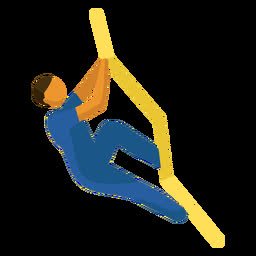
She tried to pull the heavy door open.
Ha cercato di tirare la porta pesante per aprirla.

climb

/klaɪm/

(verb) arrampicarsi, salire, salire con fatica;

(noun) scalata, salita

Esempio:
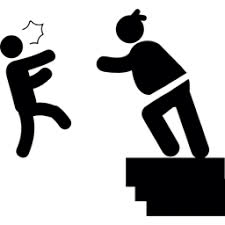
We watched the children climb the tree.
Abbiamo guardato i bambini arrampicarsi sull'albero.

fall

/fɑːl/

(verb) cadere, diminuire, scendere;

(noun) caduta, crollo, autunno

Esempio:
The apple fell from the tree.
La mela è caduta dall'albero.

point

/pɔɪnt/

(noun) punta, estremità, punto;

(verb) indicare, puntare, mirare

Esempio:
The point of the knife was very sharp.
La punta del coltello era molto affilata.

rake up

/reɪk ʌp/

(phrasal verb) tirare fuori, rimestare

Esempio:
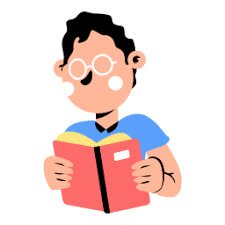
Why do you always have to rake up old arguments?
Perché devi sempre tirare fuori vecchie discussioni?

read

/riːd/

(verb) leggere, interpretare, comprendere;

(noun) lettura

Esempio:
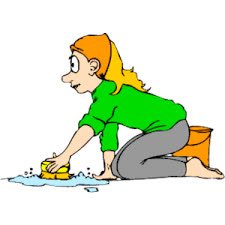
She loves to read books in her free time.
Le piace leggere libri nel suo tempo libero.

scrub

/skrʌb/

(verb) strofinare, spazzolare, annullare;

(noun) strofinata, pulizia, macchia;

(adjective) insignificante, inferiore

Esempio:

She had to scrub the floor until it shone.
Ha dovuto strofinare il pavimento finché non ha brillato.

set

/set/

(verb) mettere, posizionare, apparecchiare;

(noun) set, serie, posizione;

(adjective) stabilito, fisso

Esempio:
She set the book on the table.
Ha messo il libro sul tavolo.

skip

/skɪp/

(verb) saltellare, saltare, omettere;

(noun) saltello, salto, omissione

Esempio:
The children were skipping happily down the street.
I bambini saltellavano felici per la strada.

sew

/soʊ/

(verb) cucire

Esempio:

She learned to sew her own clothes.
Ha imparato a cucire i suoi vestiti.

pat

/pæt/

(verb) accarezzare, battere;

(noun) pacca, carezza, noce;

(adjective) preconfezionato, appropriato;

(adverb) perfettamente, a proposito

Esempio:
She patted the dog on its head.
Ha accarezzato il cane sulla testa.

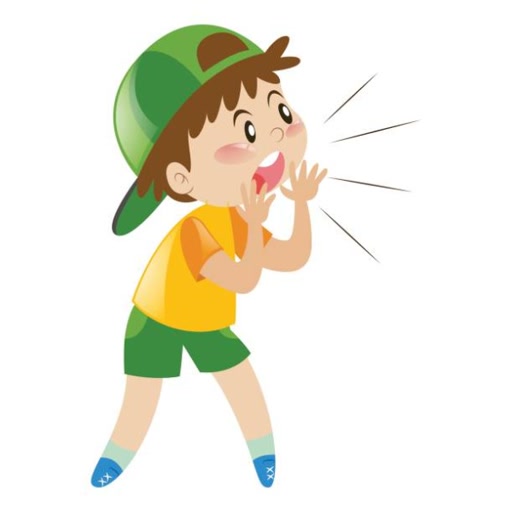
shout

/ʃaʊt/

(verb) gridare, urlare;

(noun) grido, urlo

Esempio:

She had to shout to be heard over the music.
Ha dovuto gridare per farsi sentire sopra la musica.

tickle

/ˈtɪk.əl/

(verb) solleticare, divertire, piacere;

(noun) solletico, prurito

Esempio:

She tried to tickle her baby's feet.
Ha provato a solleticare i piedi del suo bambino.

tell

/tel/

(verb) dire, raccontare, distinguere;

(noun) segno, indizio

Esempio:

Can you tell me your name?
Puoi dirmi il tuo nome?

stand

/stænd/

(verb) stare in piedi, alzarsi, mettere in piedi;

(noun) supporto, piedistallo, posizione

Esempio:
Please stand when the judge enters.
Per favore, alzati quando entra il giudice.

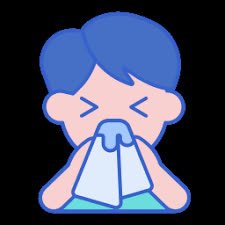
sneeze

/sniːz/

(verb) starnutire;

(noun) starnuto

Esempio:
The dust made her sneeze.
La polvere la fece starnutire.

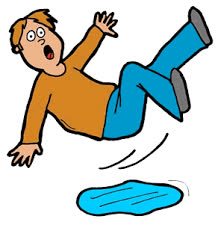
slip

/slɪp/

(verb) scivolare, slittare, sgattaiolare;

(noun) errore, lapsus, scontrino

Esempio:
Be careful not to slip on the wet floor.
Fai attenzione a non scivolare sul pavimento bagnato.

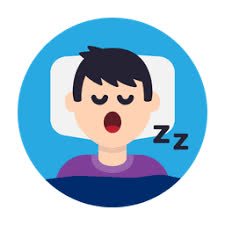
sleep

/sliːp/

(noun) sonno;

(verb) dormire

Esempio:
I need to get more sleep.
Ho bisogno di più sonno.

sing

/sɪŋ/

(verb) cantare, cinguettare, fischiare

Esempio:

She loves to sing in the shower.
Le piace cantare sotto la doccia.
Impara questo insieme di vocabolario su Lingoland