Avatar of Vocabulary Set 动作

词汇集 动作(属于 常用词汇):完整且详细的清单

词汇集「动作」(属于「常用词汇」)从国际标准教材来源精心挑选,帮助您在短时间内掌握词汇。全面汇整定义、例句及标准发音…

在 Lingoland 学习此词汇集

立即学习
march

/mɑːrtʃ/

(verb) 行进, 前进, 大步走;

(noun) 行进, 游行, 三月

示例:
The soldiers marched in perfect formation.
士兵们排着整齐的队伍行进

walk

/wɑːk/

(verb) 走, 步行, 遛;

(noun) 散步, 步行

示例:

She likes to walk in the park every morning.
她喜欢每天早上在公园里散步

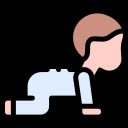
crawl

/krɑːl/

(verb) 爬行, 匍匐, 缓慢移动;

(noun) 爬行, 缓慢进展

示例:
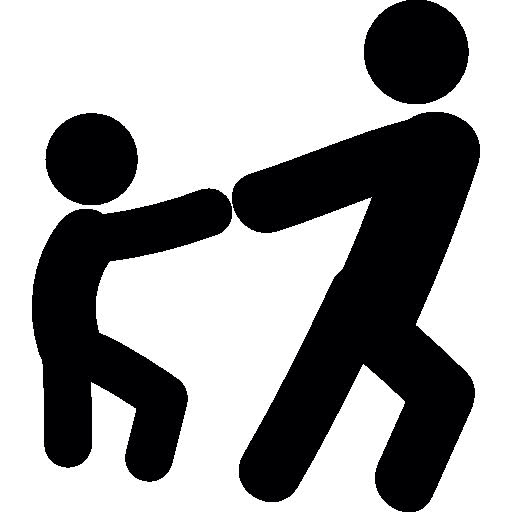
The baby learned to crawl before walking.
婴儿在走路之前学会了爬行

drag

/dræɡ/

(verb) 拖, 拉, 拖延;

(noun) 拖, 阻力, 变装

示例:
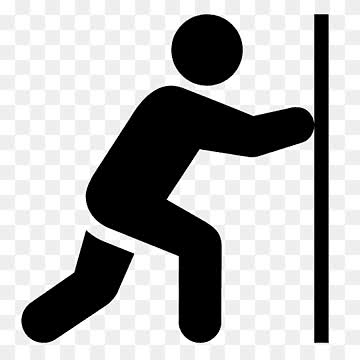
She had to drag the heavy suitcase up the stairs.
她不得不拖着沉重的行李箱上楼。

push

/pʊʃ/

(verb) 推, 挤, 推动;

(noun) 推, 推动, 努力

示例:
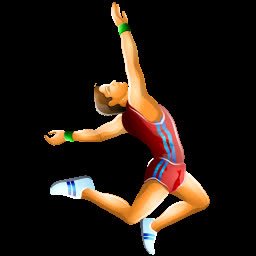
She tried to push the heavy door open.
她试图推开那扇沉重的门。

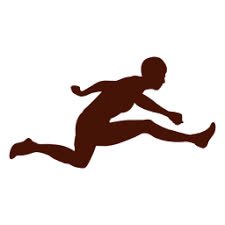
jump

/dʒʌmp/

(verb) 跳, 跳跃, 猛地移动;

(noun) 跳, 跳跃, 猛增

示例:

The cat jumped onto the table.
到了桌子上。

leap

/liːp/

(verb) 跳, 跃, 迅速移动;

(noun) 跳跃, 飞跃

示例:

The deer leaped over the fence.
鹿跳过了栅栏。

hit

/hɪt/

(verb) 打, 击中, 打击;

(noun) 击打, 打击, 热门

示例:
He accidentally hit his thumb with a hammer.
他不小心用锤子砸到了拇指。

stretch

/stretʃ/

(verb) 伸展, 拉伸, 伸长;

(noun) 伸展, 拉伸, 一段

示例:
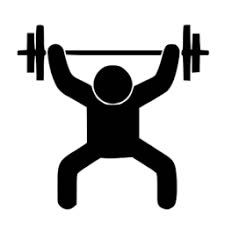
She woke up and began to stretch her arms above her head.
她醒来后开始把手臂伸展到头顶上方。

lift

/lɪft/

(verb) 举起, 抬起, 解除;

(noun) 电梯, 升降机, 搭便车

示例:
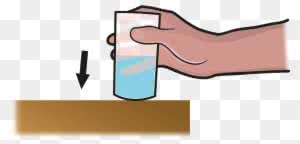
She helped him lift the heavy box.
她帮他抬起了那个沉重的箱子。

put down

/pʊt daʊn/

(phrasal verb) 放下, 搁下, 贬低

示例:

Please put down your bags here.
请把你的包放下

dive

/daɪv/

(verb) 跳水, 潜水, 俯冲;

(noun) 跳水, 潜水, 暴跌

示例:
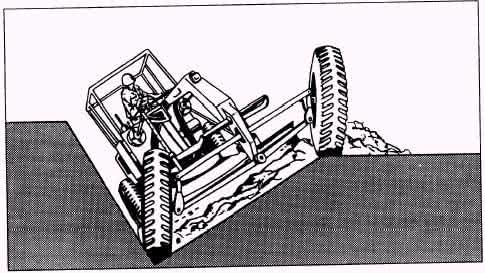
He took a deep breath and dived into the pool.
他深吸一口气,跳入了泳池。

lean

/liːn/

(verb) 倾斜, 倚靠, 依靠;

(adjective) 瘦, 苗条, 艰难

示例:
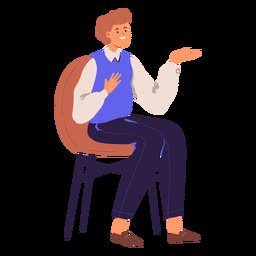
He had to lean forward to hear what she was saying.
他不得不向前倾才能听到她在说什么。

sit

/sɪt/

(verb) 坐, 坐下, 担任;

(noun) 坐, 坐姿

示例:

Please sit down.
下。

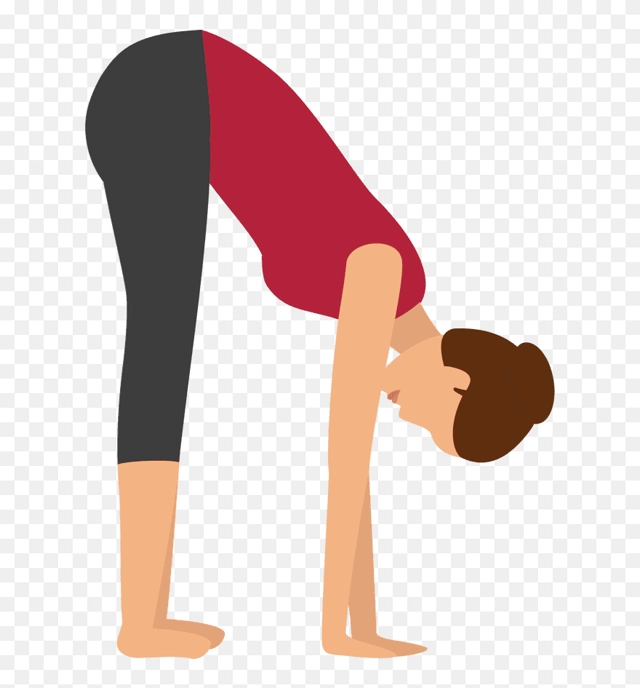
bend

/bend/

(verb) 弯曲, 弄弯, 屈服;

(noun) 弯道, 弯曲处

示例:

He tried to bend the metal rod.
他试图弯曲金属棒。

hold

/hoʊld/

(verb) 握住, 拿着, 抱住;

(noun) 抓握, 控制, 等待

示例:

Can you hold this for a moment?
你能一下这个吗?

carry

/ˈker.i/

(verb) 携带, 搬运, 具有;

(noun) 射程, 飞行距离

示例:
She helped him carry the heavy box.
她帮他搬运那个沉重的箱子。

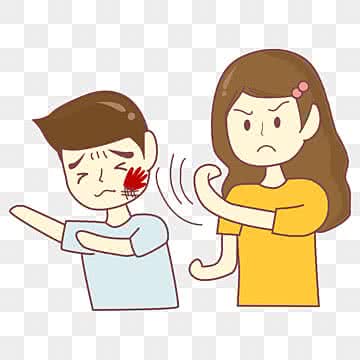
slap

/slæp/

(noun) 巴掌, 拍打;

(verb) 拍打, 掴, 猛地放下;

(adverb) 直接, 径直

示例:
She gave him a hard slap across the face.
她狠狠地了他一巴掌。

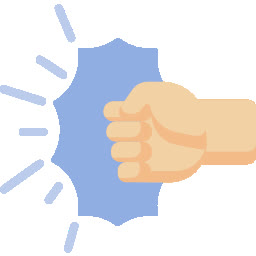
punch

/pʌntʃ/

(noun) 拳, 一拳, 打孔机;

(verb) 打, 拳击, 打孔

示例:
He delivered a powerful punch to his opponent's jaw.
他向对手的下巴打出了一记重

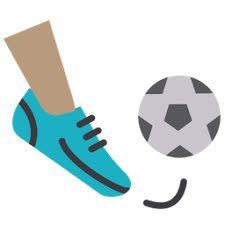
kick

/kɪk/

(verb) 踢, 踢腿, 戒掉;

(noun) 踢, 踢腿, 刺激

示例:
He tried to kick the ball into the goal.
他试图把球进球门。

catch

/kætʃ/

(verb) 抓住, 接住, 抓到;

(noun) 接球, 接球游戏, 陷阱

示例:
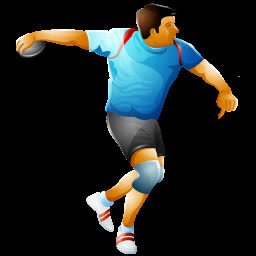
She managed to catch the ball with one hand.
她设法用一只手抓住了球。

throw

/θroʊ/

(verb) 扔, 投掷, 使倒下;

(noun) 投掷, 抛, 毯子

示例:
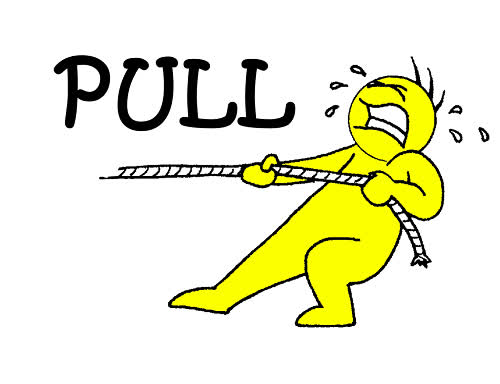
He decided to throw the ball to his dog.
他决定把球扔给他的狗。

pull

/pʊl/

(verb) 拉, 拖, 拔出;

(noun) 拉, 牵引, 影响力

示例:
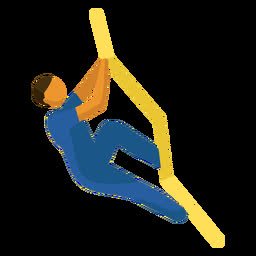
She tried to pull the heavy door open.
她试图拉开那扇沉重的门。

climb

/klaɪm/

(verb) 爬, 攀登, 艰难地爬;

(noun) 攀登, 爬升

示例:
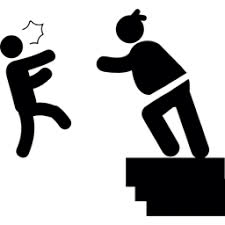
We watched the children climb the tree.
我们看着孩子们树。

fall

/fɑːl/

(verb) 落下, 跌倒, 下降;

(noun) 跌落, 倒塌, 秋天

示例:

The apple fell from the tree.
苹果从树上掉了下来。

point

/pɔɪnt/

(noun) 尖端, 点, 地点;

(verb) 指, 指出, 对准

示例:
The point of the knife was very sharp.
刀的尖端非常锋利。

rake up

/reɪk ʌp/

(phrasal verb) 旧事重提, 揭露

示例:

Why do you always have to rake up old arguments?
你为什么总是要旧事重提

read

/riːd/

(verb) 读, 阅读, 理解;

(noun) 阅读, 读物

示例:

She loves to read books in her free time.
她喜欢在空闲时间阅读书籍。

scrub

/skrʌb/

(verb) 擦洗, 刷洗, 取消;

(noun) 擦洗, 刷洗, 灌木丛;

(adjective) 不起眼, 不重要

示例:

She had to scrub the floor until it shone.
她不得不擦洗地板直到它发亮。

set

/set/

(verb) 放置, 摆放, 准备;

(noun) 一套, 一组, 姿态;

(adjective) 确定, 固定

示例:
She set the book on the table.
她把书在桌子上。

skip

/skɪp/

(verb) 跳跃, 蹦跳, 跳过;

(noun) 跳跃, 轻快步伐, 跳过

示例:
The children were skipping happily down the street.
孩子们正高兴地在街上跳跃

sew

/soʊ/

(verb) 缝, 缝纫

示例:

She learned to sew her own clothes.
她学会了缝制自己的衣服。

pat

/pæt/

(verb) 轻拍, 抚摸;

(noun) 轻拍, 抚摸, 小块;

(adjective) 现成, 恰当;

(adverb) 恰好, 恰当

示例:
She patted the dog on its head.
轻拍狗的头。

shout

/ʃaʊt/

(verb) 喊叫, 大喊;

(noun) 喊声, 叫喊

示例:

She had to shout to be heard over the music.
她不得不大喊才能让音乐声盖过。

tickle

/ˈtɪk.əl/

(verb) 挠, 搔痒, 逗乐;

(noun) 痒, 搔痒感

示例:

She tried to tickle her baby's feet.
她试图宝宝的脚。

tell

/tel/

(verb) 告诉, 说, 讲;

(noun) 破绽, 迹象

示例:

Can you tell me your name?
你能告诉我你的名字吗?

stand

/stænd/

(verb) 站立, 站着, 放置;

(noun) 支架, 架子, 立场

示例:

Please stand when the judge enters.
法官进来时请站起来

sneeze

/sniːz/

(verb) 打喷嚏;

(noun) 喷嚏

示例:

The dust made her sneeze.
灰尘让她打喷嚏

slip

/slɪp/

(verb) 滑倒, 打滑, 溜走;

(noun) 失误, 差错, 单据

示例:

Be careful not to slip on the wet floor.
小心别在湿地板上滑倒

sleep

/sliːp/

(noun) 睡眠;

(verb) 睡觉

示例:

I need to get more sleep.
我需要多睡觉

sing

/sɪŋ/

(verb) 唱歌, 鸣叫, 歌唱

示例:

She loves to sing in the shower.
她喜欢在淋浴时唱歌
在 Lingoland 学习此词汇集