Avatar of Vocabulary Set 意見形成または表明 6

意見と議論 内 意見形成または表明 6 語彙セット:完全かつ詳細なリスト

「意見と議論」内の「意見形成または表明 6」語彙セットは国際標準教材から厳選され、短期間で語彙をマスターできます。定義、例文、標準発音を網羅…

Lingolandでこの語彙セットを学習

今すぐ学習


suggest

/səˈdʒest/

(verb) 提案する, 示唆する, 暗示する

例:

I suggest we take a break.
休憩を取りましょうと提案します

suggestion

/səˈdʒes.tʃən/

(noun) 提案, 示唆, 暗示

例:

Do you have any suggestions for dinner tonight?
今夜の夕食に何か提案はありますか?

swing

/swɪŋ/

(verb) 揺れる, 振る, 飛び乗る;

(noun) ブランコ, 変化, 変動

例:

The door swung open.
ドアが開いた

syndrome

/ˈsɪn.droʊm/

(noun) 症候群, 特徴

例:

Down syndrome is a genetic disorder.
ダウン症候群は遺伝性疾患です。

take

/teɪk/

(verb) 取る, つかむ, 持っていく;

(noun) テイク, 撮影, 取得

例:

She decided to take a book from the shelf.
彼女は棚から本を取ることにした。

take something into consideration

/teɪk ˈsʌmθɪŋ ˈɪntuː kənˌsɪdəˈreɪʃən/

(phrase) 考慮に入れる, 考慮する

例:

We will take your suggestions into consideration when planning the event.
イベントを計画する際に、あなたの提案を考慮に入れます

tendentious

/tenˈden.ʃəs/

(adjective) 偏向した, 傾向的な

例:

The article was criticized for its tendentious reporting.
その記事は偏向した報道で批判された。

tendentiously

/ˌten.dənˈʃəs.li/

(adverb) 偏向的に, 意図的に

例:

The article was criticized for presenting the facts tendentiously.
その記事は、事実を偏向的に提示しているとして批判された。

tendentiousness

/ˌten.dənˈʃəs.nəs/

(noun) 偏向性, 傾向性

例:

The article was criticized for its clear tendentiousness.
その記事は明白な偏向性のために批判された。

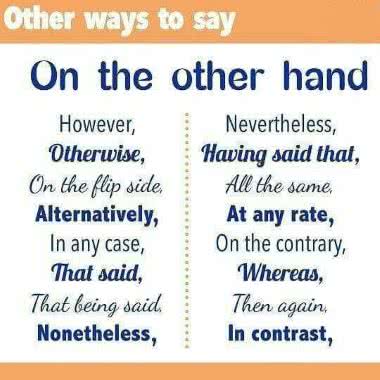
that said

/ðæt sed/

(phrase) そうは言っても, とはいえ

例:

The job is demanding, but that said, it's also very rewarding.
その仕事は大変ですが、そうは言っても、非常にやりがいもあります。

theory

/ˈθɪr.i/

(noun) 理論, 学説, 原理

例:

The scientist proposed a new theory about the origin of the universe.
科学者は宇宙の起源に関する新しい理論を提唱した。

thesis

/ˈθiː.sɪs/

(noun) 論文, 命題, 学位論文

例:

Her main thesis was that the economic crisis was caused by deregulation.
彼女の主な論文は、経済危機が規制緩和によって引き起こされたというものだった。

think

/θɪŋk/

(verb) 思う, 考える, 熟考する;

(noun) 考え, 思考

例:

What do you think about the new policy?
新しい方針についてどう思いますか?

think for yourself

/θɪŋk fɔːr jʊərˈself/

(phrase) 自分で考える, 独立して考える

例:

It's important to think for yourself and not just follow the crowd.
群衆にただ従うのではなく、自分で考えることが重要です。

thinking

/ˈθɪŋ.kɪŋ/

(noun) 思考, 考え;

(verb) 考えている, 思っている;

(adjective) 考える, 思慮深い

例:

Her thinking was clear and logical.
彼女の思考は明確で論理的だった。

tide

/taɪd/

(noun) 潮, 潮汐, 潮流;

(verb) 乗り切る, しのぐ

例:

The tide is coming in, so the beach will soon be covered.
が満ちてきているので、ビーチはすぐに覆われるでしょう。

to my mind

/tə maɪ maɪnd/

(phrase) 私の考えでは, 私見では

例:

To my mind, that's the best solution.
私の考えでは、それが最善の解決策です。

turnaround

/ˈtɝːn.ə.raʊnd/

(noun) 好転, 転換, 改善

例:

The company achieved a remarkable turnaround in its financial performance.
その会社は財務実績において目覚ましい好転を達成した。

uncommunicative

/ˌʌn.kəˈmjuː.nə.kə.t̬ɪv/

(adjective) 無口な, 口数の少ない, 非社交的な

例:

He became withdrawn and uncommunicative after the accident.
彼は事故後、引きこもりがちで無口になった。

unequivocal

/ˌʌn.ɪˈkwɪv.ə.kəl/

(adjective) 明確な, 疑いのない, 断固たる

例:

The answer was an unequivocal 'no'.
答えは明確な「いいえ」でした。

vacillate

/ˈvæs.ə.leɪt/

(verb) 揺れ動く, ためらう

例:

She tends to vacillate between two extremes.
彼女は二つの極端な意見の間で揺れ動く傾向がある。

vacillation

/ˌvæs.əˈleɪ.ʃən/

(noun) 動揺, ためらい, 優柔不断

例:

His constant vacillation made it difficult to move forward with the project.
彼の絶え間ない動揺が、プロジェクトを進めるのを困難にした。

ventilate

/ˈven.t̬əl.eɪt/

(verb) 換気する, 通風する, 表現する

例:

It's important to ventilate the room regularly to prevent mold.
カビを防ぐために、部屋を定期的に換気することが重要です。

verdict

/ˈvɝː.dɪkt/

(noun) 評決, 判決, 評価

例:

The jury returned a verdict of not guilty.
陪審は無罪の評決を下した。

view

/vjuː/

(noun) 眺め, 景色, 見解;

(verb) 見る, 眺める, 見なす

例:

The hotel room had a stunning view of the ocean.
ホテルの部屋からは海の素晴らしい眺めが見えた。

vocal

/ˈvoʊ.kəl/

(adjective) 声の, ボーカルの, 声高な;

(noun) ボーカル, 歌声

例:

She has amazing vocal range.
彼女は驚くべき声域を持っている。

vociferous

/vəˈsɪf.ɚ.əs/

(adjective) 声高な, 騒々しい, やかましい

例:

The protestors were vociferous in their demands for justice.
抗議者たちは正義を求める声が大きかった

voice

/vɔɪs/

(noun) 声, 発言権, 意見;

(verb) 表明する, 述べる

例:

Her voice was clear and strong.
彼女のは澄んでいて力強かった。

volte-face

/ˌvɑːltˈfɑːs/

(noun) 豹変, 方針転換

例:

The politician's sudden volte-face on the issue surprised everyone.
その政治家の問題に対する突然の豹変は皆を驚かせた。

weigh in

/weɪ ɪn/

(phrasal verb) 意見を述べる, 参加する, 計量する

例:

Everyone wanted to weigh in on the new policy.
誰もが新しい政策について意見を述べたかった

weigh up

/weɪ ʌp/

(phrasal verb) 比較検討する, 評価する, 判断する

例:

You need to weigh up the pros and cons before making a choice.
選択をする前に、長所と短所を比較検討する必要があります。

welcome

/ˈwel.kəm/

(verb) 歓迎する, 迎える;

(exclamation) ようこそ, 歓迎;

(adjective) 歓迎される, 喜ばしい;

(noun) 歓迎, もてなし

例:

We welcomed the new neighbors to the community.
私たちは新しい隣人を地域社会に歓迎した

would

/wʊd/

(modal verb) だろう, するだろう, 〜いただけますか

例:

He said he would be here by noon.
彼は正午までにここに来るだろうと言った。

write in

/raɪt ɪn/

(phrasal verb) 記入する, 書き加える, 書き込む (候補者)

例:

Please write in your full name and address on the form.
フォームに氏名と住所を記入してください。
Lingolandでこの語彙セットを学習