
文学 内 特徴付け 語彙セット:完全かつ詳細なリスト
「文学」内の「特徴付け」語彙セットは国際標準教材から厳選され、短期間で語彙をマスターできます。定義、例文、標準発音を網羅…
Lingolandでこの語彙セットを学習
今すぐ学習
/ˈɑːr.kə.taɪp/
(noun) 原型, 典型, 元型 (ユング心理学)
例:
He is the archetype of the successful entrepreneur.
彼は成功した起業家の典型です。

/vɔɪs/
(noun) 声, 発言権, 意見;
(verb) 表明する, 述べる
例:
Her voice was clear and strong.
彼女の声は澄んでいて力強かった。

/ænˈtæɡ.ən.ɪst/
(noun) 敵対者, 対抗者, 敵役
例:
The hero faced his main antagonist in the final battle.
主人公は最終決戦で主要な敵対者と対峙した。
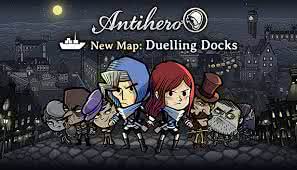
/ˈæn.t̬iˌhɪr.oʊ/
(noun) アンチヒーロー
例:
The protagonist of the novel is an antihero, a cynical detective with a troubled past.
小説の主人公はアンチヒーローであり、過去に問題を抱えた皮肉屋の探偵だ。

/ˈbækˌstɔːr.i/
(noun) 裏話, 背景
例:
The author developed a detailed backstory for each character in the novel.
著者は小説の各登場人物に詳細な裏話を作成した。

/hæˈmɑːr.ʃi.ə/
(noun) ハマルティア, 悲劇的欠陥
例:
Othello's jealousy was his hamartia, leading to his tragic end.
オセロの嫉妬が彼のハマルティアであり、悲劇的な結末につながった。
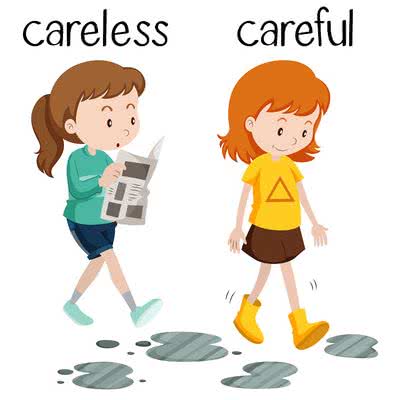
/ˌker.ək.tə.rəˈzeɪ.ʃən/
(noun) 性格描写, 特徴づけ, 特性評価
例:
The author's characterization of the protagonist was very detailed.
作者による主人公の性格描写は非常に詳細だった。

/ˈhɪr.oʊ/
(noun) 英雄, ヒーロー, 主人公
例:
He was hailed as a hero for saving the child from the burning building.
彼は燃えている建物から子供を救った英雄として称賛された。

/ˈner.eɪ.t̬ɚ/
(noun) 語り手, ナレーター
例:
The story is told from the perspective of an unreliable narrator.
物語は信頼できない語り手の視点から語られる。

/ˈpɝː.sən.ɪdʒ/
(noun) 重要人物, 要人, 登場人物
例:
The old man was a respected personage in the village.
その老人は村で尊敬される重要人物だった。
/prəˈtæɡ.ən.ɪst/
(noun) 主人公, 主役, 提唱者
例:
The young wizard is the protagonist of the fantasy series.
若い魔法使いはファンタジーシリーズの主人公です。
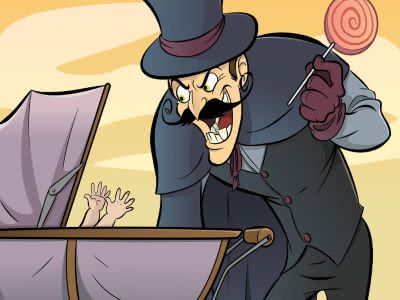
/ˈvɪl.ən/
(noun) 悪役, 悪者, 犯人
例:
The superhero finally defeated the villain.
スーパーヒーローはついに悪役を倒した。
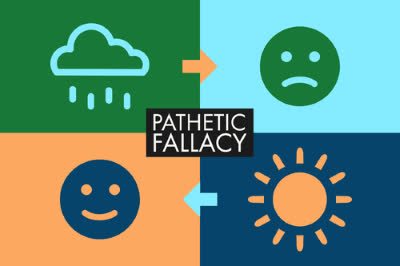
/pəˌθet.ɪk ˈfæl.ə.si/
(noun) 感情移入の誤謬
例:
The author used pathetic fallacy to describe the angry storm.
著者は怒れる嵐を表現するために感情移入の誤謬を用いた。
/ˌæn.θrə.pəˈmɔːr.fɪ.zəm/
(noun) 擬人化
例:
The ancient Greeks often depicted their gods with human emotions, a clear example of anthropomorphism.
古代ギリシャ人はしばしば神々を人間の感情で描写し、これは擬人化の明確な例である。

/ˌɑmˈnɪʃ.ənt ˈner.eɪ.t̬ər/
(noun) 全知の語り手
例:
The novel uses an omniscient narrator to reveal the inner lives of all its characters.
その小説は、すべての登場人物の内面を明らかにするために全知の語り手を使っている。
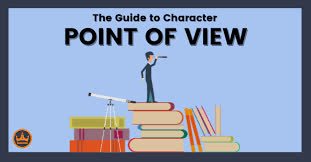
/ˈpɔɪnt əv vjuː/
(noun) 視点, 見解
例:
From my point of view, the decision was fair.
私の視点からすると、その決定は公平でした。

/ˌek.spəˈzɪʃ.ən/
(noun) 解説, 説明, 詳述
例:
The book provides a clear exposition of the author's philosophy.
その本は著者の哲学を明確に解説している。


/ˌkɑːm.pləˈkeɪ.ʃən/
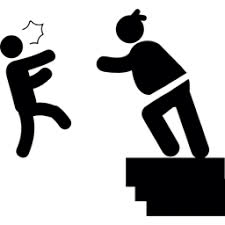
(noun) 合併症, 複雑な問題, 困難
例:
The surgery had some unexpected complications.
手術にはいくつかの予期せぬ合併症があった。

/rɪˈliːf/
(noun) 安堵, 安心, 緩和
例:
It was a great relief to know that everyone was safe.
みんなが無事だと知って、大きな安堵を感じた。

/fɔɪl/
(noun) ホイル, アルミホイル, 引き立て役;
(verb) 阻止する, 挫折させる
例:
Wrap the leftovers tightly in aluminum foil.
残り物をアルミホイルでしっかりと包んでください。
/ˈæn.ʒə.nuː/
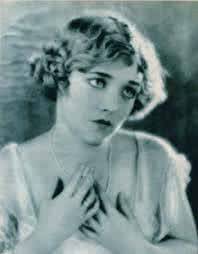
(noun) インジェニュー, 純真な少女
例:
She was cast as the innocent ingénue in the romantic comedy.
彼女はロマンチックコメディで純粋なインジェニュー役に選ばれた。

/ˈsaɪd.kɪk/
(noun) 相棒, 助手, 子分
例:
Batman and Robin are a famous hero and sidekick duo.
バットマンとロビンは有名なヒーローと相棒のデュオです。

/ˈfɑːðər fɪɡər/
(noun) 父親のような存在, 父性的な人物
例:
His coach became a father figure to him after his own dad passed away.
彼自身の父親が亡くなった後、彼のコーチは彼にとって父親のような存在になった。

/ˈmʌð.ər ˌfɪɡ.jər/
(noun) 母親のような存在, 母代わり
例:
She became a mother figure to her younger siblings after their parents passed away.
両親が亡くなった後、彼女は幼い兄弟にとって母親のような存在になった。

/ˈkɑːn.fə.dænt/
(noun) 相談相手, 親友
例:
She told her deepest fears to her closest confidant.
彼女は最も親しい相談相手に心の奥底の恐怖を打ち明けた。

/ˈher.oʊ.ɪn/
(noun) ヒロイン, 女主人公
例:
She was hailed as a national heroine for her bravery.
彼女は勇敢さで国民的ヒロインとして称賛された。

/seɪdʒ/
(noun) 賢者, 哲人, セージ;
(adjective) 賢明な, 思慮深い
例:
The ancient sage offered profound advice to the young king.
古代の賢者は若い王に深い助言を与えた。

/fuːl/
(noun) 愚か者, ばか, 道化師;
(verb) 騙す, 欺く
例:
Don't be a fool and invest all your money in one stock.
愚か者になるな、全財産を一つの株に投資するな。

/ˈev.ri.mæn/
(noun) 一般人, 普通の人
例:
He portrays the everyman, someone relatable to everyone.
彼は一般人を演じ、誰もが共感できる人物だ。

/ðə bɔɪ nekst dɔːr/
(phrase) 隣の男の子, 隣人
例:
She always had a crush on the boy next door.
彼女はいつも隣の男の子に片思いをしていた。

/ðə ˌɡɜːrl nekst ˈdɔːr/
(phrase) 隣の女の子, 隣家の娘
例:
She's always been the girl next door, friendly and approachable.
彼女はいつも、親しみやすく近づきやすい隣の女の子だった。
/ˌblæk ˈnaɪt/
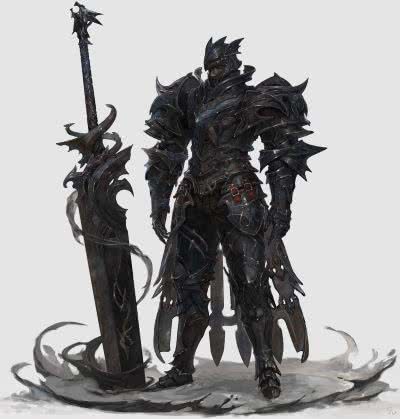
(noun) 黒いナイト, 黒い騎士, 黒騎士
例:
The black knight jumped over the pawn to attack the queen.
黒いナイトはポーンを飛び越えてクイーンを攻撃した。