
レベル C1 内 C1 - 文法が重要! 語彙セット:完全かつ詳細なリスト
「レベル C1」内の「C1 - 文法が重要!」語彙セットは国際標準教材から厳選され、短期間で語彙をマスターできます。定義、例文、標準発音を網羅…
Lingolandでこの語彙セットを学習
今すぐ学習
/lɪŋˈɡwɪs.tɪk/
(adjective) 言語の, 言語学の
例:
The study of linguistic diversity is fascinating.
言語の多様性の研究は魅力的です。
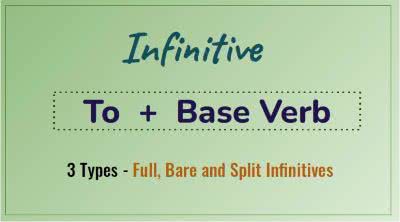
/ɪnˈfɪn.ə.t̬ɪv/
(noun) 不定詞
例:
In the sentence 'I want to go home,' 'to go' is an infinitive.
「家に帰りたい」という文では、「帰る」が不定詞です。
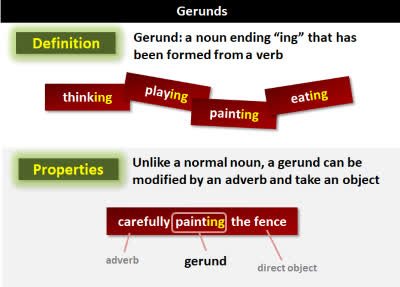
/ˈdʒer.ənd/
(noun) 動名詞
例:
The word 'swimming' is a gerund in the sentence 'Swimming is good exercise.'
「swimming」という単語は、「Swimming is good exercise.」という文では動名詞です。
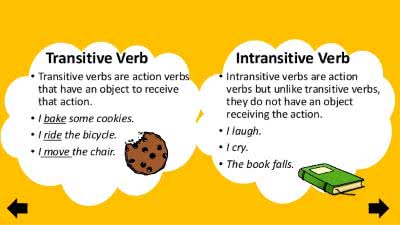
/ˈtræn.sɪ.tɪv ˈvɜrb/
(noun) 他動詞
例:
In the sentence 'She eats an apple,' 'eats' is a transitive verb.
「彼女はリンゴを食べる」という文では、「食べる」は他動詞です。
/ˈnʌm.bɚ/
(noun) 数, 数字, 番号;
(verb) 数に達する, 総計する, 番号を付ける
例:
Write down your phone number.
電話番号を書いてください。


/vɔɪs/
(noun) 声, 発言権, 意見;
(verb) 表明する, 述べる
例:
Her voice was clear and strong.
彼女の声は澄んでいて力強かった。
/ˈdʒen.dɚ/
(noun) ジェンダー, 性別, 性;
(verb) 性別化する, 性別を割り当てる
例:
The company is committed to promoting gender equality in the workplace.
その会社は職場でのジェンダー平等を推進することに尽力している。
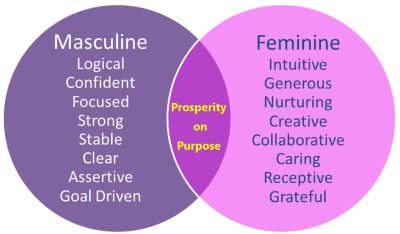
/ˈfem.ə.nɪn/
(adjective) 女性らしい, 女性の, 婦人向けの
例:
She has a very gentle and feminine voice.
彼女はとても優しくて女性らしい声をしている。
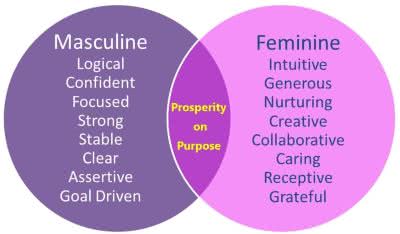
/ˈmæs.kjə.lɪn/
(adjective) 男らしい, 男性的な, 男性形
例:
He has a very masculine voice.
彼はとても男らしい声をしている。
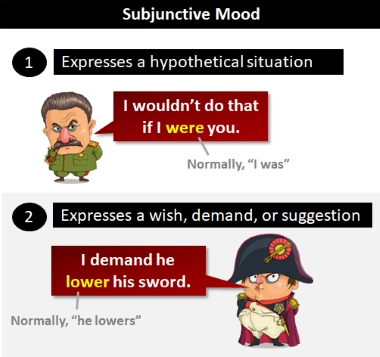
/səbˈdʒʌŋk.tɪv/
(adjective) 仮定法;
(noun) 仮定法
例:
The sentence 'If I were a bird' uses the subjunctive mood.
「もし私が鳥だったら」という文は仮定法を使っています。
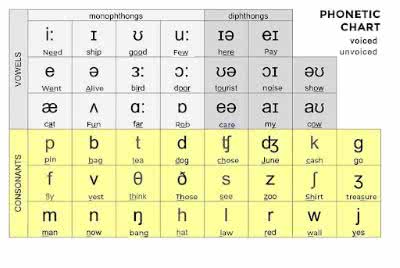
/foʊˈnet̬.ɪks/
(noun) 音声学
例:
She is studying phonetics to improve her pronunciation.
彼女は発音を改善するために音声学を学んでいます。
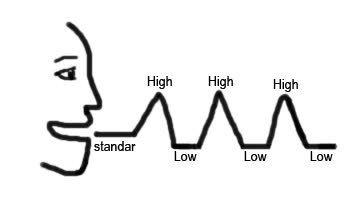
/ˌɪn.təˈneɪ.ʃən/
(noun) イントネーション, 抑揚
例:
Her voice had a peculiar intonation that made her sound foreign.
彼女の声には独特のイントネーションがあり、それが彼女を外国人のように聞こえさせた。

/ˈdaɪ.ə.lekt/
(noun) 方言, なまり
例:
The local dialect is quite different from the standard language.
地元の方言は標準語とはかなり異なります。
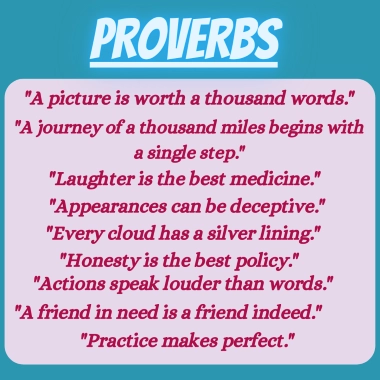
/ˈprɑː.vɝːb/
(noun) ことわざ, 格言
例:
The old proverb says, "Actions speak louder than words."
古いことわざに「行動は言葉よりも雄弁である」とあります。
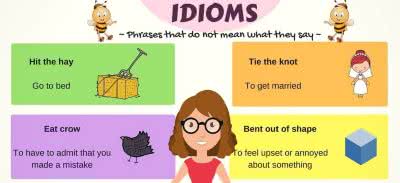
/ˈɪd.i.əm/
(noun) イディオム, 慣用句
例:
Learning English idioms can be challenging but rewarding.
英語のイディオムを学ぶのは難しいですが、やりがいがあります。

/ˈdʒɑːr.ɡən/
(noun) 専門用語, 隠語
例:
The legal document was full of technical jargon.
その法的文書は専門用語でいっぱいだった。
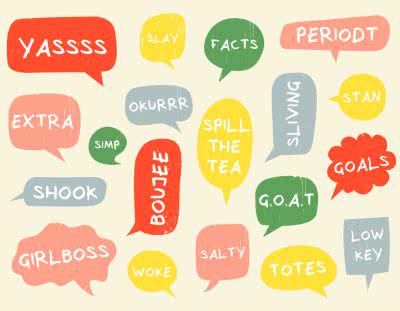
/slæŋ/
(noun) 俗語, スラング;
(verb) 俗語を使う, スラングで話す
例:
The teenagers were speaking in a lot of slang I didn't understand.
ティーンエイジャーたちは、私が理解できない多くの俗語で話していた。

/ˈjuː.fə.mɪ.zəm/
(noun) 婉曲表現, 遠回しな言い方
例:
'Passed away' is a euphemism for 'died'.
「亡くなった」は「死んだ」の婉曲表現です。
/ˈpʌŋk.tuː.eɪt/
(verb) 句読点を打つ, 中断する, 強調する
例:
Remember to punctuate your sentences correctly.
文を正しく句読点を打つことを忘れないでください。

/ˈkoʊ.lən/
(noun) コロン, 結腸, 大腸
例:
The recipe requires the following ingredients: flour, sugar, and eggs.
レシピには以下の材料が必要です: 小麦粉、砂糖、卵。

/ˈsem.iˌkoʊ.lən/
(noun) セミコロン
例:
Use a semicolon to connect two closely related independent clauses.
密接に関連する2つの独立した節を接続するには、セミコロンを使用します。

/pəˈren.θə.sɪs/
(noun) 括弧, 挿入句
例:
The author used a parenthesis to add extra information.
著者は追加情報を加えるために括弧を使用した。
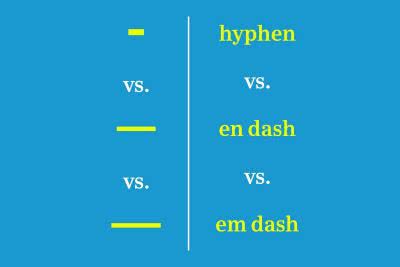
/ˈhaɪ.fən/
(noun) ハイフン;
(verb) ハイフンでつなぐ
例:
Use a hyphen to connect 'well' and 'known' in 'well-known author'.
「well-known author」の「well」と「known」をつなぐにはハイフンを使います。

/slæʃ/
(noun) 切り込み, 切り傷, スラッシュ;
(verb) 切り裂く, 切りつける, 削減する
例:
He made a deep slash across the canvas.
彼はキャンバスに深い切り込みを入れた。
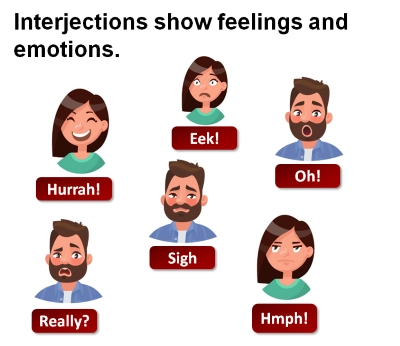
/ˌɪn.t̬ɚˈdʒek.ʃən/
(noun) 間投詞, 感嘆詞
例:
“Ouch!” he cried, after hitting his thumb with a hammer.
「痛っ!」彼はハンマーで親指を叩いた後、叫んだ。
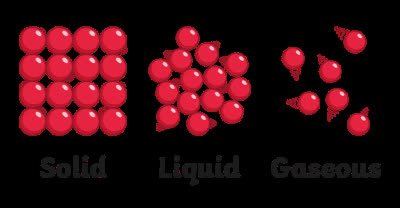
/ˈpɑːr.t̬ə.kəl/
(noun) 微塵, 少し, 素粒子;
(particle) 助詞, 不変化詞
例:
There wasn't a particle of dust in the room.
部屋には微塵も埃がなかった。
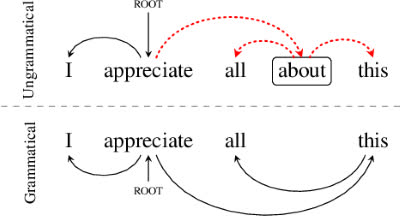
/ˌʌn.ɡrəˈmæt̬.ɪ.kəl/
(adjective) 文法的に誤った, 非文法的な
例:
The sentence 'He don't like it' is ungrammatical.
「He don't like it」という文は文法的に誤っている。