
레벨 C1 내 C1 - 문법이 중요합니다! 어휘 세트: 완전하고 상세한 목록
'레벨 C1' 내 'C1 - 문법이 중요합니다!' 어휘 세트는 국제 표준 교재 출처에서 엄선되어 짧은 시간 안에 어휘를 마스터할 수 있도록 도와줍니다. 정의, 예문, 표준 발음을 완벽하게 수록...
Lingoland에서 이 어휘 세트 학습하기
지금 학습하기
/lɪŋˈɡwɪs.tɪk/
(adjective) 언어의, 언어학의
예시:
The study of linguistic diversity is fascinating.
언어적 다양성에 대한 연구는 매력적이다.
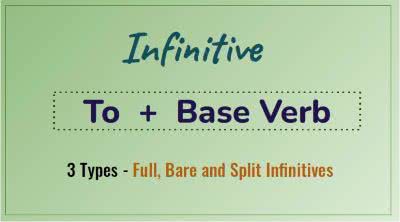
/ɪnˈfɪn.ə.t̬ɪv/
(noun) 부정사
예시:
In the sentence 'I want to go home,' 'to go' is an infinitive.
'집에 가고 싶다'는 문장에서 '가다'는 부정사이다.
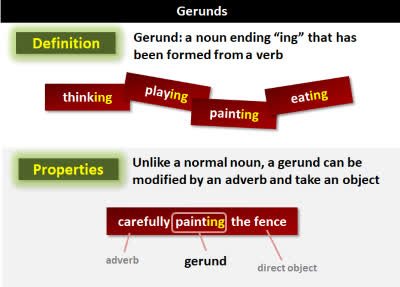
/ˈdʒer.ənd/
(noun) 동명사
예시:
The word 'swimming' is a gerund in the sentence 'Swimming is good exercise.'
'swimming'이라는 단어는 'Swimming is good exercise.' 문장에서 동명사입니다.
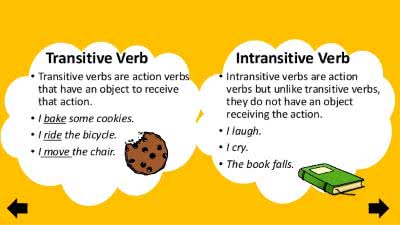
/ˈtræn.sɪ.tɪv ˈvɜrb/
(noun) 타동사
예시:
In the sentence 'She eats an apple,' 'eats' is a transitive verb.
'그녀는 사과를 먹는다'라는 문장에서 '먹는다'는 타동사이다.
/ˈnʌm.bɚ/
(noun) 수, 숫자, 번호;
(verb) 수에 달하다, 총계하다, 번호를 매기다
예시:
Write down your phone number.
전화번호를 적어주세요.


/ˈdʒen.dɚ/
(noun) 성, 성별;
(verb) 성별화하다, 성별을 부여하다
예시:
The company is committed to promoting gender equality in the workplace.
그 회사는 직장에서의 성 평등을 증진하는 데 전념하고 있다.
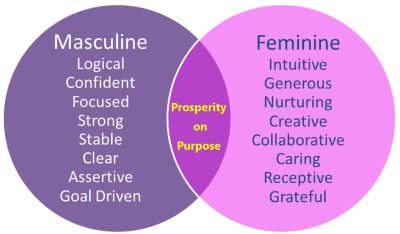
/ˈfem.ə.nɪn/
(adjective) 여성스러운, 여자의, 여성의
예시:
She has a very gentle and feminine voice.
그녀는 매우 부드럽고 여성스러운 목소리를 가지고 있다.
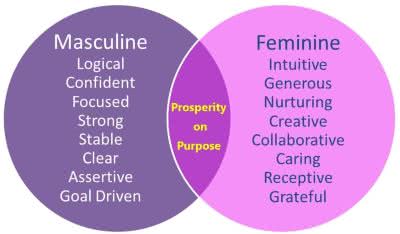
/ˈmæs.kjə.lɪn/
(adjective) 남성적인, 남자다운, 남성형의
예시:
He has a very masculine voice.
그는 매우 남성적인 목소리를 가지고 있다.
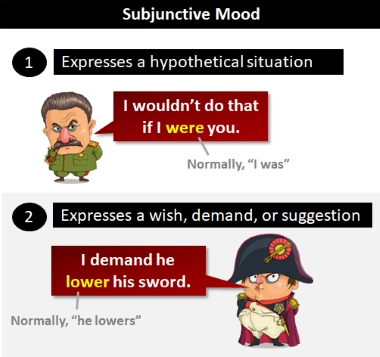
/səbˈdʒʌŋk.tɪv/
(adjective) 가정법;
(noun) 가정법
예시:
The sentence 'If I were a bird' uses the subjunctive mood.
'내가 새라면'이라는 문장은 가정법을 사용한다.
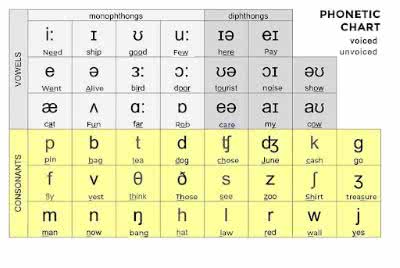
/foʊˈnet̬.ɪks/
(noun) 음성학
예시:
She is studying phonetics to improve her pronunciation.
그녀는 발음을 향상시키기 위해 음성학을 공부하고 있다.
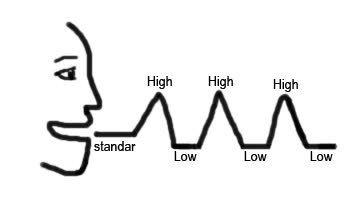
/ˌɪn.təˈneɪ.ʃən/
(noun) 억양, 음조
예시:
Her voice had a peculiar intonation that made her sound foreign.
그녀의 목소리에는 그녀를 외국인처럼 들리게 하는 특이한 억양이 있었다.

/ˈdaɪ.ə.lekt/
(noun) 방언, 사투리
예시:
The local dialect is quite different from the standard language.
지역 방언은 표준어와 상당히 다르다.
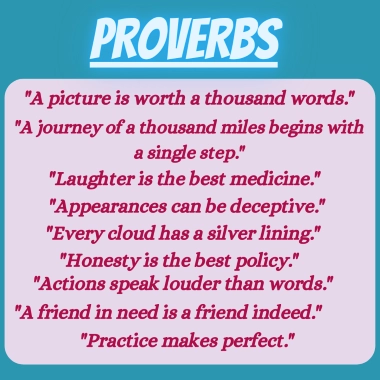
/ˈprɑː.vɝːb/
(noun) 속담, 격언
예시:
The old proverb says, "Actions speak louder than words."
옛 속담에 "말보다 행동이 중요하다"고 한다.
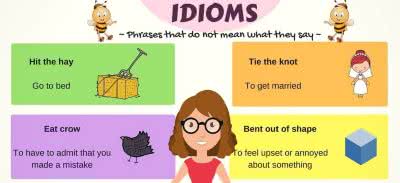
/ˈɪd.i.əm/
(noun) 관용구, 숙어
예시:
Learning English idioms can be challenging but rewarding.
영어 관용구를 배우는 것은 어렵지만 보람 있는 일입니다.

/ˈdʒɑːr.ɡən/
(noun) 전문 용어, 은어
예시:
The legal document was full of technical jargon.
그 법률 문서는 기술 용어로 가득했다.
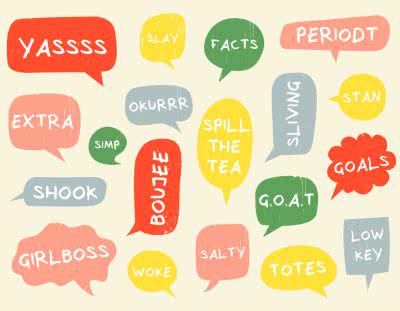
/slæŋ/
(noun) 속어, 은어;
(verb) 속어를 사용하다, 은어를 쓰다
예시:
The teenagers were speaking in a lot of slang I didn't understand.
십대들은 내가 이해할 수 없는 많은 속어를 사용하고 있었다.

/ˈjuː.fə.mɪ.zəm/
(noun) 완곡어법, 완곡한 표현
예시:
'Passed away' is a euphemism for 'died'.
'돌아가셨다'는 '죽었다'의 완곡어법이다.
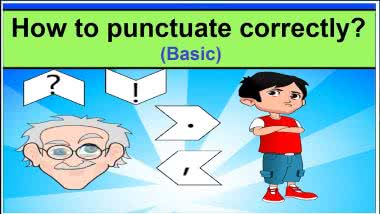
/ˈpʌŋk.tuː.eɪt/
(verb) 구두점을 찍다, 간간이 끊기다, 강조하다
예시:
Remember to punctuate your sentences correctly.
문장을 올바르게 구두점을 찍는 것을 잊지 마세요.

/ˈkoʊ.lən/
(noun) 콜론, 결장, 대장
예시:
The recipe requires the following ingredients: flour, sugar, and eggs.
레시피에는 다음 재료가 필요합니다: 밀가루, 설탕, 달걀.
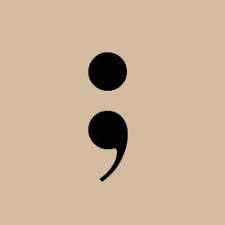
/ˈsem.iˌkoʊ.lən/
(noun) 세미콜론
예시:
Use a semicolon to connect two closely related independent clauses.
밀접하게 관련된 두 개의 독립절을 연결하려면 세미콜론을 사용하세요.
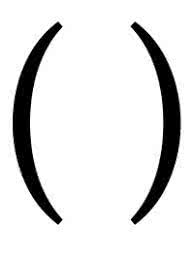
/pəˈren.θə.sɪs/
(noun) 괄호, 삽입구
예시:
The author used a parenthesis to add extra information.
작가는 추가 정보를 덧붙이기 위해 괄호를 사용했다.
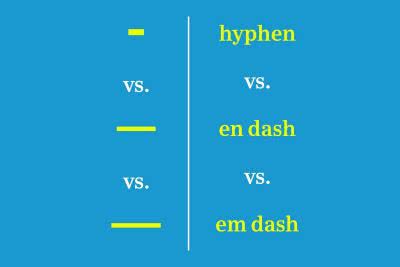
/ˈhaɪ.fən/
(noun) 하이픈;
(verb) 하이픈으로 연결하다
예시:
Use a hyphen to connect 'well' and 'known' in 'well-known author'.
'well-known author'에서 'well'과 'known'을 연결할 때 하이픈을 사용하세요.

/slæʃ/
(noun) 칼자국, 베인 상처, 슬래시;
(verb) 베다, 자르다, 대폭 줄이다
예시:
He made a deep slash across the canvas.
그는 캔버스에 깊은 칼자국을 냈다.
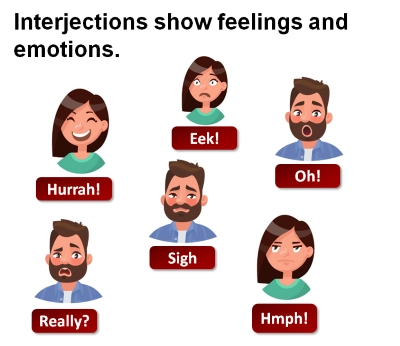
/ˌɪn.t̬ɚˈdʒek.ʃən/
(noun) 감탄사, 간투사
예시:
“Ouch!” he cried, after hitting his thumb with a hammer.
“아야!” 그는 망치로 엄지손가락을 때린 후 소리쳤다.
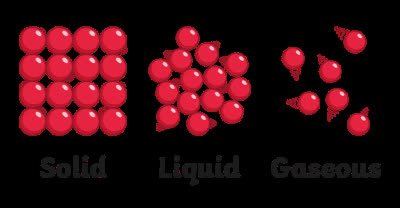
/ˈpɑːr.t̬ə.kəl/
(noun) 입자, 조금, 아원자 입자;
(particle) 조사, 불변화사
예시:
There wasn't a particle of dust in the room.
방에는 먼지 한 톨도 없었다.
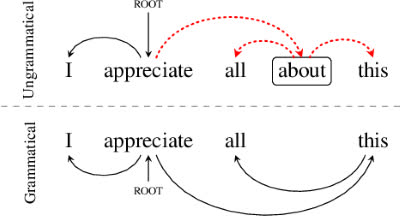
/ˌʌn.ɡrəˈmæt̬.ɪ.kəl/
(adjective) 비문법적인
예시:
The sentence 'He don't like it' is ungrammatical.
'He don't like it'이라는 문장은 비문법적이다.