
C1 - Grammar Matters! Vocabulary Set in Level C1: Full and Detailed List
The 'C1 - Grammar Matters!' vocabulary set in 'Level C1' is carefully selected from standard international textbook sources, helping you master vocabulary in a short time. Comprehensive compilation of definitions, illustrative examples, and standard pronunciation...
Learn this vocabulary set on Lingoland
Learn Now
/lɪŋˈɡwɪs.tɪk/
Example:
The study of linguistic diversity is fascinating.
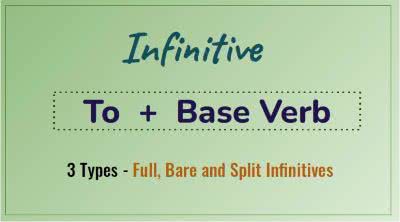
/ɪnˈfɪn.ə.t̬ɪv/
Example:
In the sentence 'I want to go home,' 'to go' is an infinitive.
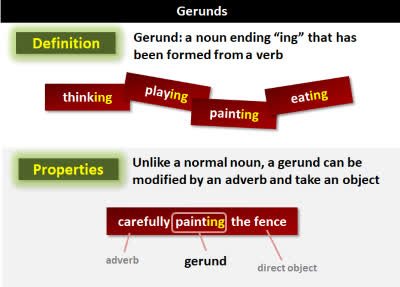
/ˈdʒer.ənd/
Example:
The word 'swimming' is a gerund in the sentence 'Swimming is good exercise.'
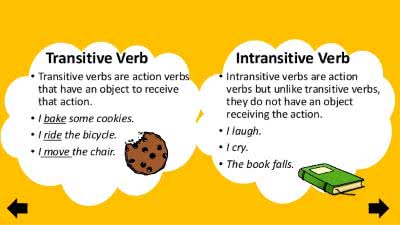
/ˈtræn.sɪ.tɪv ˈvɜrb/
Example:
In the sentence 'She eats an apple,' 'eats' is a transitive verb.
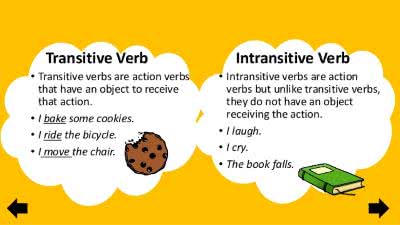
/ɪnˌtrænzɪtɪv ˈvɜrb/
Example:
The baby slept soundly.
/ˈnʌm.bɚ/
Example:
Write down your phone number.

/ˈpɝː.sən/
Example:
She is a very kind person.

/vɔɪs/
Example:
Her voice was clear and strong.
/ˈdʒen.dɚ/
Example:
The company is committed to promoting gender equality in the workplace.
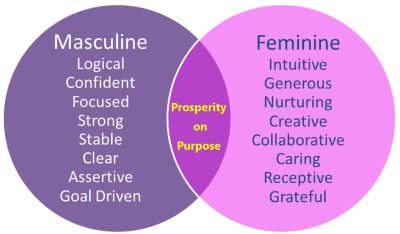
/ˈfem.ə.nɪn/
Example:
She has a very gentle and feminine voice.
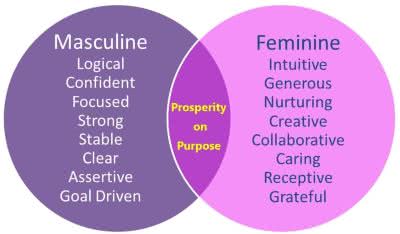
/ˈmæs.kjə.lɪn/
Example:
He has a very masculine voice.
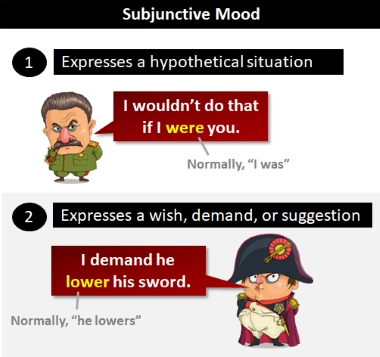
/səbˈdʒʌŋk.tɪv/
Example:
The sentence 'If I were a bird' uses the subjunctive mood.
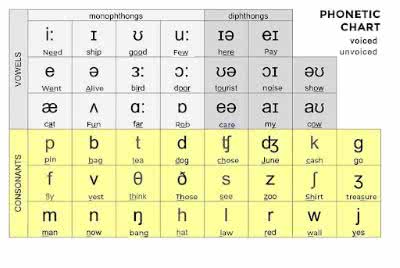
/foʊˈnet̬.ɪks/
Example:
She is studying phonetics to improve her pronunciation.
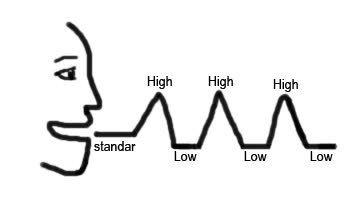
/ˌɪn.təˈneɪ.ʃən/
Example:
Her voice had a peculiar intonation that made her sound foreign.

/ˈdaɪ.ə.lekt/
Example:
The local dialect is quite different from the standard language.
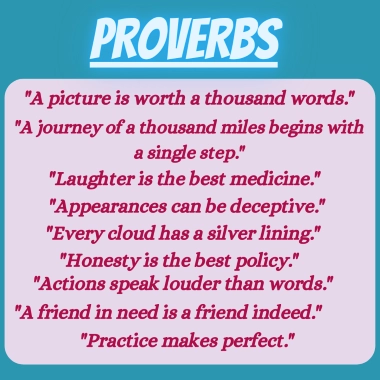
/ˈprɑː.vɝːb/
Example:
The old proverb says, "Actions speak louder than words."
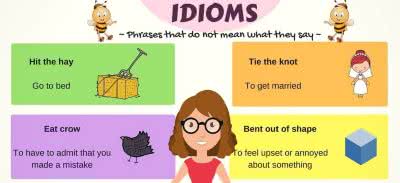
/ˈɪd.i.əm/
Example:
Learning English idioms can be challenging but rewarding.

/ˈdʒɑːr.ɡən/
Example:
The legal document was full of technical jargon.
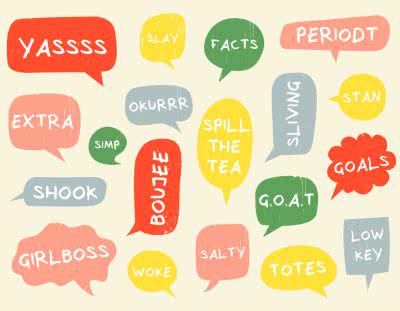
/slæŋ/
Example:
The teenagers were speaking in a lot of slang I didn't understand.

/ˈjuː.fə.mɪ.zəm/
Example:
'Passed away' is a euphemism for 'died'.
/ˈpʌŋk.tuː.eɪt/
Example:
Remember to punctuate your sentences correctly.

/ˈkoʊ.lən/
Example:
The recipe requires the following ingredients: flour, sugar, and eggs.

/ˈsem.iˌkoʊ.lən/
Example:
Use a semicolon to connect two closely related independent clauses.

/pəˈren.θə.sɪs/
Example:
The author used a parenthesis to add extra information.
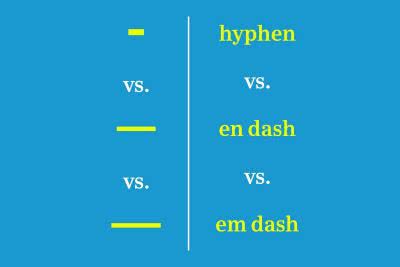
/ˈhaɪ.fən/
Example:
Use a hyphen to connect 'well' and 'known' in 'well-known author'.

/slæʃ/
Example:
He made a deep slash across the canvas.
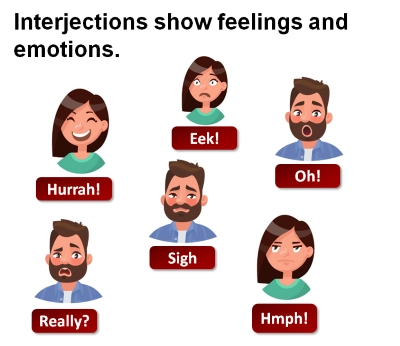
/ˌɪn.t̬ɚˈdʒek.ʃən/
Example:
“Ouch!” he cried, after hitting his thumb with a hammer.
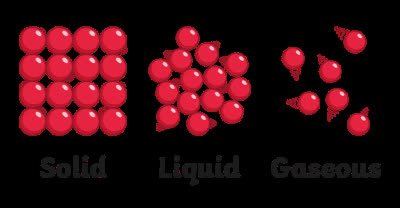
/ˈpɑːr.t̬ə.kəl/
Example:
There wasn't a particle of dust in the room.
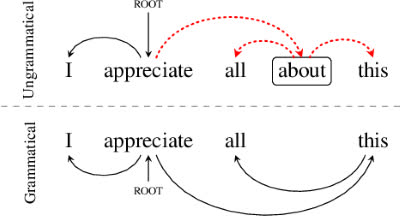
/ˌʌn.ɡrəˈmæt̬.ɪ.kəl/
Example:
The sentence 'He don't like it' is ungrammatical.