
詞彙集 C1 - 文法很重要!(屬於 C1級別):完整且詳細的清單
詞彙集「C1 - 文法很重要!」(屬於「C1級別」)從國際標準教材來源精心挑選,幫助您在短時間內掌握詞彙。全面彙整定義、例句及標準發音…
在 Lingoland 學習此詞彙集
立即學習
/lɪŋˈɡwɪs.tɪk/
(adjective) 語言的, 語言學的
範例:
The study of linguistic diversity is fascinating.
語言多樣性的研究引人入勝。
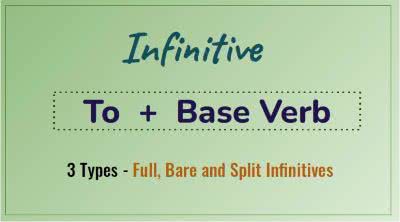
/ɪnˈfɪn.ə.t̬ɪv/
(noun) 不定式
範例:
In the sentence 'I want to go home,' 'to go' is an infinitive.
在句子「我想回家」中,「回家」是不定式。
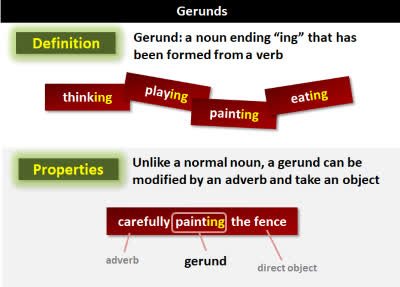
/ˈdʒer.ənd/
(noun) 動名詞
範例:
The word 'swimming' is a gerund in the sentence 'Swimming is good exercise.'
單詞“swimming”在句子“Swimming is good exercise.”中是一個動名詞。
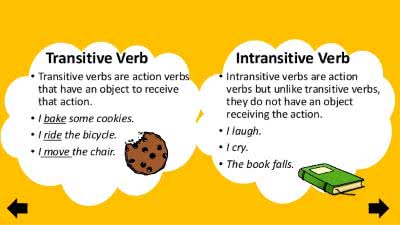
/ˈtræn.sɪ.tɪv ˈvɜrb/
(noun) 及物動詞
範例:
In the sentence 'She eats an apple,' 'eats' is a transitive verb.
在句子“她吃一個蘋果”中,“吃”是一個及物動詞。



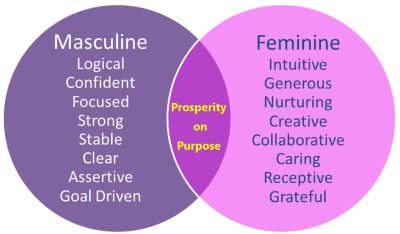
/ˈdʒen.dɚ/
(noun) 性別, 社會性別;
(verb) 性別化, 賦予性別
範例:
The company is committed to promoting gender equality in the workplace.
公司致力於促進工作場所的性別平等。
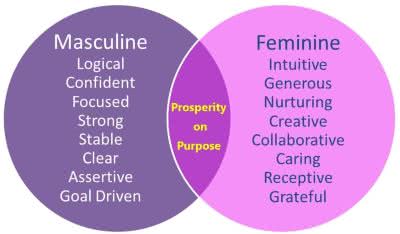
/ˈfem.ə.nɪn/
(adjective) 女性的, 女性化的, 婦女的
範例:
She has a very gentle and feminine voice.
她有一個非常溫柔和女性化的聲音。
/ˈmæs.kjə.lɪn/
(adjective) 男性化的, 有男子氣概的, 陽性的
範例:
He has a very masculine voice.
他有一個非常男性化的聲音。
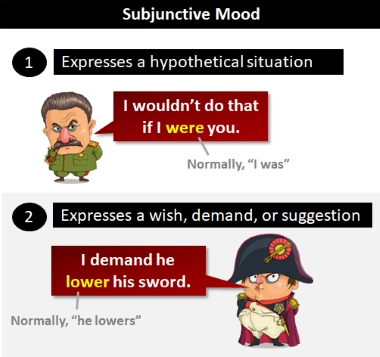
/səbˈdʒʌŋk.tɪv/
(adjective) 虛擬語氣;
(noun) 虛擬語氣
範例:
The sentence 'If I were a bird' uses the subjunctive mood.
句子“如果我是一隻鳥”使用了虛擬語氣。
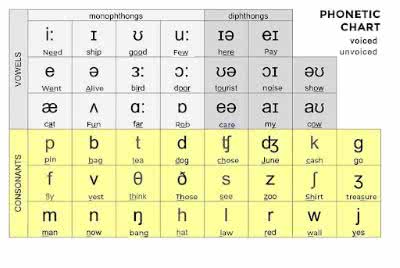
/foʊˈnet̬.ɪks/
(noun) 語音學
範例:
She is studying phonetics to improve her pronunciation.
她正在學習語音學以提高發音。
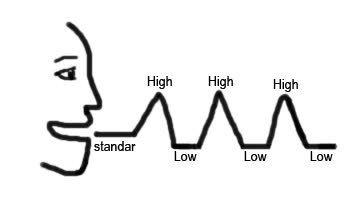
/ˌɪn.təˈneɪ.ʃən/
(noun) 語調, 聲調
範例:
Her voice had a peculiar intonation that made her sound foreign.
她的聲音有一種奇特的語調,讓她聽起來像外國人。

/ˈdaɪ.ə.lekt/
(noun) 方言, 土語
範例:
The local dialect is quite different from the standard language.
當地方言與標準語言有很大不同。
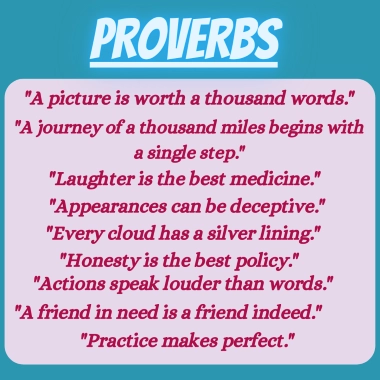
/ˈprɑː.vɝːb/
(noun) 諺語, 格言
範例:
The old proverb says, "Actions speak louder than words."
古老的諺語說:「行動勝於言語。」
/ˈɪd.i.əm/
(noun) 習語, 成語
範例:
Learning English idioms can be challenging but rewarding.
學習英語習語可能具有挑戰性,但很有意義。

/ˈdʒɑːr.ɡən/
(noun) 行話, 術語
範例:
The legal document was full of technical jargon.
這份法律文件充滿了技術術語。
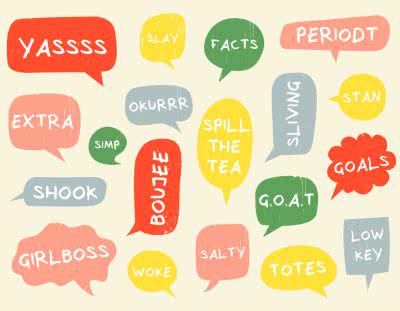
/slæŋ/
(noun) 俚語, 俗語;
(verb) 說俚語, 用俗語
範例:
The teenagers were speaking in a lot of slang I didn't understand.
青少年們說了很多我聽不懂的俚語。

/ˈjuː.fə.mɪ.zəm/
(noun) 委婉語, 婉辭
範例:
'Passed away' is a euphemism for 'died'.
「去世」是「死亡」的委婉語。
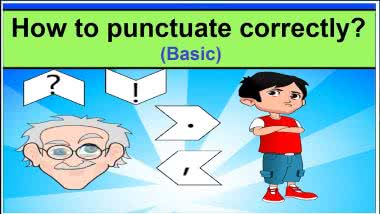
/ˈpʌŋk.tuː.eɪt/
(verb) 標點, 不時打斷, 強調
範例:
Remember to punctuate your sentences correctly.
記住要正確標點你的句子。

/ˈkoʊ.lən/
(noun) 冒號, 結腸, 大腸
範例:
The recipe requires the following ingredients: flour, sugar, and eggs.
食譜需要以下配料:麵粉、糖和雞蛋。
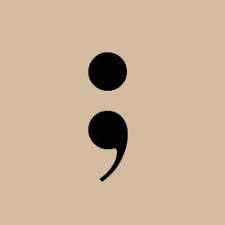
/ˈsem.iˌkoʊ.lən/
(noun) 分號
範例:
Use a semicolon to connect two closely related independent clauses.
使用分號連接兩個密切相關的獨立子句。

/pəˈren.θə.sɪs/
(noun) 括號, 插入語
範例:
The author used a parenthesis to add extra information.
作者使用括號添加額外信息。
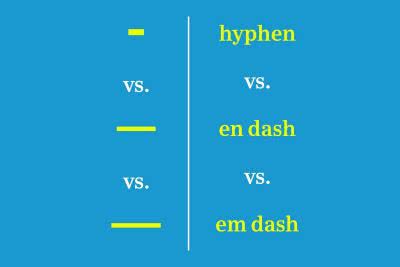
/ˈhaɪ.fən/
(noun) 連字符;
(verb) 用連字符連接
範例:
Use a hyphen to connect 'well' and 'known' in 'well-known author'.
在“well-known author”中,用連字符連接“well”和“known”。

/slæʃ/
(noun) 斜線, 切口;
(verb) 斜切, 砍, 大幅削減
範例:
He made a deep slash across the canvas.
他在畫布上劃了一道深口子。
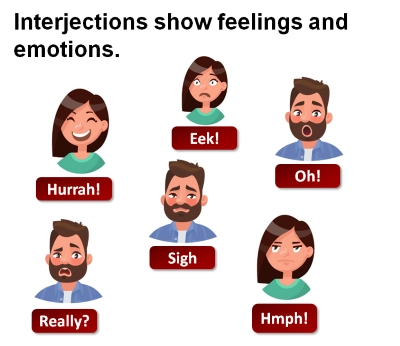
/ˌɪn.t̬ɚˈdʒek.ʃən/
(noun) 感嘆詞, 嘆詞
範例:
“Ouch!” he cried, after hitting his thumb with a hammer.
「哎喲!」他用錘子砸到拇指後叫道。
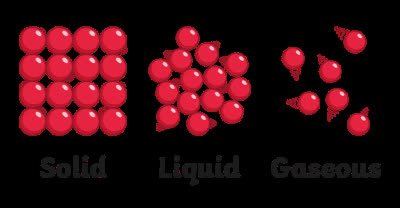
/ˈpɑːr.t̬ə.kəl/
(noun) 微粒, 一點, 粒子;
(particle) 助詞, 小品詞
範例:
There wasn't a particle of dust in the room.
房間裡沒有一點灰塵。
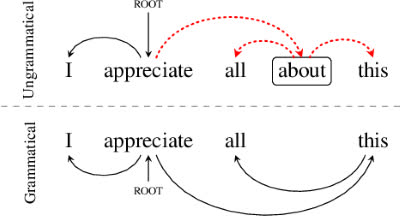
/ˌʌn.ɡrəˈmæt̬.ɪ.kəl/
(adjective) 不合語法的
範例:
The sentence 'He don't like it' is ungrammatical.
“He don't like it”這個句子是不合語法的。