Avatar of Vocabulary Set C1 - ¡La gramática importa!

Conjunto de vocabulario C1 - ¡La gramática importa! en Nivel C1: Lista completa y detallada

El conjunto de vocabulario 'C1 - ¡La gramática importa!' en 'Nivel C1' está seleccionado cuidadosamente de fuentes de libros de texto estándar internacionales, ayudándote a dominar el vocabulario en poco tiempo. Incluye definiciones completas, ejemplos ilustrativos y pronunciación estándar...

Aprende este conjunto de vocabulario en Lingoland

Aprender ahora

linguistic

/lɪŋˈɡwɪs.tɪk/

(adjective) lingüístico

Ejemplo:

The study of linguistic diversity is fascinating.
El estudio de la diversidad lingüística es fascinante.

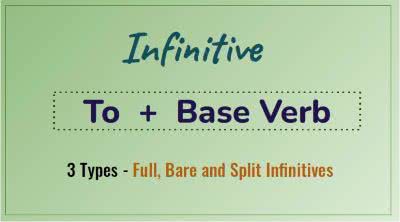
infinitive

/ɪnˈfɪn.ə.t̬ɪv/

(noun) infinitivo

Ejemplo:

In the sentence 'I want to go home,' 'to go' is an infinitive.
En la oración 'Quiero ir a casa', 'ir' es un infinitivo.

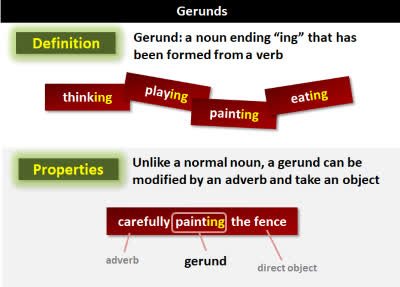
gerund

/ˈdʒer.ənd/

(noun) gerundio

Ejemplo:

The word 'swimming' is a gerund in the sentence 'Swimming is good exercise.'
La palabra 'swimming' es un gerundio en la oración 'Swimming is good exercise.'

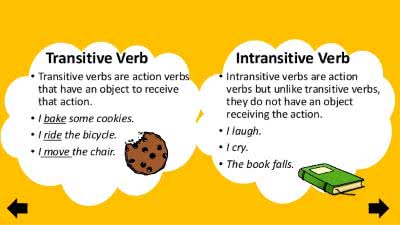
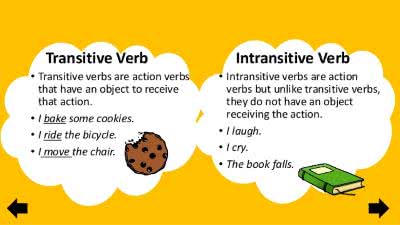
transitive verb

/ˈtræn.sɪ.tɪv ˈvɜrb/

(noun) verbo transitivo

Ejemplo:

In the sentence 'She eats an apple,' 'eats' is a transitive verb.
En la oración 'Ella come una manzana', 'come' es un verbo transitivo.

intransitive verb

/ɪnˌtrænzɪtɪv ˈvɜrb/

(noun) verbo intransitivo

Ejemplo:

The baby slept soundly.
El bebé durmió profundamente.

number

/ˈnʌm.bɚ/

(noun) número, cifra, ejemplar;

(verb) ascender a, sumar, numerar

Ejemplo:

Write down your phone number.
Anote su número de teléfono.

person

/ˈpɝː.sən/

(noun) persona, individuo, personaje

Ejemplo:

She is a very kind person.
Ella es una persona muy amable.

voice

/vɔɪs/

(noun) voz, derecho a opinar;

(verb) expresar, manifestar

Ejemplo:
Her voice was clear and strong.
Su voz era clara y fuerte.

gender

/ˈdʒen.dɚ/

(noun) género, sexo;

(verb) generizar, asignar género

Ejemplo:
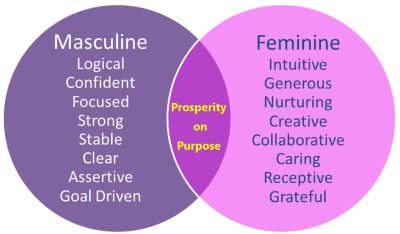
The company is committed to promoting gender equality in the workplace.
La empresa está comprometida con la promoción de la igualdad de género en el lugar de trabajo.

feminine

/ˈfem.ə.nɪn/

(adjective) femenino

Ejemplo:

She has a very gentle and feminine voice.
Ella tiene una voz muy suave y femenina.

masculine

/ˈmæs.kjə.lɪn/

(adjective) masculino

Ejemplo:

He has a very masculine voice.
Tiene una voz muy masculina.

subjunctive

/səbˈdʒʌŋk.tɪv/

(adjective) subjuntivo;

(noun) subjuntivo

Ejemplo:
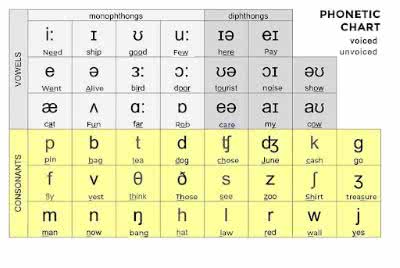
The sentence 'If I were a bird' uses the subjunctive mood.
La oración 'Si yo fuera un pájaro' usa el modo subjuntivo.

phonetics

/foʊˈnet̬.ɪks/

(noun) fonética

Ejemplo:

She is studying phonetics to improve her pronunciation.
Ella está estudiando fonética para mejorar su pronunciación.

intonation

/ˌɪn.təˈneɪ.ʃən/

(noun) entonación

Ejemplo:

Her voice had a peculiar intonation that made her sound foreign.
Su voz tenía una entonación peculiar que la hacía sonar extranjera.

dialect

/ˈdaɪ.ə.lekt/

(noun) dialecto

Ejemplo:

The local dialect is quite different from the standard language.
El dialecto local es bastante diferente del idioma estándar.

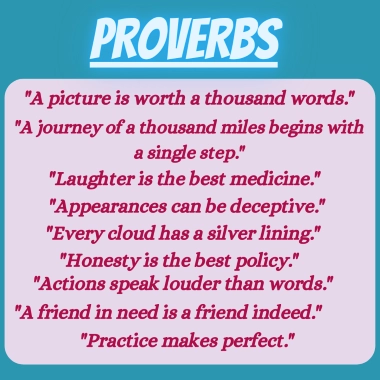
proverb

/ˈprɑː.vɝːb/

(noun) proverbio, refrán

Ejemplo:

The old proverb says, "Actions speak louder than words."
El viejo proverbio dice: "Las acciones hablan más fuerte que las palabras."

idiom

/ˈɪd.i.əm/

(noun) modismo, idioma

Ejemplo:

Learning English idioms can be challenging but rewarding.
Aprender modismos en inglés puede ser desafiante pero gratificante.

jargon

/ˈdʒɑːr.ɡən/

(noun) jerga, argot

Ejemplo:

The legal document was full of technical jargon.
El documento legal estaba lleno de jerga técnica.

slang

/slæŋ/

(noun) argot, jerga;

(verb) usar argot, hablar en jerga

Ejemplo:

The teenagers were speaking in a lot of slang I didn't understand.
Los adolescentes hablaban mucho argot que no entendía.

euphemism

/ˈjuː.fə.mɪ.zəm/

(noun) eufemismo

Ejemplo:

'Passed away' is a euphemism for 'died'.
'Falleció' es un eufemismo de 'murió'.

punctuate

/ˈpʌŋk.tuː.eɪt/

(verb) puntuar, interrumpir

Ejemplo:

Remember to punctuate your sentences correctly.
Recuerda puntuar tus oraciones correctamente.

colon

/ˈkoʊ.lən/

(noun) dos puntos, colon, intestino grueso

Ejemplo:

The recipe requires the following ingredients: flour, sugar, and eggs.
La receta requiere los siguientes ingredientes: harina, azúcar y huevos.

semicolon

/ˈsem.iˌkoʊ.lən/

(noun) punto y coma

Ejemplo:

Use a semicolon to connect two closely related independent clauses.
Usa un punto y coma para conectar dos cláusulas independientes estrechamente relacionadas.

parenthesis

/pəˈren.θə.sɪs/

(noun) paréntesis, inciso

Ejemplo:

The author used a parenthesis to add extra information.
El autor usó un paréntesis para añadir información extra.

hyphen

/ˈhaɪ.fən/

(noun) guion;

(verb) unir con guion

Ejemplo:

Use a hyphen to connect 'well' and 'known' in 'well-known author'.
Usa un guion para conectar 'well' y 'known' en 'well-known author'.

slash

/slæʃ/

(noun) corte, tajada, barra;

(verb) cortar, tajar, recortar

Ejemplo:
He made a deep slash across the canvas.
Hizo un profundo corte en el lienzo.

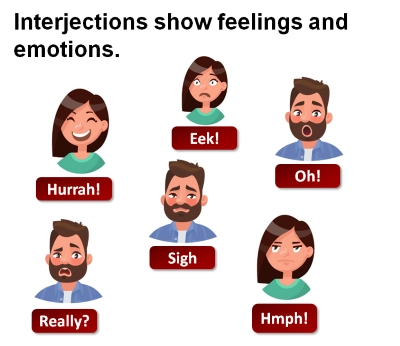
interjection

/ˌɪn.t̬ɚˈdʒek.ʃən/

(noun) interjección, exclamación

Ejemplo:
Ouch!” he cried, after hitting his thumb with a hammer.
«¡Ay!» gritó, después de golpearse el pulgar con un martillo.

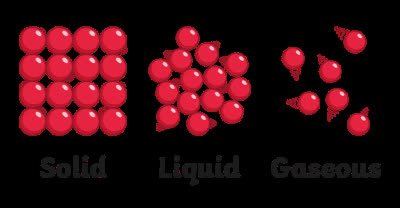
particle

/ˈpɑːr.t̬ə.kəl/

(noun) partícula, pizca, partícula subatómica;

(particle) partícula, palabra invariable

Ejemplo:
There wasn't a particle of dust in the room.
No había ni una partícula de polvo en la habitación.

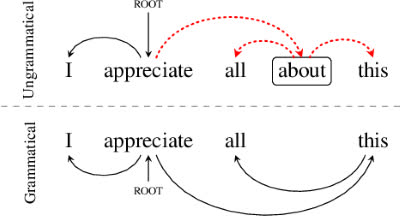
ungrammatical

/ˌʌn.ɡrəˈmæt̬.ɪ.kəl/

(adjective) agramatical

Ejemplo:

The sentence 'He don't like it' is ungrammatical.
La oración 'He don't like it' es agramatical.
Aprende este conjunto de vocabulario en Lingoland