Avatar of Vocabulary Set Linguística

Conjunto de vocabulário Linguística em Nível C2: Lista completa e detalhada

O conjunto de vocabulário 'Linguística' em 'Nível C2' é cuidadosamente selecionado de fontes de manuais padrão internacionais, ajudando-o a dominar o vocabulário em pouco tempo. Compilação completa de definições, exemplos ilustrativos e pronúncia padrão...

Aprender este conjunto de vocabulário no Lingoland

Aprender agora

prolixity

/prəˈlɪk.sə.t̬i/

(noun) prolixidade, verborragia, longuidão

Exemplo:
The editor advised the writer to reduce the prolixity in his manuscript.
O editor aconselhou o escritor a reduzir a prolixidade em seu manuscrito.

rhetoric

/ˈret̬.ɚ.ɪk/

(noun) retórica, eloquência

Exemplo:

His powerful rhetoric swayed the crowd.
Sua poderosa retórica influenciou a multidão.

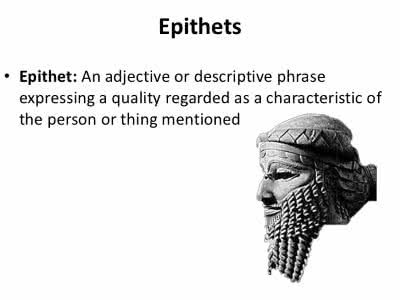
epithet

/ˈep.ə.θet/

(noun) epíteto, alcunha, apelido

Exemplo:

The king was often referred to by the epithet 'the Great'.
O rei era frequentemente referido pelo epíteto 'o Grande'.

intertextuality

/ˌɪn.t̬ɚ.teks.tʃuˈæl.ə.t̬i/

(noun) intertextualidade

Exemplo:

The novel exhibits strong intertextuality with classic myths.
O romance exibe forte intertextualidade com mitos clássicos.

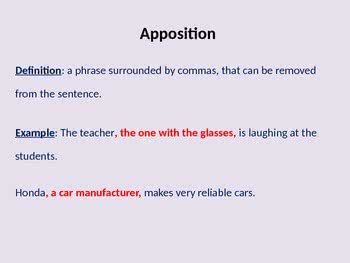
apposition

/ˌæp.əˈzɪʃ.ən/

(noun) aposição, justaposição, termo explicativo

Exemplo:
The artist used apposition of bright and dark colors to create contrast.
O artista usou a aposição de cores claras e escuras para criar contraste.

portmanteau word

/pɔːrtˈmæntoʊ wɜːrd/

(noun) palavra-valise

Exemplo:

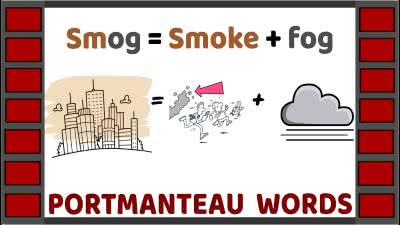
The term 'brunch' is a portmanteau word, combining 'breakfast' and 'lunch'.
O termo 'brunch' é uma palavra-valise, combinando 'café da manhã' e 'almoço'.

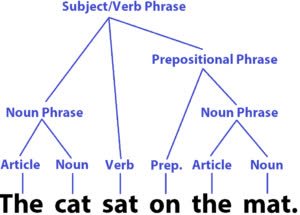
syntax

/ˈsɪn.tæks/

(noun) sintaxe

Exemplo:

The grammar checker identified an error in the sentence syntax.
O verificador gramatical identificou um erro na sintaxe da frase.

morpheme

/ˈmɔːr.fiːm/

(noun) morfema

Exemplo:

The word 'unbreakable' contains three morphemes: 'un-', 'break', and '-able'.
A palavra 'inquebrável' contém três morfemas: 'in-', 'quebr-' e '-ável'.

semantics

/səˈmæn.t̬ɪks/

(noun) semântica, significado, sentido

Exemplo:
The study of semantics helps us understand how language conveys meaning.
O estudo da semântica nos ajuda a entender como a linguagem transmite significado.

lexicon

/ˈlek.sɪ.kɑːn/

(noun) léxico, vocabulário, dicionário

Exemplo:
The legal lexicon can be difficult for laypeople to understand.
O léxico jurídico pode ser difícil para leigos entenderem.

anaphora

/ə.'næf.ə.rə/

(noun) anáfora

Exemplo:

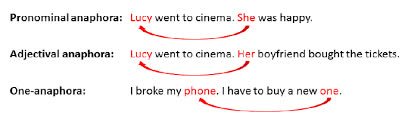
Martin Luther King Jr.'s 'I Have a Dream' speech is famous for its use of anaphora.
O discurso 'Eu Tenho um Sonho' de Martin Luther King Jr. é famoso pelo uso da anáfora.

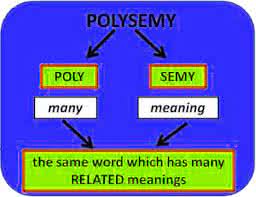
polysemy

/ˈpɑː.lɪ.siː.mi/

(noun) polissemia

Exemplo:

The word 'bank' is a classic example of polysemy, referring to a financial institution or the side of a river.
A palavra 'banco' é um exemplo clássico de polissemia, referindo-se a uma instituição financeira ou à margem de um rio.

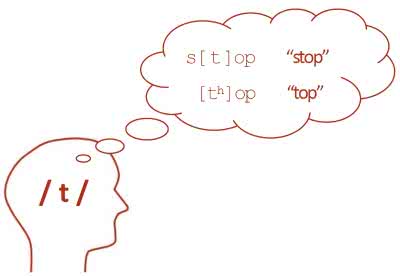
allophone

/ˈæl.ə.foʊn/

(noun) alofone

Exemplo:

The aspirated 'p' in 'pin' and the unaspirated 'p' in 'spin' are allophones of the phoneme /p/.
O 'p' aspirado em 'pin' e o 'p' não aspirado em 'spin' são alofones do fonema /p/.

lexeme

/ˈlek.siːm/

(noun) lexema

Exemplo:

The words 'run', 'runs', 'ran', and 'running' all belong to the same lexeme 'RUN'.
As palavras 'run', 'runs', 'ran' e 'running' pertencem todas ao mesmo lexema 'RUN'.

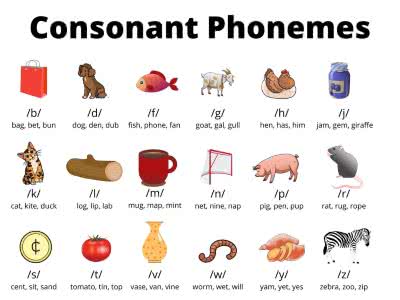
phoneme

/ˈfoʊ.niːm/

(noun) fonema

Exemplo:

The word 'cat' has three phonemes: /k/, /æ/, and /t/.
A palavra 'gato' tem três fonemas: /k/, /æ/ e /t/.

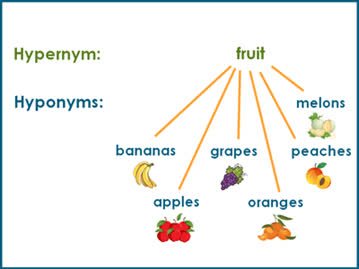
hypernym

/ˈhaɪ.pɚ.nɪm/

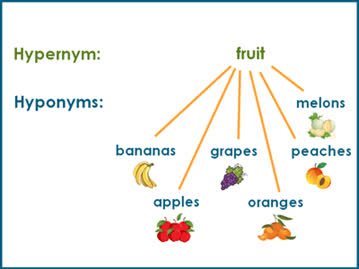
(noun) hiperônimo, termo genérico

Exemplo:
The word 'animal' is a hypernym of 'dog' and 'cat'.
A palavra 'animal' é um hiperônimo de 'cachorro' e 'gato'.

neologism

/niˈɑː.lə.dʒɪ.zəm/

(noun) neologismo, palavra nova

Exemplo:
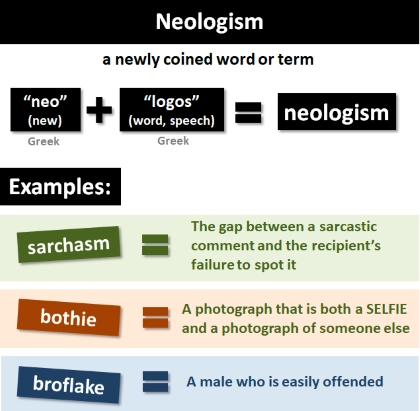
The word 'internet' was once a neologism.
A palavra 'internet' já foi um neologismo.

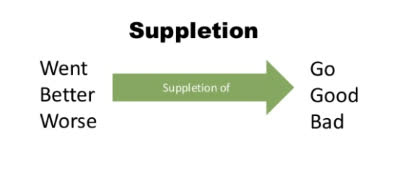
suppletion

/sʌˈpliːʃən/

(noun) supletismo

Exemplo:

The verb 'go' exhibits suppletion in its past tense form 'went'.
O verbo 'go' exibe supletismo em sua forma de passado 'went'.

register

/ˈredʒ.ə.stɚ/

(verb) registrar, inscrever, indicar;

(noun) registro, lista, caixa registradora

Exemplo:
You need to register your car with the DMV.
Você precisa registrar seu carro no Detran.

metathesis

/məˈtæθ.ə.sɪs/

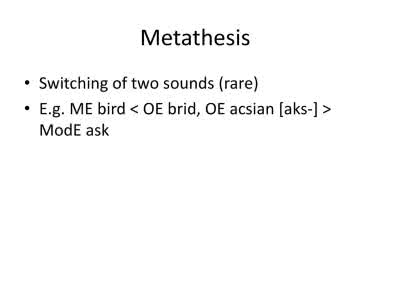
(noun) metátese

Exemplo:

The word 'ask' becoming 'aks' is an example of metathesis.
A palavra 'ask' tornando-se 'aks' é um exemplo de metátese.

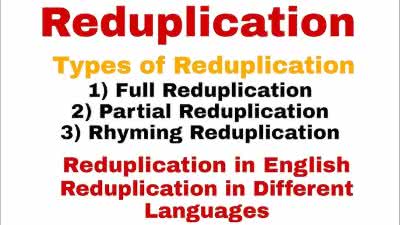
reduplication

/riˌduː.pləˈkeɪ.ʃən/

(noun) reduplicação, repetição

Exemplo:

The word 'hush-hush' is an example of reduplication.
A palavra 'hush-hush' é um exemplo de reduplicação.

clipping

/ˈklɪp.ɪŋ/

(noun) corte, aparagem, recorte

Exemplo:
The barber finished the hair clipping quickly.
O barbeiro terminou o corte de cabelo rapidamente.

tautology

/tɑːˈtɑː.lə.dʒi/

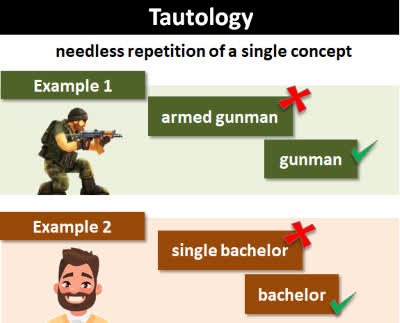
(noun) tautologia, pleonasmo, verdade lógica

Exemplo:
The phrase 'free gift' is a tautology because a gift is inherently free.
A frase 'presente grátis' é uma tautologia porque um presente é inerentemente grátis.

hyponym

/ˈhaɪ.pə.nɪm/

(noun) hipônimo

Exemplo:

In the sentence 'The dog barked loudly,' 'dog' is a hyponym of 'animal.'
Na frase 'O cão latiu alto', 'cão' é um hipônimo de 'animal'.

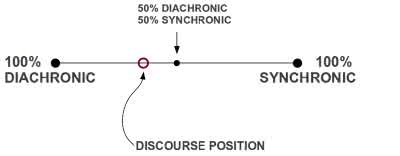
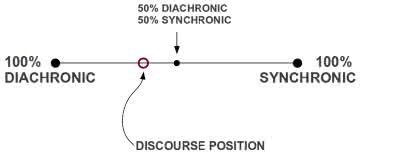
synchronic

/sɪnˈkrɑː.nɪk/

(adjective) sincrônico

Exemplo:

The linguist conducted a synchronic analysis of modern English.
O linguista conduziu uma análise sincrônica do inglês moderno.

diachronic

/ˌdaɪ.əˈkrɑː.nɪk/

(adjective) diacrônico

Exemplo:

The linguist conducted a diachronic study of English vocabulary.
O linguista conduziu um estudo diacrônico do vocabulário inglês.
Aprender este conjunto de vocabulário no Lingoland