Avatar of Vocabulary Set Linguistica

Insieme di vocabolario Linguistica in Livello C2: Lista completa e dettagliata

L'insieme di vocabolario 'Linguistica' in 'Livello C2' è selezionato con cura da fonti di testi standard internazionali, aiutandoti a padroneggiare il vocabolario in breve tempo. Compilazione completa di definizioni, esempi illustrativi e pronuncia standard...

Impara questo insieme di vocabolario su Lingoland

Impara ora

prolixity

/prəˈlɪk.sə.t̬i/

(noun) prolissità, verbosità, lungaggine

Esempio:
The editor advised the writer to reduce the prolixity in his manuscript.
L'editore ha consigliato allo scrittore di ridurre la prolissità nel suo manoscritto.

rhetoric

/ˈret̬.ɚ.ɪk/

(noun) retorica, eloquenza

Esempio:

His powerful rhetoric swayed the crowd.
La sua potente retorica ha influenzato la folla.

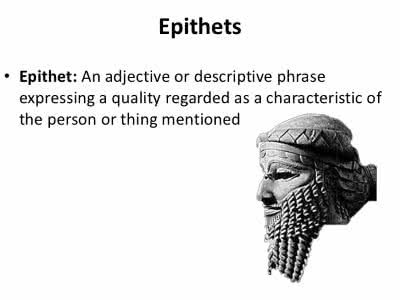
epithet

/ˈep.ə.θet/

(noun) epiteto, appellativo, ingiuria

Esempio:

The king was often referred to by the epithet 'the Great'.
Il re era spesso chiamato con l'epiteto 'il Grande'.

intertextuality

/ˌɪn.t̬ɚ.teks.tʃuˈæl.ə.t̬i/

(noun) intertestualità

Esempio:

The novel exhibits strong intertextuality with classic myths.
Il romanzo mostra una forte intertestualità con i miti classici.

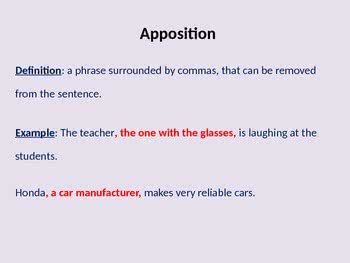
apposition

/ˌæp.əˈzɪʃ.ən/

(noun) apposizione, accostamento, complemento di specificazione

Esempio:
The artist used apposition of bright and dark colors to create contrast.
L'artista ha usato l'apposizione di colori chiari e scuri per creare contrasto.

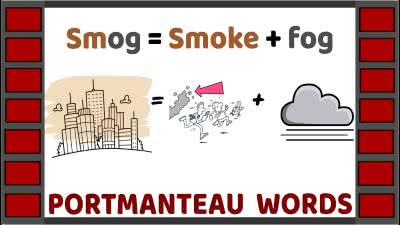
portmanteau word

/pɔːrtˈmæntoʊ wɜːrd/

(noun) parola macedonia, parola valigia

Esempio:
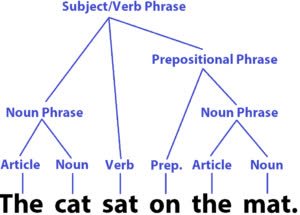
The term 'brunch' is a portmanteau word, combining 'breakfast' and 'lunch'.
Il termine 'brunch' è una parola macedonia, che combina 'colazione' e 'pranzo'.

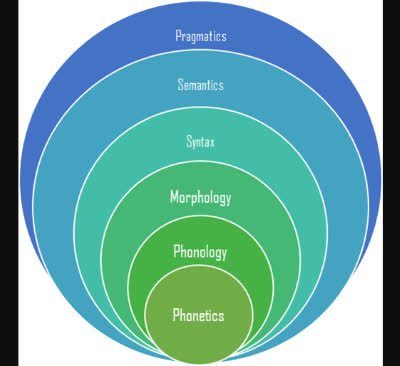
syntax

/ˈsɪn.tæks/

(noun) sintassi

Esempio:

The grammar checker identified an error in the sentence syntax.
Il correttore grammaticale ha identificato un errore nella sintassi della frase.

morpheme

/ˈmɔːr.fiːm/

(noun) morfema

Esempio:

The word 'unbreakable' contains three morphemes: 'un-', 'break', and '-able'.
La parola 'infrangibile' contiene tre morfemi: 'in-', 'frang-' e '-ibile'.

semantics

/səˈmæn.t̬ɪks/

(noun) semantica, significato, senso

Esempio:
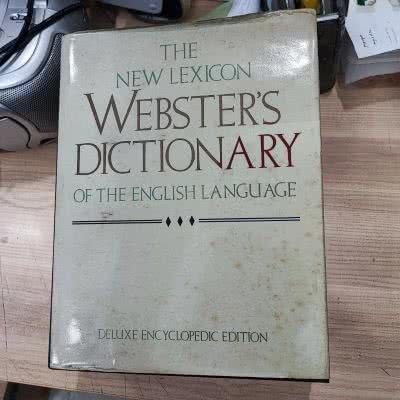
The study of semantics helps us understand how language conveys meaning.
Lo studio della semantica ci aiuta a capire come il linguaggio veicola il significato.

lexicon

/ˈlek.sɪ.kɑːn/

(noun) lessico, vocabolario, dizionario

Esempio:
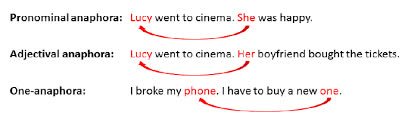
The legal lexicon can be difficult for laypeople to understand.
Il lessico legale può essere difficile da capire per i non addetti ai lavori.

anaphora

/ə.'næf.ə.rə/

(noun) anafora

Esempio:

Martin Luther King Jr.'s 'I Have a Dream' speech is famous for its use of anaphora.
Il discorso 'I Have a Dream' di Martin Luther King Jr. è famoso per il suo uso dell'anafora.

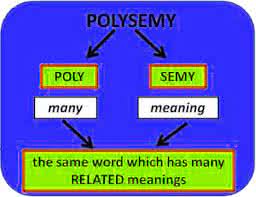
polysemy

/ˈpɑː.lɪ.siː.mi/

(noun) polisemia

Esempio:

The word 'bank' is a classic example of polysemy, referring to a financial institution or the side of a river.
La parola 'banca' è un classico esempio di polisemia, riferendosi a un'istituzione finanziaria o alla sponda di un fiume.

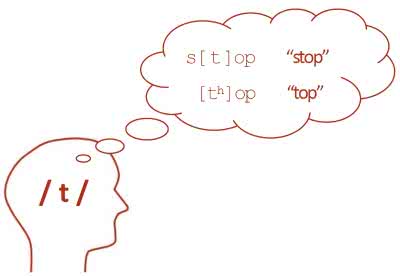
allophone

/ˈæl.ə.foʊn/

(noun) allofono

Esempio:

The aspirated 'p' in 'pin' and the unaspirated 'p' in 'spin' are allophones of the phoneme /p/.
La 'p' aspirata in 'pin' e la 'p' non aspirata in 'spin' sono allofoni del fonema /p/.

lexeme

/ˈlek.siːm/

(noun) lessema

Esempio:

The words 'run', 'runs', 'ran', and 'running' all belong to the same lexeme 'RUN'.
Le parole 'run', 'runs', 'ran' e 'running' appartengono tutte allo stesso lessema 'RUN'.

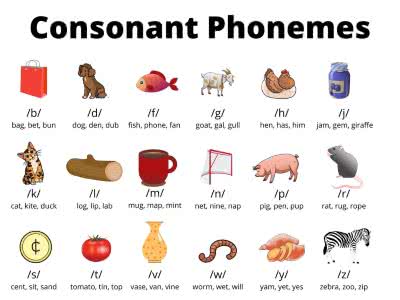
phoneme

/ˈfoʊ.niːm/

(noun) fonema

Esempio:

The word 'cat' has three phonemes: /k/, /æ/, and /t/.
La parola 'gatto' ha tre fonemi: /k/, /æ/ e /t/.

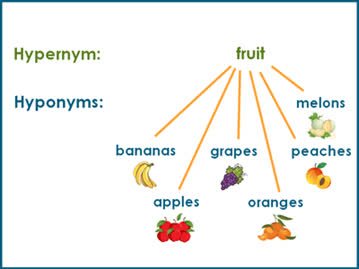
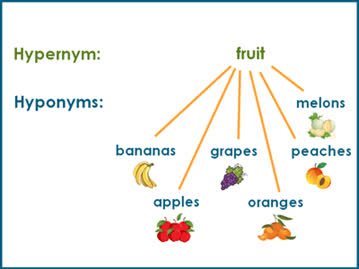
hypernym

/ˈhaɪ.pɚ.nɪm/

(noun) iperonimo, termine sovraordinato

Esempio:
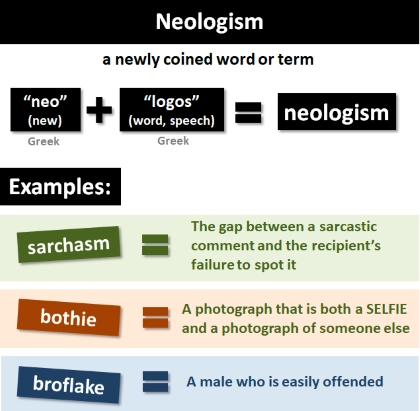
The word 'animal' is a hypernym of 'dog' and 'cat'.
La parola 'animale' è un iperonimo di 'cane' e 'gatto'.

neologism

/niˈɑː.lə.dʒɪ.zəm/

(noun) neologismo, nuova parola

Esempio:
The word 'internet' was once a neologism.
La parola 'internet' era una volta un neologismo.

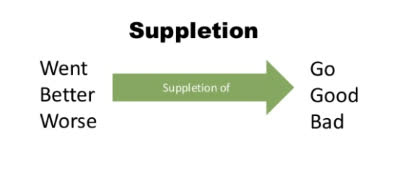
suppletion

/sʌˈpliːʃən/

(noun) suppletivismo

Esempio:

The verb 'go' exhibits suppletion in its past tense form 'went'.
Il verbo 'go' mostra suppletivismo nella sua forma al passato 'went'.

register

/ˈredʒ.ə.stɚ/

(verb) registrare, iscrivere, indicare;

(noun) registro, elenco, registratore di cassa

Esempio:
You need to register your car with the DMV.
Devi registrare la tua auto presso la motorizzazione.

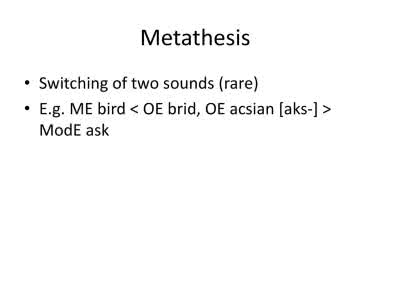
metathesis

/məˈtæθ.ə.sɪs/

(noun) metatesi

Esempio:

The word 'ask' becoming 'aks' is an example of metathesis.
La parola 'ask' che diventa 'aks' è un esempio di metatesi.

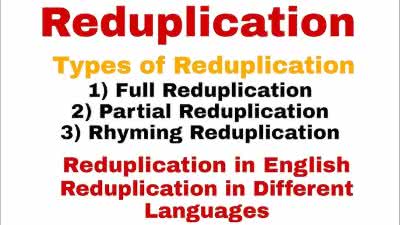
reduplication

/riˌduː.pləˈkeɪ.ʃən/

(noun) reduplicazione, raddoppiamento

Esempio:

The word 'hush-hush' is an example of reduplication.
La parola 'hush-hush' è un esempio di reduplicazione.

clipping

/ˈklɪp.ɪŋ/

(noun) taglio, potatura, ritaglio

Esempio:
The barber finished the hair clipping quickly.
Il barbiere ha finito rapidamente il taglio dei capelli.

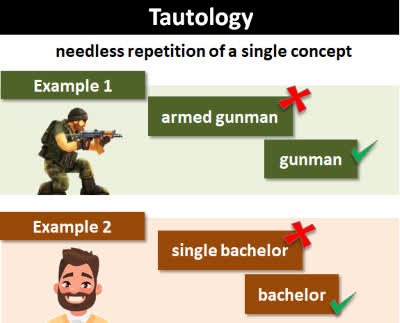
tautology

/tɑːˈtɑː.lə.dʒi/

(noun) tautologia, pleonasmo, verità logica

Esempio:
The phrase 'free gift' is a tautology because a gift is inherently free.
La frase 'regalo gratuito' è una tautologia perché un regalo è intrinsecamente gratuito.

hyponym

/ˈhaɪ.pə.nɪm/

(noun) iponimo

Esempio:

In the sentence 'The dog barked loudly,' 'dog' is a hyponym of 'animal.'
Nella frase 'Il cane abbaiò forte', 'cane' è un iponimo di 'animale'.

synchronic

/sɪnˈkrɑː.nɪk/

(adjective) sincronico

Esempio:

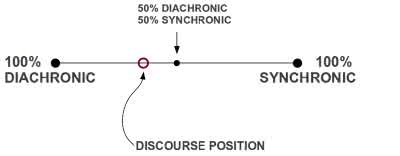
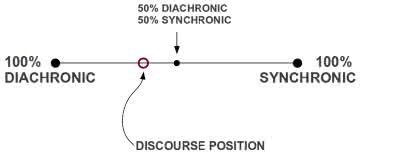
The linguist conducted a synchronic analysis of modern English.
Il linguista ha condotto un'analisi sincronica dell'inglese moderno.

diachronic

/ˌdaɪ.əˈkrɑː.nɪk/

(adjective) diacronico

Esempio:

The linguist conducted a diachronic study of English vocabulary.
Il linguista ha condotto uno studio diacronico del vocabolario inglese.
Impara questo insieme di vocabolario su Lingoland