Avatar of Vocabulary Set Linguistik

Vokabelsammlung Linguistik in Niveau C2: Vollständige und detaillierte Liste

Die Vokabelsammlung 'Linguistik' in 'Niveau C2' wurde sorgfältig aus standardisierten internationalen Lehrbüchern ausgewählt und hilft Ihnen, den Wortschatz in kurzer Zeit zu meistern. Umfassende Definitionen, Beispielsätze und Standardaussprache...

Diese Vokabelsammlung bei Lingoland lernen

Jetzt lernen

prolixity

/prəˈlɪk.sə.t̬i/

(noun) Weitschweifigkeit, Redundanz, Ausführlichkeit

Beispiel:
The editor advised the writer to reduce the prolixity in his manuscript.
Der Redakteur riet dem Autor, die Weitschweifigkeit in seinem Manuskript zu reduzieren.

rhetoric

/ˈret̬.ɚ.ɪk/

(noun) Rhetorik, Redekunst

Beispiel:

His powerful rhetoric swayed the crowd.
Seine kraftvolle Rhetorik beeinflusste die Menge.

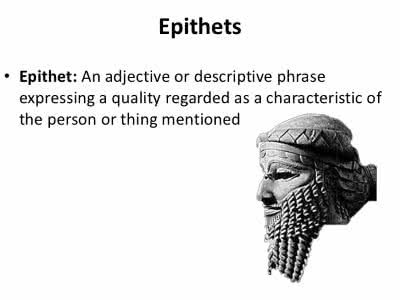
epithet

/ˈep.ə.θet/

(noun) Beiname, Epitheton, Schimpfwort

Beispiel:

The king was often referred to by the epithet 'the Great'.
Der König wurde oft mit dem Beinamen 'der Große' bezeichnet.

intertextuality

/ˌɪn.t̬ɚ.teks.tʃuˈæl.ə.t̬i/

(noun) Intertextualität

Beispiel:

The novel exhibits strong intertextuality with classic myths.
Der Roman weist eine starke Intertextualität mit klassischen Mythen auf.

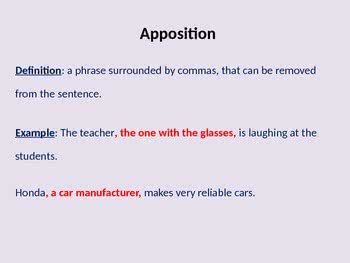
apposition

/ˌæp.əˈzɪʃ.ən/

(noun) Apposition, Nebeneinanderstellung, Beisatz

Beispiel:
The artist used apposition of bright and dark colors to create contrast.
Der Künstler nutzte die Apposition von hellen und dunklen Farben, um Kontrast zu erzeugen.

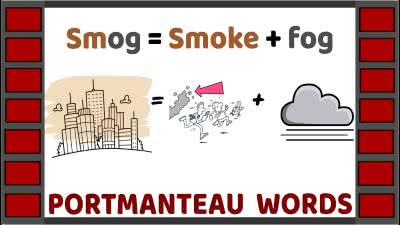
portmanteau word

/pɔːrtˈmæntoʊ wɜːrd/

(noun) Kofferwort

Beispiel:

The term 'brunch' is a portmanteau word, combining 'breakfast' and 'lunch'.
Der Begriff 'Brunch' ist ein Kofferwort, das 'Frühstück' und 'Mittagessen' kombiniert.

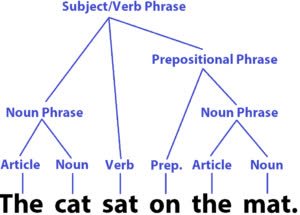
syntax

/ˈsɪn.tæks/

(noun) Syntax, Satzbau

Beispiel:

The grammar checker identified an error in the sentence syntax.
Die Grammatikprüfung hat einen Fehler in der Satzsyntax festgestellt.

morpheme

/ˈmɔːr.fiːm/

(noun) Morphem

Beispiel:

The word 'unbreakable' contains three morphemes: 'un-', 'break', and '-able'.
Das Wort „unzerbrechlich“ enthält drei Morpheme: „un-“, „break“ und „-able“.

semantics

/səˈmæn.t̬ɪks/

(noun) Semantik, Bedeutung, Sinn

Beispiel:
The study of semantics helps us understand how language conveys meaning.
Das Studium der Semantik hilft uns zu verstehen, wie Sprache Bedeutung vermittelt.

lexicon

/ˈlek.sɪ.kɑːn/

(noun) Lexikon, Wortschatz, Wörterbuch

Beispiel:
The legal lexicon can be difficult for laypeople to understand.
Das juristische Lexikon kann für Laien schwer verständlich sein.

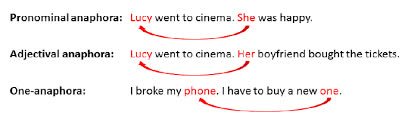
anaphora

/ə.'næf.ə.rə/

(noun) Anapher

Beispiel:

Martin Luther King Jr.'s 'I Have a Dream' speech is famous for its use of anaphora.
Martin Luther King Jr.s Rede „I Have a Dream“ ist berühmt für die Verwendung von Anapher.

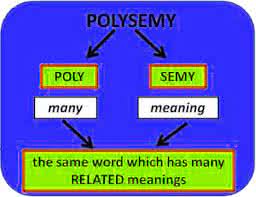
polysemy

/ˈpɑː.lɪ.siː.mi/

(noun) Polysemie, Mehrdeutigkeit

Beispiel:
The word 'bank' is a classic example of polysemy, referring to a financial institution or the side of a river.
Das Wort 'Bank' ist ein klassisches Beispiel für Polysemie, da es sich auf ein Finanzinstitut oder das Ufer eines Flusses beziehen kann.

allophone

/ˈæl.ə.foʊn/

(noun) Allophon

Beispiel:

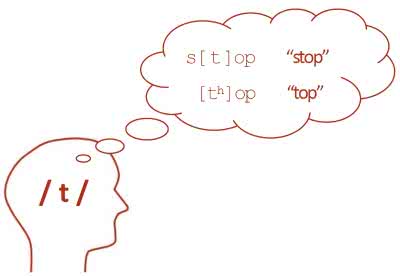
The aspirated 'p' in 'pin' and the unaspirated 'p' in 'spin' are allophones of the phoneme /p/.
Das aspirierte 'p' in 'pin' und das unaspirierte 'p' in 'spin' sind Allophone des Phonems /p/.

lexeme

/ˈlek.siːm/

(noun) Lexem

Beispiel:

The words 'run', 'runs', 'ran', and 'running' all belong to the same lexeme 'RUN'.
Die Wörter 'run', 'runs', 'ran' und 'running' gehören alle zum selben Lexem 'RUN'.

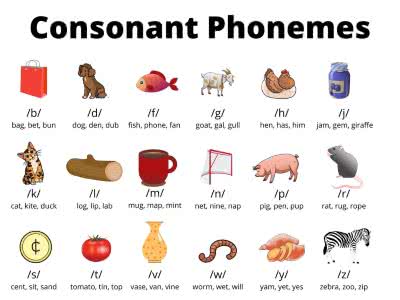
phoneme

/ˈfoʊ.niːm/

(noun) Phonem

Beispiel:

The word 'cat' has three phonemes: /k/, /æ/, and /t/.
Das Wort 'Katze' hat drei Phoneme: /k/, /æ/ und /t/.

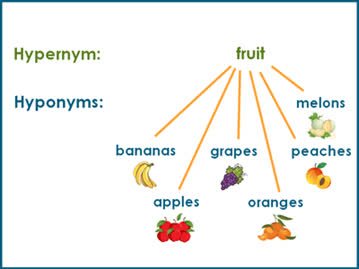
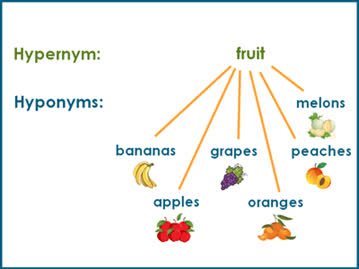
hypernym

/ˈhaɪ.pɚ.nɪm/

(noun) Hyperonym, Oberbegriff

Beispiel:
The word 'animal' is a hypernym of 'dog' and 'cat'.
Das Wort 'Tier' ist ein Hyperonym von 'Hund' und 'Katze'.

neologism

/niˈɑː.lə.dʒɪ.zəm/

(noun) Neologismus, Wortneuschöpfung

Beispiel:
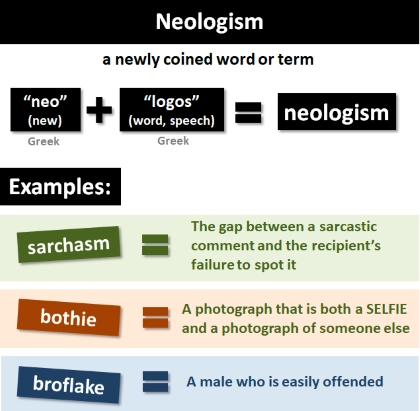
The word 'internet' was once a neologism.
Das Wort 'Internet' war einst ein Neologismus.

suppletion

/sʌˈpliːʃən/

(noun) Suppletion

Beispiel:

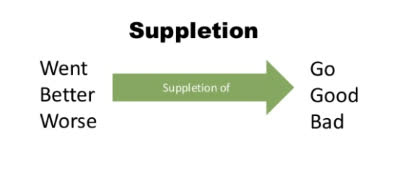
The verb 'go' exhibits suppletion in its past tense form 'went'.
Das Verb 'go' zeigt Suppletion in seiner Vergangenheitsform 'went'.

register

/ˈredʒ.ə.stɚ/

(verb) registrieren, anmelden, anzeigen;

(noun) Register, Verzeichnis, Kasse

Beispiel:
You need to register your car with the DMV.
Sie müssen Ihr Auto beim Kraftfahrt-Bundesamt anmelden.

metathesis

/məˈtæθ.ə.sɪs/

(noun) Metathese, Lautverschiebung

Beispiel:
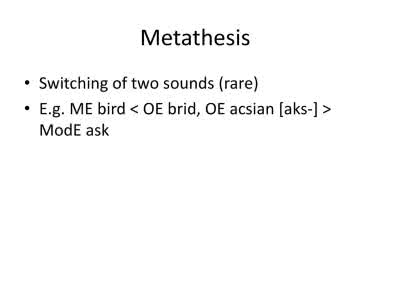
The word 'ask' becoming 'aks' is an example of metathesis.
Das Wort 'ask', das zu 'aks' wird, ist ein Beispiel für Metathese.

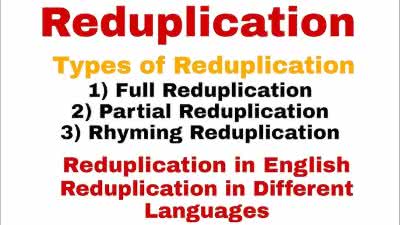
reduplication

/riˌduː.pləˈkeɪ.ʃən/

(noun) Reduplikation, Wortverdopplung

Beispiel:

The word 'hush-hush' is an example of reduplication.
Das Wort 'hush-hush' ist ein Beispiel für Reduplikation.

clipping

/ˈklɪp.ɪŋ/

(noun) Schneiden, Stutzen, Zeitungsausschnitt

Beispiel:
The barber finished the hair clipping quickly.
Der Friseur beendete das Haarschneiden schnell.

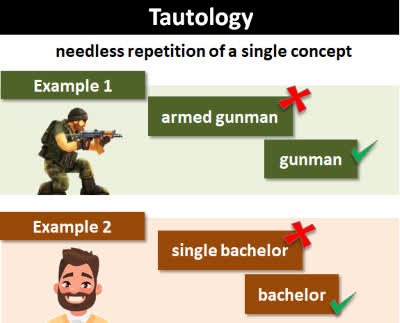
tautology

/tɑːˈtɑː.lə.dʒi/

(noun) Tautologie, Wortwiederholung, logische Wahrheit

Beispiel:
The phrase 'free gift' is a tautology because a gift is inherently free.
Der Ausdruck „kostenloses Geschenk“ ist eine Tautologie, da ein Geschenk von Natur aus kostenlos ist.

hyponym

/ˈhaɪ.pə.nɪm/

(noun) Hyponym, Unterbegriff

Beispiel:
In the sentence 'The dog barked loudly,' 'dog' is a hyponym of 'animal.'
Im Satz „Der Hund bellte laut“ ist „Hund“ ein Hyponym von „Tier“.

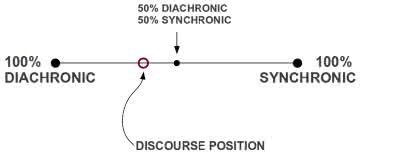
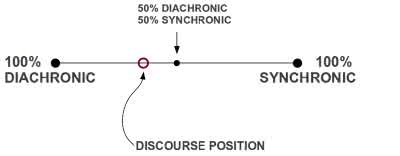
synchronic

/sɪnˈkrɑː.nɪk/

(adjective) synchronisch

Beispiel:

The linguist conducted a synchronic analysis of modern English.
Der Linguist führte eine synchronische Analyse des modernen Englisch durch.

diachronic

/ˌdaɪ.əˈkrɑː.nɪk/

(adjective) diachron

Beispiel:

The linguist conducted a diachronic study of English vocabulary.
Der Linguist führte eine diachrone Studie des englischen Wortschatzes durch.
Diese Vokabelsammlung bei Lingoland lernen