
詞彙集 語言學(屬於 C2級別):完整且詳細的清單
詞彙集「語言學」(屬於「C2級別」)從國際標準教材來源精心挑選,幫助您在短時間內掌握詞彙。全面彙整定義、例句及標準發音…
在 Lingoland 學習此詞彙集
立即學習
/prəˈlɪk.sə.t̬i/
(noun) 冗長, 囉嗦, 冗贅
範例:
The editor advised the writer to reduce the prolixity in his manuscript.
編輯建議作者減少手稿中的冗長。
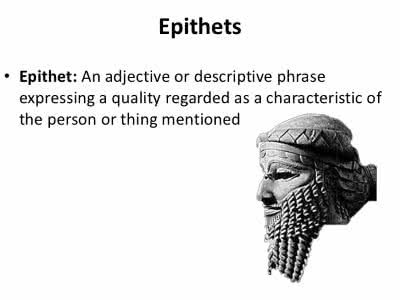
/ˈep.ə.θet/
(noun) 綽號, 稱號, 修飾語
範例:
The king was often referred to by the epithet 'the Great'.
國王常被稱為“大帝”這一稱號。

/ˌɪn.t̬ɚ.teks.tʃuˈæl.ə.t̬i/
(noun) 互文性
範例:
The novel exhibits strong intertextuality with classic myths.
這部小說與經典神話有著強烈的互文性。
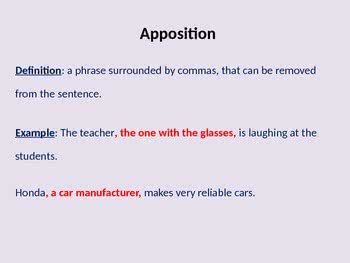
/ˌæp.əˈzɪʃ.ən/
(noun) 並置, 並列, 同位語
範例:
The artist used apposition of bright and dark colors to create contrast.
藝術家運用明暗色彩的並置來創造對比。
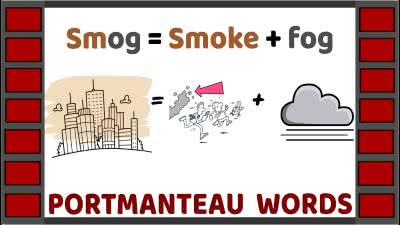
/pɔːrtˈmæntoʊ wɜːrd/
(noun) 合成詞, 混成詞
範例:
The term 'brunch' is a portmanteau word, combining 'breakfast' and 'lunch'.
「早午餐」一詞是一個合成詞,結合了「早餐」和「午餐」。
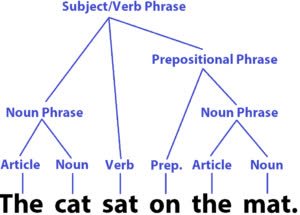
/ˈsɪn.tæks/
(noun) 語法, 句法
範例:
The grammar checker identified an error in the sentence syntax.
語法檢查器識別出句子語法中的錯誤。

/ˈmɔːr.fiːm/
(noun) 語素
範例:
The word 'unbreakable' contains three morphemes: 'un-', 'break', and '-able'.
單詞“unbreakable”包含三個語素:“un-”、“break”和“-able”。
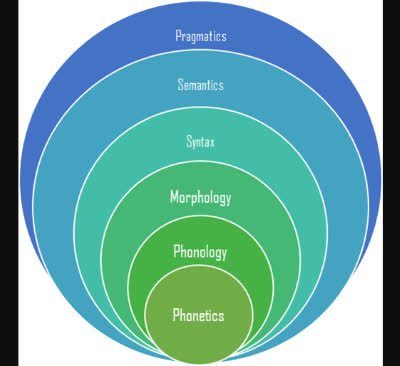
/səˈmæn.t̬ɪks/
(noun) 語義學, 語義, 含義
範例:
The study of semantics helps us understand how language conveys meaning.
語義學的研究幫助我們理解語言如何傳達意義。
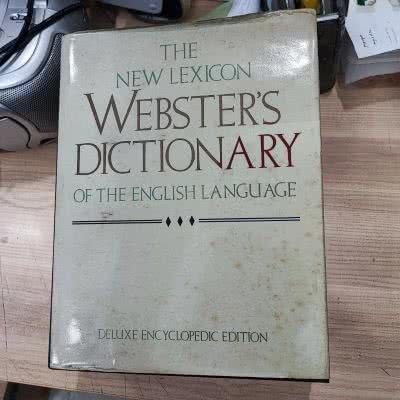
/ˈlek.sɪ.kɑːn/
(noun) 詞彙, 詞典, 字典
範例:
The legal lexicon can be difficult for laypeople to understand.
法律詞彙對非專業人士來說可能很難理解。
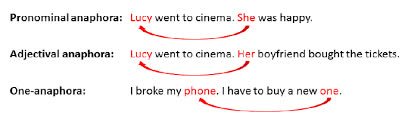
/ə.'næf.ə.rə/
(noun) 首語重複, 排比
範例:
Martin Luther King Jr.'s 'I Have a Dream' speech is famous for its use of anaphora.
馬丁·路德·金的《我有一個夢想》演講因其首語重複的運用而聞名。
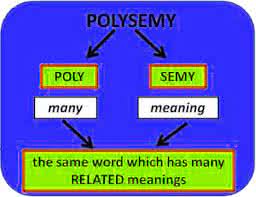
/ˈpɑː.lɪ.siː.mi/
(noun) 多義性
範例:
The word 'bank' is a classic example of polysemy, referring to a financial institution or the side of a river.
「銀行」一詞是多義性的經典例子,既指金融機構,也指河岸。
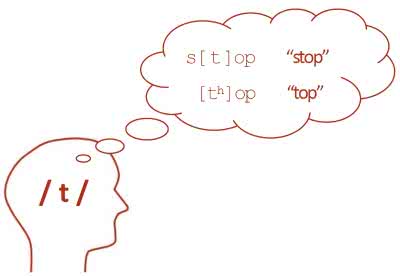
/ˈæl.ə.foʊn/
(noun) 同位異音
範例:
The aspirated 'p' in 'pin' and the unaspirated 'p' in 'spin' are allophones of the phoneme /p/.
“pin”中送氣的“p”和“spin”中不送氣的“p”是音素/p/的同位異音。

/ˈlek.siːm/
(noun) 詞位, 詞素
範例:
The words 'run', 'runs', 'ran', and 'running' all belong to the same lexeme 'RUN'.
單詞“run”、“runs”、“ran”和“running”都屬於同一個詞位“RUN”。
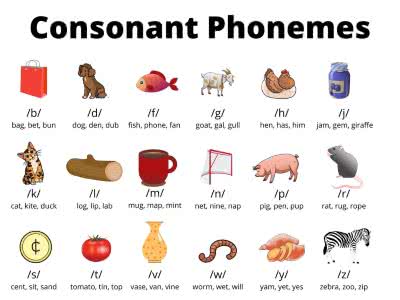
/ˈfoʊ.niːm/
(noun) 音素
範例:
The word 'cat' has three phonemes: /k/, /æ/, and /t/.
單詞“cat”有三個音素:/k/、/æ/ 和 /t/。
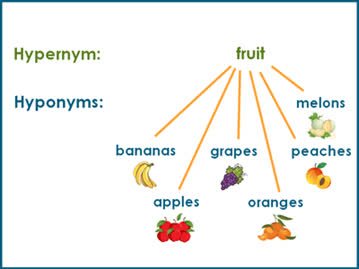
/ˈhaɪ.pɚ.nɪm/
(noun) 上位詞, 總稱
範例:
The word 'animal' is a hypernym of 'dog' and 'cat'.
「動物」一詞是「狗」和「貓」的上位詞。
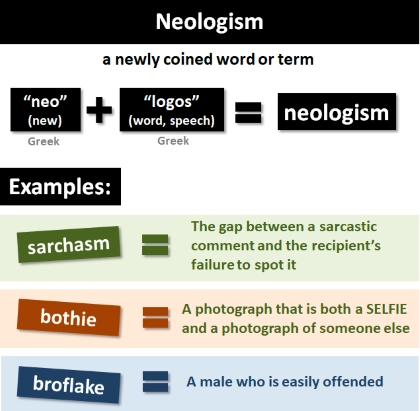
/niˈɑː.lə.dʒɪ.zəm/
(noun) 新詞, 新詞語
範例:
The word 'internet' was once a neologism.
「互聯網」這個詞曾經是一個新詞。
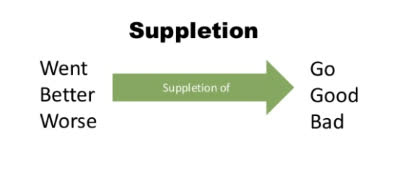
/sʌˈpliːʃən/
(noun) 異幹同義, 補充
範例:
The verb 'go' exhibits suppletion in its past tense form 'went'.
動詞“go”在過去式“went”中表現出異幹同義現象。

/ˈredʒ.ə.stɚ/
(verb) 註冊, 登記, 顯示;
(noun) 登記簿, 名冊, 收銀機
範例:
You need to register your car with the DMV.
你需要到車管所註冊你的車。
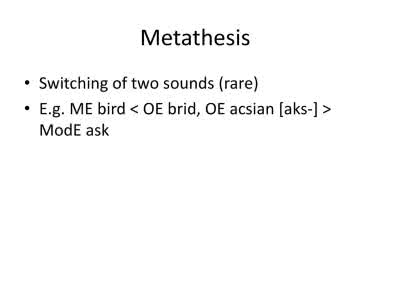
/məˈtæθ.ə.sɪs/
(noun) 音位轉換, 音位顛倒
範例:
The word 'ask' becoming 'aks' is an example of metathesis.
單詞“ask”變成“aks”是音位轉換的一個例子。
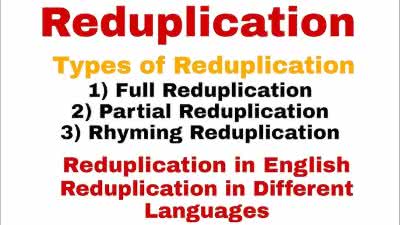
/riˌduː.pləˈkeɪ.ʃən/
(noun) 疊詞, 重複
範例:
The word 'hush-hush' is an example of reduplication.
“hush-hush”這個詞是疊詞的一個例子。

/ˈklɪp.ɪŋ/
(noun) 修剪, 剪報, 剪下物
範例:
The barber finished the hair clipping quickly.
理髮師很快完成了頭髮修剪。
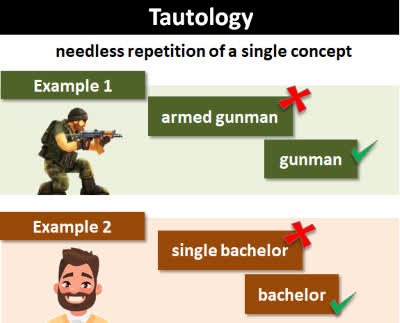
/tɑːˈtɑː.lə.dʒi/
(noun) 同義反覆, 贅述, 重言式
範例:
The phrase 'free gift' is a tautology because a gift is inherently free.
「免費贈品」這個短語是同義反覆,因為禮物本身就是免費的。
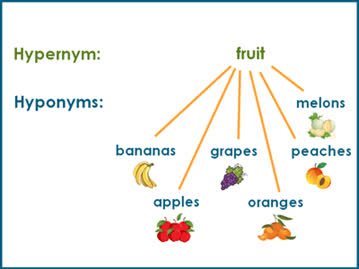
/ˈhaɪ.pə.nɪm/
(noun) 下義詞
範例:
In the sentence 'The dog barked loudly,' 'dog' is a hyponym of 'animal.'
在句子「狗大聲吠叫」中,「狗」是「動物」的下義詞。
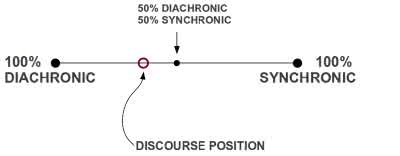
/sɪnˈkrɑː.nɪk/
(adjective) 共時的
範例:
The linguist conducted a synchronic analysis of modern English.
這位語言學家對現代英語進行了共時性分析。
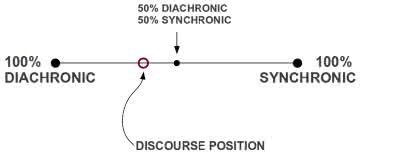
/ˌdaɪ.əˈkrɑː.nɪk/
(adjective) 歷時性, 歷史的
範例:
The linguist conducted a diachronic study of English vocabulary.
這位語言學家對英語詞彙進行了歷時性研究。