
レベルC2 内 言語学 語彙セット:完全かつ詳細なリスト
「レベルC2」内の「言語学」語彙セットは国際標準教材から厳選され、短期間で語彙をマスターできます。定義、例文、標準発音を網羅…
Lingolandでこの語彙セットを学習
今すぐ学習
/prəˈlɪk.sə.t̬i/
(noun) 冗長性, 回りくどさ, くどさ
例:
The editor advised the writer to reduce the prolixity in his manuscript.
編集者は著者に原稿の冗長性を減らすよう助言した。

/ˈret̬.ɚ.ɪk/
(noun) レトリック, 修辞学
例:
His powerful rhetoric swayed the crowd.
彼の力強いレトリックは群衆を動かした。
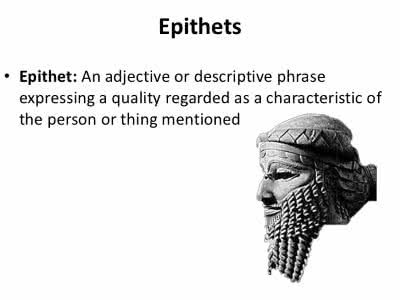
/ˈep.ə.θet/
(noun) 形容句, 異名, 罵倒語
例:
The king was often referred to by the epithet 'the Great'.
その王はしばしば「偉大なる」という形容句で呼ばれた。

/ˌɪn.t̬ɚ.teks.tʃuˈæl.ə.t̬i/
(noun) 間テクスト性, 相互テキスト性
例:
The novel exhibits strong intertextuality with classic myths.
その小説は古典的な神話との強い間テクスト性を示している。
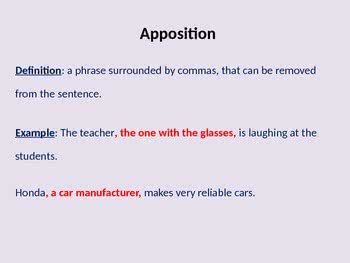
/ˌæp.əˈzɪʃ.ən/
(noun) 並置, 隣接, 同格
例:
The artist used apposition of bright and dark colors to create contrast.
その芸術家は、コントラストを生み出すために明るい色と暗い色の並置を用いた。
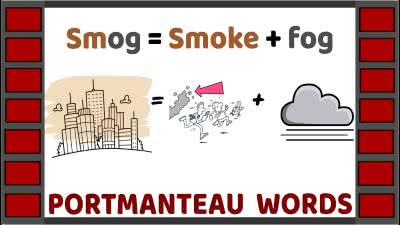
/pɔːrtˈmæntoʊ wɜːrd/
(noun) かばん語
例:
The term 'brunch' is a portmanteau word, combining 'breakfast' and 'lunch'.
「ブランチ」という言葉は、「ブレックファスト」と「ランチ」を組み合わせたかばん語です。
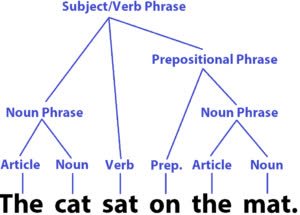
/ˈsɪn.tæks/
(noun) 構文, 統語論, シンタックス
例:
The grammar checker identified an error in the sentence syntax.
文法チェッカーは文の構文にエラーを特定しました。

/ˈmɔːr.fiːm/
(noun) 形態素
例:
The word 'unbreakable' contains three morphemes: 'un-', 'break', and '-able'.
「unbreakable」という単語には、「un-」、「break」、「-able」という3つの形態素が含まれています。
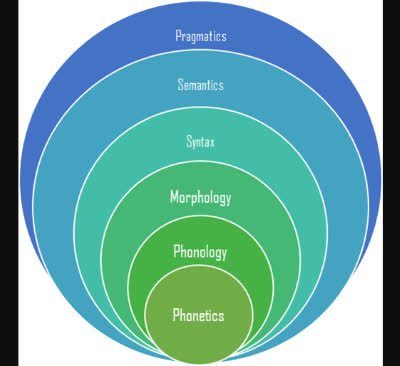
/səˈmæn.t̬ɪks/
(noun) 意味論, 意味, 語義
例:
The study of semantics helps us understand how language conveys meaning.
意味論の研究は、言語がどのように意味を伝えるかを理解するのに役立ちます。
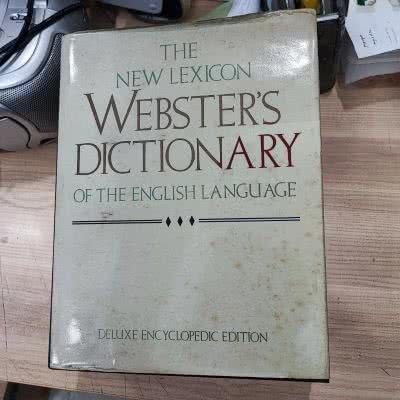
/ˈlek.sɪ.kɑːn/
(noun) 語彙, 辞書, 語彙集
例:
The legal lexicon can be difficult for laypeople to understand.
法律の語彙は素人には理解しにくい場合があります。
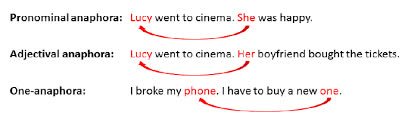
/ə.'næf.ə.rə/
(noun) 反復法, アナフォラ
例:
Martin Luther King Jr.'s 'I Have a Dream' speech is famous for its use of anaphora.
マーティン・ルーサー・キング・ジュニアの「私には夢がある」演説は、反復法の使用で有名です。
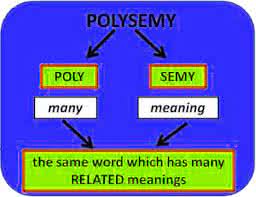
/ˈpɑː.lɪ.siː.mi/
(noun) 多義性
例:
The word 'bank' is a classic example of polysemy, referring to a financial institution or the side of a river.
「銀行」という言葉は、金融機関または川岸を指す多義性の典型的な例です。
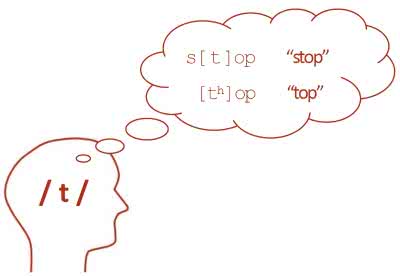
/ˈæl.ə.foʊn/
(noun) 異音
例:
The aspirated 'p' in 'pin' and the unaspirated 'p' in 'spin' are allophones of the phoneme /p/.
'pin'の有気音の'p'と'spin'の無気音の'p'は、音素/p/の異音です。

/ˈlek.siːm/
(noun) 語彙素, 語基
例:
The words 'run', 'runs', 'ran', and 'running' all belong to the same lexeme 'RUN'.
「run」、「runs」、「ran」、「running」という単語はすべて同じ語彙素「RUN」に属します。
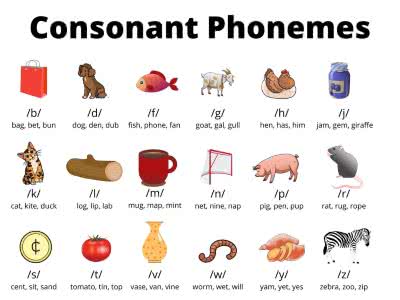
/ˈfoʊ.niːm/
(noun) 音素
例:
The word 'cat' has three phonemes: /k/, /æ/, and /t/.
「cat」という単語には、/k/、/æ/、/t/ の3つの音素があります。
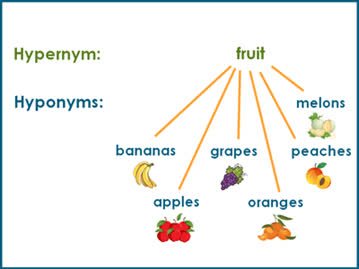
/ˈhaɪ.pɚ.nɪm/
(noun) 上位語, 包括語
例:
The word 'animal' is a hypernym of 'dog' and 'cat'.
「動物」という言葉は「犬」や「猫」の上位語です。
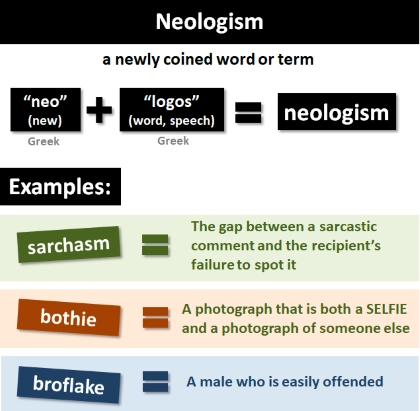
/niˈɑː.lə.dʒɪ.zəm/
(noun) 新語, 造語
例:
The word 'internet' was once a neologism.
「インターネット」という言葉はかつて新語でした。
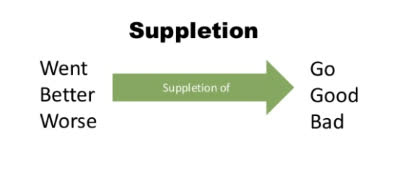
/sʌˈpliːʃən/
(noun) 補充形, 異形態
例:
The verb 'go' exhibits suppletion in its past tense form 'went'.
動詞「go」は過去形「went」で補充形を示す。

/ˈredʒ.ə.stɚ/
(verb) 登録する, 記録する, 示す;
(noun) 登録簿, 名簿, レジ
例:
You need to register your car with the DMV.
DMVに車を登録する必要があります。
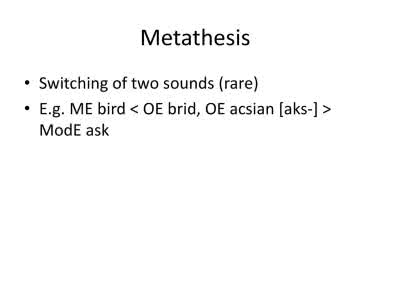
/məˈtæθ.ə.sɪs/
(noun) 音位転換, 音の入れ替え
例:
The word 'ask' becoming 'aks' is an example of metathesis.
'ask'が'aks'になるのは音位転換の一例です。
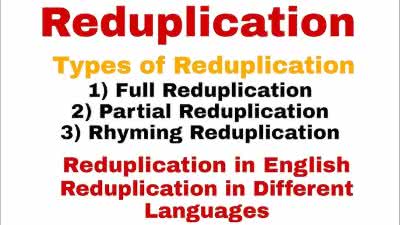
/riˌduː.pləˈkeɪ.ʃən/
(noun) 畳語, 重複
例:
The word 'hush-hush' is an example of reduplication.
「ハッシュハッシュ」という単語は畳語の一例です。

/ˈklɪp.ɪŋ/
(noun) 切断, 刈り込み, 切り抜き
例:
The barber finished the hair clipping quickly.
理髪師は素早く髪の毛を刈り終えた。
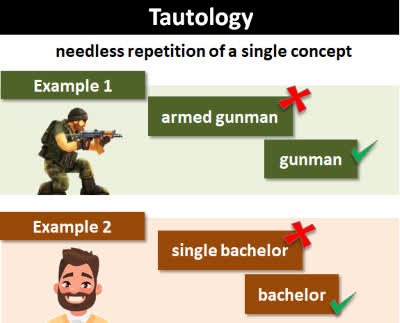
/tɑːˈtɑː.lə.dʒi/
(noun) トートロジー, 同語反復, 恒真式
例:
The phrase 'free gift' is a tautology because a gift is inherently free.
「無料の贈り物」というフレーズは、贈り物が本質的に無料であるため、トートロジーです。
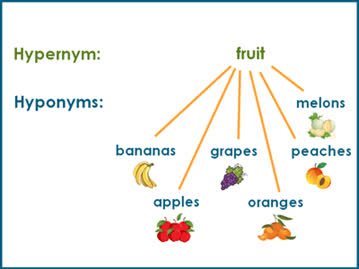
/ˈhaɪ.pə.nɪm/
(noun) 下位語
例:
In the sentence 'The dog barked loudly,' 'dog' is a hyponym of 'animal.'
「犬が大きく吠えた」という文では、「犬」は「動物」の下位語です。
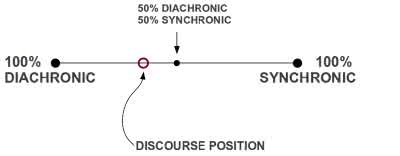
/sɪnˈkrɑː.nɪk/
(adjective) 共時的
例:
The linguist conducted a synchronic analysis of modern English.
言語学者は現代英語の共時的分析を行った。
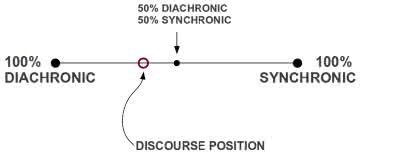
/ˌdaɪ.əˈkrɑː.nɪk/
(adjective) 通時的
例:
The linguist conducted a diachronic study of English vocabulary.
言語学者は英語の語彙の通時的研究を行った。